
How to Tell if Your Gums are Receding or Just Temporarily Irritated
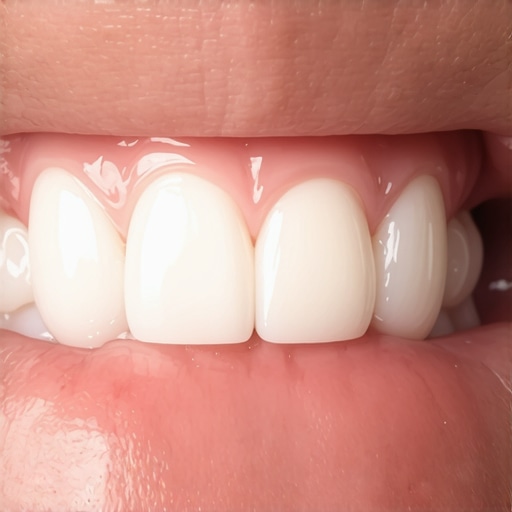
It happened during a casual morning brushing routine—my mirror caught a glimpse of something unusual. A small line along my gum line looked a bit different than usual, and suddenly, I was overwhelmed with doubt and a little panic. Was it just irritation from my new toothbrush, or was I actually losing gum tissue? That lightbulb moment made me realize how confusing and stressful it can be to tell if your gums are receding or simply irritated. And honestly, I wasn’t alone in feeling this way.
Spotting the Difference Between Gum Recession and Irritation
Knowing whether your gums are truly receding or just irritated is essential because the two conditions require different approaches. Receding gums expose more of your tooth and its roots, potentially leading to sensitivity or even tooth loss if left untreated. On the other hand, gum irritation is usually temporary, caused by factors like aggressive brushing, food particles, or allergic reactions, and can resolve on its own or with minor adjustments.
A key first step is observing your gums carefully. Do they look like they’re pulling back from your teeth, revealing more of the tooth surface or root? Or do they appear swollen, red, and tender? Swollen gums often indicate inflammation—an early sign that you need to address the cause quickly. In my case, I noticed some slight recession, but the redness and swelling pointed towards irritation.
The real challenge is differentiating between these two—because the signs can sometimes overlap. According to dental experts, consistent gum recession can be a silent process, sometimes only noticeable by a professional. Early detection can prevent more serious issues down the line. Regular check-ups are vital, but knowing what to look for at home can save you a lot of stress.
Have you ever noticed a change in your gum line and wondered if it was something to worry about? If so, you’re not alone. And better yet, armed with the right knowledge, you can start to assess your gums confidently before booking that dental appointment.
Is gum recession really worth worrying about, or is it just hype?
My early mistake was dismissing minor gum changes as just normal aging or brush-related irritation. I thought it was nothing, but neglecting it only allowed the problem to worsen. Dental research shows that early intervention can often reverse or slow gum recession if caught in time (source: American Academy of Periodontology). So, don’t make the same mistake I did—your gums are worth paying close attention to.
Now, in the upcoming sections, I’ll share practical tips to help you determine if your gums are receding or simply irritated, plus how to take proactive steps to keep your smile healthy and beautiful for years to come. If this sounds familiar, keep reading—we’re about to get practical.
Inspect Your Gums Regularly and Accurately
Start by doing a visual check in the mirror after brushing. Use your index finger to gently pull back your lip and observe the gum line. Take note if you see parts of the tooth root exposed or if your gums look swollen, red, or tender. During my own encounter, I noticed a slight recession on my lower front tooth, but the swelling was the clear sign I needed to act quickly.
Use a Toothbrush and Technique That Protects Your Gums
Switch to a soft-bristled brush and adopt a gentle, circular motion instead of aggressive scrubbing. Think of cleaning your teeth like polishing a delicate surface—less pressure yields better results. I used to brush vigorously, which worsened my gum irritation; switching to a gentle technique made a noticeable difference within days.
Apply Gentle Pressure and Proper Tools
Utilize an electric toothbrush with a pressure sensor or a manual brush with a soft head. This prevents damaging or irritating the gum tissue. When I started being mindful of my brushing force, my gums stopped bleeding and inflammation subsided. Remember, consistency matters more than force.
Address Inflammation and Irritation Immediately
If your gums are swollen or tender, rinse with warm saltwater—dissolve a teaspoon of salt in a glass of warm water and swish for 30 seconds. This natural remedy reduces swelling and kills bacteria. I tried this after noticing my gums bleeding during flossing and observed faster healing compared to just softening my brushing habits.
Optimize Your Diet and Lifestyle Choices
A diet rich in vitamins C and D supports gum health, while reducing sugar intake prevents plaque buildup. Smoking accelerates recession and inflammation; quitting or reducing exposure can greatly benefit your gums. I made small dietary changes, including adding citrus fruits and cutting back on sugary snacks, which improved my gum resilience over a few weeks.
Incorporate Proper Flossing and Interdental Cleaning
Use a waxed floss or interdental brushes gently to remove plaque between teeth, avoiding snappy motions that can cause bleeding or gum injury. I initially skipped flossing due to discomfort, but learning gentle, careful technique helped me prevent further recession and improve overall gum health.
Seek Professional Advice When Necessary
Persistent or worsening symptoms warrant a dental consultation. A professional can measure gum recession accurately and identify underlying causes like periodontal disease. Early-stage intervention can often reverse or slow recession—delaying dental visits only risks more significant damage. Remember, it’s better to schedule a check-up than to ignore subtle signs.
Prevent Future Recession with Consistent Care
Maintain your new habits consistently, schedule regular dental visits, and discuss your concerns with your dentist. If you’re interested in cosmetic solutions like veneers to restore your smile’s aesthetics, professional guidance will ensure your gums stay healthy before proceeding. You can explore options to transform your smile, such as veneers, but only after establishing optimal gum health.
Many patients assume they understand the basics of popular dental treatments like teeth whitening, veneers, Invisalign, and even family dentistry. However, a closer look reveals common misconceptions and overlooked nuances that can impact your decision-making and outcomes. Let’s explore some of these myths and mistakes that even informed patients often fall into.
Myth of Perfection: Believing All Treatments Are Flawless
One widespread misconception is that procedures such as veneers or whitening are foolproof. In reality, they come with limitations and potential risks. Veneers, for instance, can stain or crack over time, especially if not properly maintained. Teeth whitening results vary based on enamel condition and lifestyle habits. Recognizing these nuances helps set realistic expectations and prevents disappointment.
The Hidden Trap of Overgeneralization
Many assume that a treatment suitable for one patient works universally. For example, Invisalign is often marketed as an all-in-one solution, but its effectiveness depends heavily on case complexity. Complex malocclusions may require traditional braces or even surgical intervention. Relying solely on marketing claims without consulting a specialist can lead to suboptimal results. According to a study in the Journal of Orthodontics, case selection is critical for successful aligner therapy.
Advanced Mistakes: Ignoring Tooth and Gum Health
A common mistake is rushing into cosmetic procedures without thoroughly evaluating underlying oral health. For example, applying veneers over compromised teeth without addressing decay or gum issues can lead to failure or sensitivity. Similarly, whitening can exacerbate sensitivity if enamel health isn’t assessed first. Always prioritize diagnosing and treating foundational problems before cosmetic enhancements. This approach is emphasized by the American Academy of Cosmetic Dentistry.
Are veneers truly irreversible?
This question often arises among patients considering cosmetic upgrades. Many believe veneers can be easily removed or replaced, but in reality, placing veneers involves removing a thin layer of enamel. This process is irreversible. If not properly planned, it can compromise future dental options. For more insights on this, check out Veneers Made Simple.
The Danger of DIY Mindset in Family Dental Care
While the internet offers numerous at-home remedies, attempting to self-treat dental issues can do more harm than good. Over-the-counter whitening kits or DIY alignment solutions may cause uneven results, sensitivity, or damage. Professional guidance ensures safety and longevity of results. Regular family check-ups are crucial for early detection of issues that DIY methods can’t address effectively. Learn more at Ensuring Family Dental Care.
Engage with Experts Before Making Decisions
Ultimately, understanding the complexities behind popular treatments empowers you to make informed choices. Do not base decisions solely on marketing or superficial information. Consult with qualified professionals who can tailor treatments to your specific needs. Remember, what works for one person may not be ideal for another, especially considering unique oral health conditions and goals.
Have you ever fallen into this trap? Let me know in the comments. Staying educated and cautious can save you time, money, and unnecessary discomfort in your dental journey.
Maintaining your dental work and aesthetic treatments over time requires the right tools and strategies. I personally rely on a combination of high-quality electric toothbrushes, professional-grade whitening products, and the latest digital tracking software to ensure my smile stays in top shape. For example, I use the Philips Sonicare DiamondClean, which offers superior plaque removal and gum stimulation because of its oscillating-rotating technology. This ensures me a more thorough clean than conventional brushes, especially in hard-to-reach areas. Additionally, I’d recommend investing in a water flosser like the Waterpik Aquarius, which complements daily flossing by effectively removing debris and reducing inflammation—crucial for those with veneers or implants. When it comes to whitening, I prefer professional-grade strips and gels prescribed by my dentist, which deliver consistent results while minimizing sensitivity. Advanced software tools, such as dental monitoring apps, help track your oral health progress over weeks and alert you to early signs of recession or decay, making it easier to catch issues before they escalate. I believe that combining these tools with a disciplined routine will future-proof your smile significantly, especially as new innovations emerge, like AI-driven diagnostics and personalized oral care plans. To stay ahead, always consult your dentist about integrating new technology into your long-term maintenance plan. Looking into the future, I predict that personalized, app-integrated dental ecosystems will become standard, offering real-time feedback and tailored suggestions for every individual’s needs. So, why not start by trialing a high-end electric toothbrush paired with a professional whitening treatment? It’s a small investment that can dramatically extend the life and beauty of your dental work. For comprehensive insights, check out top teeth whitening strategies to keep your smile radiant year-round.
Less Obvious Lessons That Changed My Dental Journey
One crucial insight I gained is that not all dental issues are immediately visible or painful, making regular professional check-ups essential even when everything feels fine. I once ignored slight gum sensitivity, dismissing it as minor irritation, only to discover later that it was early gum recession. Listening to subtle signs can save you from more significant problems.
Another lesson is that cosmetic treatments like veneers and whitening aren’t one-size-fits-all solutions. Personalized diagnostics and understanding your unique oral health status are vital before proceeding. I learned this when I rushed into whitening without assessing enamel health, resulting in increased sensitivity.
I’ve also realized that effective communication with your dentist makes a difference. Asking questions about the longevity, maintenance, and potential risks of treatments ensures you’re making informed decisions, leading to better satisfaction with the results.
Tools and Resources That Elevate My Smile Confidence
My go-to guide has been Transform Your Smile with Veneers. It helped me understand the nuances of smile makeovers, ensuring I chose the right approach for my face shape and lifestyle. The American Academy of Cosmetic Dentistry’s website is also invaluable for trustworthy, up-to-date information on cosmetic procedures.
For daily maintenance, I rely on the Philips Sonicare DiamondClean toothbrush, which offers gentle yet effective cleaning, crucial for preserving veneers and sensitive teeth. Additionally, I use top teeth whitening strategies to maintain a radiant smile that boosts my confidence without compromising enamel health. Combining professional guidance with reliable home tools has truly transformed my approach to smile care.
Your Smiling Future Starts Today
Embarking on or enhancing your family dentistry journey is a powerful step toward lasting confidence and health. Remember, your smile is an investment—treat it with care, curiosity, and the right professional support. Every small habit makes a significant difference over time, and with the proper tools and knowledge, you can achieve the smile you’ve always wanted. So why wait? Take that first step towards a healthier, brighter smile today.
Questions? Have you ever hesitated to consult a professional about a sneaky gum change or cosmetic concern? Share your experiences below—I’m here to help!