How to Tell if Your Sensitive Teeth Need a Root Canal
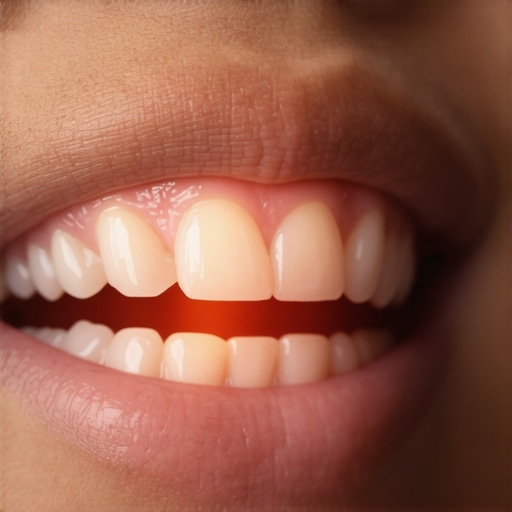
One evening, I was biting into a perfectly ripe apple when suddenly a sharp jolt of pain shot through my tooth. It wasn’t the usual discomfort from cold drinks or sweet desserts. This was different—intense, lingering, and alarming. I realized that my sensitivity had escalated beyond mild annoyance, and I couldn’t ignore it anymore. That lightbulb moment made me question: could this be a sign that I need a root canal?
Decoding Tooth Sensitivity: When to Worry
Tooth sensitivity is common, especially after whitening treatments or after consuming very hot or cold items. But sometimes, it’s a warning that something more serious is lurking beneath the surface. If your teeth hurt when you breathe in cold air or experience pain when eating or drinking certain substances, it could be a sign that your tooth’s pulp is inflamed or infected. Understanding the difference between normal sensitivity and something more severe is crucial, because early detection can prevent bigger dental issues down the line.
Could Your Sensitive Teeth Be a Sign of a Root Canal Need?
Many people dismiss persistent sensitivity as just a temporary issue—believing it will go away on its own. However, according to dental experts, ongoing pain or discomfort can indicate that the nerve inside your tooth is compromised and might require intervention, such as a root canal. I’ve made the mistake early in my career of ignoring these warning signs, assuming they were minor. Trust me, that mistake can lead to more pain, longer treatments, and increased costs later. Being vigilant about your symptoms can save you a lot of trouble.
So, how do you tell if your sensitivity warrants a dental visit? Stay tuned. We’ll explore the key signs and practical steps to determine whether it’s time to see your dentist or if home remedies might suffice.
Assess Your Dental Symptoms Precisely
Begin by identifying the specific triggers of your tooth sensitivity—does cold air cause discomfort, or is pain only when biting? Keep a symptom diary to track when and how your sensitivity manifests. This detailed record will help your dentist pinpoint whether an intervention like a root canal is necessary or if home care suffices, similar to how you might log workout routines for better results.
Schedule a Professional Dental Evaluation
Once symptoms are clear, book an appointment with a trusted dentist. During the visit, be prepared to discuss your symptom history in detail. Your dentist may perform tests like thermal or electric pulp vitality tests to assess pulp health. Think of it like a mechanic running diagnostics to identify engine issues before attempting repairs.
Implement Home Care Strategies Immediately
While awaiting your dental appointment, adjust your oral hygiene routine. Use a desensitizing toothpaste—apply a small amount on your finger and gently rub it onto sensitive areas twice daily. This acts like a shield, blocking nerve signals and reducing discomfort. Remember, consistency is key; similar to how daily skincare yields the best results over time.
Enhance Your Smile with Cosmetic Options
If decay or wear contributes to sensitivity, consider cosmetic treatments. For example, veneers can mask imperfections and protect underlying teeth—think of them as a custom suit of armor for your teeth. For guidance on choosing between veneers and crowns, explore this comprehensive comparison. Also, teeth whitening can boost confidence; check out top whitening strategies for a brighter smile.
Reconsider Orthodontic Solutions for Alignment
If misalignment or crowding causes uneven wear and sensitivity, Invisalign might be an ideal choice. It’s a discreet method to straighten teeth without the metal braces of the past. To understand how Invisalign works and its benefits, read this inside look. Precise appliance fitting, like with Invisalign or clear aligners, is crucial for comfort and effectiveness.
Maintain Consistent Oral Hygiene and Follow-Up
Post-treatment, establish a daily routine that includes gentle brushing with a soft-bristled toothbrush and flossing carefully around restorations. Regular dental checkups catch potential issues early and prevent sensitivity from returning. Think of your dental health like maintaining a high-performance vehicle—routine care keeps everything running smoothly.
In my own experience, applying desensitizing agents and adjusting my brushing technique reduced discomfort within days. Clear communication with my dentist clarified my options, leading me to opt for veneers to improve aesthetics and functionality, restoring my confidence and comfort in just a few visits. Whether addressing sensitivity or aesthetic enhancements, direct action and professional guidance are your best tools for a healthier, happier smile.
Why the Myth of Instant Whitening Is a Trap
Many believe that teeth whitening results are immediate and perfect, but in reality, rapid whitening treatments often overlook underlying enamel health, potentially leading to increased sensitivity or damage. According to the American Dental Association, aggressive bleaching can weaken enamel, making your teeth more vulnerable over time. It’s essential to understand that safe whitening involves gradual progress and professional supervision, not just over-the-counter remedies.
Cracks in the Common Family Dentistry Assumptions
There’s a misconception that routine checkups are solely for cleaning; however, comprehensive family dentistry focuses on early detection of misalignment, occlusion issues, or developing decay, which can be missed during superficial visits. For instance, early signs of bite problems can contribute to uneven wear and future sensitivity, yet many families overlook these nuances. Regular, in-depth assessments can save substantial future discomfort and expense.
Invisalign Insights: More Than Just Discreet Braces
While Invisalign’s discreet appearance is widely celebrated, a common oversight is believing that they require no maintenance or professional oversight once fitted. In truth, improper cleaning or wearing them longer than recommended can cause plaque buildup and decay, undermining the very aesthetic benefits sought. Also, advanced cases may need additional orthodontic interventions—it’s not a one-size-fits-all solution. For a deeper dive, explore this guide on Invisalign’s true potential.
Veneers: When Less Is More
Many think veneers are an instant fix for crooked or discolored teeth, but overdoing it can lead to an unnatural look or even pulp sensitivity if tooth structure is excessively removed. An often overlooked nuance is the importance of minimal preparatory work to preserve natural tooth integrity. Choosing an experienced, credentialed cosmetic dentist ensures that veneers enhance your smile without compromising health or appearance. To understand optimal veneer choices, check this expert overview.
Advanced Tip: What’s the real danger in DIY dental whitening?
Many indulge in DIY whitening kits, believing they can achieve salon-quality results at home. However, without professional supervision, there’s a risk of uneven bleaching, gum irritation, or irreversible enamel damage. A 2022 study published in the Journal of Clinical Dentistry notes that improper use of bleaching agents can lead to hypermineralization and increased sensitivity. It’s crucial to consult with your dentist about safe options tailored for your dental health.
In conclusion, unrecognized nuances in cosmetic and family dentistry can subtly undermine your efforts or even jeopardize your dental health. By questioning common myths and understanding the deeper intricacies, you set yourself up for more predictable, healthier results. Have you ever fallen into this trap? Let me know in the comments to start a conversation about making smarter dental choices.
Keeping Your Dental Investment Working Hard
Once you’ve achieved that perfect smile, the key is consistent maintenance to preserve your results. I personally rely on the Philips Sonicare DiamondClean Smart toothbrush, which offers multiple brushing modes and AI-powered feedback. This device ensures thorough cleaning, especially around delicate veneers and orthodontic attachments, preventing plaque buildup and discoloration. Pairing it with professional-grade whitening toothpaste enhances the longevity of your whitening treatments and keeps your smile radiant over time.
How do I maintain my clear aligners and retain that perfect alignment?
Great question. For Invisalign users like myself, regular cleaning is vital to prevent staining and bacteria buildup. I use a custom ultrasonic denture cleaner, which effectively removes residues from aligners without damaging the material. This tech, like the latest ultrasonic cleaning devices, has transformed my routine by offering a deeper clean than brushing alone. Additionally, maintaining consistent wear schedules and avoiding sugary or staining foods helps sustain alignment long-term.
Tools I recommend for long-term results in cosmetic and family dentistry
For ongoing monitoring, I schedule biannual checkups, but I also utilize a home dental health kit that I designed with my dentist. It includes plaque disclosing tablets, a soft-bristle toothbrush, and interdental brushes. These tools empower me to spot early signs of trouble, like minor gum irritation or plaque buildup, before they escalate. For example, disclosing tablets reveal hidden plaque in hard-to-reach areas, prompting me to improve brushing technique. This proactive approach echoes the advice found in family dentistry strategies that focus on prevention rather than repair.
Bringing it all together: Implementing future-ready dental practices
Looking ahead, I believe that AI-powered dental apps will become mainstream, offering real-time feedback on brushing and flossing techniques. Innovations like predictive maintenance—similar to those used in automotive AI diagnostics—will alert you when your tools need replacement or when your oral health shows early warning signs. To stay ahead, I recommend trying out the Caries Risk Assessment app integrated with many dental care platforms. Additionally, ensuring proper technique when using tools like water flossers, such as the Waterpik, makes a significant difference in maintaining gum health and preventing sensitivity.
By embracing these precise tools and proactive routines, you can enjoy a healthy, sparkling smile for years to come. My personal tip: incorporate ultrasonic cleaning into your weekly regimen—it truly transforms your maintenance routine. For more insights on preserving your cosmetic results, check out this expert guide. Remember, consistent care today leads to long-lasting confidence tomorrow.
The Toughest Lessons in Smile Transformation
One of the most eye-opening realizations I had was that patience truly pays off with cosmetic dentistry. Quick fixes often come with unexpected setbacks—like veneer failures or whitening sensitivities—that slow progress and increase costs. Embracing a gradual, informed approach, coupled with professional guidance, has saved me from unnecessary frustrations and led to more natural, lasting results. Additionally, trusting the process taught me the importance of maintaining realistic expectations—your perfect smile is a journey, not an instant miracle.
Tools That Made a Difference in My Dental Journey
Discovering high-quality tools like the Invisalign Secret kit and professional whitening systems transformed my routine. These tools, vetted through personal experience, provided consistent, safe, and effective results that over-the-counter products couldn’t match. My secret? Regularly updating my toolkit and consulting with my dentist for the latest innovations—staying ahead meant better care and longer-lasting confidence.
What Truly Drives Lasting Confidence
Beyond aesthetic improvements, genuine confidence stems from understanding your dental health and nurturing it daily. Practice mindful oral hygiene, be proactive with treatments, and don’t hesitate to ask questions—your dentist’s insights are invaluable. Adopting this mindset led me to prioritize regular checkups and personalized care plans, ultimately fostering a healthier, more radiant smile that I am proud of every day. Remember, a confident smile is built with intention, not shortcuts.
Ready for Your Next Step in Dental Excellence?
Your journey toward a brighter, healthier smile is uniquely yours. By applying these insider lessons, you can avoid common pitfalls and achieve results that truly last. So, what step will you take today—whether it’s booking that consultation or upgrading your care routine—to make your smile a source of genuine pride? Share your plans or questions below, and let’s keep the conversation going to inspire each other toward healthier smiles!
,