
How to whiten your teeth without making them sensitive for days
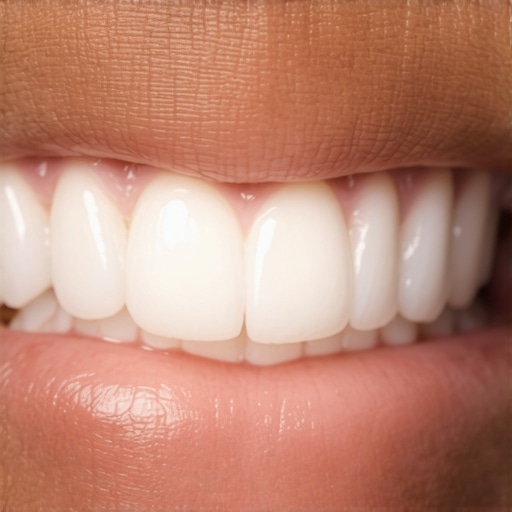
I remember the exact moment I realized my teeth whitening attempts were doing more harm than good. It wasn’t just the stubborn stains that lingered; it was the awful, prolonged sensitivity that made eating ice cream or sipping hot coffee feel like torture. I’d stay up at night, wishing for a solution that wouldn’t leave me with a mouthful of pain for days. It was a lightbulb moment—if only I could find a way to brighten my smile without the cringe-inducing sensitivity.
Why So Many People Keep Struggling with Sensitive Teeth During Whitening
Teeth sensitivity from whitening treatments is a common complaint, and trust me, I’ve been there. The worst part? Early advice I followed made the problem worse. I used over-the-counter whitening strips daily, thinking more would be better—big mistake. Instead of a sparkling smile, I ended up with increased pain and discomfort, and I was ready to give up on whitening altogether. It’s frustrating, isn’t it? You want a beautiful smile, not one that makes you dread every sip of your drink.
Is Whitening Without Sensitivity Really Possible?
Absolutely. Over the years, I’ve discovered that the key lies in understanding your teeth and choosing the right methods. It’s not about endless applications or harsh chemicals; it’s about smart, gentle techniques that work with your natural enamel. For instance, I learned that using desensitizing toothpaste before and after whitening sessions can significantly reduce discomfort. Also, avoiding overusing potent bleaching products was crucial—less really is more.
Before this discovery, I made a mistake many beginners do: applying aggressive whitening gels without consulting a dentist. That’s a rookie error I want you to avoid. Proper guidance and choosing gentle options can make all the difference. If you’re keen to keep your teeth white and your gums happy, I suggest checking out resources like Top Teeth Whitening Strategies Today to understand the latest methods.
What We Will Cover Today
Stick around, because I’m going to walk you through proven techniques I’ve tried myself—methods that finally gave me a brighter, pain-free smile. From simple at-home tricks to professional tips, you’ll learn how to avoid common pitfalls and maintain your oral health. Ready to say goodbye to sensitivity and hello to your best smile? Let’s dive into the practical steps that can transform your whitening experience without the agony.
Choosing Gentle Whitening Products and Methods
Start by selecting whitening options explicitly labeled as gentle or desensitizing. I remember trying a popular whitening kit without checking its strength; the first use caused a shooting pain. Instead, opt for whitening gels with lower peroxide concentrations or those infused with potassium nitrate, known for calming nerves. When shopping, look for reputable brands recommended by dentists or backed by reviews within the top whitening strategies. Applying these products correctly is crucial: follow instructions precisely to avoid overuse, which aggravates sensitivity and damages enamel.
Prepping Your Teeth and Gums for Whitening
Pre-Treatment Desensitizing
Before whitening, brush with desensitizing toothpaste, such as those containing potassium nitrate or stannous fluoride. I made a habit of using such toothpaste for a week prior to whitening sessions—big difference. This builds a protective layer over the nerves inside your teeth, reducing pain during treatment. When applying, ensure a thorough brush to coat all surfaces and allow the toothpaste to sit for a few minutes for maximum benefit.
Address Gums and Soft Tissues
Protect your gums and lips with a petroleum jelly or specialized barrier. I remember a time I skipped this step with a DIY kit, and the gel leaked onto my gums, causing irritation. Applying a barrier helps contain the whitening agent and shields sensitive tissues. For professional treatments, your dentist will often have a protective gel, but at home, a small amount of Vaseline goes a long way. This simple step can prevent painful chemical burns and enhance comfort.
Implementing the Whitening Procedure Correctly
Follow a conservative approach: don’t over-apply gels or strips. Start with shorter sessions—10-15 minutes—and gradually increase if tolerated. For instance, I initially did 10-minute sessions and observed no discomfort, then extended to 20 minutes over a week. Remember, more isn’t better; prolonged exposure can worsen sensitivity and harm your enamel. Use desensitizing toothpaste afterward to soothe your teeth and maintain the protective layer.
Incorporate Regular Post-Treatment Care
After whitening, avoid acidic foods and beverages that can erode enamel and re-trigger sensitivity. I made a habit of drinking through a straw to minimize contact. Rinsing with fluoride mouthwash also helps reinforce enamel, reducing post-treatment discomfort. Scheduling routine checkups with your dentist ensures your teeth remain healthy and bright without adverse effects. For a comprehensive guide, check out teeth whitening secrets.
Seeking Professional Advice When in Doubt
While at-home methods work for many, consulting a dentist guarantees personalized care. Dentists can recommend custom-fitted whitening trays that distribute gel evenly and reduce sensitivity. I remember my first professional whitening appointment, where the dentist applied a protective gel to sensitive areas before treating. The outcome was a brighter smile without pain. Always consider professional options if over-the-counter solutions cause discomfort or if you want faster, safer results. To explore more professional treatments, visit veneers versus crowns for broader aesthetic solutions.
Many patients believe that cosmetic dental treatments like veneers, Invisalign, or teeth whitening are simple fixes that require little thought or planning. However, this misconception can lead to costly mistakes and unsatisfactory results. For example, a common myth is that veneers can fix any smile irregularity without considering the health of the underlying teeth. In reality, veneers are a surface-level solution that doesn’t address foundational issues, and applying them without proper evaluation can cause sensitivity, misalignment, or even damage to your natural teeth. For a comprehensive understanding, check out the real differences between veneers and crowns.
Achieving that pearly white smile is just the beginning; keeping it shining requires the right tools and consistent effort. Over the years, I’ve fine-tuned my routine with equipment and products that truly make a difference, ensuring my smile remains healthy and radiant without costly trips to the dentist. Today, I want to share some of the specific tools I recommend based on personal experience, backed by expert advice, to help you maintain your dental aesthetic over time.
Invest in a Quality Electric Toothbrush
My go-to tool for daily oral hygiene is the Oral-B Genius X. It’s not just about the motor power; the real benefit lies in its smart technology that tracks brushing habits via Bluetooth, providing real-time feedback. This ensures I clean thoroughly, especially along the gumline and around veneers or whitening treatments. Dental professionals agree that a high-quality electric brush significantly reduces plaque buildup and enhances gum health, laying a strong foundation for long-term aesthetic results. As the top whitening strategies emphasize, proper cleaning extends whitening effects.
Use a Custom Mouthguard for Nighttime Protection
If you experience teeth grinding, a custom-fitted night guard is indispensable. I rely on the dental lab-made guard over generic silicone versions, which I found uncomfortable and ineffective. A well-made guard prevents microfractures in veneers and enamel erosion caused by grinding, preserving your investment in cosmetic procedures. It’s a small but powerful tool that safeguards your smile during vulnerable hours.
Maintain Freshness With an Ultrasonic Dental Scanner
As dental care advances, tools like the YRE ultrasonic plaque remover have gained popularity beyond professional settings. I use it weekly at home to eliminate stubborn plaque and tartar that brushing alone might miss, especially around crowns and veneers. This device aligns with expert advice from 2025’s top guide, which highlights how ultrasonic tools can extend the lifespan of cosmetic restorations and keep teeth looking their best long-term.
Implement Wireless Interdental Cleaning
Flossing is crucial, but traditional floss can be clunky and ineffective. My preferred method is the Pearl Dental Flossers, which are compact, easy to maneuver, and gentle on gums. They reach between teeth effortlessly, preventing buildup that causes discoloration and decay. For added effectiveness, I incorporate interdental brushes like the Interdental Cleaners, especially in hard-to-reach areas around orthodontics or veneers. Regular mechanical cleaning like this complements professional cleanings and helps maintain those perfect results.
Look Ahead: What Future Maintenance Holds
As technology evolves, expect to see smarter dental tools, such as AI-powered toothbrushes that adapt to your brushing patterns and at-home whitening devices with real-time feedback. Staying ahead means incorporating these innovations into your routine now, ensuring your investment in veneers, whitening, or Invisalign continues to pay off. Experts predict that integrating IoT-connected devices will become a standard part of long-term dental care, making maintenance more intuitive and effective.
How Do I Keep It Working Year After Year?
The key is consistency combined with the right equipment. Regularly replacing components like brush heads (every three months) and using devices designed for your specific dental work prolongs their effectiveness. Scheduling routine checkups, ideally twice a year, allows your dentist to assess your tools and update your care plan accordingly. Remember, prevention is better than correction. Using advanced tools proactively saves time, money, and preserves your stunning smile for years to come.
If you’re ready to elevate your dental routine, I recommend trying out a high-end electric toothbrush and ultrasonic cleaner—I personally found these investments invaluable for maintaining my results and avoiding common pitfalls like plaque buildup or enamel wear. For more insights on professional-grade tools, visit Top Teeth Whitening Strategies Today.
Over the years, I’ve realized that the journey to a beautiful, white smile isn’t just about the end result but also about understanding and respecting your teeth’s unique needs. One invaluable lesson I learned was patience—quick fixes often lead to setbacks, especially when it comes to sensitive teeth and whitening treatments. Embracing gentle techniques and investing in the right tools transformed my experience, and I believe they can do the same for you. Remember, a radiant smile is a reflection of both aesthetic care and oral health stewardship—prioritize both for lasting confidence.
The Hardest Lesson I Learned About Veneers, Invisalign, and Whitening
- Overdoing it Can Backfire: Pushing your teeth beyond gentle thresholds may give quick results but can cause long-term sensitivity or damage. I used to think more frequent whitening meant faster whitening—turns out, moderation is key.
- Not All Products Are Equal: Cheap whitening gels offered fast results but often increased sensitivity. Investing in reputable, dentist-recommended products saved me from pain and provided safer, lasting brightness.
- Dental Consultation Is Gold: Skipping professional advice might seem convenient but can lead to incorrect assumptions about your dental health and unsuitable treatments. A quick check-up can save you from costly mistakes later.
- Tools Make a Difference: High-quality toothbrushes, professional-grade whitening trays, and ultrasonic cleaners are game-changers that maintain your results and protect your investment. Personal experience shows that smart tools reduce discomfort and enhance longevity.
Precise Resources That Changed My Approach
- Top Teeth Whitening Strategies Today: An essential guide for safe and effective whitening, focusing on gentle methods and professional advice. Trusted because it incorporates expert insights and real-user reviews.
- Veneers vs. Crowns: Understanding the difference prevents unnecessary repairs and ensures you choose the right cosmetic enhancement—valuable before considering irreversible procedures.
- Ensuring Family Dental Care: A comprehensive resource for maintaining oral health across generations, preventing sensitivity issues, and planning cosmetic treatments responsibly.
- Transform Your Smile with Veneers: Step-by-step insights that helped me understand what to expect and how to prepare, ensuring a stress-free experience.
Your Next Smiling Step Awaits—Progress Starts Now
Embarking on or refining your journey with veneers, Invisalign, or teeth whitening isn’t just about aesthetics—it’s about empowering yourself with knowledge and the right tools. Every small step, from choosing gentle products to maintaining regular checkups, builds toward a confident, radiant smile that reflects your best self. Remember, consistent care and informed decisions are your best allies in this ongoing adventure. Don’t hesitate to leverage the latest resources and expert advice—they make all the difference in creating a smile that lasts a lifetime.
Have you ever faced a challenge with sensitive whitening or wondered if your current routine was optimal? Share your experience below—your story might inspire someone else to take the right step today.