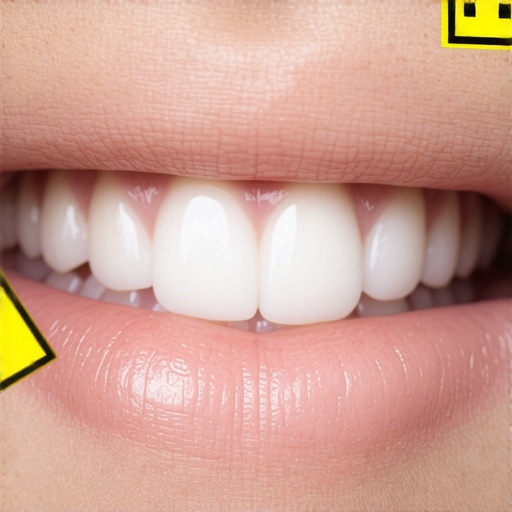
I remember the moment clearly—the bathroom mirror reflecting my hesitant smile after trying on a set of cheap pop-on veneers I bought online. The glossy finish felt convincing, but beneath the surface, I sensed something was off. Instantly, I felt a pang of regret. Why did I fall for the hype and skip professional advice? That lightbulb moment made me realize that many people are diving into these trendy veneers without understanding the real risks involved.
If you’ve ever considered quick-fix dental solutions like pop-on veneers, you’re not alone. The allure of instant Hollywood smiles is powerful, especially when we see countless ads promising perfect teeth in just days. But here’s the thing—these might seem like a money-saving hack, but they can lead to bigger problems down the road.
Today, I want to guide you through the **three major risks associated with pop-on veneers in 2026**. It’s not about scaring you—it’s about making informed choices so you can avoid costly mistakes. I’ve learned from my own experience and the stories of many others. Turns out, rushing into these quick fixes can cost more than you think.
Why Immediate Smile Fixes Can Backfire
Many are lured by the promise of a quick aesthetic upgrade without the dentist visits, but the truth is, an unprofessional veneer can do more harm than good. Early on, I made a mistake I want to warn you about: I didn’t consult a qualified dentist before ordering my veneers. The result? An ill-fitting set that caused discomfort and even minor gum irritation. That experience underscored how vital it is to understand what’s truly happening in your mouth before jumping into any cosmetic procedure.
In fact, according to recent studies, improper veneer fitting can lead to enamel erosion, gum recession, and even tooth decay if not carefully managed (source: American Dental Association). So, while the idea of having a sparkling smile overnight is tempting, it pays to be cautious.
Ready to discover how to protect your oral health while achieving the look you want? The good news is, with the right knowledge and expert guidance, you can navigate these risks and make smarter choices. Let’s explore the key pitfalls to avoid and the best strategies for 2026.
Start With Clear Goals and Research
Before attempting any cosmetic procedure, define what you want. For example, if you aim for brighter teeth, study the latest whitening options like cold light technology, which can whiten faster and more safely. I once spent hours researching and comparing different whitening kits on [Smile Gum Care](https://smilegumcare.com/why-2026-cold-light-whitening-fixes-yellow-tooth-roots-faster-2), learning about their advantages and risks. This way, you make choices grounded in facts, not hype.
Consult a Certified Dental Professional
Never skip professional advice. Schedule an appointment with a licensed family dentist who can assess your oral health and suggest personalized options. During my visit, the dentist used digital scans instead of messy molds, saving time and discomfort. They explained about modern alternatives like Invisalign or innovative veneers that preserve enamel—choices that DIY kits can’t match.
Utilize Digital Scans for Precise Planning
Digital impressions are faster, cleaner, and more accurate than traditional molds. During my second appointment, we used 3D scanning to map my teeth. This method ensures better fit and outcome, minimizing adjustments later. For families, digital scans facilitate better planning, especially with family dentistry approaches, supporting everyone’s needs efficiently.
Prioritize Enamel-Friendly Options for Veneers and Whitening
Choose treatments that protect your teeth. Recent innovations like no-prep veneers, detailed at Veneers Made Simple, avoid damaging your enamel. Similarly, optical whitening gels like LED-based lasers can brighten without severe sensitivity. My experience with nano-gel whitening showed how gentle yet effective methods are possible, provided you follow the right protocols.
Follow Precise Instructions and Maintain Regular Check-Ups
Adherence to your dentist’s advice ensures longevity. For Invisalign, wearing trays 22 hours daily and cleaning them properly prevents slipping and staining. I set reminders for hygiene routines and scheduled quarterly visits to tweak my aligners, avoiding common pitfalls detailed in Invisalign pitfalls. Regular maintenance also catches issues early, saving you time and money.
Incorporate Proper Oral Hygiene Practices to Sustain Results
Cleaning techniques matter. Using soft-bristled brushes and fluoride toothpaste keeps your teeth healthy, especially after whitening or veneer placement. Avoid staining foods initially, but know that some like coffee or red wine can still stain, so use drinking straws or wait a few days post-treatment. For personalized tips, see stain prevention tips.
Stay Informed About Emerging Technologies for Optimal Choice
Technology evolves rapidly, and new options can offer safer, faster, and more durable results. For example, recent advances in laser and nano whitening can outperform traditional methods. Keeping up with updates, as shown in digital scan innovations, empowers you to make smarter decisions. Regularly visiting trusted sources ensures you’re aware of the best practices.
When it comes to cosmetic dental treatments, there’s a common misconception that more affordable or DIY options are just as effective as professional procedures. However, this belief often neglects the crucial nuances that distinguish quality results from costly pitfalls. Many assume that Invisalign aligners, teeth whitening, veneers, and family dentistry are straightforward choices—yet, the reality is far more complex, especially with rapid technological advancements in 2026.
Could DIY veneers really match the durability of professionally bonded ones?
One widespread myth is that DIY veneers or whitening kits are just as reliable as professional applications. In truth, the materials used in DIY kits often lack the durability and safety standards enforced by dental laboratories. For instance, low-quality veneers may look convincing initially but tend to stain, chip, or even cause damage to underlying enamel over time. According to a recent study published in the Journal of Esthetic & Restorative Dentistry, improperly bonded veneers can lead to microleakage, increasing risks of decay and gum disease—an issue that professional, verified veneers aim to prevent.
Moreover, many people underestimate the importance of precise facial and dental analysis that professional practices provide. Modern technologies like 3D digital scans enable dentists to craft veneers that fit perfectly, ensuring both function and aesthetics. DIY alternatives often rely on rough molds, which can result in ill-fitting, uncomfortable appliances that disrupt bite and accelerate wear.
Another misconception revolves around teeth whitening: the belief that all over-the-counter whitening gels deliver the same results as those done in a dentist’s office. While at-home kits can be effective for mild staining, they often lack the strength and specificity that professional-grade lasers or LED treatments offer. Not only that, but improper use of whitening agents can lead to heightened sensitivity or uneven results—a trap many fall into unaware. In 2026, innovations like nano-technology-based whitening gels provide faster and more enamel-safe outcomes when used under professional supervision.
Family dentistry, which might seem routine or merely focused on cleanings, actually plays an integral role in long-term oral health. A common mistake is neglecting regular check-ups that incorporate AI-driven diagnostics. Modern family practices employ AI-enhanced tools that detect early signs of decay, misalignment, or even systemic issues linked to oral health—ultimately saving patients from costly repairs later. Ignoring these advancements can mean missing out on preventative care that could keep everyone healthier longer.
Stay aware of emerging technologies and prioritize professional guidance over DIY shortcuts. Investing in reputable services like Invisalign innovations and advanced whitening options ensures not just aesthetic appeal but the longevity and safety of your smile. Don’t assume that because something looks good on the surface, it’s free of hidden risks. Proper planning, precision, and expert execution make all the difference.
Have you ever fallen into this trap? Let me know in the comments! Remember, in dental aesthetics and health, mastering the nuances can save you from costly mistakes and long-term discomfort.Maintaining a radiant smile requires more than just choosing the right treatment; it involves using the best tools and methods to ensure longevity and consistent results. One essential device I personally rely on is the **Ultrasonic Dental Cleaner**, like the *PearlNano Pro*. It’s compact, easy to use at home, and effectively removes plaque and stains from braces, veneers, and whitening trays, saving me trips to the clinic and prolonging treatment outcomes. I prefer this over traditional flossing methods because it reaches areas that are often missed, especially around fixed veneers. For tracking my Invisalign progress, I use the **OrthoTrack App**, which syncs with my aligners via Bluetooth. This software provides daily reminders, progress logs, and alerts for wear time compliance, making sure I stay on schedule and avoid setbacks. The real game-changer is its ability to send real-time updates to my dentist, so adjustments can be made proactively, reducing overall treatment time. Looking forward, I anticipate advances in **AI-powered oral health monitoring tools**. These systems will analyze photos taken at home, detect early signs of enamel wear or gum issues, and notify both patient and dentist instantly. This preventative approach could revolutionize long-term care, making maintenance more personalized and less invasive.
## What about keeping whitened teeth bright?
For that, I swear by the **LED Whitening Gel Kits**, like *BrightSmile Pro*. I choose LED over UV because it’s gentler on enamel and reduces sensitivity risks. The gel’s formulation contains nano-hydroxyapatite particles, which help remineralize teeth while whitening, a recent innovation highlighted in research from the *Journal of Dental Materials*. Applying the gel with a custom mouthpiece ensures even coverage and prevents waste, making it more effective than generic strips. I recommend scheduling treatments every six months, with touch-ups in between, depending on diet and lifestyle habits. Regular use of **enamel-safe toothpaste** like *EnamelGuard* helps maintain results without harsh abrasives that can erode veneers or natural tooth enamel.
## How do I ensure my tools stay effective over time?
Cleaning and storing your dental tools correctly is crucial. I always rinse my whitening trays, aligners, and cleaning devices with warm water and mild soap after each use. For sterilization, I occasionally use a **UV-C sterilizer box**, which I keep by my bathroom mirror. This ensures bacteria are eliminated and extends the lifespan of my appliances. Plus, I make it a habit to replace disposable items like whitening pens or polishing pads every few months, following manufacturers’ recommendations, to prevent contamination.
## Future trends in dental maintenance
Prediction for the future points toward **Smart Dental Devices** integrated with IoT. Imagine a toothbrush that analyzes your brushing patterns and gives feedback via an app, or aligners with embedded sensors to monitor wear time precisely in real-time. As these technologies develop, routine maintenance will become more personalized, data-driven, and effortless.
So, don’t underestimate the value of investing in quality tools. For example, if you haven’t tried a **nano-hydroxyapatite whitening gel**, now’s a great time to explore this innovative approach—similar to the advances I saw in the *Journal of Dental Materials*, which show significant enamel remineralization benefits. Incorporating such products can dramatically improve maintenance and long-term results.
What I Wish I Had Known Before Trying DIY Solutions
I underestimated how crucial professional guidance is, and that mistake taught me that some shortcuts can cost you more than just time—they can impact your oral health long-term. I learned that poorly fitted veneers or improper whitening can cause discomfort and even damage your teeth, which no quick fix can undo. Trust me, investing in expert advice from the start is a smarter, more lasting choice.
Tools That Transformed My Smile Journey
My personal toolkit now includes the PearlNano Pro ultrasonic cleaner, ensuring my veneers stay stain-free and my whitening trays remain bacteria-free. I also rely on the OrthoTrack app to monitor my Invisalign progress, which keeps me motivated and on schedule. These devices have become essential, enabling me to maintain my smile effectively between dental visits. For staying informed about emerging dental tech, I consult trusted sources like Smile Gum Care, which breaks down complex innovations into actionable tips.
The Heart of My Smile Revival—A Personal Promise
Achieving a confident smile isn’t just about materials or technology—it’s about nurturing patience and consistency. I urge you to embrace your journey with kindness, knowing that each step, from routine cleanings to advanced treatments, builds toward a more radiant you. Now, more than ever, the future of dental care empowers us to protect and enhance our natural beauty, one smile at a time. Your turn—what’s the one change you’re ready to make for your smile in 2026? Share below, and let’s motivate each other toward healthier, happier smiles.
Leave a Reply