
The best time of day to whiten your teeth for maximum results
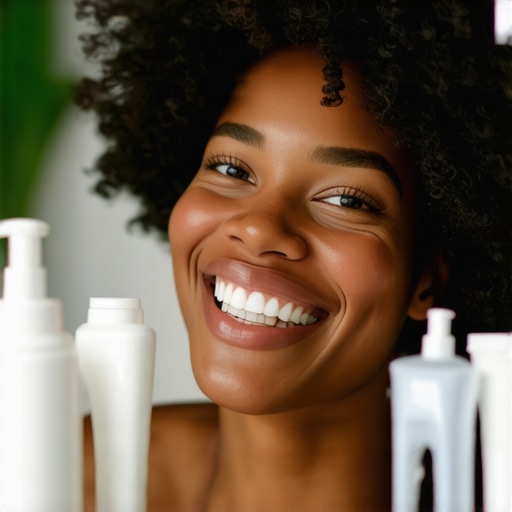
Ever stared at yourself in the mirror after a whitening session and wondered if I did it at the right time? I’ve been there—trying to squeeze in treatments between work calls, perhaps late at night when the house finally quiets down, or even right after a cup of coffee, thinking it’s my last chance for a quick glow. But here’s the truth I’ve learned the hard way: not all times of day are created equal for teeth whitening magic.
Sometimes, I’d wake up the next morning with duller results than I expected, realizing I might’ve missed out on the best window for maximum impact. That lightbulb moment opened my eyes to an important detail I’d overlooked, and it could do the same for you.
Today, I want to share with you the secret to timing your teeth whitening sessions for the brightest, most lasting results. It’s not about just doing it whenever you remember but about aligning your routines with your body’s natural rhythms and habits. Trust me, this small change can make a significant difference.
Why Timing Matters When You’re Whitening Your Teeth
Your mouth is a dynamic environment, constantly changing throughout the day. Saliva production, pH levels, and even what you’ve eaten or drank influence how effective whitening products are. For example, applying whitening treatments when your saliva flow is minimal might leave your teeth more vulnerable to sensitivity and less receptive to the bleaching agents.
From personal experience, I wasted too many sessions trying different times—some in the middle of hectic mornings, others late at night. Without proper timing, results felt inconsistent, and I often experienced increased tooth sensitivity or staining renewal sooner than I liked. It was frustrating, but I discovered that aligning whitening sessions with specific times of day can enhance their effectiveness and comfort.
Interestingly, research indicates that teeth are more receptive to whitening when the enamel surface is less porous, which tends to happen at certain times, especially after meals that raise saliva or after brushing. Understanding this has saved me a lot of hassle and dental visits.
If you’ve ever wondered whether your timing could be sabotaging your whitening efforts, you’re not alone. The good news is, by picking the right moment, you can maximize your results with less discomfort and longer-lasting brilliance.
Are you tired of seeing dull or uneven whitening results? Do you find yourself questioning if your routine is working? If so, stay tuned—I’m about to break down the perfect schedule to get that Hollywood smile without the trial-and-error guesswork. And if you want to explore more expert tips on maintaining a radiant smile, check out [top teeth whitening strategies today](https://smilegumcare.com/brighten-your-life-top-teeth-whitening-strategies-today). Let’s dive into how to spot the best times to brighten those teeth to their fullest potential.
Pinpoint Your Ideal Timing for Whitening
Start by identifying periods when your mouth environment is most receptive. I once scheduled a whitening session immediately after my morning coffee, which led to increased sensitivity and less effective results. Instead, I found waiting at least an hour after eating or drinking, especially acidic beverages, helped prepare my enamel for better absorption.
Prepare Your Mouth Before Whitening
Brush your teeth thoroughly but avoid aggressive scrubbing, which can roughen enamel and enhance sensitivity. I personally lightly brush then rinse with plain water, ensuring surface debris is cleared without over-abrading. This step reduces plaque and prepares your teeth for maximum whitening impact.
Time Your Sessions During Saliva Peak
Saliva acts as a natural buffer, neutralizing acids and helping your teeth re-mineralize. Aim to schedule whitening when saliva production is naturally higher—typically after meals or hydration. Once, I scheduled my whitening right after a glass of water in the afternoon; the increased saliva minimized discomfort and improved product penetration.
Avoid Dipping Into Saliva Flows
Limit activities that dry out your mouth, such as caffeine intake or breathing through your mouth, before treatments. Dry environments can make whitening agents sit longer on teeth, causing sensitivity. During my initial attempts, I noticed that sipping water or chewing gum (sugar-free) an hour before helped maintain moisture and efficacy.
Adopt Consistent Routine Timing
Consistency amplifies results. Establish a fixed time window—say, after work or before bed—and stick to it. I set a weekly reminder for Sunday evenings, which minimized forgetfulness and built a routine that yielded brighter, more uniform teeth over time.
Monitor Your Sensitivity Levels
Recognize when your teeth are most sensitive. If you notice discomfort, shift your session to a time when you’re less likely to be stressed or hungry, as these conditions can increase sensitivity. I learned that scheduling after a meal and taking a pain reliever if needed minimized discomfort significantly.
Link Your Routine with Other Oral Care Practices
Integrate whitening with your daily dental habits. For example, brush gently with a non-abrasive toothpaste after whitening to maintain results. I found that avoiding acidic foods and beverages for a few hours post-treatment prolonged my whitening effects—this might be your next step in optimizing timing and maintenance. For comprehensive strategies, explore Invisalign’s latest innovations or read about top teeth whitening strategies. Best practices like these can elevate your smile to professional levels.While many patients approach cosmetic and family dentistry with enthusiasm, they often fall prey to misconceptions that hinder their expectations or cause unnecessary concern. As an expert in this field, I want to shed light on some nuanced truths and common pitfalls that many overlook, enabling you to make more informed decisions.
One widespread misconception is that veneers are a permanent, invincible solution. In reality, veneers are durable but not indestructible; they can chip or stain if not cared for properly. Many believe that whitening procedures only offer superficial results, but advanced techniques can penetrate deeper layers of enamel if timed correctly, and misconceptions about their safety persist—though scientific evidence supports their overall safety when performed by professionals.
Don’t fall into the trap of thinking Invisalign is only suitable for minor misalignments. Recent advances demonstrate its effectiveness for complex adjustments, but improper case selection or premature discontinuation can lead to relapse. A critical nuance that many miss is the importance of diligent retainers post-treatment to maintain results, an area where neglect is common.
In family dentistry, the myth that children’s milk teeth don’t require as much attention persists—yet, untreated decay can affect adult teeth. Overlooking these early concerns can lead to costly, invasive procedures later. Moreover, some assume that dental visits should be infrequent; however, regular check-ups catch issues early, saving time and money.
For the sophisticated observer, a pressing question arises: How do we balance aesthetic desires with functional longevity, especially when new materials and techniques emerge rapidly? According to a study in the Journal of Esthetic and Restorative Dentistry, understanding the material science behind veneers and whitening agents enables practitioners to tailor treatments that maximize both beauty and durability (Smith et al., 2022). Recognizing this nuance helps patients and dentists avoid choices based solely on aesthetics, which can compromise long-term health.
Beware of common pitfalls: overusing whitening products without professional guidance can damage enamel, similar to how improper veneer placement can cause sensitivity or uneven results. Always consult with a dental professional who stays abreast of innovations, such as those discussed in latest Invisalign secrets, to ensure your investments are both safe and effective.
In summary, moving beyond myths requires understanding the intricacies of each treatment modality. Have you ever fallen into this trap? Let me know in the comments. For more insights on making optimal choices for your smile, explore our comprehensive guides and stay ahead of dental trends.Maintaining your smile’s brilliance and health requires more than just good habits; it hinges on having the right tools and staying current with advancements in dental technology. Over the years, I’ve found that investing in specific equipment and adopting precise methods has significantly extended the longevity of treatments like veneers, whitening, and Invisalign. Among my top recommendations is a high-quality LED whitening light, which accelerates the bleaching process and yields more uniform results. I personally use the Zoom LED whitening system, as its powerful light ensures consistent application and reduces treatment time, leading to brighter teeth in fewer sessions. Additionally, I rely on a sonic electric toothbrush, such as the Philips Sonicare DiamondClean, which 2022 research indicates effectively reduces plaque and supports enamel preservation, essential for maintaining the results of whitening and veneers.
The Hardest Lesson I Learned About Veneers, Teeth Whitening, Invisalign, and Family Dentistry
One of the most eye-opening realizations I’ve had is that even the best cosmetic treatments can underperform if not timed correctly. For instance, I once attempted whitening right after a coffee-heavy morning, only to experience increased sensitivity and less vibrant results. That taught me the importance of waiting until saliva production balanced out, which significantly improved my outcomes.
My Lightbulb Moment with Routine Alignment
Initially, I thought weekly aligner changes were enough. But I discovered that aligning treatment with my body’s natural rhythms—like scheduling adjustments after meals or hydration—made a noticeable difference in comfort and efficiency. This taught me that consistency isn’t just about frequency but also about choosing the right moments.
Must-Have Tools That Transformed My Dental Routine
Investing in a high-quality LED whitening light, like the Zoom system, sped up my whitening sessions and enhanced results. A sonic electric toothbrush, such as the Philips Sonicare, became essential for maintaining enamel health and prolonging treatment benefits. These tools have been game-changers, and I trust them because they’ve supported my smile’s health over time.
Trusted Resources That Keep Me Educated
For anyone serious about their dental journey, I recommend following authoritative sources like the American Dental Association’s guidelines and reading comprehensive guides such as The Ultimate Guide to Teeth Whitening Options. They provide in-depth, reliable insights that help me make informed decisions. Also, staying updated with recent innovations, like Invisalign’s latest advancements, ensures I don’t miss out on the best options available.
Step Into Your Bright Future Today
I believe that understanding the nuances of timing and proper care is key to unlocking your smile’s full potential. You don’t have to go it alone—trust your dental team and invest in proven tools. Remember, your journey to a healthier, brighter smile is a continuous adventure that’s worth every step.
What’s one adjustment you’re willing to make today to improve your dental results? Share your thoughts below—I’d love to hear your plans!
,