
How to keep your teeth white while wearing traditional metal braces
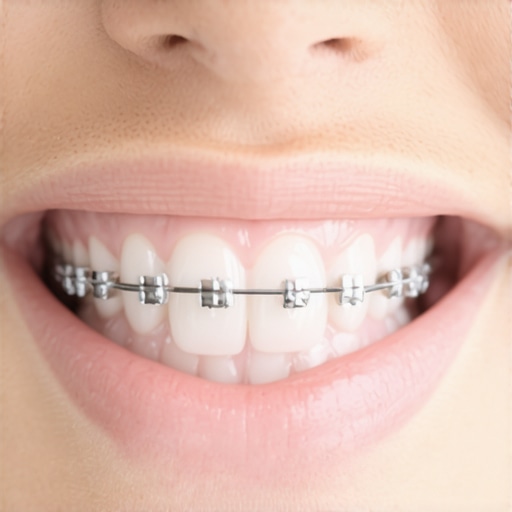
I vividly remember the moment I finally got my braces adjusted after months of waiting—and then realizing my smile was starting to look duller than before. It was like my teeth had succumbed to a yucky film, and no matter how much I brushed or flossed, those stubborn stains lingered. If you’ve been there, you know that keeping teeth white during orthodontic treatment can feel like an uphill battle. The shiny, bright smile you envision can seem just out of reach when you’re sporting metal brackets and wires that trap food and stain-causing plaque.
Why Maintaining a Bright Smile with Braces Is More Challenging Than You Think
Wearing traditional metal braces definitely upgrades your smile in the long run, but it comes with its own set of challenges—especially when it comes to keeping your teeth looking radiant. The brackets and wires act like tiny magnets for plaque and food particles, which can quickly turn your pearly whites into a canvas for staining. Over time, even diligent brushing may not fully prevent discoloration around those hardware spots. Plus, certain foods and drinks—think coffee, red wine, berries—are notorious for staining, and braces make cleaning those stains even trickier.
Early in my own orthodontic journey, I made the mistake of assuming that regular brushing was enough. I didn’t realize how much more careful I needed to be about what I ate and how I cleaned around my brackets. That oversight led to visible stains and a less confident smile. Research shows that improper cleaning habits can lead to extrinsic staining and even early enamel decay—definitely not the look I was going for. (Source: The Ultimate Guide to Teeth Whitening Options in 2025)
What We Will Discover Today
But don’t worry! In this post, I’ll share practical, tried-and-true tips on how to keep your teeth white while you’re wearing braces. From effective brushing techniques to diet tweaks and stain prevention hacks, you’ll learn everything you need to maintain that dazzling smile throughout your orthodontic journey. If you’ve ever felt frustrated by stubborn stains or wondered how others keep their teeth so white with braces, you’re in the right place. Let’s dive into steps that can truly make a difference in your smile’s brightness—and your confidence to show it off!
Is It Really Possible to Keep Teeth White with Metal Braces?
Initially, I believed that braces would tarnish my hopes of a sparkling smile forever. I thought only advanced cosmetic options like veneers or Invisalign could deliver that bright result. But I learned early on that, with proper care and smart habits, you can definitely combat stains and maintain a vibrant smile. I made the mistake of neglecting my brushing routine early in the process—don’t let that be you! For more tips on how to maximize your whitening efforts during braces, check out Top Teeth Whitening Strategies Today.
Brush Effectively Around Brackets
Begin with a targeted brushing technique. Use a soft-bristled toothbrush and a fluoride toothpaste, angling it at 45 degrees against your brackets. I once spent an afternoon meticulously brushing around each bracket, making sure to reach the gum line. The result was a noticeable reduction in plaque buildup and stains, proving that precision beats brute force in maintaining whiteness.
Use an Interdental Brush for Hidden Spots
An interdental brush is a game-changer. Slide it gently between your brackets and wires to dislodge trapped food particles. I remember struggling with stubborn debris after eating berries; a quick swipe with the brush made all the difference. Incorporate this step into your routine to keep those hard-to-reach areas clean, preventing stain accumulation.
Adjust Your Diet to Protect Your Investment
Steer clear of highly staining foods and drinks—like coffee, red wine, or blueberry smoothies—especially when you have braces. Instead, opt for crunchy vegetables and cheeses that act as natural toothbrushes, helping to scrub away potential stains. I once replaced my berry smoothies with apple slices and cheese sticks, which surprisingly kept my teeth whiter longer. Think of your diet as the paintbrush that either brightens or dulls your smile.
Implement Rinsing to Minimize Stains
After meals, rinse your mouth with water or a whitening mouthwash. This simple act washes away residual staining agents before they settle in. I found that carrying a small water bottle to school allowed me to rinse after snacking, creating a quick barrier against stains. This step is quick but effective—your teeth are like a surface that needs constant maintenance to stay shiny.
Embrace Whitening Products Wiseley
Choose enamel-safe whitening toothpaste formulated for sensitive teeth, and use it as part of your daily regimen. Wait a few weeks after getting braces before starting any peroxide-based whitening treatments—consult your dentist first. I experimented cautiously by applying whitening gel during one particularly stain-prone holiday, which finally gave me the glow I wanted. Remember, not all whitening methods suit braces; always check with professionals.
Schedule Regular Dental Checkups
Periodic cleanings and evaluations are crucial. Your dentist can identify early signs of staining or enamel erosion related to braces. During my routine checkup, the hygienist used a special ultrasonic scaler that effortlessly removed surface stains, restoring my smile’s brightness. Regular visits ensure your whitening efforts are effective and any issues are promptly addressed.
Leverage Technology for Better Results
Consider discreet options like Invisalign which are easier to clean and less stain-prone, or professional whitening treatments recommended by your orthodontist. I remember a consultation where my dentist used an LED whitening light combined with custom trays, dramatically enhancing my results. Think of technology as the turbocharger that accelerates your journey to a radiant smile.
By integrating these practical steps into your routine, you can keep your teeth looking white and vibrant—even with braces. Remember: consistency is key, and small daily actions compound over time to produce stunning results.
Many individuals assume that cosmetic dental procedures like veneers and teeth whitening are simple solutions that instantly transform their smiles without pitfalls. However, even experienced dentists warn that misconceptions abound—especially among those eager for quick fixes. For example, many believe that veneers are permanent and require no maintenance, but in reality, they can chip or stain over time if not properly cared for. Similarly, there’s a myth that Invisalign aligns teeth faster than traditional braces—yet, in some complex cases, braces may actually be more efficient. Recognizing these nuances can save you from costly or ineffective treatments.
Are You Overlooking the Hidden Risks of Cosmetic Dentistry?
One common mistake is neglecting the importance of understanding how individual factors influence outcomes. For instance, veneers require careful planning and assessment to ensure they suit your bite, enamel health, and aesthetic goals. Failing to do so can lead to issues like increased sensitivity or the need for replacements earlier than expected. Moreover, many overlook the fact that teeth whitening, if performed excessively or with inappropriate products, can weaken enamel and cause long-term damage—something dental experts like Dr. William K. Rasey emphasize (see his recommendations here). This underscores the importance of consulting with professionals who understand the subtle details that impact longevity and safety.
When it comes to family dentistry, a common misconception is that routine cleanings are solely about aesthetics. But in truth, thorough checkups can detect early signs of decay, gum disease, or even systemic health issues. Skipping these visits may seem harmless, but it can lead to complex problems down the line, often requiring more invasive or costly interventions.
And about teeth whitening—while many are tempted by over-the-counter strips or whitening toothpaste, research indicates that these often provide minimal results or uneven coloration (more details here). Professional whitening treatments, overseen by your dentist, are the only reliable way to ensure safety and consistent results.
So, what should you keep in mind? Always question the promises of quick fixes. Comprehensive evaluation and personalized treatment plans—like those outlined in expert veneer tips or Invisalign secrets—are critical to achieving long-lasting, natural results. The key is understanding the nuances and avoiding common traps that can compromise your dental health.
Remember, the goal is not just a bright smile but a healthy, sustainable one. Always consult with experienced dental professionals who can guide you through that process—professional guidance often makes all the difference. Have you ever fallen into this trap? Let me know in the comments and share your experiences!
Maintaining a beautiful, healthy smile over the years demands more than just routine brushing and occasional dental visits. It requires the right tools and techniques that can stand the test of time. One of my favorite investments is a high-quality electric toothbrush like the Philips Sonicare DiamondClean. Its sonic technology effectively disrupts plaque and reaches deep into hard-to-clean areas, making it a must-have for those with braces, veneers, or undergoing teeth whitening treatments. I personally swear by it because it ensures consistent cleaning power, which manual brushes often lack. Regular use of this device has helped me maintain my smile’s brightness and health, even with the challenges posed by orthodontic appliances.
Another essential tool is a water flosser, such as the Waterpik Water Floss. Unlike traditional floss, it uses a gentle stream of water to remove debris from between teeth and around dental appliances. I prefer it because it simplifies daily flossing, especially when I have braces or Invisalign, where threading floss can be cumbersome. Moreover, studies suggest that water flossers can significantly reduce gingivitis and plaque buildup when used correctly over time, which is crucial for long-term dental health. Incorporating it into my routine has noticeably improved my gum condition and preserved my veneers’ appearance.
To complement these tools, I rely on a saliva-equalizing mouthwash designed for sensitive and stained teeth. My current favorite is a whitening formula with enamel-friendly ingredients—it’s gentle yet effective at maintaining my teeth’s whiteness. Regular rinsing with such mouthwash helps neutralize acids and remineralize enamel, which is critical especially after professional whitening sessions or while wearing veneers. I recommend choosing mouthwashes that are approved by dental professionals to ensure long-term benefits and safety.
Looking ahead, as technology advances, I predict that smart toothbrushes equipped with app connectivity and real-time feedback will become standard in personalized dental care. These devices can track brushing patterns, pressure, and coverage, offering data-driven insights to optimize cleaning routines.
How do I sustain these tools’ effectiveness over time? Regular replacement of brush heads—typically every three months—is vital. Additionally, cleaning devices like water flossers after each use ensures they remain hygienic and operational. Consider setting reminders for replacements or cleanings to stay consistent. Also, keeping a maintenance routine for all devices prolongs their lifespan and effectiveness, saving you money and ensuring your dental health stays on track.
For those curious about more advanced strategies, I highly recommend exploring the detailed recommendations in this guide on teeth whitening. The future of dental tools is leaning toward smarter, more integrated solutions that adapt to your unique oral health needs. Embracing these innovations can make a real difference in your long-term dental journey. So, why not try adding a water flosser to your routine today? It could be the game-changer your smile needs.
The Hidden Wisdom I Wish I Knew About Maintaining That Radiant Smile
One of the most eye-opening lessons I learned was that consistent, tailored oral care routines make all the difference. Blindly following generic advice won’t give you the results you desire, especially with braces or veneers. Personalizing techniques — like using an interdental brush to reach tricky spots or adjusting your diet to prevent staining — can profoundly impact your smile’s brightness and health.
Another insight: patience and proactive communication with your dentist are essential. Waiting until issues become obvious—like stubborn stains or sensitivity—can limit your options. Instead, regular check-ins and staying informed about your treatments can save you time, money, and discomfort. Remember, your smile is an investment; nurturing it with expert guidance and customized care ensures it shines longer.
Lastly, embracing new technology and tools—such as high-quality electric toothbrushes or water flossers—sets a foundation for lifelong dental health. These might seem like small steps, but they accumulate into a radiant, confident smile you’ll love sharing. Trust me, mastering these personal care habits during your orthodontic journey pays off in ways you never anticipated.
Tools That Boost Your Results and Confidence
Beyond the basics, I rely on a few trusted resources that truly transformed my dental routine. A top-tier electric toothbrush like the Philips Sonicare DiamondClean ensures a thorough clean, reaching all those difficult spots around braces or veneers. Paired with a water flosser, such as the Waterpik, I simplify my daily flossing and prevent plaque buildup effectively.
Additionally, professional-grade whitening products supervised by your dentist can help maintain your smile’s brilliance without risking damage. My go-to? A trusted whitening varnish recommended during routine checks, which keeps stains at bay without overexposing my enamel. For comprehensive results, well-organized dental checkups ensure early detection of any issues and refine your whitening or orthodontic plans as needed. These tools and strategies, combined, form a reliable toolkit for a radiant, healthy smile that stands the test of time.
Empower Your Smile’s Future Today
Every step you take toward better oral health and whitening during your orthodontic journey is an act of self-care and confidence-building. Whether it’s adjusting your diet, investing in quality tools, or scheduling regular visits, each action brings you closer to your ideal smile. Remember, the journey may have its hurdles, but with persistence and expert support, you’ll not only enjoy an incredible appearance but also the health and vitality that come with it. Your future smile is a reflection of the care you put in today—so start now and embrace the transformation!
Are there specific challenges you’ve faced maintaining your smile with braces or veneers? Let me know below—I’d love to hear your story and share more tips if I can!