
The best toothpaste for kids who hate the taste of mint
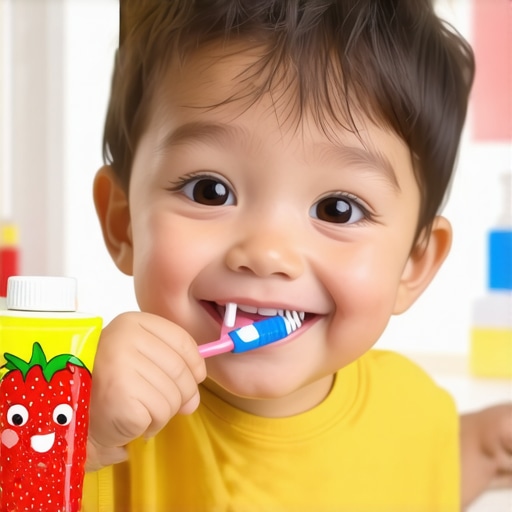
I remember the exact moment I realized my youngest hated toothpaste. He gagged, played with his brush, and outright refused every morning. It was frustrating—how do you get your child to brush when even the mildest mint flavor revolts them? That lightbulb moment pushed me to dig deeper because I knew the importance of oral hygiene, but the taste was a barrier. Today, I’ll share how I found the best toothpaste options that make brushing a pleasant experience for kids who can’t stand mint. If your child struggles with traditional flavors, don’t worry—I’ve been there, and there’s hope.
Why Choosing the Right Toothpaste Matters More Than You Think
Kids’ oral health isn’t just about clean teeth; it shapes their lifelong habits. But when the flavor clashes with their preferences, brushing becomes a battle—sometimes leading to skipped sessions and cavities. According to the American Dental Association, regular brushing with a suitable toothpaste significantly reduces the risk of dental issues in children. Yet, for kids who despise mint, standard options can be counterproductive. The key is to discover alternative flavors that encourage consistent brushing, building healthy habits from a young age.
Is It Really Worth All This Fuss Over Flavors?
Initially, I dismissed the importance of flavor beyond freshness, thinking any toothpaste would do. But making that mistake cost me precious time and stress—my child’s dental health suffered due to inconsistent brushing. The truth is, flavor plays a crucial role in a child’s willingness to brush regularly. Finding a toothpaste they enjoy is not a luxury; it’s a necessity for fostering good dental routines.
For more insights on maintaining a healthy smile for your family, check out our family dentistry tips. Now, let’s explore how you can identify the best non-mint toothpaste options tailored for your child’s tastes and needs.
Identify Tastes Your Child Loves
Start by asking your child about flavors they enjoy outside of mint—perhaps fruity, bubblegum, or vanilla. During a calm moment, let them sample small amounts of different flavored toothpastes to gauge their preferences. I once bought a variety pack and sat with my son at the kitchen table, tasting each flavor together. When he chose a berry-flavored toothpaste, I knew I was onto something that could turn brushing into a more inviting activity.
Gradually Introduce Alternative Flavors
Don’t expect your child to switch flavors overnight. Mix small amounts of the new flavor with their existing toothpaste to ease the transition. For example, replace half of their usual paste with the new flavor for a week, then gradually increase the non-mint component. I found that creating a tasting schedule helped prevent resistance—after a few days, my son was happily brushing with berry-flavored paste, no longer resisting the routine.
Make Oral Hygiene Fun and Engaging
Use visuals or stories to motivate your child. Create a chart to track progress, rewarding consistent brushing with stickers or small prizes. Incorporate songs about brushing or tell stories involving their favorite characters brushing their teeth. During one memorable morning, I sang a silly song about brushing with a new-flavored toothpaste, which made my child laugh and eagerly complete his session. Turning routine into play encourages positive associations.
Read Labels Carefully and Seek Specialized Options
Look for toothpastes formulated for kids with mild flavors and without harsh ingredients. Some brands now produce fluoride-free options in gentle, appealing flavors—berry, watermelon, or bubblegum—that are specifically designed for children sensitive to mint. I recommend visiting our contact page if you’re unsure, or you can explore expert recommendations on family dentistry tips. These choices help ensure your child’s comfort while maintaining effective oral hygiene.
Involve Your Child in Selection
Letting children pick their toothpaste can boost their willingness to brush. Take them shopping and have them choose among several non-mint options, making the process a fun outing rather than a chore. I once took my daughter to the local store, and she excitedly selected a watermelon gel, which she now associates with a positive brushing routine. Empowering your child with choices fosters independence and enthusiasm.
Seek Professional Advice When Needed
If your child continues rejecting non-mint toothpastes, consult your dentist for personalized recommendations. They might suggest specialty products or even flavorless pastes temporarily. Trust me, a quick chat during your next visit can make all the difference—dentists are well-versed in solutions for sensitive or resistant children. You can even schedule a consultation through our contact page for tailored support.
Many assume that veneers are a quick fix for any cosmetic concern, but in reality, they require careful consideration of your unique dental structure and long-term oral health. The common myth is that veneers are purely aesthetic and can be applied universally without potential drawbacks. However, improperly planned veneer placement can lead to issues like tooth sensitivity or damage to existing tooth structure, especially if the underlying health isn’t thoroughly evaluated. In my experience, a customized approach, considering factors like bite alignment and enamel thickness, yields far better results.
Are veneers suitable for everyone, or could they cause more harm than good in certain cases? The answer lies in understanding the subtle nuances of your dental anatomy and consulting experienced professionals who can tailor treatments accordingly. According to experts from the American Academy of Cosmetic Dentistry, misjudging these factors can result in increased sensitivity or even the need for corrective procedures later on. Be cautious of clinics that promote veneers as a universal solution without comprehensive diagnostics.Common Misunderstandings About Family Dentistry
There’s a frequent misconception that visiting the dentist annually is sufficient for adult oral health. While routine checkups are vital, neglecting personalized care plans can lead to overlooked issues, especially in children whose developing teeth require specific attention. For example, some parents underestimate the importance of early orthodontic assessments, which can prevent complex problems down the line. As I emphasize in our family dentistry tips, proactive measures like fluoride treatments and sealants can greatly reduce cavity risk. Plus, educating children about proper brushing and diet habits during dental visits fosters lifelong healthy behaviors.
Invisalign: Not Just Discreet but Also Nuanced
The myth here is that Invisalign suits everyone seeking straight teeth. While it’s a fantastic option for mild to moderate cases, severe misalignments or bite issues might require traditional braces or other interventions. Overlooking this nuance can delay progress or cause dissatisfaction. Advanced users know that clear aligners demand discipline—wearing them consistently and maintaining proper hygiene is crucial. Additionally, Invisalign’s effectiveness depends on precise treatment planning, including the monitoring process, which often involves regular check-ins. To truly take advantage of Invisalign’s benefits, understanding these subtleties and working with an experienced orthodontist matters immensely.
Teeth Whitening: Beyond Surface Brightness
Many believe whitening treatments are a miracle cure for stained teeth, but they often overlook the underlying causes of discoloration. For example, intrinsic stains caused by tetracycline use or trauma won’t respond well to bleaching. Moreover, overusing whitening products can lead to enamel erosion, increasing sensitivity and vulnerability. A smarter approach involves assessing the type of stain and choosing a suitable method—whether professional whitening, veneers, or alternative cosmetic options. The secret is moderation and proper diagnosis, backed by scientific research like the comprehensive review published in Dental Materials, showing that over-the-counter products vary widely in effectiveness and safety.
By understanding these nuances, you can make informed choices that safeguard your long-term oral health. Always consult with a trusted dental professional to tailor solutions to your specific needs, rather than rely solely on generic advice. Want more insights? Reach out through our contact page for personalized guidance or explore our detailed articles and expert tips on each topic.
Keep It Working with the Right Tools and Strategies
Maintaining your dental treatments, whether veneers, Invisalign, or teeth whitening, is essential for preserving their aesthetic appeal and functional integrity. Over the years, I’ve refined a toolkit of specialized equipment and routines that have proven invaluable in my practice and personal care. One key component is investing in high-quality electric toothbrushes like the Oral-B iO series, which combines ultrasonic cleaning with smart sensors to ensure thorough plaque removal without damaging sensitive restorations. These devices can be connected via app on your smartphone, providing real-time feedback and personalized coaching.
Another tip I cannot recommend enough is the use of interdental cleaning tools tailored to your specific dental work. For instance, soft rubber tip brushes or water flossers like Waterpik are gentle yet effective, especially for cleaning around veneers or braces, where traditional floss might struggle. Using these tools nightly prevents plaque buildup and prolongs the lifespan of your dental investments.
Regarding long-term results, scheduling regular professional check-ups—at least biannually—is crucial. Your dentist will perform maintenance procedures, monitor for early signs of wear or damage, and provide professional cleanings that go beyond what home tools can achieve. During these visits, consider an ultrasonic scaler with a PIEZON system, which efficiently removes tartar safely around delicate restorations. This combination of high-tech equipment and disciplined home routines markedly reduces the risk of failures and the need for costly repairs.
How do I maintain my veneers and Invisalign over time?
To preserve veneers, avoid biting into extremely hard foods and always wear a mouthguard if you grind your teeth at night. For Invisalign wearers, maintaining consistent tray usage—typically 20-22 hours daily—is critical for continued progress. Incorporate cleaning solutions like Invisalign cleaning crystals, which keep the trays clear and bacteria-free, and rinse thoroughly after each removal. Keep an eye on your aligners for cracks or discoloration, and schedule prompt replacements if you notice any issues. Using an ultrasonic cleaner designed for dental appliances can also help keep your aligners pristine, as recommended by dental professionals in our Invisalign secrets article.
Looking ahead, advances in technology will likely bring even smarter, more effective tools—such as AI-powered diagnostic apps that analyze wear or damage in real-time. It’s exciting to think these innovations will make maintenance even easier, ensuring your smile stays flawless for decades. For now, implementing a combination of top-tier equipment and disciplined routines is your best strategy.
If you’re eager to elevate your maintenance game, I recommend trying an ultrasonic cleaner tailored for dental appliances—it’s a game-changer in prolonging the health and appearance of your restorations. For personalized guidance or to discuss your specific needs, don’t hesitate to contact us through this link.
What I Didn’t Expect About Veneers and Smile Makeovers
One of the most surprising lessons I learned was that even the most beautiful veneers can look unnatural if not properly planned. I once trusted a clinic that promised quick results, only to realize later that their one-size-fits-all approach didn’t suit my facial features. This taught me the importance of personalized treatment plans and the value of seeking second opinions. The right cosmetic dentist doesn’t just transform teeth—they craft smiles that harmonize with your unique personality and appearance.
Uncovering My Best Tools for Family Dentistry Success
After years of navigating family dentistry, I’ve discovered that quality tools make all the difference. From kid-friendly toothbrushes and flavored floss to high-tech water flossers, investing in the right equipment has helped instill good habits in my family. Trustworthy brands like Waterpik and trusted resources like our family dentistry tips page have been game-changers. They remind me that staying organized and consistent is key to maintaining lifelong oral health for everyone in the family.
Why Celebrating Small Wins Keeps Your Smile Goals Alive
I realized that focusing solely on perfect results can be discouraging. Instead, celebrating small successes—like a week of consistent Invisalign wear or trying a new fun flavor of toothpaste—creates motivation and builds confidence. These tiny victories made the journey enjoyable rather than stressful. Remember, progress isn’t always linear, but every step forward is a step closer to a healthier, happier smile.
Where Motivation Meets Practicality in Dental Care
Combining emotional commitment with practical strategies has transformed my approach to dental health. Creating daily routines, setting reminders, and rewarding self-care moments help turn dental tasks into positive habits. For instance, I now use a vibrating electric toothbrush with smart sensors, which makes brushing feel like a fun, rewarding activity. Implementing these tips from our teeth whitening strategies guide has truly made a difference in my routine, and I believe it can do the same for you.
Curated Inspiration for Your Smile Journey
Over the years, I’ve found that reading insightful books and following expert advice fuels motivation. ‘The Smile Makeover Bible’ offered invaluable insights on cosmetic procedures, while trusted websites like our dedicated smile transformation resources continue to guide my choices. Also, engaging directly with professionals through trusted contacts, like in our contact page, ensures my decisions are informed and personalized. These sources help me stay inspired and confident in achieving my dream smile.
Your Next Step Starts Now
Remember, your journey toward a radiant smile is uniquely yours. Whether it’s exploring veneers, perfecting family dental routines, or understanding Invisalign better, each step is an investment in your confidence and well-being. Don’t wait for perfection—start with a small, meaningful action today, like scheduling a consultation or trying a new oral care product. Your future smile is waiting to shine brighter than ever before. Want to share your own dental journey? Let me know below—I’d love to hear about your experiences and goals in achieving that perfect smile.