
The best way to soothe a toddler’s teething pain at night

I remember standing in the middle of my kitchen at 3:14 AM, the linoleum floor freezing under my bare feet, holding a screaming eighteen-month-old who seemed possessed by a tiny, invisible demon. Every time I tried to lay him down, the shrieking hit a frequency I didn’t know human vocal cords could reach. I was exhausted, he was miserable, and my husband was frantically Googling ‘how to stop teething pain’ for the hundredth time that week. It felt like we were failing at the most basic part of family dentistry—keeping our kid comfortable. That night was my breaking point. I realized that the generic advice from the back of a teething gel box wasn’t going to cut it. We needed a real-world strategy that actually worked when the lights were out and the house was silent. Today, I’m going to share the exact methods I used to turn those high-stress midnight marathons into peaceful nights, focusing on what actually helps a toddler settle down when those molars are moving.
Early on, I made a classic rookie mistake: I thought if a little bit of cold was good, an ice-cold, frozen-solid washcloth would be better. I ended up making his gums bleed because the fabric was too abrasive and the temperature was too extreme for his sensitive mouth. It was a heart-wrenching lesson in ‘more is not always better.’ I also learned that creating a healthy smile for your kids starts with gentle care, not aggressive interventions. Have you ever found yourself pacing the hallway at midnight, wondering if those stubborn molars will ever just break through already? Drop a comment or message me; I’ve been there, and I know exactly how isolating that 2 AM silence feels.
Stop the 2 AM Meltdown Before It Starts
The secret to a quiet night isn’t found at 2 AM; it’s built during the two hours before bedtime. Nighttime teething pain is often worse because there are no distractions. During the day, your toddler is busy playing, but at night, all they can feel is that throbbing pressure in their jaw. I found that a heavy dose of ‘gum counter-pressure’ right before the pajamas go on makes a world of difference.
Is all this effort actually worth the hype?
You might be skeptical. After all, every kid is different, and some nights feel like nothing works. But consistency is your best friend here. According to the American Academy of Pediatrics, while teething can cause irritability and drooling, it rarely causes a true high fever, so if you’re seeing a spike in temperature, it’s likely something else entirely. Understanding the difference helped me stop over-treating ‘teething’ when my son actually had a minor ear infection. When you focus on legitimate soothing techniques—like using the right methods to prevent cavities while still providing relief—you’re setting them up for a lifetime of better oral health. We even had to learn the trick to getting him to open wide just so we could see which tooth was the culprit. It’s all about the preparation. In the next section, I’ll dive into the specific items you should have on your nightstand to keep the peace without fully waking up the household.
Massage the Gums Before the Lights Go Out
The most effective way to dampen the throbbing sensation of a new molar is physical counter-pressure. Think of it like rubbing a stubbed toe; the sensation of touch travels faster to the brain than the sensation of pain, effectively ‘crowding out’ the discomfort. I started incorporating a two-minute gum massage into our pajama routine. I would wash my hands thoroughly and use my index finger to apply firm, circular pressure directly to the swollen area. It’s also the perfect moment to practice the trick to getting your toddler to open wide so you can actually see where the tooth is emerging. During one particularly fussy Tuesday, my daughter actually leaned her head into my hand and let out a long sigh of relief—it was the first time she’d been calm in hours. If your child is sensitive to fingers, a soft silicone finger brush works wonders, especially if you’re already working on the best way to prevent cavities in toddlers by keeping those initial teeth clean.
Why a Cold Spoon Beats a Plastic Teether
Forget the fancy vibrating rings or the liquid-filled stars that stay frozen for all of five minutes. The best tool in your arsenal is likely sitting in your silverware drawer. A simple metal teaspoon, chilled in the refrigerator (not the freezer), provides a precise, conductive cold that plastic just can’t match. The thin edge of the spoon allows you to target the specific ridge of the gum where the tooth is cutting through. I used to keep three spoons in a glass of ice water on the nightstand. When the midnight screaming started, I’d offer a fresh, cold spoon for him to chomp on. The metal stays cold longer against the warm tissue of the mouth. This method is far safer than frozen items that can cause ‘ice burns’ or contribute to issues like why your toddler is grinding their teeth during their afternoon nap due to excessive jaw tension from biting down on hard, frozen plastic.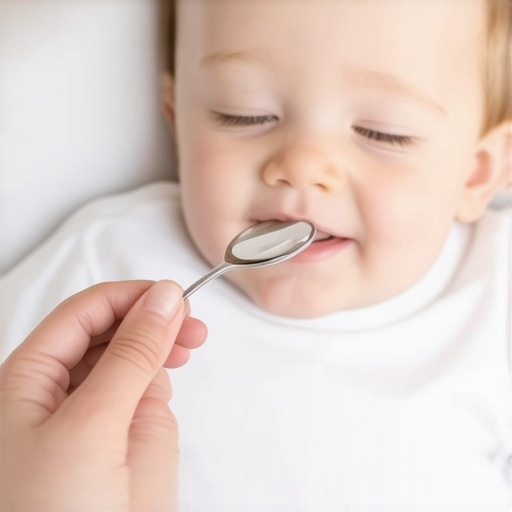
Stop the Drool Rash from Waking Them Up
Sometimes it isn’t the tooth itself that causes the 3 AM wake-up call; it’s the skin irritation. Teething triggers an incredible amount of saliva, and when that drool sits on a toddler’s chin and neck all night, it creates a painful, itchy rash. I learned this the hard way when I realized my son wasn’t crying because of his jaw, but because his neck was raw and sore. Before laying them down, apply a thick layer of a petroleum-based barrier balm or plain coconut oil around the chin and neck folds. This creates a ‘raincoat’ for their skin. If they are already using a toothbrush, make sure you know how to stop your toddler from swallowing toothpaste during their evening brush, as the extra saliva can make them gulp down more than intended.
Tell the Difference Between Teething and an Ear Ache
It is very easy to mistake an ear infection for teething because the nerves in the jaw and the ears are closely connected. If your toddler is pulling at their ears, refusing to lie flat, or has a runny nose along with the fussiness, it might not be the molars. When my son had his first ear infection, I spent three nights trying to soothe his gums while his poor ears were actually the problem. Always check for a fever; while teething causes a slight rise in body temp, a true fever is a signal for ensuring family dental care transitions into a call to the pediatrician. By isolating the cause, you can use the right relief method and get everyone back to sleep faster.The 2 AM panic often leads us to reach for anything labeled ‘organic’ or ‘natural,’ but here’s the contrarian truth: some of the most popular ‘natural’ teething remedies are actually the most dangerous. I used to think amber necklaces were a charming, holistic solution until I learned they are a major choking and strangulation hazard. Experts at the American Academy of Pediatrics have repeatedly warned against them. In my experience, a clinical, evidence-based approach to family dentistry is far safer than a trendy but risky ‘natural’ alternative. It is about choosing what is proven, not what is popular.
The Dangerous Allure of ‘Natural’ Teething Hacks
We often assume that because a product is marketed as ‘homeopathic,’ it lacks the side effects of conventional medicine. However, many teething gels—even the ones labeled natural—contain ingredients like belladonna or high amounts of sugar that can be harmful. The real nuance here is that ‘natural’ isn’t a synonym for ‘safe’ when it comes to your child’s developing enamel. I’ve seen parents try to use essential oils on gums, only to cause chemical burns. It’s a heart-breaking ‘oops’ moment that can be avoided by sticking to the cold spoon or a clean finger massage.
Can Teething Habits Predict a Need for Invisalign Later?
This is a question I get from parents who are already looking toward the future. The answer is a resounding yes. If a child develops a habit of aggressively sucking on hard plastic teethers or their thumb to soothe the pain, it can lead to ‘open bite’ or ‘overjet’ issues. According to a study published in the Journal of Clinical Pediatric Dentistry, early oral habits are the strongest indicators of future orthodontic needs. If we don’t learn how to stop your child from sucking their thumb without the power struggle during the teething years, we are often setting them up for a long journey with orthodontics. Understanding these invisalign secrets early on helps you intervene before the jaw structure is permanently affected. 
Don’t Mistake Decalcification for ‘Just a Phase’
One of the biggest mistakes is assuming that ‘white spots’ on new teeth are just a normal part of them coming in. In reality, why your child has white spots on their new adult teeth often comes down to early decalcification or enamel hypoplasia. These spots are weak points where cavities can start almost instantly. If you ignore them now, you might find yourself in a situation where the only way to save the tooth’s appearance later in life is choosing between veneers vs crowns. It’s a common trap: thinking baby teeth are ‘disposable.’ They aren’t. They are the placeholders for the rest of their lives. Have you ever fallen into this trap? Maybe you thought a certain spot was ‘just the tooth’ until a dentist told you otherwise? Let me know in the comments; sharing our ‘oops’ moments helps all of us become better parents.I’ve spent years experimenting with every gadget on the market, from the $200 smart brushes to the weird little silicone scrapers you see on TikTok. What I’ve learned is that maintenance isn’t about the price tag; it’s about the specific friction. For example, if you’ve invested in aesthetic work, you have to stop brushing your veneers like they are real teeth. Most people use a sawing motion with a medium-bristle brush, which is basically like taking sandpaper to a fine marble statue. I personally switched to an ultra-soft tapered bristle brush specifically to protect the gum line. This prevents that ‘receding’ look that can expose the edge of the porcelain or make the root surface vulnerable. If you’ve been aggressive with your hygiene, you might even notice why your teeth look longer as you get older and how to halt that process before it ruins your smile line. When it comes to whitening, the biggest hurdle is the ‘cold zap.’ I remember one week where I couldn’t even breathe in through my mouth without a sharp pain. If you’ve ever wondered why your teeth feel cold for weeks after a whitening session, it’s usually because the tubules in your dentin are still open and over-exposed. To fix this, I stopped using whitening strips every day and moved to a high-concentration fluoride gel applied once a week to ‘seal’ the surface while maintaining the brightness.
How do I maintain my dental work over the long haul?
The answer is a religious adherence to a ‘Low-Abrasion’ lifestyle. I use a tool called a water flosser on the lowest setting twice a day. Why the lowest setting? Because high-pressure water can actually detach the delicate gum tissue from the base of a crown or veneer over time. According to a study in the Journal of Oral Rehabilitation, the mechanical wear on restorative materials like composite and porcelain is significantly accelerated by ‘whitening’ toothpastes that contain high levels of silica. This is why I only use non-abrasive pastes. You also need to know how to properly clean a night guard to prevent bacterial buildup, because wearing a dirty guard for eight hours a night is the fastest way to invite gum inflammation around your expensive dental work. 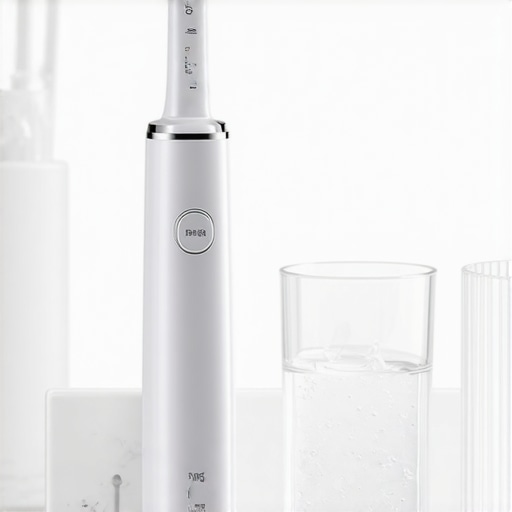 I predict that in the next five years, we are going to see a massive shift toward AI-integrated home scans. Just as the real reason Culpeper dentists are swapping traditional x-rays for 3d scans is for precision, you’ll soon have a smartphone attachment that alerts you to microscopic cracks in your enamel before they become cavities. For those of us with work to protect, like learning how to prevent coffee stains on your new veneers, this real-time data will be a game changer. If you really want to scale your results, I suggest trying this: swap your morning coffee for a cold brew through a reusable straw for exactly seven days. It sounds simple, but the reduction in temperature and contact time with your front teeth will do more for your whitening longevity than any $500 kit ever could.
What I Finally Learned About the Midnight Molar Struggle
After three kids and more sleepless nights than I care to count, I’ve realized that teething is less about the ‘perfect product’ and more about managing the sensory overload. One lightbulb moment for me was realizing that my own anxiety was making his pain worse; toddlers are like sponges for our stress. I also learned that family dentistry isn’t just about the teeth—it’s about the comfort of the whole child. Another big realization? Don’t wait for the scream. If you know a molar is close, start the counter-pressure routine early in the evening to keep the inflammation from peaking while they sleep. This proactive approach saves your sanity and their sleep cycle.
#IMAGE_PLACEHOLDER_E#
The Only Tools You Really Need in Your Nightstand
You don’t need a drawer full of expensive plastic gadgets. My ‘teething emergency kit’ consists of three specific items. First, a high-quality barrier balm or plain coconut oil to prevent that painful drool rash that can derail a good night’s sleep. Second, a few chilled metal spoons—they are far more effective at targeted relief than any bulky ring. Third, I always keep a soft silicone finger brush nearby to gently clean those new molars and ensure the best way to prevent cavities in toddlers stays on track even during the fussy weeks. For the bigger picture, I recommend keeping up with ensuring family dental care guidelines to stay ahead of any potential issues before they become dental emergencies.
Helping Your Little One Find Their Smile Again
The teething phase feels like an eternity when you’re in the thick of it, but these nights will eventually pass. By focusing on gentle, evidence-based methods rather than risky trends, you’re protecting their future oral health and their overall well-being. Whether you’re mastering the trick to getting your toddler to open wide or learning how to stop your child from sucking their thumb without the power struggle, you are doing a great job. Your patience today builds a lifetime of healthy habits and a confident smile for years to come. What’s the one ‘miracle’ teething hack that actually worked for your family during those midnight sessions? Let me know in the comments below!