
The Quick Fix for a Poking Aligner Edge That Cuts Your Cheek
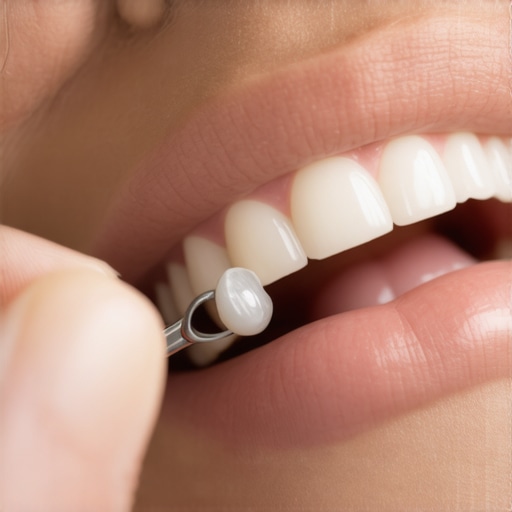
Ever been in the middle of an important meeting or a dinner with friends when suddenly, out of nowhere, you feel an unexpected pain on the inside of your cheek? That sharp, annoying poke from your aligner edge can turn a pleasant moment into a discomfort nightmare in seconds. I remember the first time it happened to me—an unmistakable, tiny but fierce pinch that made me wince. At first, I thought it was just my imagination.
Dealing with the Poking Edge: A Frustration for Many Invisalign Users
Have you ever wondered if there’s a simple way to fix that little poking edge without a visit to the dentist? Trust me, I’ve been there. Initially, I made the mistake of ignoring it, assuming it would soften or shift on its own. But those razor-sharp aligner edges can cause real damage to your cheeks and lips, making daily wear uncomfortable and discouraging consistency. Early on, I underestimated how small adjustments could make a huge difference. This mistake almost led me to abandon my treatment before seeing results.
Over time, I discovered that addressing these minor annoyances quickly not only kept my mouth more comfortable but also prevented larger issues like sores or infections. Today, I want to share with you the quick fix I found effective—an approach that’s easy, inexpensive, and surprisingly efficient.
Before I did anything, I made sure to consult reliable sources, like Invisalign experts, who emphasize the importance of regular check-ins and minor adjustments to keep aligners fitting perfectly. So, if you’ve ever faced this pesky problem, stay tuned. The solution isn’t complicated, and once you get the hang of it, you’ll wonder why you didn’t try this sooner.
Why Your Aligner Edge Might Be Poking and How to Tame It
Cutting the Edge with Care
Start by sanitizing your hands and gather a fine-grit nail file or emery board. Identify the protruding aligner edge that’s causing discomfort. Carefully and gently, file down the sharp tip, circling around to smooth out roughness. Do this in short, controlled strokes to avoid over-trimming. I once accidentally filed too much and ended up with a tiny gap, which I managed to fix with a small wax bead from my dentist. The key is patience and precision to prevent damage to the aligner and your soft tissues.
Applying Dental Wax or Relief Aids
Once the edge is smoothed, place a small amount of dental wax over the newly filed area. This creates a barrier between the aligner and your cheek or lip and offers immediate relief. I keep a small stash of dental wax in my bathroom, and every time I notice a rough spot, I gently press a tiny ball onto it. For a longer-term solution, consider moulding orthodontic wax onto the edge for a snug fit. You can even shape tiny wax tips to replace the bumped-up area if filing doesn’t suffice.
Relieving and Reducing Future Poking
Implement a regular check for rough or sharp edges, especially after tray adjustments. Use a small mirror and gentle finger or a cotton swab to feel for uneven areas. If a spot still feels sharp, repeat the filing process carefully. Remember, every couple of days, slight adjustments may be necessary as your mouth adapts to aligner shifts. I learned this the hard way when I neglected to smooth a rough edge during my first week—by the second day, I had a painful sore. Regular maintenance prevents irritation and keeps your treatment on track.
When to Consult Your Dentist
If after careful filing and applying wax, discomfort persists or the edge seems torn or damaged, schedule a professional check-up. Do not attempt to modify your aligner excessively, as improper adjustments can impact treatment progress. Use the contact form at Smilegum Care to book an appointment or get expert guidance. Remember, minor edge issues are fixable with patience and care—your smile will thank you for it.
 Many people believe that procedures like teeth whitening, veneers, and Invisalign are straightforward solutions to common dental issues. However, the reality is more complex, and misconceptions can lead to costly mistakes. For instance, a prevalent myth is that all teeth whitening methods are equally effective and safe, but recent studies highlight that over-the-counter products often contain abrasive agents that can damage enamel with prolonged use (see expert insights here). Moreover, many assume veneers are a permanent fix, neglecting the fact that they can stain or crack over time, necessitating replacements and ongoing maintenance (learn more about veneers). In family dentistry, a common mistake involves underestimating the importance of early prevention in children’s oral health; preventative measures like sealants and education are critical but often overlooked, leading to more invasive treatments later (discover family tips here). When considering Invisalign, many think it’s a one-size-fits-all solution, but the precision and planning involved require a nuanced understanding. For example, minor bite issues might be better addressed with alternative orthodontic options, especially if aligned with ongoing jaw health concerns—something not always appreciated by patients (see the detailed guide). Recognizing these hidden nuances helps set realistic expectations and prepares you for the long-term investment in your dental health. An advanced consideration involves the durability of these treatments. For example, recent research emphasizes that proper aftercare and maintenance can extend the lifespan of veneers and aligners significantly, saving you money and time (learn how to maintain your aligners). Remember, every treatment choice has intricacies that only an expert can navigate properly. So, before jumping into procedures, consult with a trusted professional who can tailor solutions to your unique dental needs. Want to explore what’s best for your family or personal smile? Reach out confidently at our contact page. Have you ever fallen into this trap? Let me know in the comments.Maintaining the results of family dentistry procedures, teeth whitening, veneers, or Invisalign requires more than just good habits; it demands the right tools and consistent routines. One of my favorite instruments is the ultrasonic toothbrush, which uses high-frequency vibrations to effectively remove plaque without damaging sensitive enamel. I personally prefer models like the Philips Sonicare DiamondClean, as its adaptive technology and multiple brushing modes help me keep my smile bright and healthy. Using a quality water flosser, such as the Waterpik Water Flosser, complements daily brushing by reaching between teeth and around orthodontic devices like Invisalign trays, ensuring thorough cleaning and preventing build-up.
Three Realizations That Changed My Approach to Smile Care
- I learned the hard way that minor aligner discomfort isn’t something to ignore—it’s a sign to act promptly, saving painful sores and treatment delays.
- The importance of patience became clear when over-trimming an aligner edge led to more discomfort; gentle, incremental adjustments are key to comfort and progress.
- Seeking professional guidance before making adjustments ensures that my efforts support my long-term smile goals and prevent costly mistakes.
My Curated Arsenal for a Bright, Healthy Smile
From my own experiences, I rely on trusted tools like the Philips Sonicare DiamondClean for effective brushing, which preserves enamel while brightening teeth. A Waterpik Water Flosser has been invaluable for reaching spots around Invisalign trays and braces, maintaining oral hygiene effortlessly. For professional insights, this comprehensive guide helped me understand the variety of whitening options and pick what suited my lifestyle best. Expert consultations from Invisalign specialists have kept my treatment on track, emphasizing the importance of regular check-ins and tailored adjustments. Lastly, I trust top-tier veneers advice for understanding long-term aesthetic solutions. Combining these tools and resources has empowered me to maintain my smile with confidence and knowledge.
Your Smile Future Starts Today
Remember, achieving a lasting, radiant smile isn’t just about quick fixes; it’s about embracing a mindset of continuous care and learning. With the right tools, expert guidance, and a proactive attitude, you can turn your smile journey into an inspiring story of confidence. So, don’t wait—your best smile is just a mindful step away. If you’re ready to elevate your family dentistry routine or explore expert treatments, I encourage you to reach out today. Let your smile shine brighter than ever!