
The real reason your gums bleed when you first start flossing
I remember the first time I nervously pulled that little piece of floss between my teeth, only to be greeted by a odd, metallic taste and a surprising burst of bleeding. It was such a lightbulb moment for me—realizing that healthy gums aren’t supposed to bleed, but mine did. That initial shock made me wonder, “Is this normal? Am I doing something wrong?”
The Unexpected Reality Behind Bleeding Gums When Beginning Flossing
Let’s be honest: many of us hesitate to floss regularly because there’s this lingering fear that it might do more harm than good. But here’s the kicker: bleeding gums are often a sign that your gums need some attention—think of it as your body’s way of signaling an imbalance or irritation.
When I first started, I made a common mistake—I was too aggressive. Over time, I learned that gentle, consistent flossing actually stimulates your gums and promotes healing, rather than harming them. The truth is, if your gums bleed initially, it’s usually due to inflammation or plaque buildup that has weakened the gum tissue. But here’s the good news: with proper technique, you can turn things around.
If you’ve faced this problem, you’re not alone. Many people experience bleeding when they first incorporate flossing, but it shouldn’t be a persistent issue. Today, we’ll delve into why this happens and how to address it effectively—so you can maintain a healthy, confident smile.
Is Bleeding Gums During Flossing Actually Worth the Hype?
A lot of folks panic when they see blood. I used to think I was damaging my gums beyond repair. But that’s a misconception. Bleeding is often just the body’s response to irritation, not an indication of damage. It’s like watching a cut turn red, signaling inflammation—your body’s way of fixing itself.
Early on, I also made the mistake of avoiding flossing altogether, thinking I was avoiding pain. That only made things worse. The key is to adopt a proper flossing technique that is gentle yet thorough. Even a quick session, done right, can significantly improve your gum health over time.
Remember, neglecting bleeding gums can lead to more serious issues down the line, like gingivitis or periodontal disease. If you’re interested, I recommend checking out family dentistry tips for strategies to keep your gums healthy and strong.
Now that we’ve debunked some myths and shared my personal journey, let’s explore simple steps to make your flossing routine a positive experience—without bleeding or fear. Ready to get started?
Start Gently with Proper Flossing Technique
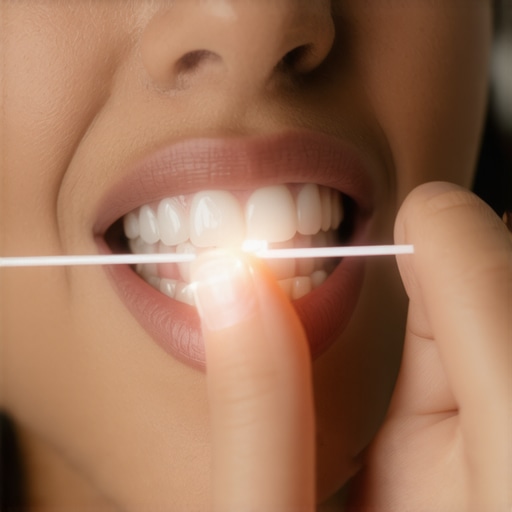
One of the most common mistakes I made initially was flossing too aggressively, which caused bleeding and discomfort. To avoid this, use a gentle sawing motion to slide the floss between your teeth without snapping or pressing hard against your gums. I remember the first time I practiced this method—it was messy, with floss slipping and occasional bleeding, but persistence paid off. Hold the floss securely around your fingers, then gently glide it down each side of every tooth, making sure to glide beneath the gumline. This process stimulates blood flow and helps remove plaque effectively.
Use the Right Floss and Tools
Choosing the correct floss is crucial. I recommend trying waxed floss for easier gliding, especially if your teeth are tightly spaced. Alternatively, interdental brushes can be a game-changer for some. Family dentistry tips suggest replacing your floss or brush regularly to maintain hygiene and prevent bacterial buildup. If you find traditional floss difficult, consider floss Picks—they help control the technique and reduce accidents that cause bleeding.
Be Consistent and Patient
Consistency is key; I set a daily schedule to floss after brushing, which eventually rewired my habits. I noticed that with regular, gentle flossing, my gums healing process accelerated, and bleeding decreased significantly after a few days. Remember, patience is essential—your gums might bleed a little at first, but this will settle as inflammation subsides. Keep in mind that avoiding flossing altogether can lead to more serious issues like gingivitis, so commit to at least once daily.
Manage Bleeding During Flossing
If you experience bleeding, don’t panic. I learned to view it as a sign that I needed to improve my technique and be gentler. Applying less pressure and focusing on the gumline rather than forcing the floss deeper helped prevent irritation. If bleeding persists for more than a week, it’s wise to consult your dentist. They can evaluate if underlying problems like periodontal disease are present. Their advice might include professional cleanings or specific treatments—like scaling—to restore your gums’ health.
Stay Informed and Practice Regular Care
Improving your flossing technique takes understanding and commitment. Invest time in learning proper methods, perhaps by watching tutorials or reading trusted sources like tips on gentle flossing. Remember, healthy gums are the foundation of a confident smile. Regular flossing, combined with proper brushing and professional check-ups, ensures long-term oral health and reduces bleeding over time.
 Many believe that teeth whitening is simply about choosing the whitest shade or that Invisalign is a one-size-fits-all solution. However, these assumptions overlook critical nuances. For instance, with teeth whitening, the common myth is that more aggressive bleaching yields better results. In reality, overusing whitening agents can damage enamel and cause sensitivity, as highlighted in recent studies from the American Dental Association.
Similarly, there’s a misconception that Invisalign treatment is exclusively for minor misalignments. While it’s effective for many cases, complex malocclusions may require traditional braces or surgical intervention. An advanced mistake many cluster into is assuming aligners will do all the work without proper oversight—neglecting the importance of regular dental checkups and attachments that ensure optimal movement.
Why does focusing solely on cosmetic outcomes sometimes compromise dental health?
This is a critical question for those considering veneers. Many think veneers are just about improving appearance, but they’re also about preserving tooth structure and preventing further decay. An oversight occurs when people opt for crowns or veneers without understanding that these procedures can sometimes exacerbate existing problems if not planned properly. For example, overly aggressive removal of enamel can lead to increased sensitivity or structural weakness, which is why consulting a skilled cosmetic dentist is vital—more than just picking the shiniest smile. You can learn about how to tell if your veneers are the right fit by exploring comprehensive veneer guidance.
Another frequently overlooked aspect is the long-term maintenance of family dentistry efforts. Many patients focus on immediate concerns but neglect the importance of routine checkups that detect early signs of decay or gum disease. Regular professional cleanings and personalized hygiene plans—like those discussed in family dentistry tips—are foundational to durable, healthy smiles.
When considering advanced cosmetic solutions like veneers, it’s crucial to factor in the unique anatomy and health of your natural teeth. Failure to do so can lead to unnecessary enamel removal, tooth sensitivity, or even damage that necessitates replacement. It’s that nuanced understanding that elevates a simple aesthetic choice into a strategic, health-preserving decision. Prioritizing consultation with experienced professionals ensures your smile enhancement aligns with your oral health goals.
So, next time you consider quick fixes or trendy options, remember the sophisticated science behind these procedures—it’s not just about appearance but preserving your smile for the long haul. Have you ever fallen into this trap? Let me know in the comments!

Keeping Your Smile in Top Shape with the Right Tools
Maintaining a healthy and beautiful smile over time requires more than just good brushing habits. Investing in quality tools can make a significant difference in the longevity of your dental results. Personally, I swear by my ultrasonic toothbrush, the Sonicare DiamondClean, because it provides superior plaque removal and gentle sensitivity settings, which are crucial for ongoing gum health and preventing bleeding, especially if you’re prone to irritation. Regular use of such devices ensures you stay ahead of issues before they escalate.
Another essential tool is the water flosser, like the Waterpik Ultra. I prefer this over traditional floss because it reaches deep into periodontal pockets and around brackets or veneers, offering a thorough clean without irritating sensitive gums. Additionally, maintaining your aligners or whitening trays with specialized cleaning solutions keeps bacteria at bay, as supported by recent ADA research highlighting how proper sanitization prolongs device life and enhances oral health.
How do I maintain my dental tools over time?
To keep your dental tools effective, rinse them thoroughly after each use and replace features like tips or brush heads every three to six months. For electric toothbrushes, replacing the brush head on schedule ensures optimal cleaning power. Regularly disinfect your water flosser reservoirs and keep your whitening trays dry when not in use to prevent mold growth, which can compromise your results. Investing in high-quality tools and staying vigilant about their maintenance sets the stage for long-term success and keeps your smile radiant for years to come. Moving forward, I anticipate advancements in smart dental devices—think AI-powered toothbrushes that adapt to your brushing habits—making maintenance even more personalized and effective. For now, I recommend starting with a reliable electric toothbrush and water flosser, and don’t forget to read up on best practices in trusted sources like family dentistry tips to complement your routine. Try out my favorite ultrasonic toothbrush today and experience the difference firsthand!

The Least Expected Lessons That Changed My Perspective on Smiles
One of the most eye-opening realizations I had was that small changes in oral care can lead to transformative results, but only when approached with patience and understanding. I used to think quick fixes like aggressive whitening would instantly brighten my smile, but I learned that overdoing it can backfire, causing sensitivity. The breakthrough came when I embraced a balanced routine, appreciating the subtle art of gradual improvement.
Another lightbulb moment was recognizing the importance of personalized care over generic advice. Each smile is unique, and what works for one person might not suit another. This realization pushed me to consult professionals who consider my specific needs, enriching my journey with tailored guidance.
Lastly, I discovered that true confidence stems from consistency rather than perfection. Regular check-ups, diligent at-home care, and embracing natural aging processes can enhance your smile’s beauty over time, making the experience empowering rather than stressful.
My Essential Arsenal for a Healthy, Bright Smile
The tools I swear by include a high-quality electric toothbrush like the Sonicare DiamondClean, which ensures thorough plaque removal and gentle gum stimulation. Complementing this is a water flosser, such as the Waterpik Ultra, invaluable for reaching deep between teeth and around orthodontics without irritation. Pairing these with trusted whitening products from reputable brands, and maintaining a routine keeps my smile vibrant and my gums healthy. Regular replacement of brush heads and tips, along with disinfection of trays and aligners, is crucial—these habits are backed by family dentistry tips that I rely on to sustain long-term results.
Your Smile’s Next Big Leap Starts Now
Remember, your smile is a reflection of self-care and confidence. Taking small, consistent steps with the right tools and expert guidance can lead you to a healthier, more radiant smile that lasts a lifetime. Don’t hold back—your journey toward optimal oral health begins today. What’s one new habit you’re eager to try to improve your smile? Share below and let’s support each other in this exciting process!