
The Real Reason Your Gums Turn Black or Grey Near a Metal Bridge
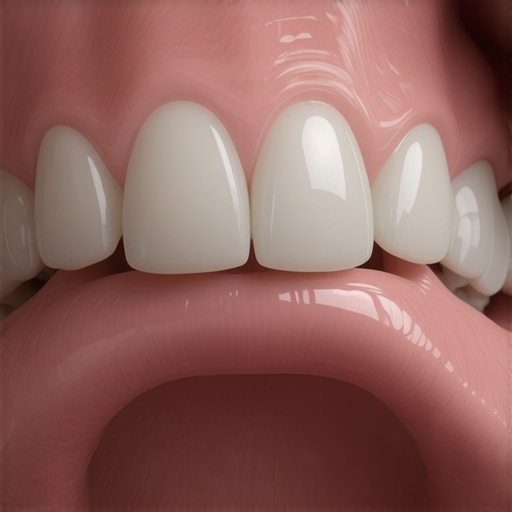
I’ll never forget the morning I finally noticed it. I was leaned in way too close to my bathroom mirror, checking if I had any spinach stuck in my teeth, when I saw a faint, bluish-grey shadow creeping along the edge of my dental bridge. At first, I panicked and thought my gums were actually rotting away. I spent the next three days brushing so hard my gums started bleeding—a mistake I see way too many people make when they’re trying to “clean” away a color change that isn’t actually dirt. It turns out, that dark halo wasn’t a hygiene issue at all; it was a ghost from my dental past. I felt like I had this permanent “dirty” look to my mouth, even though I was flossing religiously. I even tried to see how to tell if that shadow on your tooth is a cavity or a stain, but this was different. It wasn’t on the tooth; it was the gum itself turning a bruised shade of charcoal. I used to sit there and scrub until my mouth tasted like pennies, convinced I could just buff it out. But the truth was much simpler and, honestly, a bit of a relief once I understood the physics of light and dental materials.
The Ugly Grey Shadow That Isn’t Actually Rot
Many people come to me worried that their bridge is failing or that they’ve developed a severe infection. In my early days of obsessing over dental aesthetics, I made the mistake of thinking teeth whitening secrets would solve everything. I spent a small fortune on whitening strips and professional gels only to realize that metal doesn’t budge. The real culprit is usually the “margin” of your bridge. Most older bridges use a metal substructure for strength, coated in porcelain. As the years pass, your gums might pull back—sometimes because of age, or maybe why your gums are receding despite brushing twice a day—and that dark metal edge becomes visible. This isn’t just about the metal showing, though. Sometimes, the metal actually leaches into your tissue, creating a permanent tattoo. According to the American Academy of Cosmetic Dentistry, these shadows are one of the top reasons patients seek to replace old dental work. It’s a frustrating situation because it makes a healthy mouth look neglected, and the reason your veneers look gray in certain lighting is often the same culprit: light blocked by underlying metal. [IMAGE_PLACEHOLDER]
Will I have to replace my entire bridge to fix this?
It’s the question that keeps most people from visiting their family dentistry office. The fear is that a simple cosmetic fix will turn into a multi-thousand dollar overhaul. While sometimes a replacement is the best path—especially when choosing between veneers vs crowns for a more natural look—there are other factors at play. For instance, you might notice that your why your dental bridge feels tight in the morning or that you have a metallic taste from a broken silver filling nearby. These are all clues your mouth is giving you about the materials used in your mouth. Today, we’re going to break down exactly why this happens, how to differentiate between a simple shadow and a tattoo, and what your realistic options are for getting that pink, healthy gum line back without breaking the bank. Have you ever felt like your smile looks “aged” because of a dark line you can’t seem to brush away? Reach out through our contact us page and let’s talk about it.
The first thing you should do is the flashlight test. Grab a bright LED light and shine it from the back of your teeth toward the front while looking in a mirror. If the shadow stays pitch black and doesn’t allow any light to pass through the tooth part of the bridge, you are looking at a metal substructure. I remember a patient named Sarah who came in frantic, convinced her gums were dying. We did this test, and it was a revelation—she wasn’t rotting; she just had a heavy curtain of metal blocking the light. If you are also wondering why your teeth look gray instead of yellow and how to fix it, this light-blocking effect is often the culprit for why your entire smile appears dim and aged.
Test the shadow with a simple flashlight
This diagnostic step is crucial because it helps you distinguish between a structural shadow and a biological problem. If the darkness is just a shadow, it will change shape when you move the light. However, if the dark line stays exactly where it is regardless of the light angle, the metal might have actually leached into the gum tissue, creating what we call an amalgam tattoo. In these cases, even replacing the bridge might leave a faint tint behind. Knowing how to tell if your dental crown is loose or just sensitive is part of this investigative process; if the bridge is also moving, that dark line might be hiding a more serious structural failure or a site where bacteria are congregating.
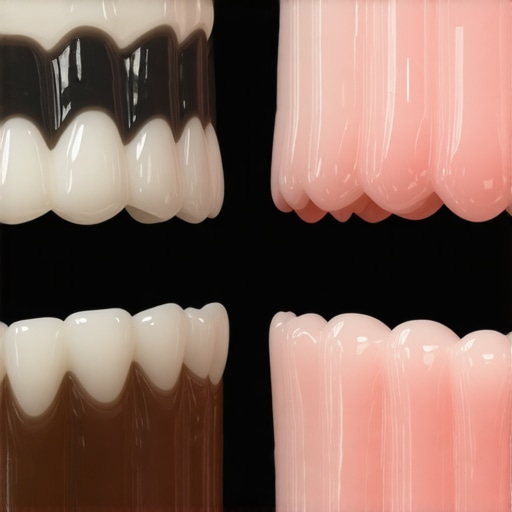
Choose zirconia for a metal-free transition
If the flashlight test proves you have a metal core, the most effective fix is upgrading to a modern, all-ceramic material like zirconia or Emax. Think of your old bridge like a wooden house with a lead frame; no matter how much you paint the outside, the weight and thickness are always there. Zirconia is translucent, meaning light travels through it just like a real tooth. This eliminates the shadow at the gum line because light can finally reach the tissue behind the bridge. For those looking at a total smile makeover, veneers made simple can often be integrated alongside a new bridge to ensure the color and light-reflection match perfectly across your front teeth.
Clean the gap without damaging the tissue
Many people make the mistake of scrubbing that dark line with a hard toothbrush, which actually makes the problem worse by causing more gum recession. Instead, focus on mechanical cleaning under the bridge where the metal meets the gum. Use the secret to removing popcorn hulls from under a bridge—which involves a specialized bridge threader or a water flosser—to keep the area pristine. This prevents the inflammation that often turns a small shadow into a swollen, purple ridge. When the tissue is healthy and tight against the porcelain, the dark margin is significantly less noticeable. I once spent weeks trying to scrub away a stain that was actually just an irritated gum flapping over a metal edge; once I switched to a gentle water flosser, the redness went down and the shadow virtually disappeared. Don’t forget that the real cost of skipping your six month cleaning isn’t just about cavities; it’s about a professional catch of these aesthetic issues before they become permanent tattoos in your gums.
The mistake of scrubbing away at a ‘stain’ that is actually a shadow or a tattoo is just the tip of the iceberg when it comes to aesthetic misunderstandings. Many people treat teeth whitening like they’re bleaching a white shirt—the more chemicals you use, the cleaner it gets. But your enamel isn’t a fabric; it’s a living crystalline structure. I often see patients who have over-used strips, resulting in a ‘glassy’ appearance that looks gray in natural light. This happens because thinning enamel allows the dark pulp inside the tooth to show through more clearly. If you find yourself wondering why your teeth look gray instead of yellow and how to fix it, you might actually be a victim of your own enthusiasm. It’s a classic ‘oops’ factor: by trying to reach a ‘blinding’ white, you actually destroy the light-reflecting properties of your natural teeth. Instead of that youthful glow, you end up with a translucent, aged look that no amount of gel can fix. Have you ever fallen into this trap of over-whitening? Let me know in the comments.
Why does my smile look darker right after a whitening treatment?
It sounds counterintuitive, but it’s a common phenomenon known as dehydration-induced translucency. A study published in the Journal of Evidence-Based Dental Practice suggests that aggressive peroxide use can lead to temporary mineral loss, making the tooth surface less opaque. When the tooth is dehydrated, it loses its ability to scatter light, which makes the underlying dentin—which is naturally darker—more visible. This is why teeth whitening secrets usually involve deep hydration and sensitivity management. If you don’t account for the ‘rebound effect’ or the way your specific tooth density reacts, you’re just spinning your wheels. You might even experience those sharp, electric shocks, so knowing how to manage the zingers after a professional whitening session is just as important as the whitening itself. #IMAGE_PLACE_HOLDER_C# Another nuanced mistake involves the ‘Invisalign expectation.’ People often think clear aligners are just for vanity, but at a family dentistry practice, we look at how those teeth actually fit together. If you only wear your aligners for part of the day, you aren’t just slowing down the process; you’re risking ‘root resorption.’ I’ve seen cases where the problem with wearing your aligners for only 18 hours a day leads to teeth that are loose but not moving where they should. It’s a biological stalemate. The same goes for veneers. The biggest trap is choosing a shade that is too white for your skin tone. You want to how to stop your veneers from looking too white and fake by matching the whites of your eyes, not a piece of printer paper. When you go too bright, the contrast makes your gums look darker and more recessed than they actually are, bringing us right back to that shadow problem we discussed earlier. Whether you’re looking for invisalign secrets or just standard maintenance, the nuance is always in the biology, not just the ‘after’ photo. If you’re ready to look past the marketing and get real results, our contact us page is the best place to start.Keeping a smile looking like it just came out of the dentist’s chair isn’t about luck; it’s about having a technical arsenal that works. Once the initial investment in your teeth is made, the real work shifts to your bathroom counter. I’ve tried every gadget on the market, but I always come back to a very specific set of tools for my patients and myself. For starters, if you have a bridge or veneers, a manual toothbrush is your enemy. I personally swear by the Philips Sonicare with a sensitive head. The high-frequency vibrations do the work without the aggressive scrubbing that leads to why your gums are receding despite brushing twice a day. It’s about fluid dynamics—pushing water between the teeth rather than just scraping the surface. If you’re dealing with a bridge, you also need to master the secret to removing popcorn hulls from under a bridge using a dedicated water flosser on the lowest setting. High pressure can actually detach the delicate gum seal, so start slow.
My holy grail kit for dental longevity
I don’t just recommend these tools because they are popular; I recommend them because they prevent the ‘graying’ and ‘chipping’ that send people back for expensive repairs. For anyone wearing clear aligners, the struggle is real when why your aligner trays are starting to turn yellow no matter how much you soak them becomes a daily frustration. I’ve found that using a dedicated ultrasonic cleaner—the same kind jewelers use—is the only way to vibrate off the microscopic biofilm that manual brushing misses. Dr. Gordon Christensen, a world-renowned expert from the Clinicians Report, has long emphasized that the long-term success of any restoration is a 50/50 split between the clinician’s skill and the patient’s daily biofilm management. If you don’t keep the margins clean, even the most expensive zirconia bridge will eventually fail. [IMAGE_PLACEHOLDER_D]
How do I maintain my dental work over time?
Maintenance is a game of consistency and the right chemicals. If you have porcelain, you must avoid charcoal toothpastes at all costs because they act like sandpaper on your glaze. Instead, look for a low-abrasivity paste that keeps the surface smooth so bacteria can’t stick. This is also how you how to keep your veneers from chipping if you grind your teeth—by ensuring the surfaces are slick and your night guard is spotless. I use a simple pH-neutralizing mouthwash after my morning coffee to prevent the acid from etching the bond of my veneers. It’s a 30-second habit that saves thousands in the long run. If you are struggling with sensitivity during this phase, remember that how to manage the zingers after a professional whitening session often involves using a potassium nitrate gel inside your old Invisalign trays for 20 minutes.
Smart sensors are the next big leap for your gums
Looking ahead, I predict we are going to see a massive shift toward ‘smart’ restorations. We are already seeing the beginning of invisalign innovation where the plastic itself can track wear time and pressure. In the next few years, I expect to see sensors embedded in bridges and crowns that alert your phone when the underlying tooth structure detects a change in acidity or temperature—signaling a cavity before you can even feel it. Until then, you are the sensor. If you notice why your dental bridge feels tight in the morning, it’s a sign your body is reacting to something, and you shouldn’t ignore it. I challenge you to swap your manual brush for a sonic one this week and see if that ‘furry’ feeling disappears. If you’re ready to upgrade your maintenance game, reach out through our contact us page and let’s get you a personalized kit list.
The Hard Lessons I Learned While Chasing a Perfect Smile
I’ve spent years helping patients navigate the shift from old-school metal-based dentistry to modern aesthetics, and the biggest takeaway is that your gums are the best indicator of success. Many people assume a gray line is just something they have to live with as they age, but that’s a myth. It’s usually just outdated material. Another hard lesson? You can’t clean your way out of a structural issue; if the metal is showing, no amount of scrubbing will change that. Lastly, remember that the real cost of skipping your six month cleaning isn’t just about finding cavities—it’s about catching those small material failures before they become a permanent tattoo on your gums. We often get caught up in teeth whitening secrets while ignoring the foundation of the smile itself.
The Toolkit I Use to Keep My Own Teeth Bright
When it comes to maintaining high-end dental work, I don’t leave anything to chance. Here is what stays on my bathroom counter: First, a high-quality sonic toothbrush is non-negotiable to prevent the inflammation that causes why your gums are receding despite brushing twice a day. Second, I recommend an ultrasonic cleaner if you are using aligners or night guards to avoid the situation where your aligner trays are starting to turn yellow. Third, if you’re going for that extra sparkle, stick to professional guidance rather than DIY experiments. If you’ve already had a session, make sure you know how to manage the zingers after a professional whitening session so you don’t give up on the process too early. Investing in the right tools makes veneers made simple to maintain over the decades.
Start Your Journey to a Shadow-Free Smile
You don’t have to feel self-conscious about a dark line or a gray tint every time you look in the mirror. Modern family dentistry has evolved to a point where we can mimic nature almost perfectly. Whether you are looking into invisalign innovation or considering an upgrade to all-porcelain crowns or veneers vs crowns, the technology exists to give you back that youthful, pink gum line. Don’t let a ghost from your dental past hold back your confidence today. Reach out through our contact us page to start your transformation. Have you ever noticed a dark shadow under your dental work that wouldn’t go away no matter how much you brushed? Let me know in the comments below!