
The reason your child’s gums are swollen around a losing tooth
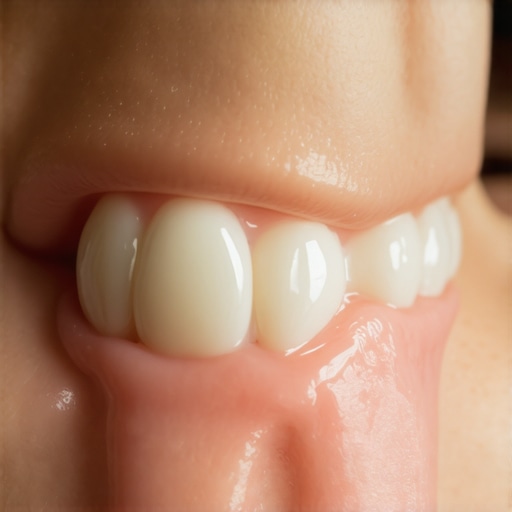
I remember the first time I looked into my son’s mouth and saw a lower incisor dangling by a thread, surrounded by a puffy, crimson ring of gum tissue. I’ll admit it: I panicked. I immediately started googling dental abscesses and wondering if we’d be spending our Saturday in an emergency chair. I felt that familiar pang of parental guilt, thinking I’d failed at the basic task of family dentistry tips. But as I learned after a very calm phone call to our dentist, that swelling is often just a sign that the body is working hard to usher in the new adult tooth. If you are currently peering into your kid’s mouth with a flashlight and a worried expression, take a deep breath. You aren’t alone, and this isn’t usually a sign of poor hygiene or a deep infection. We are going to walk through exactly why this happens, why the gums look so angry, and how you can manage the transition without the midnight anxiety.
That Puffy Red Gum Isn’t Always a Crisis
When a baby tooth starts to loosen, it creates a tiny gap between the tooth and the gum line that wasn’t there before. This little space is a magnet for food particles, sugar, and plaque. In my early days as a “tooth fairy in training,” I made a classic rookie mistake: I tried the old-school string-and-doorknob trick way before the tooth was ready. All I did was irritate the tissue further and cause a minor bleed that made us both cry. It was a tough lesson in ensuring family dental care. The gums react to this minor intrusion and the physical movement of the shifting tooth by becoming inflamed. According to the American Academy of Pediatric Dentistry, localized gingival inflammation is a completely normal response as the permanent tooth’s crown begins to push through the tissue. It’s less about a “disease” and more about the simple physics of a new tenant moving into a small apartment. [IMAGE_PLACEHOLDER] Have you ever noticed your child avoiding brushing a specific spot because it “feels funny”? That’s usually when the puffiness starts to peak, and it’s exactly where we need to be the most gentle but thorough.
Is that scary-looking bump actually an infection?
It is the question that keeps us up at night, staring at a little red mound in a toddler’s mouth. Usually, if the swelling is limited to the area immediately surrounding the loose tooth and isn’t accompanied by a fever, a foul odor, or a bad taste in the mouth, it’s just localized irritation. This can even look like a dark purple or blue bubble, which is often just an eruption cyst—a little fluid-filled sac that forms as the new tooth breaks through. You can usually manage this by learning how to handle your child’s first loose tooth without the panic. We want to ensure that the area stays clean without being too rough on the sensitive tissue. If you’ve dealt with this before, did you find that a warm salt water rinse helped, or did your little one refuse to let you anywhere near their mouth? It’s a polarizing experience for most parents, but understanding that the “scary” bump is often just the body’s way of clearing a path helps immensely. Setting the stage for a healthy smile involves knowing the difference between a natural milestone and a true dental emergency, and most of the time, the gum is just doing its job of letting go of the old to make room for the new.
Clean the Sensitive Area Without a Meltdown
Maintaining oral hygiene while a tooth is dangling by a thread is like trying to detail a car while it is driving down the highway. It is tricky, but essential. You must keep the small pocket between the loosening tooth and the gum line clear of debris to prevent bacteria from turning simple inflammation into a painful infection. I remember a specific Tuesday night when my son, Leo, decided a hard-shell taco was the only thing he would eat. A tiny, razor-sharp shard of corn shell wedged itself right into the inflamed tissue behind his loose lower incisor. It was a disaster of tears and tiny tweezers. If you find yourself in a similar spot, learning how to safely remove a piece of popcorn stuck in your gums provides the exact blueprint you need for any stubborn food debris. Use a soft-bristled brush and gentle, circular motions. If your little one is fighting you, it might be time to rethink your strategy on how to brush a toddlers teeth when they wont open their mouth. A tiny bit of patience and a very soft touch go much further than trying to force the brush through the pain. 
Soothing the Swelling with Kitchen Staples
Before you reach for the medicine cabinet or start panicking about specialized treatments, try a warm salt water rinse. It is the oldest trick in the book for a reason: it works by drawing out excess fluid and neutralizing the acidic environment where bacteria thrive. Mix about half a teaspoon of salt into eight ounces of warm water. Have your child swish it around the loose tooth for 30 seconds before spitting. This is especially helpful if they are complaining of a ‘throbbing’ feeling. If the discomfort is keeping them up at night, you can use the same gentle techniques often recommended for younger kids, such as the best way to soothe a toddlers teething pain at night. A cold compress applied to the outside of the cheek for ten minutes can also constrict blood vessels and visibly reduce that puffy, crimson look.
Stop the Wiggling Before It Becomes a Problem
The temptation for a child—and sometimes the parent—to ‘help’ the tooth along is immense. However, tugging on a tooth that isn’t ready is the fastest way to turn a normal transition into a bloody, painful mess. If the tooth is only slightly loose, leave it alone and let the tongue do the work. Constant manual wiggling with unwashed fingers introduces new bacteria to already sensitive tissue. This stage is a core part of family dentistry building healthy smiles for every generation—teaching our kids that their bodies know how to transition naturally without us forcing the process. If you notice the new tooth emerging before the old one is gone, don’t worry about the alignment just yet; you can often find peace of mind by reading about why your childs first adult tooth is jagged on the edge and how it eventually settles into place.
Identify When the Redness Means Something More
While 90% of the time that red ring is just a localized reaction, you must watch for signs of a true abscess. If the redness starts spreading away from the tooth toward the cheek or if you see a persistent white, pimple-like bump on the gum, that requires a professional opinion. Localized swelling is normal; a fever or a child who refuses to drink liquids because of the pain is not. Monitoring these milestones is a key part of ensuring family dental care remains proactive rather than reactive. Keep the area clean, keep the food soft, and let nature take its course.
Why You Should Wait Before Bleaching Those New Adult Teeth
One of the most common mistakes I see parents make is comparing the color of a brand-new adult tooth to the remaining baby teeth. It is a total optical illusion. Baby teeth are often milky white, while permanent teeth have a much thicker layer of dentin, giving them a naturally yellower or warmer hue. Many parents panic and immediately look into the ultimate guide to teeth whitening options in 2025 before the child has even finished elementary school. Here is the contrarian truth: whitening a child’s teeth too early can be a recipe for lifelong sensitivity. A study published in the Journal of Dentistry suggests that adolescent enamel is significantly more permeable than adult enamel, making it far more susceptible to chemical sensitivity. If you rush the process, you aren’t just brightening a smile; you might be creating a ‘zinger’ side effect that lasts for weeks. We need to focus on ensuring family dental care stays age-appropriate rather than purely aesthetic.
Do those weird white spots mean my child needs a filling?
Often, when that new tooth finally emerges from the red, puffy gums, it comes with a surprise: chalky white patches. Parents often mistake these for cavities or poor hygiene, but they are frequently signs of hypocalculification or mild fluorosis. Before you start scrubbing harder—which can actually wear down the weakened enamel—understand that why your childs front teeth have white spots on them is usually a developmental nuance, not a failure of the toothbrush. [IMAGE_PLACEHOLDER_C#] In many cases, these spots can be managed with professional fluoride treatments or microabrasion later in life, rather than aggressive drilling today.
Avoid the Charcoal Toothpaste Trap
The ‘Oops’ factor in modern parenting often involves ‘natural’ trends like charcoal toothpaste. Everyone says it’s a miracle for stains, but in my experience, it’s one of the most damaging things you can put on a young person’s teeth. Charcoal is highly abrasive. It doesn’t just lift stains; it can physically sand down the enamel you’ve been waiting years to see emerge. Once that enamel is gone, the tooth will actually look more yellow because the darker dentin underneath is exposed. This is the same reason why adults often struggle with the truth about charcoal toothpaste and your tooth enamel—it’s an aggressive fix for a problem that usually requires a more delicate touch. If you are worried about the ‘fake’ look of dental work as they get older, it’s better to learn how to stop your veneers from looking too white and fake through proper shade matching rather than damaging the natural tooth with DIY abrasives. Have you ever fallen into this trap of trying a ‘natural’ whitening hack that backfired? Let me know in the comments.
If you have recently invested in high-end dental work—whether it’s helping your child through a tricky phase of family dentistry building healthy smiles for every generation or finally getting that set of porcelain shells for yourself—the real work starts the moment you leave the office. You cannot treat a customized smile like a pair of old sneakers and expect it to last twenty years. I learned this the hard way after my first professional bleaching session left me with such intense ‘zingers’ that I couldn’t even breathe in cold air. Now, I never skip the desensitizing protocol. If you are struggling with sensitivity, you should check out my tips on how to manage the zingers after a professional whitening session to keep the process comfortable. It turns out that the American Dental Association (ADA) highlights potassium nitrate as a critical ingredient for blocking the transmission of pain from the tooth surface to the nerve—it is a technical necessity, not just a luxury.
Why Your Old Toothbrush is Ruining Your Veneers
Many people make the mistake of scrubbing their new dental work with the same aggression they used on their natural teeth. If you have porcelain, you must stop brushing your veneers like they are real teeth. Porcelain is incredibly durable, but the resin used to bond them is susceptible to abrasive wear. I personally recommend switching to a sonic toothbrush with a dedicated ‘sensitive’ mode. These brushes use high-frequency vibrations to create micro-bubbles that reach into the gum line without the physical friction of a manual scrub. This is especially vital when navigating Invisalign innovation invisible braces changing smiles in 2025, as the attachments on your teeth can easily trap plaque that a standard brush might miss. 
How do I keep my new smile looking fresh for decades?
The secret isn’t just brushing; it’s the tools you use for the 22 hours a day when you aren’t at the sink. For anyone wearing clear aligners, I swear by a portable ultrasonic cleaning pod. Most people just use a spare toothbrush and some hand soap, but that creates microscopic scratches that harbor odor-causing bacteria. An ultrasonic cleaner uses 42,000Hz sound waves to cavitate the water, literally blasting debris off the trays without any abrasive contact. This is by far the best way to store your clear aligners when you arent wearing them and keep them crystal clear. I predict that in the next five years, we will see AI-integrated ‘smart mirrors’ that use UV light to highlight exactly where your biofilm is accumulating, allowing for surgical precision in your home care routine.
The Proactive Approach to Long-Term Whitening
Maintaining a bright shade is an ongoing battle against your morning espresso. Instead of constantly reaching for harsh strips, I suggest a ‘maintenance’ rinse once a week using a non-acidic, alcohol-free whitening mouthwash. This prevents the initial adhesion of tannins from your coffee or tea. If you find your results fading, revisit the ultimate guide to teeth whitening options in 2025 to see which new formulations are safe for your specific enamel type. My big piece of advice? Try the ultrasonic cleaner hack for your retainers or nightguards for just one week—you will be horrified by what the machine shakes loose that your toothbrush missed, but your breath will thank you forever.
The Hardest Lesson I Learned While Waiting for the Tooth Fairy
If I could go back and talk to my ‘first-time-parent’ self, I’d tell her to put down the flashlight and step away from the mirror. I spent so much time worrying about that crimson ring around my son’s tooth, convinced I was failing at family dentistry tips. Here is the lightbulb moment: that inflammation is usually just the gum tissue ‘unzipping’ itself to make a path for the larger adult tooth. I also learned that if you see a double row of teeth—the dreaded ‘shark teeth’—it isn’t an emergency. Knowing why your childs permanent teeth are coming in behind baby teeth can save you an unnecessary and anxious trip to the office. The most important thing is to keep the area clean and let the adult tooth do the heavy lifting of pushing the old one out naturally.
Simple Gear That Makes Dental Transitions Easier
You don’t need a medical-grade kit to handle this phase, but a few specific items made our lives much easier. First, ditch any medium or hard brushes; an extra-soft manual brush is the only way to clean around sensitive, loose teeth without causing a meltdown. Second, never underestimate a simple warm salt water rinse. It is consistently the best way to soothe a toddlers teething pain at night when that throbbing sensation keeps them awake. [IMAGE_PLACEHOLDER] Finally, if your child has moved into a phase requiring a night guard or spacer, learning how to properly clean a night guard to prevent bacterial buildup is a daily priority to keep those already-irritated gums from reacting to trapped plaque. Keeping these tools handy ensures you are proactive rather than reactive during the peak wiggling weeks.
Witness the Magic of a Growing Smile
Watching your child lose their first few teeth is a rite of passage that feels both exciting and a little bit messy. It is the beginning of a long journey in family dentistry building healthy smiles for every generation. While the redness and the wiggling might feel like a minor crisis today, it is simply a sign that their body is growing exactly as it should. Stay patient, keep the sugar low, and remember that these temporary gaps are just the foundation for a lifetime of healthy adult teeth. Have you ever struggled with a child who was too scared to let you brush a loose tooth? Let me know your tricks in the comments below!