Why your dental bridge feels tight in the morning
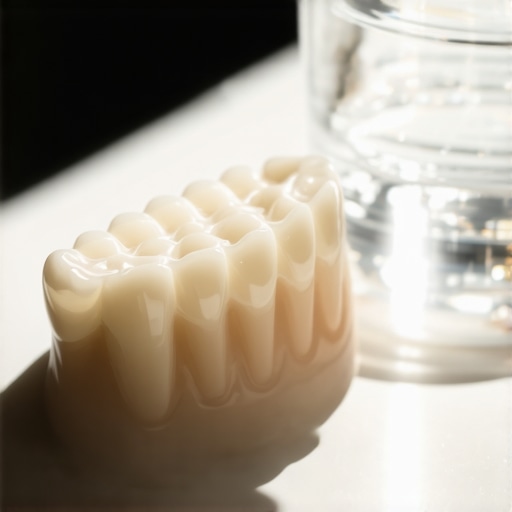
I woke up last Tuesday with a sensation that’s hard to describe if you haven’t felt it—like my teeth were wearing a pair of jeans two sizes too small. That dental bridge I’ve had for years felt incredibly tight, almost as if it was being squeezed by an invisible hand. My first instinct? Total panic. I actually tried to ‘adjust’ the fit myself years ago with a metal nail file—please, for the love of your smile, never ever do that. I was convinced my gums were swelling or the bridge itself was warping. But after talking to my dentist and doing some deep dives into the mechanics of oral health, I realized that morning tightness is a classic sign of something much more common than a failing restoration. Today, I want to walk you through exactly why this happens and how you can wake up without that ‘clamping’ feeling ever again.
That Vice-Like Grip When the Alarm Goes Off
The truth is, your dental bridge doesn’t change shape overnight. It’s made of high-quality porcelain or metal that is incredibly stable. So, why the pressure? Usually, it’s not the bridge moving—it’s your teeth. While you’re dreaming, your jaw might be working overtime. This is often called bruxism, and it’s a sneaky culprit. I used to think I was a peaceful sleeper until I realized I was clenching my teeth like I was in a championship wrestling match. When you clench, you’re putting immense pressure on the abutment teeth—the ones holding that bridge in place. This can make them feel sensitive or ‘tight’ when you first wake up. It’s similar to why a new crown feels high even when the fit is technically perfect; your nerves are just on high alert.
Does This Tightness Mean My Bridge is Breaking?
This is the big fear, right? You’ve invested a lot in your smile, and any weird sensation feels like a looming bill for a replacement. I spent weeks asking myself if I had just wasted my money. But here is the reality: unless you see visible damage or the bridge is actually wiggling, the tightness is usually a symptom of gum inflammation or muscle tension rather than a structural failure. Have you ever felt this specific pressure right after waking up? It’s more common than people admit! According to the American Dental Association, teeth grinding can exert up to 250 pounds of pressure per square inch, which is more than enough to make your dental work feel cramped. If you find yourself also dealing with debris stuck under your bridge, that inflammation can compound the feeling. Before you start worrying about replacing your dental work or learning how to clean a dental bridge more aggressively, let’s look at how we can soothe those gums and relax those jaw muscles.
Stop the Squeeze with a Custom Guard
The most effective way to eliminate that morning pressure is to create a physical barrier between your upper and lower teeth. If you are clenching, you are essentially trying to drive your bridge deeper into your jawbone. This constant micro-trauma causes the ligament around your abutment teeth to swell. I learned the hard way that not all guards are created equal. I initially bought a “boil-and-bite” kit from a pharmacy, but the bulkiness actually made me clench harder. Once I invested in a professional, slim-fit guard from my dentist, the tightness vanished within three nights. It works by redistributing the force of your bite, ensuring that no single tooth—especially not your bridge—takes the brunt of the impact. If you’ve been using a guard for a while and it starts to develop a weird scent, you need to know how to properly clean a night guard to prevent bacterial buildup, which can lead to further gum irritation.
Keep Your Gums from Pushing Back
Sometimes the tightness isn’t from grinding at all, but from “crowding” caused by localized inflammation. If plaque or tiny food particles get trapped under the pontic—that is the fake tooth in the middle—your gums will swell. This swelling creates an internal pressure that mimics the feeling of a bridge that’s too small. I remember a particularly stressful week where I slacked on my routine and woke up feeling like my bridge was clamped in a vice. It turned out to be a tiny bit of trapped debris. To fix this, you have to master how to clean a dental bridge without getting floss stuck. Use a bridge threader or a water flosser on a medium setting to flush out the debris you can’t see. If you’ve recently eaten something crunchy, you might even need the secret to removing popcorn hulls from under a bridge to prevent that localized throbbing. 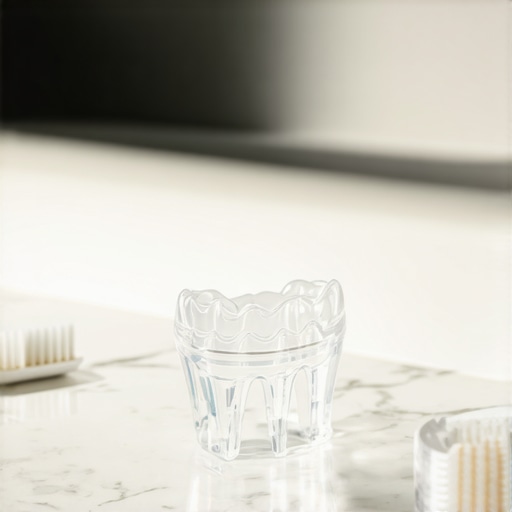
Differentiate Between Pressure and a Failing Bridge
How do you know if the tightness is just morning “grumpiness” or a sign you need a replacement? Usually, if the feeling dissipates after you’ve been awake for an hour and had some coffee, it’s muscle or ligament related. However, if the tightness is accompanied by a sharp pain when you bite, or if you notice a metallic taste, the bridge might be leaking or loose. This is similar to why a new crown feels high when you bite down; it is often a matter of occlusion, or how your teeth meet. If the bridge was recently placed, it might just need a tiny adjustment. But if you’ve had it for ten years, it’s vital to learn how to tell if your dental crown needs to be replaced so you don’t ignore a structural failure.
Adjust Your Nighttime Routine for Better Oral Health
Before bed, try some jaw-stretching exercises. Open your mouth wide and move your jaw side to side gently to reset the muscles. This “de-stressing” of the joint can prevent the heavy-duty clenching that causes the morning squeeze. If you are also considering other cosmetic upgrades, like veneers made simple or invisalign innovation, keeping your current restorations healthy is the first step toward that total smile transformation. I found that even five minutes of mindful jaw relaxation before sleep significantly reduced the tension I felt in my bridge the next day, proving that sometimes the best medicine is just learning to let go of the day’s stress before your head hits the pillow.
Stop Brushing Your Veneers Like They’re Real Teeth
But even if you’ve mastered the art of relaxing your jaw, you might be accidentally sabotaging your smile in the bathroom mirror. Many people assume that because porcelain is tougher than natural enamel in some ways, they should scrub it harder to keep it white. This is the ultimate ‘oops’ factor. In reality, the glaze on your veneers is what provides that lifelike sheen. If you use a heavy-handed technique or a stiff brush, you create micro-scratches that actually trap stains. You need to stop brushing your veneers like they are real teeth and switch to a soft-bristled brush with non-abrasive paste. Most patients don’t realize that the margin where the veneer meets the gum is the most vulnerable spot; aggressive scrubbing leads to recession, which exposes the dark root underneath, making even the most expensive work look aged.
The Hidden Danger of the Charcoal Trend
Everyone says charcoal is a miracle for whitening, but in my experience, it’s a restoration’s worst enemy. If you’ve invested in veneers made simple or a bridge, you must know the truth about using charcoal toothpaste on porcelain surfaces. Charcoal is highly abrasive. While it might polish away a surface stain on natural enamel, it acts like sandpaper on porcelain and bonding. According to a study published by the Journal of the American Dental Association (JADA), products with a high Relative Dentin Abrasivity (RDA) score can permanently dull the luster of cosmetic work in as little as six months. Once that factory shine is gone, you can’t just ‘buff it back’ at home. 
Why do my porcelain veneers look gray in specific lighting?
This is a sophisticated question I get from patients who have had work for a few years. It usually isn’t the porcelain changing color; it’s an issue of ‘light transmission.’ If the veneer was prepped too thin or if the underlying tooth has darkened over time, the natural tooth shade can bleed through the translucent porcelain. This is why why your teeth look gray instead of yellow can be such a complex diagnostic puzzle. It can also happen if the bonding cement has aged or if you are dealing with why your porcelain veneers look dull after five years of wear. Experts at the American Academy of Cosmetic Dentistry note that the ‘graying’ effect often stems from the interaction between the restoration’s opacity and the environment’s Kelvin temperature.
Don’t Short-Circuit Your Orthodontic Progress
If you’re using invisalign innovation to fix your bite, the biggest mistake isn’t forgetting the trays once or twice—it’s the ‘compliance creep.’ I see patients who think 18 hours is ‘good enough,’ but you must understand the problem with wearing your aligners for only 18 hours a day. When the trays are out for too long, the periodontal ligament begins to stiffen, meaning every time you put them back in, you’re essentially starting the ‘movement’ phase over again. This constant back-and-forth leads to ‘root resorption,’ a dangerous condition where the roots of your teeth actually shorten. Have you ever fallen into this trap of thinking ‘close enough’ is okay with your dental care? Let me know in the comments. If you’re ready to fix it, contact us to get back on track.
The Gear Every Veneer Owner Needs
To keep your smile looking as crisp as the day it was bonded, you have to look beyond the basic toothbrush. I personally swear by an electric toothbrush with a built-in pressure sensor. Why? Because even though you’ve transitioned from natural enamel to porcelain, your gums are still the foundation. If you press too hard, you risk recession, which exposes the junction of the veneer. I also recommend an ultrasonic cleaner for anyone wearing removable appliances. Whether you are using a retainer or dealing with how to clean the stubborn gunk out of your night guard, an ultrasonic bath uses high-frequency sound waves to blast away biofilm that a brush simply can’t reach. It is the same technology we use in professional labs to ensure medical-grade cleanliness. For those of us with bridges or veneers made simple, a water flosser on the lowest setting is a non-negotiable tool to keep the interproximal spaces clear without the risk of mechanical dislodgment.
How do I keep my smile from fading over the next ten years?
Maintenance isn’t just about cleaning; it’s about protecting the investment. Longevity comes down to managing the forces and chemistry in your mouth. If you’ve invested in teeth whitening secrets for a sparkling smile in 2025 at 1248, you need to understand that the ‘white diet’ isn’t just for the first 48 hours. I use a reusable glass straw for my morning coffee to bypass my front teeth entirely. Furthermore, for those with restorative work, research in the Journal of Adhesive Dentistry highlights that ‘micro-shear bond strength’ can be compromised by acidic environments. This means if you love lemon water or kombucha, you’re slowly weakening the glue holding your smile together. Neutralizing your oral pH with a quick water rinse after every meal is the cheapest and most effective maintenance hack I’ve ever found. 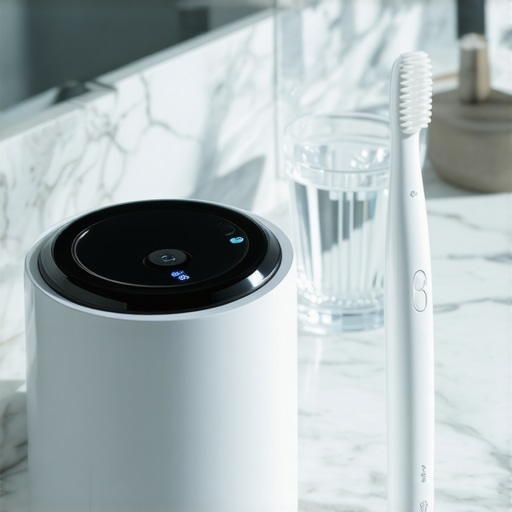
Smart Tech and the Future of Oral Health
The next few years will see a massive shift toward remote monitoring. We are already seeing invisalign innovation utilizing AI-powered apps that scan your teeth through your smartphone to ensure your roots are moving safely. This ‘teledentistry’ model will eventually expand to ensuring family dental care what parents need to know in 2025, allowing parents to catch cavities in their children before a drill is ever needed. For those currently undergoing treatment, don’t let the small stuff slide. If you’ve just finished a session and are struggling with sensitivity, knowing how to manage the zingers after a professional whitening session can keep you from giving up on your maintenance routine. Also, don’t forget the basics of hygiene; if you are using a guard to protect your work, you must stay diligent about how to properly clean a night guard to prevent bacterial buildup. My advanced tip for the week? Buy a pH testing kit for your tap water. If your home water is acidic, you’re bathing your veneers in a slow-acting solvent every time you brush. Switch to a neutral-pH mouthwash to create a protective buffer. If you’re ready to level up your routine, try the ‘straw-only’ challenge for one week and see how much easier it is to keep your polish bright.
Three Secrets Your Dental Bill Won’t Mention
Over the years, I’ve realized that oral health isn’t a ‘set it and forget it’ situation. First, your jaw is incredibly sensitive to stress; if you ignore your anxiety during the day, your dental work will pay for it at 3 AM. If you start hearing noises, you need to know how to fix the clicking sound in your jaw during orthodontic treatment before it becomes a chronic issue. Second, the way your teeth shift is natural, but sudden changes like how to fix the small gap that appeared between your front teeth can impact the fit of an existing bridge. Finally, the best dental work in the world can’t survive a ‘scrubber.’ Softness is your superpower when it comes to longevity.
The Gear That Saved My Restorations
I didn’t achieve a pain-free morning by luck; I changed my toolkit. I highly recommend an ultrasonic cleaner for any removable appliance. Learning how to clean the stubborn gunk out of your night guard with sound waves instead of a brush changed my gum health overnight. I also suggest a dedicated bridge threader or a specialized water flosser. If you’ve been struggling with maintenance, mastering how to clean a dental bridge without getting floss stuck is the single best way to prevent the inflammation that causes that ‘tight’ feeling. Lastly, always keep a pH-neutralizing rinse on hand to protect the bond of your veneers. #IMAGE_PLACEHOLDER_E#
Step Into Your New Smile with Confidence
Waking up with a tight dental bridge doesn’t have to be your new normal. By managing your jaw tension and staying proactive with your hygiene, you can protect your investment for decades to come. Your smile is a living part of you, and it deserves a little grace as it adjusts to the stresses of life. If you have any concerns about your current restorations or are looking for a fresh start, feel free to contact us for expert guidance. Have you ever woken up with that strange ‘clamping’ sensation on your bridge or veneers? Tell me your story in the comments below!