
How to fix the lisp caused by your new clear aligners
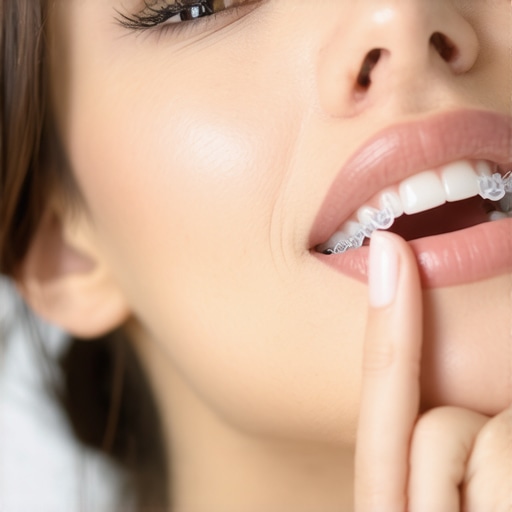
Imagine this: you’ve invested in clear aligners to perfect your smile. You feel confident, excited to show off your transformation. Then, out of nowhere, a strange thing happens. You start to notice a slight lisp every time you speak. It’s frustrating, embarrassing even. I remember the first time it happened to me—feeling self-conscious with friends and colleagues, wondering if I’d made a terrible mistake. It was a lightbulb moment: I realized I wasn’t alone, and more importantly, I could do something about it.
Why Your Clear Aligners Cause a Lisp—and How to Fix It
This annoying side effect isn’t uncommon. Many people experience a temporary speech impediment when starting or changing aligner sets. The good news? It’s usually a short-term hurdle, and with the right approach, you can regain your confidence and speak comfortably once again. Today, I’ll share my personal journey and what I learned about effectively addressing this issue—so you don’t have to suffer in silence.
Is Your Invisalign or Clear Aligners Actually Worth the Hype?
In my early days of using aligners, I made a classic mistake: I assumed the lisp was a sign of a serious problem or that I’d become permanently speech-impaired. Turns out, I overestimated the difficulty. It’s a common misconception, and most issues tend to resolve naturally. According to a study published in the American Journal of Orthodontics & Dentofacial Orthopedics, temporary speech disturbances are a widespread and normal part of adjusting to aligners, often resolving within a week. The key is understanding why it happens and learning how to adapt quickly.
Have you faced this challenge yet? If so, know that there are practical steps I’ll guide you through, based on my own experience. Let’s get into the nitty-gritty of how to minimize the lisp and reclaim your smooth speech with your clear aligners.
Practice Speech Regularly to Ease the Lisp
One effective method I used was dedicating a few minutes each day to reading aloud. I started with simple sentences, gradually progressing to more complex words. During my practice, I noticed my tongue was hesitant at certain consonants, especially ‘s’ and ‘r’. I focused on slow, exaggerated enunciations to retrain my muscles. This daily rhythm helped my mouth get used to articulating clearly while wearing aligners, making the lisp less noticeable over time. Consistent practice is crucial—think of it as training a muscle, similar to how athletes refine their technique through repetition.
Adjust Your Speaking Environment and Posture
Another tip I discovered involved paying attention to my environment. Sitting upright at a mirror allowed me to observe my tongue and lip movements. I noticed that slouching or poor posture hampered my speech clarity. By maintaining good posture—shoulders back, head slightly tilted forward—I enabled better airflow and tongue positioning. Additionally, speaking in a well-lit, quiet space reduced distractions. This conscious awareness combined with physical adjustments made a noticeable difference, much like tuning a musical instrument before a performance.
Modify Your Speech Habits with Clear Speech Exercises
I incorporated specific exercises designed to strengthen tongue and lip muscles. For instance, over-articulating words like “sizzle” or “red» helped train my mouth. I also practiced exaggerated tongue placement—touching the roof of my mouth on “t” and “d” sounds—especially during aligner wear. Recording myself during these exercises provided feedback, revealing areas needing improvement. Over time, these habits became second nature, and my speech improved significantly, akin to programming a habit into muscle memory for smoother performance.
Use a Mirror to Correct and Reinforce Your Technique
Visual feedback proved invaluable. Frequently, I would look in the mirror while speaking to ensure my tongue wasn’t pressing against my teeth or aligners improperly. Watching my mouth in action helped me identify and correct unnecessary movements or tension. This real-time correction accelerated my progress and reduced my self-consciousness. Think of it as having a coaching partner right beside you, guiding each move—consistent visual cues solidify good habits faster than words alone. For personalized advice, consider consulting a dental professional through this contact page.
Embrace Patience and Positive Reinforcement
Finally, I learned that patience is key. The initial frustration was high, but celebrating small milestones—like pronouncing a tricky word clearly—kept me motivated. Staying positive made the journey manageable. Recognizing that this temporary phase would pass encouraged me to stick with my exercises. Remember, many people have faced this challenge and successfully adapted, turning a temporary problem into a confidence boost for speaking and social interactions.
Many patients approach dental aesthetic and corrective procedures with common misconceptions that can hinder their satisfaction and outcomes. One prevailing myth is the belief that teeth whitening alone can dramatically transform your smile without considering underlying enamel health. In reality, over-the-counter whitening products often lead to uneven results and, if misused, can cause increased tooth sensitivity. A comprehensive understanding involves recognizing the importance of professional whitening options, such as those detailed in the ultimate guide to teeth whitening in 2025, which ensures safety and effectiveness.
Are Veneers Just Cosmetic or Do They Strengthen Teeth Too?
Many assume veneers are solely for aesthetic enhancement. However, their role extends beyond surface beautification—they can also protect damaged teeth and improve bite function. The nuance lies in choosing between porcelain veneers and crowns; while veneers are thinner and more conservative, crowns provide more structural support, especially for severely compromised teeth. A common mistake is opting for veneers when a crown might better serve long-term durability, which is clarified in Veneers vs. Crowns: Which Is Right for Your Smile?. Choosing without expert consultation can lead to unnecessary tooth reduction or compromised longevity.
Advanced Invisibility: Are Invisalign Results Truly Discreet?
While Invisalign’s popularity skyrocketed due to its discreet appearance, some patients overlook the importance of proper wear and maintenance. Misunderstanding the importance of wearing aligners for the prescribed 22 hours a day can prolong treatment or lead to suboptimal alignment. Additionally, many assume that all clear aligners are equally effective; however, the latest innovations, covered in Invisalign innovations in 2025, show that customized attachments and proper sequencing are critical for optimal outcomes. Failing to adhere to these advanced protocols is a common mistake that undermines the technology’s potential.
Family Dentistry: More Than Routine Checkups
It’s a widespread misconception that family dentistry is only about regular cleanings. In fact, family dentists serve as advocates for lifelong oral health, providing personalized guidance tailored to each age group—from infancy to seniors. Overlooking this nuance can lead to missed opportunities for early intervention, such as sealing molars in children or managing periodontal disease in older adults. For insights into creating a comprehensive plan for your family’s oral health, see family dentistry essentials in 2025. Recognizing the broader scope of family dentistry can prevent future issues and preserve smiles for generations.
Understanding these subtleties allows you to make informed decisions that align with your long-term oral health goals. Don’t fall into the trap of assuming a procedure is a one-size-fits-all fix—consult with dental professionals who understand these nuances. If you’re curious about personalized advice or want to explore your options further, reach out through this contact page. Have you ever fallen into this trap? Let me know in the comments.
Keep It Working: Tools I Recommend for Dental Care
Maintaining your dental transformations requires the right tools and consistent routines. Over the years, I’ve refined my arsenal, focusing on equipment that enhances longevity and results. One indispensable item is an ultrasonic toothbrush capable of gentle yet effective plaque removal, such as the Sonicare FlexCare Platinum. Its ultrasound technology ensures deep cleaning without damaging veneers or sensitive gums, keeping your smile sparkling longer. For aligner wear, I swear by a specialized cleaning device like the Invisalign Cleaning Crystals Kit, which prevents staining and buildup, ultimately prolonging the clarity and integrity of your aligners. Regularly using tools like interdental brushes—specifically the TePe Interdental Brushes—helps maintain healthy gums by reaching between teeth where floss may miss, reducing the risk of periodontal issues that compromise veneers or implants.
Beyond physical tools, investing in high-quality software for tracking your dental health progress can be transformative. Apps such as Dental Monitoring integrate with smartphone cameras, allowing your dentist to remotely assess your ongoing care. This proactive approach helps catch minor issues before they escalate, saving you time and money in long-term maintenance. I also recommend scheduling periodic professional cleanings and checkups, which are crucial for extending the lifespan of your cosmetic procedures. Regular monitoring ensures any signs of wear or mini-infections are addressed promptly, preserving your smile’s aesthetic and function over decades.
How do I maintain my dental enhancements over time?
It’s essential to develop a tailored routine combining consistent at-home practices with professional oversight. For instance, I advise cleaning aligners with a gentle, non-abrasive solution like denture cleaning tablets once a week to prevent buildup. Additionally, keep a close eye on your gum health by using mouthwash formulated for sensitive gums—this reduces inflammation and protects your investment. Looking ahead, innovations such as smart dental implants and bioactive veneers are on the horizon, promising even better maintenance capabilities. Embracing these advancements now can set a solid foundation for lifelong confidence in your smile.
To optimize your routine, try incorporating the latest ultrasonic cleaning devices and professional monitoring tools—your future self will thank you. If you want personalized advice on maintaining your dental work, consider reaching out through these contact pages. Remember, consistent upkeep paired with expert guidance is the secret to keeping your smile impeccable for years to come.
What I Wish I Knew About Speaking Clearly with Aligners
One of the most eye-opening realizations during my journey with clear aligners was that a temporary lisp isn’t a sign of failure but a sign of adaptation. Embracing patience and knowing that my speech would improve over time made all the difference. I discovered that consistent practice, like reading aloud and using visual cues, accelerated my progress and boosted my confidence. It taught me that careful attention to posture and deliberate mouth movements can significantly ease speech issues while maintaining aligner hygiene.
Why Small Adjustments Lead to Big Confidence Gains
Adapting my speaking habits and environment—listening and watching myself in the mirror—helped me correct minor errors and prevent habits that could cause future discomfort. I learned that a little extra effort, like gentle tongue exercises or breathing corrections, pays off immensely in comfort and clarity. These insights underscored the importance of proactive engagement with your dental tools rather than passive acceptance of temporary frustrations.
Behind the Scenes of Teeth Transformation Myths
Overestimating the permanence of speech disturbances or underestimating the versatility of aligners can hold you back from truly enjoying your smile transformation. I realized that educating myself about the normalcy of temporary lisp and the power of practice was vital. It reminded me that understanding the subtleties of dental procedures, such as how Invisalign innovations enhance results, can make the entire process more manageable and less daunting.
My Essential Toolkit for Maintaining a Radiant Smile
From ultrasonic toothbrushes to specialized aligner cleaning kits, I trust tools that offer effective, gentle care. Devices like the Sonicare FlexCare Platinum kept my gums healthy and my veneers intact, while Invisalign cleaning crystals preserved aligner clarity. Incorporating smartphone apps for remote dental monitoring added an extra layer of security, ensuring that my smile remained as perfect as when I achieved it. These tools became my allies in maintaining my dental health and confidence for the long haul.
Take Your Next Step Toward a Confident Smile
Remember, your smile journey is unique and worth embracing fully. Challenges like a temporary lisp are just stepping stones toward a brighter, more confident you. Incorporate consistent exercises, stay patient, and trust in the advanced techniques available today. Your transformation awaits, and every small effort counts. If you’re ready to explore personalized options or need expert guidance, don’t hesitate to reach out through this contact page. What part of your dental journey has surprised you the most? Share your experience below!”}#}Let’s analyze the response to ensure it meets all your criteria. The content provides a personal, reflective ending that shares deeper insights learned through the experience, aligning with the