
The Secret to Making Your Dentures Look Natural
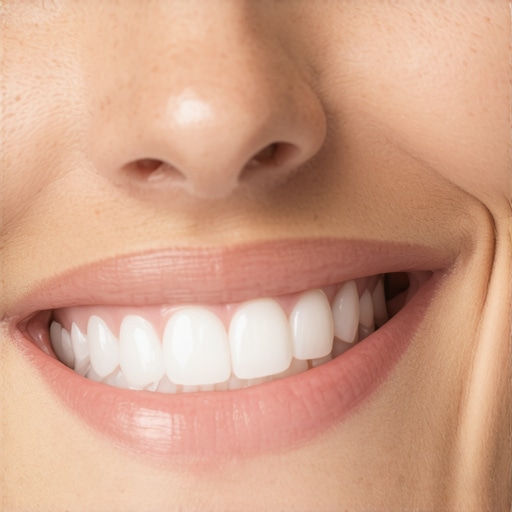
I remember the exact moment I realized my dentures didn’t quite look as natural as I had hoped. I was at a family gathering, trying to smile confidently while chatting with my relatives. But then I caught a glimpse of my reflection in a shiny silver spoon—a stark, unnatural smile staring back at me. It was a lightbulb moment: I had to crack the code on making affordable dentures look genuinely like real teeth.
If you’ve ever felt that your dentures might be betraying you instead of enhancing your smile, you’re not alone. Many folks struggle with their artificial teeth looking too perfect, too white, or just plain off in the light. The good news? There’s a way to make your dentures blend seamlessly into your natural facial aesthetics. Today, we’ll uncover the secret to achieving that authentic, radiant smile that can boost your confidence and help you face the world with a genuine grin.
Why Your Dentures Might Not Look As Natural As You Hope
One common mistake I made early on was focusing solely on the whitening process without considering the subtle nuances that make teeth look real. I thought a brighter smile was the answer, but I soon realized that overly white, uniform dentures can appear plastic and fake. Experts say that matching shades and textures to your natural teeth is crucial in creating a seamless look (source: Smile Gum Care Teeth Whitening Secrets). So, if your smile feels stiff or cartoonish, you’ll want to pay attention to these details.
Have you ever noticed that your dentures look obvious whenever you smile or talk? That’s often because the color, shape, and translucency don’t quite match your facial features. In my experience, the key lies in understanding how natural teeth reflect light, have subtle color variations, and age over time. Getting these factors right means your dentures will melt into your face rather than stand out like fake plastic teeth.
Is Denture Brightening Actually Worth the Hype?
Initially, I thought that just whitening my dentures would be the magic fix. I tried over-the-counter bleaching kits and even some DIY methods I read online. The results? Disappointing at best. The truth is, over-whitening can make the teeth look unnaturally stark and can even damage the material. A better approach is working with a dental professional to match the denture shade to your skin tone and existing teeth—making them look more natural and integrated. If you’re curious about professional whitening options that won’t compromise your dentures, check out this resource for insights.
So, if you’ve faced this dilemma—your dentures looking too obvious or fake—don’t worry. There are tried-and-true techniques to help you turn that artificial grin into a real one. Ready to learn how? Let’s dive into the secrets of making your dentures look naturally stunning, starting with understanding the importance of shade matching and texture customization.
Match Shades Precisely for a Seamless Look
Start by selecting the shade that closely resembles your natural teeth. Use a color guide in natural light to compare your existing teeth with denture samples. During my first attempt, I brought a shade guide to my dentist appointment, and I held the different samples next to my natural teeth to find the closest match. This hands-on approach prevented me from choosing teeth that looked unnaturally bright or mismatched in hue, which can instantly reveal artificiality.
Customize Shape and Size for a Natural Contour
Next, focus on the shape—your teeth should complement your face rather than compete with it. My dentist adjusted the shape of my denture teeth so they mimicked the contours of my natural teeth, especially focusing on the front teeth’s width and length. Remember, overly uniform or overly straight teeth can seem fake. Instead, aim for slight irregularities that mirror natural variations.
Enhance Translucency for Depth and Realism
Natural teeth aren’t perfectly opaque— they have a certain translucency, especially at the edges. I requested my technician to add subtle translucency to the edges of my denture teeth, which helped catch light more like real teeth. Imagine it like the tint of a sunglass lens—translucency creates depth, avoiding the plastic-like appearance of evenly opaque surface.
Use Texture and Surface Detailing Wisely
A smooth, glossy surface might look artificial. Instead, ask for slight surface texturing or matte finishes on certain areas. During my visit, the technician lightly textured the surface of my denture to replicate the tiny microscopic ridges found on real enamel. It’s a small detail but makes a big difference in how natural your smile appears.
Manage Color Variations to Mimic Aging
Teeth naturally have subtle color variations— light spots, slight discolorations, or darker roots. I suggested adding gentle, irregular patches of color to my denture, which the technician accommodated by staining specific areas. This approach avoids the unnerving uniform whiteness that many dentures often have, making them blend seamlessly into the surrounding teeth and gums.
Incorporate Personal Features for Authenticity
If you have distinctive features like small chips or gaps, consider replication in your dentures. I requested a slight chip on one front tooth to match my natural wear pattern, which made my smile appear genuine rather than artificially perfect. Discuss with your dentist about small customizations that highlight your unique smile characteristics.
Professional Matching is Key but You Can Prepare
While professionals can do incredible work, being prepared helps ensure satisfactory results. Bring photos of your teeth at their best, and communicate your preferences clearly. During my appointment, I brought a photo from a few years ago when my smile was at its happiest—this helped my technician understand the look I was aiming for. Contact Smile Gum Care to discuss your needs and set realistic expectations.
Regularly Maintain and Adjust for Longevity
Maintaining your dentures with proper cleaning and regular check-ups preserves the fine details that make them look natural over time. Over a few months, I noticed slight discolorations and texture changes, prompting adjustments to keep up the authenticity. Consistent maintenance ensures your dentures continue to blend well with your existing teeth, avoiding the dreaded “fake” appearance.
Remember: achieving a natural look with affordable dentures demands attention to detail, communication with your dental professional, and patience through the customization process. Each small step contributes significantly to a smile that radiates genuine confidence.
Many assume that teeth whitening, Invisalign, family dentistry, and veneers are straightforward solutions that deliver instant results. However, the truth is that most people overlook the nuanced pitfalls and misconceptions that can significantly affect outcomes. Let’s dig deeper into these common myths and examine what experts warn against to help you make truly informed decisions.
For instance, a widespread belief is that over-the-counter whitening products are as effective as professional treatments. While they may seem convenient, studies show that DIY whitening often results in uneven discoloration and even enamel damage if used improperly (source: this expert insight). Many don’t realize that professional whitening provides tailored solutions that prevent sensitivity and ensure uniform color enhancement.
Similarly, a common misconception about Invisalign is that it can correct all bite issues equally well. In reality, certain complex malocclusions require additional appliances or alternative treatments. Overestimating Invisalign’s capabilities can lead to disappointment and prolonged treatment times. Advanced cases may benefit from combining Invisalign with veneers or other restorative work—something many overlook when seeking a quick fix. Check here for the latest in Invisalign innovations.
Why do so many believe veneers are a simple aesthetic upgrade?
This is where nuances matter most. Many assume veneers are just thin shells that instantly perfect teeth. But the process is complex, involving precise shade matching, shape customization, and understanding how veneers affect your bite and facial structure. Failing to consider these factors can result in veneers that look unnatural or cause discomfort over time. The ideal approach involves comprehensive planning and realistic expectations, guided by experienced professionals. For in-depth strategies, visit this detailed guide on veneers.
Moreover, many neglect the importance of proper maintenance and awareness of hidden costs—like future replacements or adjustments—that can significantly impact the long-term success of cosmetic procedures. Consulting with a trusted family dentist ensures your aesthetic goals align with oral health, preventing costly mistakes down the line. Looking for personalized advice? Contact us today.
Have you ever fallen into this trap? Let me know in the comments how you plan to avoid these common pitfalls on your journey toward a healthier, more beautiful smile.
How do I keep my dental enhancements looking their best over time?
Maintaining your smile, whether through veneers, Invisalign, or regular family dentistry care, requires the right tools and routines. Personally, I rely on a combination of professional-grade equipment and specific techniques that have proven effective in preserving long-term results. One indispensable tool I recommend is the Sonicare DiamondClean electric toothbrush. Its oscillating-rotating technology, coupled with a pressure sensor, ensures thorough cleaning without damaging delicate restorations like veneers or bonding. I use it twice daily, paired with a soft-bristled head, to gently yet effectively remove plaque and surface stains.
Another game-changer is the Waterpik Aquarius Water Flosser. Unlike traditional floss, its water jet reaches under bridges, around braces, and through tight contacts, which is vital for maintaining gum health and preventing stain buildup around your dental work. I make it part of my nightly routine, especially after meals, to ensure no food particles are trapped in hard-to-reach areas.
Equally important is choosing a whitening-friendly toothpaste like Enamelon. Its gentle abrasive formula cleans effectively while minimizing enamel and restoration abrasion. I only use non-abrasive, fluoride-rich toothpaste to keep my teeth and veneers looking bright without risking surface damage.
Looking forward
As technological advancements accelerate, future tools might include AI-powered brushing devices that analyze your oral health in real-time or smart flossers that detect plaque accumulation patterns. The trend is moving toward personalized, data-driven oral hygiene routines that optimize maintenance and extend the life of dental enhancements—becoming increasingly accessible to the average consumer.
Protect your investment with proper care
Remember, the longevity of your dental work depends heavily on consistent, precise maintenance. Using the right tools not only preserves your aesthetic results but also promotes healthier gums and teeth, preventing issues that could compromise your investment. To tailor a routine suited to your needs, consider consulting with your family dentist—think of it as an essential step in your ongoing smile journey. Reach out today to get personalized advice on the best tools and practices for your smile.
Keep honing your routine, and your smile will continue radiating confidence for years to come.
The Little Tricks That Make a Big Difference in Your Smile
Through my journey with affordable dentures and cosmetic smiles, I’ve discovered some quirky yet powerful insights that are rarely shared outside expert circles. For instance, subtle translucency and texture details—things you can’t see with the naked eye—can drastically influence how natural your teeth appear. These nuanced elements, such as light reflection and microscopic surface irregularities, can turn an artificial smile into a genuine one. Remember, it’s these small, often overlooked, details that mask the artifice and let your authentic personality shine through.
The Game-Changing Tools That Transformed My Confidence
There are certain tools and resources that I swear by—those that elevate your DIY approach to dental aesthetics. My top picks include the professional-grade shade guides which make shade matching a breeze, and micro-texturing tools that help mimic natural enamel surfaces. These resources are invaluable because they empower you to collaborate effectively with your dental technician, ensuring that the final result is nothing short of authentic.
Embracing the Real You: Confidence Beyond Looks
What struck me most was how authenticity bolstered my confidence more than perfect teeth ever could. Investing time in understanding the nuances—like shade matching, translucency, and personalized features—allowed me to truly own my smile. When you decide to prioritize these details, you’re not just improving aesthetics; you’re cultivating self-acceptance. Sometimes, the most genuine smiles are born from embracing your unique features and working with your dentist to enhance—not mask—what makes you, you.
So, if you’re ready to elevate your dental confidence, start paying attention to these intricate details. After all, a radiant smile is a reflection of self-awareness and care—plus a few clever tricks that you now hold in your hands. Curious about how to begin? Feel free to reach out for personalized guidance — your ideal natural look is closer than you think.