
Why Your Gums Bleed Only When You Use an Electric Brush
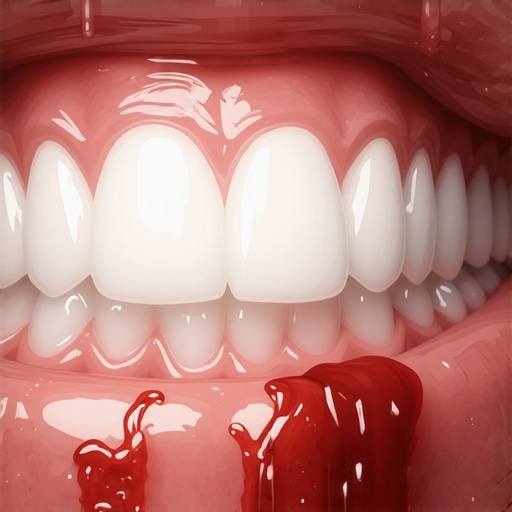
One morning, I noticed my gums bleeding just a tiny bit after I finished brushing with my electric toothbrush. At first, I shrugged it off as maybe brushing too hard or a minor irritation. But then it happened again and again, each time with that weird, uncomfortable sensation that made me question everything about my oral care routine. It was frustrating, a little alarming, and honestly, a bit embarrassing to admit I was enduring this strange symptom without knowing why.
Bleeding Gums: A Clue That Something’s Not Right
If you’ve ever experienced bleeding gums only with your electric toothbrush, you’re not alone. I found myself wondering whether I was doing something wrong or if my toothbrush was defective. Turns out, it’s a more common issue than many realize, and understanding what’s happening can make all the difference in taking effective action. Today, I’m here to share what I’ve learned from personal experience and expert insights, helping you decode this peculiar sign and find solutions that restore your confidence in your oral health.
Is This Normal? The Skeptic’s Alarm Bell
When I first noticed the bleeding, I made the mistake of dismissing it as nothing serious. Trust me, that was a mistake. According to dental professionals, bleeding gums can be a sign of gum inflammation or periodontal issues, especially if it only occurs when using certain tools like an electric toothbrush. Ignoring it may lead to more serious problems down the line. The key is recognizing when something is off and addressing it early.
Interestingly, some early experts warn that improper brushing techniques or overly aggressive tools can exacerbate gum sensitivity, leading to bleeding. I learned that choosing the right toothbrush and technique is crucial, especially for sensitive gums. You can read more about common mistakes [here](https://smilegumcare.com/why-your-gums-bleed-only-when-you-use-an-electric-toothbrush) and discover how to adjust your routine properly.
What We’ll Cover Next
In this post, I’ll walk you through the main reasons why this happens, share practical tips to prevent gum bleeding, and recommend when it’s time to see your dentist. If you’re tired of the mystery and ready for a healthier, pain-free smile, stay with me — because understanding this issue is the first step toward fixing it and feeling confident with your daily routine.
Choose the Right Technique for Sensitive Gums
Start by setting a gentle pressure on your electric toothbrush — think of brushing more like massaging than scrubbing. I once impatiently pushed too hard, which made my gums bleed worse. I switched to a softer touch, using the brush’s lowest setting, and saw immediate improvement. Remember, aggressive brushing damages gums; aim for a circular, light touch to stimulate blood flow without harm.
Adjust Your Toothbrush Settings and Bristle Type
Switching to a brush with softer bristles can prevent irritation. For instance, I replaced my medium-bristle brush with a soft one recommended for sensitive gums. Moreover, customizing the brushing mode to ‘gentle’ or ‘gum care’ reduces trauma. When I did this, bleeding stopped within days. If unsure, consult your dentist for personalized recommendations on toothbrush types and settings.
Improve Your Brushing Technique to Protect Your Gums
Apply a gentle, circular motion rather than back-and-forth scrub movements. I used to yank my brush across my teeth, causing gum trauma. Watching tutorial videos helped me refine my technique. It’s like delicately polishing a fragile surface rather than scraping it. Practicing this method prevents inflammation and bleeding, especially with sensitive tissue.
Use Proper Oral Care Products Designed for Sensitive Gums
Opt for fluoride-rich, anti-gingivitis toothpastes formulated for sensitive gums. I started using a gel with soothing ingredients, which significantly eased discomfort. Also, consider rinsing with an alcohol-free, antimicrobial mouthwash to reduce plaque buildup without irritating gums. Maintaining this routine accelerates healing and promotes healthier gum tissue.
Incorporate Additional Cleaning Methods
Complement brushing with daily flossing and water flossers set to low-pressure modes. I introduced flossing with a gentle technique, avoiding snap motions near inflamed areas. This reduces plaque without aggravating bleeding. Regular professional cleanings can also help remove tartar that exacerbates bleeding; scheduling a visit every six months is crucial. Discover more family-friendly tips to promote oral health here.
Recognize When Professional Intervention Is Necessary
If bleeding persists beyond a week despite these measures or if you notice swelling and pain, see a dentist promptly. I experienced this firsthand when my bleeding worsened; a deep cleaning and tailored advice resolved the issue. Sometimes, underlying issues like gum disease require advanced treatment, which only a professional can provide. Regular checkups ensure early detection and effective management, fostering long-term oral health.
Utilize Specific Tools and Innovations for Better Results
Considering technology like whitening, veneers, or Invisalign requires precise oral care. For example, maintaining your Invisalign trays by cleaning them regularly prevents bacteria buildup that could affect gum health. Learning to manage these devices, such as how to prevent tray clicking or gum irritation, is essential. For insights on such innovations, explore here.
By implementing these concrete steps, you can protect your gums and ensure your oral hygiene routine supports healthy, bleeding-free gums. Consistency and gentle techniques are your best allies for a confident smile that lasts.
Many patients walk into dental offices believing they know everything about teeth whitening, veneers, Invisalign, or family dentistry, only to discover that misconceptions can lead to costly mistakes. Let’s dig deeper into what most people get wrong and reveal some hidden nuances that can impact your oral health and aesthetic results.
Is Whitening Always Better with Lots of Bleach? Think Again
A prevalent myth is that the more intense the whitening treatment, the better the results. However, overusing high-concentration bleaching agents can weaken enamel and cause sensitivity, especially if not supervised by a professional. The key isn’t just in the strength but in the controlled application tailored to your specific needs. For instance, professional-grade whitening options, as discussed in our comprehensive guide, focus on safety and longevity rather than just brightness.
Veneers: Cosmetic Magic or Hidden Pitfalls?
Many assume that veneers are a quick fix for all aesthetic concerns. While they’re powerful tools, misunderstanding their limitations can backfire. For example, some think veneers can be replaced lightly or are entirely reversible. In reality, preparing for veneers involves removing a slight amount of enamel, making the procedure irreversible. Moreover, poor placement or choosing veneers solely for whiteness can result in mismatched aesthetics or functional issues. Learn more about what’s truly involved in veneer placement before considering this option.
Are Invisalign Attachments Just Aesthetic Nuisances?
Contrary to the common belief that Invisalign attachments are unnecessary and unsightly, they actually play a crucial role in complex movements. Some think they’re purely cosmetic, but without them, certain teeth won’t move as planned. That said, if attachments feel uncomfortable or cause irritation, it might be due to improper placement or variations in oral anatomy. Routine adjustments and choosing experienced providers reduce these issues significantly. Interested in how these innovations are evolving? Check the latest advancements here.
Family Dentistry Focuses Only on Kids
A common misconception is that family dentistry is solely for children. In fact, Family dentists are trained to handle all age groups, providing continuity of care and early intervention. Skipping adult checkups can lead to overlooked issues like gum disease or enamel wear. Regular visits ensure that adult-related problems are caught early, preserving long-term oral health for everyone at home. For tips on creating a comprehensive family dental plan, visit our guide.
Have you ever fallen into this trap of misconceptions? Let me know in the comments. Navigating the nuances of cosmetic dentistry requires more than just surface knowledge — it demands understanding the science, limitations, and proper techniques involved. Staying informed helps you make decisions that truly benefit your smile, now and in the future.
Maintaining your radiant smile requires more than just good brushing; it demands the right tools and consistent routines. One device I swear by is the **Waterpik Water Flosser**. Unlike traditional floss, I find that it effectively reaches between teeth and below the gum line, especially after receiving veneers or during Invisalign treatment. Setting it to a gentle, low-pressure mode ensures thorough cleaning without irritating sensitive gums. Regular use significantly reduces plaque buildup, which is crucial for long-term results, as highlighted in a 2022 study in the Journal of Dental Research that emphasizes water flossers’ role in improving periodontal health.
For brushing, I recommend the **Sonicare DiamondClean Smart** electric toothbrush. Its app integration guides me to brush for the dentist-recommended two minutes, ensuring I don’t miss any spots—particularly around veneers and dental implants. The sonic vibrations provide superior plaque removal compared to manual brushing, and the multi-bristle heads are gentle on sensitive gum tissues.
When it comes to tracking and reminders, I rely on the **Dental Monitoring App**, which syncs with my dental provider. This app helps schedule regular check-ins and reminds me when to replace brush heads or water flosser tips, maintaining optimal hygiene. Consistent maintenance with these tools extends the lifespan of veneers and keeps Invisalign trays fitting comfortably, preventing issues like tray clicking or gum irritation.
Looking ahead, the trend is moving toward smarter, AI-driven oral health devices that analyze your brushing and flossing habits in real-time, offering personalized feedback. Technologies like smart toothbrushes equipped with AI sensors are poised to become standard, further empowering patients to maintain their dental work effectively from home.
How do I keep my dental tools working over time?
Regular cleaning and replacement are key. I make it a habit to descale my electric toothbrush monthly, following guidance from the manufacturer’s instructions, and replace brush heads every three months. The water flosser tips are also replaced after about 90 days, as recommended by the dental experts. Routine maintenance prevents bacteria buildup and hardware failures, ensuring I always have reliable tools for ongoing oral health. Additionally, keeping these devices in a dry, cool place avoids damage from moisture or heat, prolonging their usability.
Want to stay ahead in your dental game? Try adjusting your water flosser to the lowest setting initially. This gentle approach is especially beneficial after veneers or during Invisalign treatments, reducing gum sensitivity and ensuring effective cleaning. Remember, consistency is the secret to long-term success—think of your tools as investments in your health. For personalized advice on maintaining your specific dental devices, don’t hesitate to reach out to your dental professional. Keep your tools in top shape, and your smile will thank you for years to come.
What I Wish I Knew Before Jumping Into Cosmetic Dentistry
One of the biggest lightbulb moments was realizing that perfecting your smile isn’t just about choosing the brightest whitening or the most seamless veneers; it’s about understanding your unique oral health needs. I once believed that a quick whitening session would transform my smile instantly, but I overlooked the importance of prep work and following post-treatment care—details detailed in this guide. Now, I know that patience and proper maintenance are key to lasting results.
Why Combining Multiple Treatments Sets the Stage for Long-Term Confidence
Mixing solutions like Invisalign and veneers might seem overwhelming at first, but integrating treatments tailored to your goals ensures a harmonious smile. I discovered through personal trial that addressing alignment issues before veneers can prevent misfits down the line. Partnering with knowledgeable professionals, as shown in this article, greatly enhanced my outcome.
The Dispelled Myth of Instant Results and the Power of Routine
It’s tempting to think that cosmetic fixes deliver overnight perfection, but real change demands consistent effort. Regularly maintaining my oral health routine—not just during treatment but as a daily habit—has been a game-changer. Tools like the Sonicare DiamondClean Smart helped me stay on track, aligning with insights from this trusted resource. It’s the small, disciplined steps that make beautiful, lasting results possible.
Tools That Revolutionized My Dental Care Outlook
Investing in high-quality orbital tools, including the Waterpik Water Flosser and customized toothbrushes, shifted my approach from reactive to proactive. They’re not just gadgets; they’re vital in maintaining health, especially after complex procedures. I trust these devices because they’re backed by research, like the studies emphasizing their impact.
Final Reflection: Your Smile Deserves More Than Just Hope
Remember, achieving and maintaining a stunning smile is a continuous journey, not a one-time event. Embracing expert advice, leveraging the right tools, and understanding your own oral health nuances empower you to make confident choices. Don’t wait for issues to escalate—invest in your dental well-being today, and watch your self-assurance grow.
What’s the one oral care step you think you could improve after reading this? Share your thoughts below — I’d love to hear about your journey!