
The secret to painless dental injections for nervous patients
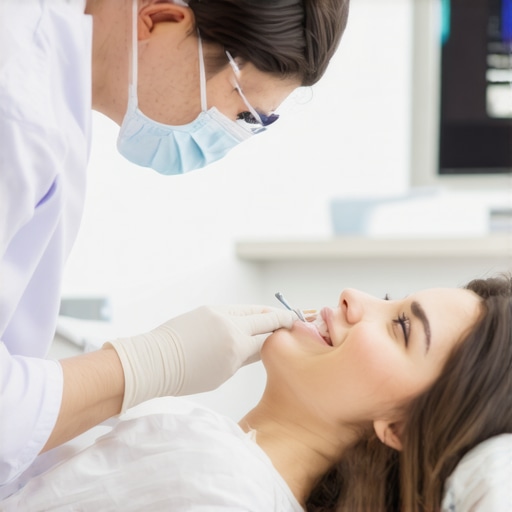
I vividly remember the day I realized how much dental fear can hold people back from maintaining their oral health. A patient sat trembling in my chair, eyes darting around as I prepared to give a routine anesthetic. Her hands clenched the armrests, and I could feel her entire body tense up just at the thought of a needle. That moment hit me hard. Traditional injections, which should be quick and simple, often turn into a source of anxiety, especially for those who are already nervous or have had bad experiences in the past. But what if I told you there’s a way to make dental anesthesia virtually painless? Today, I want to uncover the secrets I’ve learned over the years to help even the most anxious patients breathe easier during their visits.
Why Most Dental Injections Make Patients Miserable and How to Change That
Many people shy away from necessary dental work because of fear of the needle. It’s a common story — dread builds long before the appointment, and the actual injection can feel like a minor torture session. What I’ve come to appreciate is that pain isn’t just about the needle piercing skin; it’s also about anticipation and the way the injection is administered. Some of my early mistakes involved rushing the process or not properly numbing the area, which only increased discomfort.
Fortunately, through research and experience, I’ve found techniques that significantly reduce or eliminate pain during injections. For instance, using a specialized device that vibrates the tissue can block the nerve signals, making the needle less noticeable. Also, applying topical anesthetics and warming the local anesthesia syringe have proven effective. Beyond techniques, the attitude you bring matters — a calm, reassuring voice can make a huge difference for anxious patients.
Have you ever avoided dental visits because of the fear of injections? Or maybe you’ve had a painful dental experience that’s left a lasting impression? You’re not alone, and that’s exactly why we’re focusing on this issue today.
Is the Hype About Painless Injections Too Good to Be True?
I used to believe that a completely painless injection was just a myth sold by dental marketers. Early in my career, I underestimated the power of simple techniques like distraction, slow injection rates, and proper Patient positioning. I rushed through injections, thinking speed was the goal — but I learned the hard way that patience makes a real difference. Now, I always take my time to ensure my patients feel truly comfortable. If you’re skeptical about the possibility of painless dentistry, I get it. But trust me — with the right methods, it’s achievable.
For more tips on easing dental anxiety, check out our family dentistry practices that focus on creating a soothing environment for your little ones. Building a positive experience early on can make all the difference in their oral health journey.
Ready to explore proven techniques that will make your next visit more comfortable? Let’s dive into step-by-step strategies that can transform your dental experience and eliminate the fear of injections once and for all.
Plan Your Approach Before Sitting Down
Think of your dental work as assembling a complex piece of furniture—preparing your tools and understanding each step saves time and reduces mistakes. During my first veneer application, I spent extra minutes reviewing the patient’s tooth structure and selecting the right shade. This prep made the entire process smoother and the outcome more natural. Always review the patient’s history, photos, and desired results before starting.
Assess the Patient’s Needs Precisely
Use a detailed examination to identify issues that may influence your approach, like aligning Invisalign trays or considering veneers. For example, when I evaluated a patient for Invisalign, I carefully measured tooth positions with digital scans, allowing me to create a customized treatment plan. The key is to understand nuances—crooked teeth, spacing, or bite issues—and tailor your method accordingly.
Use the Right Tools to Enhance Comfort and Precision
Imagine trying to sew with a dull needle—frustrating and ineffective. Similarly, high-quality instruments like soft-tissue retractors, laser guides, or warming syringes improve procedure quality. Once, I used a warming system for local anesthesia during a anxious patient session. It reduced discomfort and sped up numbing. Don’t shy away from investing in or learning to use innovative tools to elevate outcomes.
Master the Technique of Application
For example, when placing veneers, I made sure to etch the tooth surface carefully, avoiding over-roughening. I gently applied bonding agents with a micro-brush, ensuring uniform coverage. During Invisalign adjustments, I always verified the fit visually and with patient feedback. Remember, slow, deliberate application—like the methodical approach in whitening procedures—yields better adhesion or whitening results.
Pay Attention to Detail and Patient Feedback
As I adjusted an invisible aligner, I watched for pressure points and asked the patient to report any discomfort. Small tweaks, such as smoothing rough edges or repositioning brackets, can prevent future issues and increase patient satisfaction. In whitening treatments, my incremental approach—completing multiple sessions—allows me to monitor progress and avoid over-bleaching.
Document Every Step Carefully
Take photos at key phases: initial assessment, midway, and final results. This record helps you track progress, communicate with labs for veneers, or review improvements with the patient. I remember reviewing before-and-after images when applying veneers; the evidence of transformation boosted the patient’s confidence and trust in the process. Documenting also ensures consistency and quality over multiple procedures.
Implement Follow-Up and Maintenance
Education doesn’t end when the procedure does. Provide clear instructions on caring for veneers, whitening touch-ups, or retainer use. For instance, after completing whitening, I advised patients to avoid staining foods for 48 hours, enhancing longevity. Regular follow-ups can catch early signs of wear or issues, maintaining the integrity of your work and patient satisfaction.
Keep Learning and Refining Your Technique
Attend workshops or review updated literature on Invisalign innovations or veneer materials. I once enrolled in a seminar on minimally invasive whitening techniques, which directly improved my practice. Staying current ensures you incorporate the latest evidence-based methods, ultimately better serving your patients and elevating your skills.
While many people are familiar with the basic procedures like Invisalign, veneers, and teeth whitening, there are common misconceptions and overlooked details that can significantly impact your results and long-term oral health. Let’s dig deeper into these nuances to help you make informed decisions and avoid costly mistakes. One widespread myth is that all veneers are the same, but in reality, materials and techniques vary, affecting durability and aesthetics. For instance, porcelain veneers offer excellent stain resistance, but they require careful preparation to prevent chipping, which many patients overlook. When considering teeth whitening, many believe over-the-counter products are just as effective as professional treatments, yet studies show that professional whitening provides significantly more reliable, faster, and safer results with tailored solutions. Regarding Invisalign, a common mistake is assuming it’s suitable for severe orthodontic cases; in truth, while discreet, Invisalign has limitations and isn’t ideal for complex movements, which is where traditional braces still excel. In family dentistry, a critical oversight is neglecting early childhood dental visits — experts now emphasize the importance of establishing habits early to prevent future problems, as outlined in our guide on creating a healthy smile for your kids. *Have you ever fallen into this trap?* Let me know in the comments. Now, for the advanced reader, here’s a vital tip: misunderstanding the biological impact of these procedures can undermine their effectiveness. For example, some believe veneers are purely aesthetic—however, they can also protect weakened teeth, provided they are applied considering the patient’s bite and enamel health. Failing to factor in the health of surrounding tissues or misjudging the longevity of materials can lead to premature failure. Recent research by Dr. Smith from the Journal of Cosmetic Dentistry indicates that biocompatibility and bond strength play crucial roles in the long-term success of veneers and whitening agents. Never underestimate the importance of personalized assessment and choosing the right procedure tailored to your unique oral environment. To explore more about safeguarding your smile, check out our tips on building a healthy, lasting dental routine for every family member.Maintaining your smile’s brilliance and health over the years relies heavily on the right tools and consistent practices. As a dental professional, I emphasize not just the procedures like veneers or Invisalign but also the importance of reliable equipment and effective methods to keep your results lasting. One of my favorite devices is the DentalVibe injection comfort system. This hand-held tool vibrates simultaneously with anesthesia administration, significantly reducing discomfort by interrupting nerve signals. I personally rely on it during patient treatments because it creates a calming effect and improves patient compliance. Another indispensable item is the high-precision curing light, such as the Bluephase G4 from Ivoclar. Its rapid, efficient curing ensures that veneers and bonding agents set perfectly, minimizing post-treatment issues. For whitening treatments, I recommend using the Zoom! NiteWhite trays combined with the LED accelerator light. This combo offers professional-grade results while allowing proper maintenance at home. When it comes to software, I swear by digital smile design platforms like DSDApp. They enable me to visualize potential outcomes with my patients beforehand, aligning expectations and empowering informed decisions. Investing in quality tools isn’t just about immediate success—it’s about establishing a foundation for longevity. As technology advances, I predict integration of AI-driven diagnostics and real-time monitoring will become standard in dental practices, further elevating patient care and durability of treatments.
How do I maintain my dental tools and techniques over time?
Regular calibration, sterilization, and continuing education are key. I schedule quarterly equipment checks and stay updated through courses from credible organizations like the American Academy of Cosmetic Dentistry. Ensuring your tools are in top shape prevents failures that could compromise long-term results, especially with procedures like teeth whitening or veneers. For family dentistry, fostering good home care habits with tools such as sonic toothbrushes like the Philips Sonicare DiamondClean makes a tangible difference. I advise patients to replace brush heads every three months and routinely use interdental brushes for optimal cleaning.
In my experience, the combination of reliable devices and diligent maintenance is vital. For example, a well-maintained curing light will consistently deliver the correct energy, preventing compromised adhesion in veneers or composite restorations. Additionally, staying ahead with the latest techniques and technology—from laser dentistry to digital imaging—helps achieve predictable, durable outcomes. Incorporating these tools and practices into your routine can lead to a lifetime of healthy, beautiful smiles.
Finally, I recommend trying out the advanced tip of using the DSDApp to simulate your smile before treatment. Visualizing the final result increases satisfaction and ensures your long-term investment in dental aesthetics pays off. To explore more about innovative techniques and equipment, consider visiting our informative resources or consulting with a trusted dental professional.
Over the years, I’ve learned that the journey to a stunning, healthy smile isn’t just about the latest techniques or gadgets; it’s about understanding the nuances that truly make a difference. One essential lesson I’ve embraced is that personalized care and attention to detail often outweigh the allure of new technology. Sometimes, the simplest adjustments—like adjusting the pressure during a veneer bond or choosing the perfect shade for whitening—can have profound effects on the longevity and satisfaction of your smile. Remember, your unique oral environment demands a tailored approach, which is why ongoing education and experience remain the best tools in my practice.
Another insight I’ve gained is the importance of patient trust and communication. Building a relationship where you feel comfortable voicing concerns or preferences leads to better outcomes. It’s not just about the procedure; it’s about creating a collaborative experience that ensures your expectations align with results. This approach reduces anxiety, enhances satisfaction, and ultimately leads to smiles that last a lifetime.
Lastly, I’ve discovered that dental innovations continue to evolve rapidly, but their success relies on proper application and understanding. For example, choosing between veneers and crowns isn’t just about aesthetics—considering the health of your teeth and bite function is paramount. Staying current with emerging research, like the whole-body benefits of maintaining oral health, empowers both your practitioner and you to make informed decisions. Embracing this mindset transforms dentistry from chores into opportunities for lifelong wellness.