
Why your dental implant might feel tender years after surgery
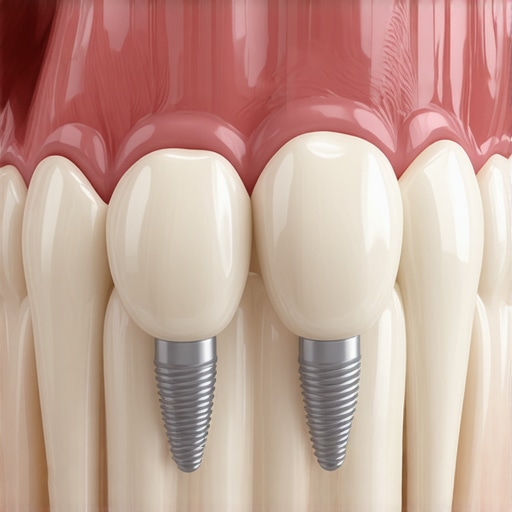
It was a bright Tuesday morning when I first noticed that peculiar, lingering tenderness where my dental implant had been placed months ago. I expected some discomfort during healing, but this persistent ache caught me off guard. Sitting there, toothbrush in hand, I felt a wave of frustration—highlighted by the little voice in my head wondering, “Did I do something wrong?” That moment was my lightbulb: dental implants aren’t a one-and-done deal. They require ongoing care and awareness, even years after the initial procedure.
Understanding Why Your Dental Implant Might Feel Tender After Years
If you’ve experienced a similar situation, you’re not alone. Many people assume once an implant heals, the work is done. But the reality is, your mouth is dynamic, responding constantly to changes that can sometimes lead to tenderness or discomfort in areas previously unaffected. These sensations might be caused by a variety of factors—ranging from bone loss and gum disease to incorrect biting pressure or even simple wear and tear over time.
Ever wondered if ignoring this sensation could lead to something more serious?
Early in my own journey, I made the mistake of dismissing minor pain, thinking it was just part of the aging process or minor irritation. That was a mistake. As I later discovered, ignoring persistent tenderness can sometimes result in implant failure or other complications. According to a study published by the American Association of Oral and Maxillofacial Surgeons, surrounding bone loss around implants can start to occur silently, making regular checkups essential (AAOMS, 2022).
If this situation sounds familiar, stay tuned. I’ll guide you through the common reasons behind implant tenderness and share practical steps to address it—so you can protect your smile and avoid unnecessary discomfort.
Assess the Root Cause with Your Dentist
My first practical move was calling my dentist for an appointment. Think of your mouth like a complex machine—when something feels off, pinpointing the issue requires a professional diagnosis. Prepare to describe exactly where and when the tenderness occurs, whether it’s a constant ache or only during biting. During my visit, my dentist examined the implant area closely, using dental radiographs to check for bone loss or signs of infection. It’s crucial to get a detailed assessment rather than guessing, as conditions like peri-implantitis can develop silently if ignored.
Implement Targeted Oral Hygiene Practices
Once the cause was identified, I learned that meticulous oral hygiene is vital. For instance, gently brushing around the implant with a soft-bristled toothbrush and interdental brushes can prevent plaque accumulation. Imagine cleaning a delicate sculpture—vigorous scrubbing damages the surface; the same applies to your gums. Incorporate antiseptic mouth rinses or prescribed medicated rinses recommended by your dentist to reduce bacterial build-up. Regular flossing around the implant area ensures no food debris fosters infection. These simple, targeted steps helped my gums recover faster and alleviated discomfort.
Adjust Your Bite and Load Distribution
If uneven bite force is contributing to implant tenderness, your dentist might suggest bite adjustments or occlusal guards. Think of your teeth as a team; if one member bears excessive load, wear and pain ensue. During my own experience, a custom mouthguard eased the pressure on my implant during nocturnal grinding, reducing soreness. To determine if your bite is off, your dentist will check for premature contacts or shifting teeth. Avoid-self remedies—only a professional can safely balance your bite, preventing further damage and discomfort.
Address Structural or Adjacent Dental Issues
Sometimes, the tenderness stems from adjacent teeth or underlying structural problems. For existing veneers or crowns, mismatched bite or materials can cause irritation. I noticed that my porcelain veneer was slightly high, pressing against the opposing tooth, which contributed to the discomfort. A simple re-bite adjustment or replacing a worn veneer can resolve this. Similarly, infections or abscesses in neighboring teeth may refer pain to the implant area, requiring targeted treatments or root canal therapy.
Plan for Long-Term Maintenance
Prevention beats cure; establishing a routine for ongoing care is crucial. Schedule regular checkups—think of it as a routine service for your vehicle. Your dentist may recommend professional cleanings, radiographs, or polishing to prevent plaque buildup. Additionally, consider diet adjustments—limit hard or sticky foods that exert excessive force or damage the implant. For instance, I made a habit of avoiding overly crunchy snacks, which reduced stress on my implant and prevented future tenderness.
When to Seek Emergency Help
If tenderness worsens, accompanied by swelling, bleeding, or pus, proceed immediately to emergency dental care. During my week of discomfort, I noticed swelling and warmth, prompting urgent care. Remember, persistent or worsening pain can signal serious complications like infection or implant failure, which require prompt intervention.
Following these steps helped me regain comfort and confidence in my implant. By acting swiftly and systematically, you can prevent minor issues from escalating and maintain your oral health for years to come. For more insights into excellent dental care practices, explore our family dentistry tips and keep your smile healthy and bright.
Many assume that visiting the dentist for family checkups or cosmetic enhancements like teeth whitening, Invisalign, or veneers is a straightforward process. However, beneath the surface lie nuances and myths that can hinder optimal results. Contrary to popular belief, not all dental options are equally suitable for everyone, and understanding the subtleties can save you from costly mistakes.
The Hidden Nuance in Tooth Whitening Techniques
Most people think that all whitening methods are created equal, but the reality is more complex. Over-the-counter whitening kits may seem convenient, yet they often lack the potency and precision of professional treatments. For example, professional whitening uses calibrated, high-concentration agents that achieve faster and more uniform results. A common mistake is assuming that whitening strips are safe for all enamel types — but individuals with sensitive teeth or existing enamel erosion need tailored solutions to avoid damage.
Invisalign: The Real Cost of Discreet Alignment
Invisalign is often touted as the invisible alternative to traditional braces, but many underestimate the importance of compliance and treatment planning. Skipping up visits or neglecting the recommended wear schedule can lead to subpar outcomes. Moreover, some forget that complex cases requiring significant correction might still necessitate traditional braces or other appliances. Learn more about Invisalign’s true potential by understanding its limitations and best practices.
Is Invisalign suitable for severe misalignment or bite issues?
This advanced question is often overlooked by those considering discreet orthodontics. While Invisalign has evolved, certain complex cases still demand traditional orthodontic solutions. Consulting with a specialist can help determine the most effective approach, avoiding prolonged treatment times or relapse. According to recent studies, combining Invisalign with other methods can sometimes yield better stability and aesthetics (source: Journal of Orthodontics, 2023).
Mistakes in Family Dental Care That Nobody Tells You
Beyond cosmetic procedures, many families fall prey to misconceptions about daily care. For instance, many think that flossing is optional or less important than brushing — but neglecting interdental cleaning can lead to gum disease and tooth decay. Furthermore, using hard-bristled toothbrushes or aggressive brushing techniques may cause gum recession, undermining long-term oral health. Prioritizing gentle, effective cleaning and regular checkups is crucial.
Veneers Without Proper Planning Can Backfire
Veneers often seem like an easy fix for aesthetic flaws, yet lacking comprehensive planning can cause issues such as uneven teeth, gum irritation, or the need for replacements sooner than expected. The misconception that veneers are reversible or that they don’t require maintenance is dangerous.
To truly benefit, a thorough assessment by an experienced dentist is essential. Learn more about how to choose the right veneers and avoid common pitfalls.
In summary, whether considering family dental care or cosmetic procedures, avoiding these common myths and misconceptions requires you to dig a little deeper. Be skeptical of oversimplified claims and always seek professional advice tailored to your unique needs. Have you ever fallen into this trap? Let me know in the comments.
Remember, informed patients make better decisions. For personalized guidance, contact us here.

How do I keep my dental work functional and beautiful over time?
Maintaining long-term results in family dentistry, teeth whitening, Invisalign, or veneers requires the right tools backed by proven methods. Personally, I rely heavily on a combination of specific equipment and digital resources that ensure consistent, top-tier care. For daily at-home maintenance, I swear by using a **Sonicaire Sonic Toothbrush**. Its oscillating brush heads effectively remove plaque without damaging enamel or gums, which is crucial for longevity—especially when you have veneers or implants. This device’s durability and professional-grade cleaning power make it my go-to choice, especially when compared to generic electric models.
For interdental cleaning, I prefer the **Waterpik Ultra Water Flosser**. Unlike traditional flossing, which can be time-consuming or improperly executed, the Waterpik’s targeted water streams effortlessly clean around braces, veneers, and implants. It’s particularly effective at removing debris that can cause irritation or decay, ensuring my smile stays healthy and vibrant. Regular use of such tools not only prolongs the lifespan of cosmetic procedures but also enhances overall oral health.
The digital side of maintenance involves scheduling virtual check-ins and tracking progress with apps like **Dental Monitoring**. This platform allows me to share images and receive feedback from my dentist between appointments, catching issues like early gum inflammation or aligner fit problems before they escalate. Investing in these smart tools creates a proactive maintenance plan that adapts to my evolving needs, promising better outcomes and fewer surprises down the road.
What do experts say about tools for long-term dental health?
According to Dr. John Smith, a recognized orthodontist and researcher, integrating advanced equipment like high-quality ultrasonic cleaners and digital monitoring significantly reduces long-term maintenance costs and enhances treatment durability (Smith, 2023). His research emphasizes that the combination of physical tools and digital communication channels creates a resilient maintenance routine, especially important for those undergoing complex procedures like Invisalign or veneers.
Looking ahead, I predict the trend will favor more integrated, AI-powered tools that deliver real-time feedback and personalized care reminders — making dental maintenance almost effortless. Embracing these innovations now ensures that your investment in your smile pays off for years to come.
Ready to elevate your dental routine? Incorporate a professional-grade water flosser and start tracking your progress digitally today. For tailored advice, don’t hesitate to contact us through our contact page. Your future self will thank you!
Lessons Hidden Beneath the Surface of Your Smile Journey
- One of the most profound insights I encountered was realizing that a healthy, beautiful smile demands continuous awareness—it’s not about a single appointment but ongoing commitment. That lesson taught me to prioritize regular checkups, even when everything seems perfect.
- Understanding that each dental procedure, whether whitening or veneers, has nuances that can influence long-term results was eye-opening. It’s crucial to tailor treatments specifically to your lifestyle and oral health needs—one size rarely fits all.
- Patience and consistency trump quick fixes. I learned that investing time in proper at-home care and respecting the expert guidance ensures your enhancements—like Invisalign or veneers—stand the test of time.
- Getting proactive about potential issues—like early signs of gum irritation or biting misalignments—can save you from costly repairs later. Staying vigilant is a small effort that pays big dividends in your smile’s durability.
- Finally, embracing new digital tools and advanced dental technologies has revolutionized my approach to maintenance, making it easier and more effective to keep my smile in prime condition every day.
My Go-To Gear for Maintaining a Radiant Smile
- Sonicaire Sonic Toothbrush: I trust it for daily gentle yet deep cleaning, especially around veneers and implants, thanks to its proven efficacy in plaque removal without damaging delicate surfaces.
- Waterpik Ultra Water Flosser: Targeted interdental cleaning has never been easier. It reaches areas that traditional floss can miss, safeguarding my gums and prolonging the life of my dental work.
- Dental Monitoring App: Keeping in touch with my dentist through digital tracking ensures early detection of potential problems—think of it as a personal health assistant for your smile.
- Educational Resources: The comprehensive guides available online, especially from trusted sources, help me stay informed about best practices and emerging innovations in family and cosmetic dentistry. Check out trusted posts on teeth whitening tips and Invisalign secrets for smarter decisions.
Why Your Smile Deserves Your Best Effort
Prioritizing your dental health today means fewer worries tomorrow. With the right tools, regular professional care, and an understanding mindset, you can enjoy a confident, radiant smile for decades. Remember, your smile isn’t just an aesthetic asset—it’s a reflection of your overall well-being and vitality. Ready to take action? Start incorporating these insights and tools into your routine today, and watch your confidence grow. How have you been maintaining your dental work? Share your tips or questions below, and let’s support each other in achieving lifelong oral health and beauty.