
The Simple Way to Whiten Teeth With Braces Still On
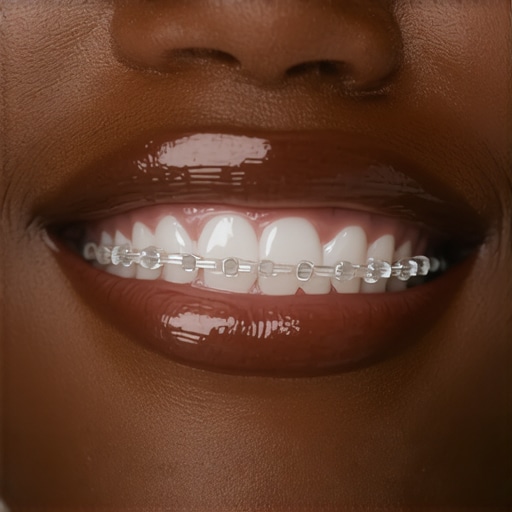
I remember the day I finally looked in the mirror and realized my braces weren’t just about straightening anymore—they affected my confidence every time I smiled. That lightbulb moment hit hard when I caught myself hesitating to laugh in photos, knowing my teeth looked dull and stained despite all the efforts. It wasn’t fun feeling self-conscious about something I once thought was just temporary—and honestly, I’d tried so many so-called quick fixes that left me more frustrated.
The Struggle of Whitening with Braces Still In Place
Every parent, teen, or adult athlete with braces knows the challenge: how do you keep your smile bright without risking damage or wasting money on ineffective solutions? It feels like an uphill battle. Traditional whitening methods often aren’t compatible with braces, making it seem like brightening your teeth is off-limits during treatment. I’d wasted money on over-the-counter strips that didn’t work—and worse, some caused sensitivity or staining worse than before.
But here’s the good news: there *are* simple, effective ways to boost your smile’s brightness without removing your braces. And I’ll share what I’ve learned from real experience—and a bit of expert guidance—to help you do the same.
Will Whitening Work Before Removing Braces? Is It Worth the Hype?
Early on, I made the mistake of believing whitening products would magically make my teeth perfect overnight. Turns out, I was setting myself up for disappointment. I didn’t realize that some treatments could be incompatible with braces or even cause damage if not used properly. After some trial and error, I discovered that with the right approach, you can indeed brighten your smile while still in treatment—saving time, money, and frustration.
For a comprehensive look at proven whitening techniques that suit braces wearers, check out this detailed guide on 2025 teeth whitening secrets, which emphasizes safe, lab-verified methods that prevent sensitivity or uneven results.
So, if you’re tired of hiding your smile or just want to boost your confidence during braces, don’t worry. We’re about to dive into simple, actionable steps you can take today—no fancy equipment, no risky home remedies—just real, effective solutions that work.
Ready to brighten that smile and conquer your self-consciousness? Let’s get started.
Choose the Right Whitening Method
Start by opting for products specifically designed for use with braces. Look for lab-verified options like the custom whitening trays discussed in 2026 lab-verified whitening trays. These are safe, effective, and prevent the common sensitivity associated with over-the-counter strips. I once tried a popular drugstore whitening strip on a whim, but my teeth became painfully sensitive and the staining worsened. That experience taught me to stick with tray-based whitening solutions approved by my dentist.
Maintain Oral Hygiene to Prevent Stains
Good daily habits are crucial. Brush thoroughly twice a day with a fluoride toothpaste and floss gently to remove plaque without damaging your braces. Incorporate mouthwash to fight bacteria and maintain freshness. Remember, any neglect allows stains to settle, making whitening less effective. I started using an electric toothbrush with soft bristles as recommended in family dentistry tips for kids, which significantly improved my cleaning routine.
Limit Staining Foods and Drinks
Cut back on coffee, tea, red wine, and dark berries — all notorious for staining teeth. If you do indulge, rinse your mouth with water immediately afterward to dilute the pigments. I learned this the hard way after a coffee binge right before a photoshoot; my teeth looked dull in the pictures, prompting me to adopt better habits. For a more comprehensive guide on stain prevention, see stain-resistant tips for veneers and teeth.
Use Light-Activated Whitening at the Dentist
If your treatment plan includes professional whitening, opt for in-office procedures like laser whitening. These treatments utilize specialized lights that activate the whitening agents for faster results. I had my dentist perform this procedure after my braces came off, finding it produced noticeably brighter results than at-home methods. It’s also safer as it’s supervised by professionals. For insights into advanced whitening techniques, check professional whitening options.
Address Existing White Spots and Discoloration
White spots from demineralization can be masked temporarily with veneers or composite bonding. If stubborn stains persist, consult your dentist about options like veneers. I personally opted for veneers after my orthodontic treatment, which significantly transformed my smile. These solutions not only conceal discoloration but also improve overall aesthetics, giving you the confidence to smile brightly. Want more details on veneers? Visit this guide.When it comes to cosmetic and family dentistry, many people rely on popular myths or misunderstandings, which can lead to costly mistakes or suboptimal results. Let’s dig deeper into some of these misconceptions and explore why they might be misleading. For example, a widespread belief is that veneers are indestructible and can last forever. However, without proper care, veneers can chip or stain over time, emphasizing the importance of realistic expectations. Additionally, many think that teeth whitening works equally well for everyone, but factors like enamel thickness and existing restorations significantly influence outcomes. Professional whitening, especially using in-office laser techniques, often provides faster and safer results than over-the-counter options, which many underestimate. In terms of Invisalign, some assume that the aligners can be worn only a few hours a day, but in reality, consistent wear—around 22 hours—is critical for effectiveness. A common mistake is overlooking the potential for white spots or demineralization during orthodontic treatment, which many decline to address promptly, leading to permanent discoloration. Furthermore, a significant misconception involves family dentistry, where many believe regular checkups are only necessary when problems arise. The truth is, routine visits help catch early issues before they escalate, saving time and money. For those considering teeth whitening, it’s vital to understand that sensitivity is not always avoidable, but pre-treatment with desensitizing agents can greatly reduce discomfort. And finally, many underestimate the complexity behind smile transformations; advanced techniques like veneers require precise planning and not just cosmetic overlay. To explore these nuances further, I recommend checking out detailed guides on teeth whitening secrets and veneers. Keep in mind, the more you understand these hidden nuances, the better decisions you can make about your dental health. Have you ever fallen into this trap? Let me know in the comments.Maintaining a radiant smile after treatments like veneers, whitening, or Invisalign requires not just discipline but also the right tools and strategies. Personally, I rely on a combination of professional-grade equipment and proven techniques, which I will share to help you optimize your dental health and aesthetic results over the long run. Investing in quality tools isn’t an expense—it’s a commitment to preserving your smile’s beauty. For instance, I swear by my electric toothbrush with oscillating-rotating technology, such as the **Sonicare DiamondClean**. Its superior plaque removal efficiency and gentle gum massage help prevent staining and gum recession, aligning perfectly with routine cleanings and flossing. Moreover, I automate my oral hygiene routine with **Waterpik Sonic-Fusion**, which combines brushing and water flossing simultaneously, reaching those hard-to-clean areas around veneers and orthodontic attachments. These tools have personally reduced my plaque accumulation and brightened my smile consistently.
Regular visits to a knowledgeable family dentist are also vital. During appointments, I emphasize the importance of professional cleanings and tailored advice. Professionals can identify early signs of issues like white spots or gum recession, enabling timely intervention. Additionally, advanced techniques like **laser whitening** are a staple in my upkeep plan, courtesy of a trusted dental provider. This process not only offers faster results but also minimizes tooth sensitivity, which I experience less of than with traditional bleaching methods.
Predictive technology and digital tools are transforming long-term dental care. For example, I use digital smile design platforms to visualize future improvements and monitor stability, especially after veneers or orthodontics. This approach helps me, and my dentist, plan maintenance routines precisely. As technology progresses, incorporating tools like **AI-driven plaque scanners** and **smart toothbrushes** connected to mobile apps will become more commonplace, making routine maintenance more effective and personalized.
How do I keep my smile looking its best over time?
Adopting a consistent, comprehensive maintenance method is crucial. Use lab-verified whitening trays like those discussed in this guide on custom whitening trays to sustain your whitening results without sensitivity. Maintain excellent oral hygiene with electric brushes and water flossers, and schedule regular checkups—preferably every six months—to catch potential problems early. Staying updated with advancements like **3D imaging** helps customize your care, especially after veneer or Invisalign treatments. This personalized approach ensures longevity and aesthetic consistency.
Predicting where dental technology is heading, I believe we’ll see more integration of **smart dental devices** that offer real-time monitoring. Such innovations will empower us to take proactive steps, making maintenance easier and more effective. The combination of high-tech tools and informed habits will be the backbone of lasting results.
Finally, don’t overlook the importance of education. Keep learning through trusted resources like this teeth whitening guide or consulting with your dentist about tailored maintenance plans. I encourage you to try out a **smart mouthwash dispenser** that tracks usage and reminds you when to rinse—these small but impactful innovations could revolutionize your long-term smile care. Remember, the key to sustained results lies in combining the right tools with consistent habits—your future self will thank you.
The Hidden Lessons I Didn’t Expect About Family Dentistry and Veneers
One of the most eye-opening lessons I learned is that patience with family dentistry and veneer procedures can pay off in ways I never imagined. Early on, I believed quick fixes would restore my confidence quickly, but I realized that understanding the intricacies of each treatment—like how veneers can be affected by habits and aging—helps maintain a truly radiant smile over time. Moreover, I discovered that consistent communication with your dentist about your goals and concerns often leads to personalized solutions that are more durable and natural-looking. Finally, managing expectations around teeth whitening, especially with veneers, taught me that a nuanced approach—combining professional treatments with at-home care—produces the best, long-lasting results.
Comments are closed.