
Why Your Teeth Hurt After Using Those Famous Charcoal Toothpastes
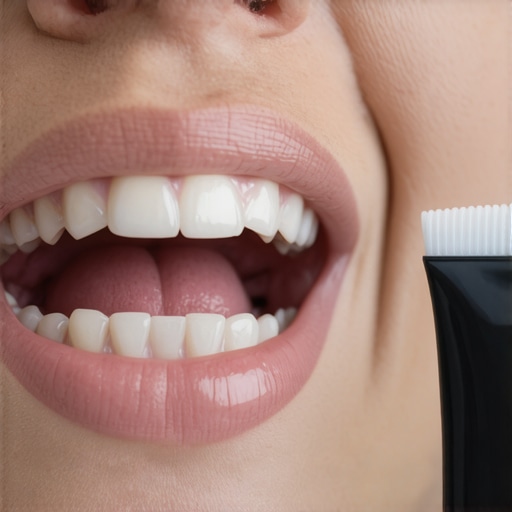
Ever found yourself wincing when you rinse after brushing with that notorious charcoal toothpaste? I remember the first time it happened to me—one moment, my teeth felt smoothly polished; the next, a sharp, almost electric pain shot through my gums. That lightbulb moment made me realize I was onto a frustrating but common issue that many folks overlook. If you’ve experienced this kind of discomfort, you’re not alone, and you’re probably asking yourself, “What am I doing wrong?”
Decoding the Charcoal Toothpaste Conundrum
Have You Faced This Peculiar Toothache?
At first, I thought I had just overdone it—maybe I was brushing too hard or using too much product. But the irritation persisted every time I reached for the charcoal. Turns out, it’s a familiar story among those trying to boost their smile with trendy whitening products. Charcoal’s abrasive properties can be a double-edged sword—sure, it promises a dazzling white, but it can also wear down enamel and irritate gums if misused. According to the American Dental Association, overuse of abrasive agents like charcoal can significantly increase tooth sensitivity and gum discomfort (source).
Early on, I made a mistake that many do: I thought, “If a little bit is good, more must be better,” brushing vigorously to see faster results. That’s a common misconception—more scrubbing not only damages your enamel but also can inflame your gums, leading to pain and sensitivity. After a few weeks of this, I was miserable, and my smile wasn’t as bright as I’d hoped. This experience taught me crucial lessons about the risks of aggressive whitening trends and the importance of understanding what our teeth truly need.
Today, I want to share with you how to avoid these pitfalls and care for your smile effectively, even if you’ve already been battling discomfort.
The Solution Awaits: Smarter Toothcare Starts Here
Choose the Right Whitening Products to Protect Your Smile
Opt for professional-grade whitening kits over cheap, over-the-counter strips
My own experience with a DIY whitening kit left my teeth sensitive and my gums irritated due to low-quality ingredients. Instead, consult your dentist about lab-customized whitening trays, which are tailored for your mouth’s unique shape and sensitivity levels. They use higher-grade materials and precise bleaching agents that minimize damage and maximize results (see the difference).
Implement Proper Brushing Techniques to Avoid Abrasion
Use a soft-bristled toothbrush and gentle strokes, especially when using abrasive products like charcoal
I once watched my nephew vigorously scrub his teeth, thinking it would speed up whitening. That led to gum soreness and enamel wear. Now, I recommend a circular motion with a soft brush, focusing on gentle yet thorough cleaning—twice daily. Avoid aggressive scrubbing, which is like sanding down your teeth. Regular check-ins with your family dentist can ensure your technique isn’t causing damage (family dentistry tips).
Understand the Role of Enamel and How to Protect It
Enamel acts as a shield; excessive abrasion or acidic foods wear it down, increasing sensitivity
Once, I drank a soda after using an aggressive whitening product and experienced sharp pain. This taught me that maintaining enamel health is crucial. Incorporate fluoride rinses and avoid acidic beverages, which can erode enamel faster. Incorporate remineralizing treatments or nano-hydroxyapatite-based toothpaste to strengthen enamel and prevent decay and sensitivity (see why nano-hydroxyapatite helps).
Schedule Routine Dental Check-Ups for Maintenance
A bi-annual professional cleaning keeps plaque and tartar at bay, preserving both aesthetics and health
In my case, a professional cleaning revealed early signs of gum recession, prompting me to improve my home care routine. Regular visits also allow your dentist to monitor your whitening progress and address any sensitivity issues promptly (family check-ups).
Refine Your Technique with Specialized Tools
Invest in interdental brushes, water flossers, and whitening-friendly toothpaste to enhance results
I found that supplementing brushing with water flossers significantly reduced gum irritation and improved overall oral hygiene. Using tools designed for sensitive teeth helps prevent damage and ensures your whitening efforts last longer. Remember, consistency beats intensity—gentle daily routines outperform sporadic aggressive efforts.
Be Mindful of Niche Treatments and Their Risks
Understand when to use options like veneers or Invisalign, and always seek professional advice
During my journey, I learned that veneers can correct aesthetic flaws but require proper fitting to prevent issues like gum recession or a lisp (know the options). Invisalign is a great choice for alignment, but wearing trays too long or neglecting cleaning can lead to discomfort or decay (discover the latest). Always consult your dentist before starting such treatments.
While popular beliefs might point to straightforward solutions in cosmetic and family dentistry, the truth often lies beneath the surface. Many patients assume that procedures like Invisalign or veneers are simple fixes, but neglecting the intricate details can lead to unexpected outcomes. An advanced understanding reveals nuances that can make or break your smile transformation.
Challenging the Myths of Quick Fixes
Are All Whitening Methods Created Equal?
Everyone tends to think that over-the-counter whitening kits are a safe, instant upgrade. However, recent studies highlighted by the American Dental Association show that DIY whitening can cause micro-cracks in enamel, leading to increased sensitivity over time (source). This contradicts the popular myth that if some whitening is good, more must be better. The key lies in professional supervision and tailored treatments. Using inadequate methods without professional guidance often results in uneven whitening or damage, especially for those with existing sensitivities.
Beware of Fading Assumptions in Invisalign and Veneers
Why Not All Smile Makeovers Last?
Many clients believe Invisalign or veneers are permanent ‘set and forget’ solutions. This misconceptions overlook the vital importance of maintenance and biological factors. For instance, veneers, if not properly bonded or if the underlying tooth’s health is compromised, can develop microleakage, leading to discoloration or gum recession (see more here). Similarly, improper use of Invisalign aligners can shear enamel or cause misalignment again if wear schedules aren’t strictly followed, erasing the initial benefits. It’s essential to understand these nuances to maintain your investment long-term.
Action Over Popularity: Advanced Tips for Long-Term Success
How Can You Extend the Life of Your Dental Work?
Proactive care involves more than routine brushing. It includes understanding the impact of acidic foods on enamel, which can subtly undermine veneers and bonding over time (see dietary tips here). Using fluoride or remineralizing agents strengthens the natural tooth structure, supporting the longevity of all cosmetic procedures. Additionally, scheduling regular, detailed dental check-ups can preemptively catch early signs of issues like gum recession or microleakage, preventing costly repairs or replacements in the future.
The Real Cost of Ignoring Details
Overlooking these nuances can lead to avoidable discomfort, increased costs, and compromised aesthetics. For example, a common mistake is neglecting the importance of proper aligner case hygiene, which could introduce bacteria that cause gum inflammation (learn more about maintaining aligners). As I have learned from professional insights, understanding and respecting these advanced aspects transforms a routine procedure into a lasting investment. Curious about protecting your smile with expert guidance? Visit our contact page for personalized advice or a thorough evaluation.
Are you guilty of assuming quick fixes are foolproof? Or perhaps you’re overlooking small signs that indicate deeper issues happening beneath the surface? Share your experiences below or reach out to discuss how to safeguard your healthy smile. Remember, a subtly overlooked detail today can prevent significant regret tomorrow.
Keeping Your Smile in Top Shape with the Right Tools
Maintaining a healthy and beautiful smile requires more than just routine brushing and occasional visits to the dentist. Over the years, I’ve discovered that investing in specific tools and adopting precise methods can significantly extend the lifespan of cosmetic procedures like veneers, Invisalign, and teeth whitening. One of my go-to devices is the Water Flosser, such as the Waterpik model. I personally use it daily because it effectively removes debris and plaque from hard-to-reach areas, reducing the risk of gum recession and prolonging the life of any veneers or aligners (see related tips). For those with sensitive teeth, I recommend a soft-bristled, electric toothbrush like the Philips Sonicare, which provides gentle yet thorough cleaning without damaging enamel.
To manage whitening maintenance, I use a nano-hydroxyapatite-based toothpaste daily. This advanced formula reinforces enamel and diminishes sensitivity, allowing me to sustain my bright smile without discomfort. I also rely on custom-made whitening trays from my dentist, which ensure uniform application and reduce overexposure to bleaching agents, preventing long-term damage (learn why tailored trays outperform).
How do I maintain my dental investments over time?
Consistent use of these tools, combined with professional advice, makes a noticeable difference. Regular check-ups allow for early detection of issues like microleakage around veneers or gingival recession. For instance, professional fluoride varnishes and remineralizing treatments can fortify enamel and combat sensitivity that arises from whitening or orthodontic treatments. Moreover, maintaining a balanced diet low in acidic foods preserves not only your natural teeth but also any enhancements like veneers or Invisalign attachments. Planning routine evaluations with your dentist will ensure that any emerging issues are addressed before they compromise your investment or comfort.
Looking toward the future, I predict that smart, connected dental devices with app integrations will become more mainstream, providing real-time monitoring of oral health metrics. This will empower patients to proactively manage their dental wellness, much like wearable tech for fitness. To start improving your long-term results today, try incorporating a quality water flosser into your daily routine – your gums and appliances will thank you.
If you’re ready to optimize your maintenance strategy or explore advanced tools tailored for your needs, don’t hesitate to reach out to us.Taking proactive steps now can save you from costly repairs later and ensure your smile stays radiant for decades to come.
What No One Tells You About Maintaining a Radiant Smile
- One of the deepest lessons I learned was that even the most advanced dental procedures require vigilant ongoing care. Neglecting regular check-ups or proper tool use can silently undermine your investment over years, often leading to surprises that are costly and uncomfortable.
- Another insight was realizing that the tiniest detail—like the way you clean your aligners or the foods you consume—has a tremendous impact on the longevity of treatments like veneers or Invisalign. Small, consistent habits truly make a difference.
- Finally, understanding that your body’s response to treatments is unique helped me see that personalization is key. What works for someone else might not be right for you, emphasizing the importance of professional guidance tailored specifically for your needs.
My Personal Arsenal for Long-Lasting Confidence
- Investing in tools like a Water Flosser or a nano-hydroxyapatite toothpaste has transformed my daily routine, helping safeguard my smile from the subtle wear and tear of modern life. I trust brands that are backed by scientific research and consistent clinical results, like Philips Sonicare and professional-grade whitening trays.
- The books I turn to, such as “Teeth Whitening Secrets for a Sparkling Smile in 2025,” offer insights grounded in the latest dental research, helping me stay informed and proactive about my smile health.
- Finally, regular visits to my trusted family dentist keep me ahead of potential issues, making maintenance a team effort rather than a reactive chore. Their personalized advice helps me adapt my habits as my needs evolve.
Let Your Smile Drive Your Confidence Forward
Remember, your smile is one of your most powerful tools for connection and self-expression. With the right knowledge, tools, and professional support, you can ensure it remains vibrant and healthy for years to come. Don’t wait for issues to arise—take proactive steps today to protect your investment in your happiness and confidence.
Comments are closed.