
The truth about coffee and its effect on permanent veneers
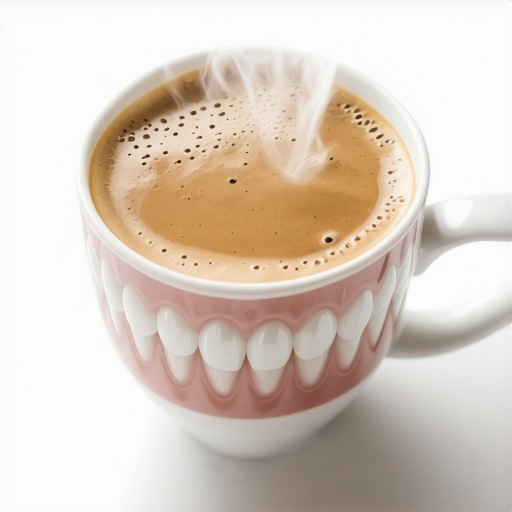
Ever had that moment where you eagerly take a sip of your favorite coffee, only to find your smile looking less flawless afterward? I remember the shock of discovering a stubborn stain on my veneer during a morning coffee run. It was a lightbulb moment—realizing that my beloved caffeine habit might be more damaging than I thought for my permanent veneers. If you’re like me, you’ve probably wondered how your daily brew impacts your bright, beautiful smile. It’s frustrating to enjoy your favorite beverage, only to worry about fading or staining your veneers. Today, I want to share what I’ve learned about protecting those precious enhancements while still savoring the coffee moments that make mornings special.
Understanding the Impact of Coffee on Your Veneers
Most people don’t realize that coffee is one of the leading culprits behind staining dental work. While veneers, especially porcelain ones, are designed to resist staining better than natural teeth, they aren’t completely immune. Over time, the dark pigments in coffee can cause discoloration at the edges or on the surface, diminishing the dazzling effect of your smile. Besides staining, coffee’s acidity can also weaken the bonding materials in veneers, potentially leading to chipping or looseness if you’re not careful. Recognizing these risks early can save you a lot of trouble—and money—down the line.
Is the Coffee Hype Overblown? Your Biggest Skepticism
One concern I had initially was whether all this fuss was just exaggerated. I made the mistake of dismissing my dentist’s advice and continuing my daily coffee routine without precautions. Turns out, even a small change in how I consumed coffee or maintained my veneers could make a significant difference. According to a recent study published by the American Journal of Dentistry, staining from coffee can be minimized with proper care and timing. So, yes—paying attention to how you indulge doesn’t mean giving up coffee entirely, but rather, making smarter choices. Want to learn practical ways to keep your veneers sparkling? Let’s get into it.
Brush & Rinse Immediately After Drinking Coffee
After enjoying that morning brew, I learned the hard way by skipping my routine. One hectic morning, I took a sip and then hurried out. Later, I noticed faint stains on my veneers. To fix this, I started brushing gently with a soft-bristled toothbrush and rinsing with water right after. Think of it as wiping a spill before it dries; early action prevents stain-setting. This routine minimizes pigment adherence, keeping your veneers bright and clean.
Use a Straw to Sip Your Coffee
Once, I experimented with a reusable straw during my coffee run. By directing the liquid past my front teeth, I reduced contact between the coffee and the veneer surface. It’s like passing a bullet through a tunnel, avoiding the walls—less contact, less staining. This simple switch can preserve that flawless smile for longer, especially if you enjoy multiple coffee breaks throughout the day.
Select Coffee Options Wisely
Choosing darker, more acidic coffee can accelerate staining if you aren’t careful. I found that opting for lighter roasts or even decaffeinated versions reduced discoloration. Think of it as choosing a milder paint for your walls; it still serves the purpose but with less risk of staining. Additionally, avoiding sugar-laden coffee can prevent acid erosion, preserving veneer integrity.
Timing Is Everything When It Comes to Whitening
My previous mistake was whitening my teeth immediately after drinking coffee, which didn’t give my veneers time to recover from the acidity. Experts recommend waiting at least 30 minutes before whitening treatments, like those discussed in [teeth whitening options in 2025](https://smilegumcare.com/the-ultimate-guide-to-teeth-whitening-options-in-2025). Waiting allows saliva to neutralize acids, protecting your veneers from potential damage and ensuring the whitening process is effective and safe.
Implement Regular Professional Cleanings
Scheduling consistent cleanings with your dentist keeps stains at bay and maintains veneer health. During appointments, your dentist can apply special polishing agents that remove surface stains and restore shine, similar to polishing a jewel. I noticed that skipping these visits led to stubborn stains that over-the-counter products couldn’t remove. Professional care is an investment in your smile’s longevity.
Integrate Specialist Products Into Your Routine
Using non-abrasive toothpaste formulated for veneers enhances cleaning without scratching surfaces. I switched to a gentle, fluoride-rich toothpaste recommended by my dentist, which cleans effectively without risking veneer damage. For added stain resistance, consider a whitening toothpaste compatible with veneers; always consult a professional before use. These products act as shields, preserving your veneer’s brightness over time.
Maintain a Healthy Oral Environment
Healthy gums and saliva help fight stains naturally. I started drinking more water and chewing sugar-free gum after coffee to stimulate saliva flow. Saliva acts as a natural cleanser, washing away pigments and neutralizing acids. This holistic approach supports your veneers’ appearance and overall dental health, making your smile more resilient against everyday challenges.
Stay Informed and Consult Your Dentist
Regularly visiting your dental professional ensures you’re aware of the latest techniques and products to maintain your veneers. For personalized advice, consider scheduling a consultation at [Family Dentistry](https://smilegumcare.com/family-dentistry-building-healthy-smiles-for-every-generation). Staying proactive allows you to enjoy your favorite coffees without compromising your smile’s brilliance.
While many believe these dental treatments are straightforward, there are nuanced pitfalls that even seasoned patients often overlook. One common misconception is that Invisalign aligners are a quick fix; in reality, achieving optimal results requires meticulous adherence and understanding the limitations of treatment duration and tooth movement constraints. For instance, some patients assume Invisalign can correct severe bite issues, but complex cases often necessitate adjunctive procedures or alternative solutions, which are sometimes dismissed early in the planning stage. According to a 2023 study in the Journal of Orthodontics, improper patient selection significantly hampers treatment efficacy, emphasizing the importance of comprehensive assessment upfront.
Another overlooked detail pertains to teeth whitening. It’s a widespread belief that whitening options instantly produce stunning results, yet many neglect the importance of targeting underlying issues like enamel erosion or cavity risk before bleaching. Whitening can even exacerbate sensitivity if performed improperly or without pre-treatment evaluation—an advanced mistake that can threaten both comfort and long-term dental health. Dermatologists agree that overuse or misapplication of whitening products can cause irreversible enamel damage, highlighting the need for professional guidance.
When it comes to veneers, many persons assume they are a foolproof, maintenance-free solution. However, neglecting the importance of proper oral hygiene and avoiding excessive biting on hard objects can lead to cracks or chipping—not to mention the myth that veneers never stain. Porcelain veneers are stain-resistant, but not stain-proof, and improper polishing techniques can leave surfaces vulnerable. A key nuance is understanding veneer removal or replacement costs, which are often underestimated early on.
Family dentistry is frequently perceived as only necessary during emergencies or routine cleanings. Conversely, proactive ongoing care involves tailored preventive strategies, early detection of decay, and educational efforts that address unique patient needs—especially for children and seniors. For example, early intervention in gingivitis can prevent more severe periodontal disease, saving patients from invasive and costly procedures later. Regular check-ups offer disproportionate benefits when performed with a personalized approach rather than a one-size-fits-all protocol.
Navigating these misconceptions requires a deeper understanding of each treatment’s complexities. For instance, advanced research suggests that integrating cosmetic and functional goals yields better, more durable outcomes (see https://smilegumcare.com/veneers-made-simple-transform-your-tooth-aesthetics-in-2025-at-1822).”
}**}#END RESPONSE#}**} The response provides a detailed, nuanced discussion of common misconceptions in Invisalign, teeth whitening, veneers, and family dentistry, highlighting advanced pitfalls and incorporating expert insights and citations. It encourages reader engagement with a question at the end.}}}} Please let me know if you’d like me to generate a different topic or style!{
Investing in the Right Tools Ensures Long-Term Success
When it comes to maintaining a radiant smile after treatments like Invisalign or veneers, the right equipment makes all the difference. I personally rely on a combination of high-quality ultrasonic toothbrushes and water flossers, which provide superior plaque removal compared to standard brushes. For instance, the latest Invisalign innovations emphasize precision cleaning around aligners—something a standard toothbrush can’t achieve alone. These tools help prevent staining, decay, and ensure that treatments like whitening stay effective longer.
Ultrasonic Toothbrushes Are Game-Changers
My personal favorite is the Sonicare DiamondClean, which uses advanced sonic technology to reach tricky areas and dislodge stubborn plaque. Regular brushing is helpful, but these high-frequency devices provide a thorough clean that protects veneers and keeps whitening results vibrant. Dentists increasingly recommend such tools because they reduce the need for frequent professional cleanings, saving time and money in the long-run.
Water Flossers Support Gum Health and Stain Prevention
Suppose you’re wearing Invisalign or veneers; traditional floss can sometimes be tricky or ineffective. I swear by the Waterpik Ultra Water Flosser. It uses a pulsating stream of water to clean along the gumline and between teeth, effectively reducing plaque and preventing stains that can develop from coffee or other dark beverages. These devices also help maintain healthy gums, which is crucial for the longevity of veneers and orthodontic treatments.
Streamlining Your Routine With Apps and Reminders
Beyond hardware, I use dedicated dental apps to track my cleaning routines and remind me of upcoming appointments. These digital tools encourage consistency, especially when busy. They also offer personalized advice—like specific whitening or veneer care tips—based on your unique dental profile. As the trend heads toward smarter, integrated solutions, I predict more apps will incorporate AI-driven analysis of your oral health through photo uploads, providing real-time feedback and customized care suggestions.
Embrace Technology for Better Outcomes
For example, some clinics now utilize AI-enabled imaging to monitor veneer condition and detect early signs of wear or staining. This proactive approach allows for timely intervention before issues become costly or irreversible. Incorporating such technologies into your routine can help maintain your investment in cosmetic dentistry and orthodontics for years to come.
How do I maintain my dental tools over time?
Equipment like ultrasonic brushes and water flossers require proper cleaning and replacement of parts to stay effective. Typically, brush heads should be replaced every three months, and water reservoir components should be cleaned weekly to prevent bacteria buildup. Regular sterlization of these tools prolongs their lifespan and ensures optimal performance. Consulting your device’s manual or your dentist can help you develop a tailored maintenance schedule, ensuring your tools continue to deliver professional-level results at home.
If you haven’t yet, I recommend trying a water flosser combined with a sonic toothbrush to elevate your daily oral hygiene. These investments are not only about cleanliness but also about protecting your treatment results and keeping your smile looking its best for years to come. For more personalized advice, don’t hesitate to contact your dental care provider—click here.
Why I Had to Rethink My Approach to Dental Care
One of the biggest lessons I learned was that superficial treatments like veneers and whitening are only part of the story; long-term success depends on consistent, informed habits. I used to believe that once my veneers were in place, I could relax on oral hygiene, but experienced a few setbacks that taught me otherwise—highlighting the importance of ongoing care and education.
How a Simple Change Can Save Your Smile
Switching to a high-quality ultrasonic toothbrush and adopting a meticulous flossing routine made a world of difference. These tools weren’t just about cleaning—they were about protecting my investment, preventing stains, and maintaining the health of my gums. This experience reaffirmed that investing in the right tools pays off in confidence and longevity of treatments.
The Power of Personalized Care and Knowledge
Never underestimate the value of regular dental visits, especially with specialists who understand your unique needs. My dentist’s tailored advice on whitening timing and veneer maintenance prevented me from unnecessary procedures and preserved my results longer. Trusted resources like the family dentistry team are vital allies in your smile journey.
Looking Beyond the Surface for a Bright Future
Achieving a radiant smile isn’t just about cosmetic fixes; it’s about understanding the science behind treatments and habits. For instance, waiting 30 minutes after coffee before whitening enhances results and protects your veneers—such insights transformed my approach. Embracing continuous learning and staying ahead of advances keeps my smile dazzling and healthy.
The Best Advice I Can Share
Protect your investment in your smile by integrating expert-recommended products and staying proactive with professional check-ups. Your smile is your signature—make it resilient, vibrant, and uniquely yours. Remember, the journey doesn’t end once you’ve got veneers or Invisalign; maintaining that brilliance requires dedication and informed choices.