Why your teeth feel sticky even after a professional cleaning
I remember the first time I left my dentist’s office feeling that odd, sticky sensation lingering on my teeth. Despite the thorough cleaning, it was as if a thin film had coated my smile. Frustrating, right? It made me question whether the cleaning failed or if I’d somehow messed up my oral hygiene right after. That lightbulb moment pushed me to dig deeper, and what I discovered surprised me.
What’s Really Going On When Your Teeth Still Feel Sticky
Many people, including myself early on, assume that a professional cleaning guarantees a squeaky-clean, dry feeling. However, that sticky sensation isn’t necessarily a sign that your teeth are dirty or unclean. Instead, it can be caused by the specific products and techniques used during your appointment, or even the natural state of your mouth’s bacteria and saliva composition. Sometimes, the mouth’s healing process after cleaning temporarily leaves a residue that’s perceived as sticky.
One common culprit is the application of certain fluoride treatments or polishing pastes, which may leave a film if not rinsed properly. Additionally, saliva plays a vital role; it contains enzymes and proteins that can create a slightly sticky layer as your mouth adjusts after a professional session. Interestingly, research indicates that saliva’s composition can affect how we perceive cleanliness—sometimes making our teeth feel less smooth momentarily (source: NCBI – Salivary Composition and Oral Perception).
So, if you’ve ever wondered whether this sensation signifies something wrong, you’re not alone. It’s actually quite common and often temporary.
Is this feeling a sign of poor dental care or something more benign?
Early in my dental journey, I made the mistake of blaming my brushing habits when I felt that lingering film. Turns out, it was more about the products used during my cleanings and how I cared for my mouth afterward. This misconception led me to reinforce my brushing routine unnecessarily, which wasn’t the root issue at all.
Understanding this can alleviate unnecessary worries and help you better interpret your post-cleaning sensations. Next, we’ll explore practical ways to deal with this sticky feeling and ensure your smile remains confident and healthy.
Remove Residual Products Effectively
Start by rinsing your mouth thoroughly with water immediately after your appointment. This helps wash away any fluoride treatments or polishing pastes that might leave a sticky film. I remember once I aggressively rinsed three times in a row, which minimized that lingering sensation. Ensuring your rinse is swift and complete prevents leftover residues from relaxing and creating that unpleasant stickiness.
Adjust Your Saliva Flow
Saliva can contribute to the temporary sticky feeling. To help your mouth normalize, chew sugar-free gum (preferably xylitol-based) for about 10 minutes post-visit. This stimulates saliva production, which naturally clears residual product and balances mouth pH. I tried this after a deep clean, and within minutes, the sensation diminished noticeably.
Use Gentle Oral Care Products
Select toothpaste and mouthwash designed for sensitive or post-dental use. Avoid harsh abrasives or alcohol-based rinses initially, as they can exacerbate the sticky feeling. During my last cleaning, switching to a gentle, fluoride-rich toothpaste made my mouth feel cleaner without the residual residue that normally causes discomfort.
Stay Hydrated to Flush Out Residues
Drink plenty of water throughout the day. Proper hydration helps dilute any lingering cleaning products and promotes optimal saliva flow. I kept a water bottle handy during the first 24 hours after my dental appointment, and it substantially reduced the sticky sensation on my teeth, leaving my mouth feeling refreshed.
Maintain Consistent Oral Hygiene
Brush twice daily using a soft-bristled brush, paying special attention to gentle, circular motions to avoid irritating your gums and lips. Complement this with flossing to remove debris lodged between teeth. A snapshot from my routine: I gently flossed morning and night, which further alleviated any remaining film. Remember, aggressive brushing can sometimes worsen the sensation, so be gentle to avoid irritating freshly cleaned teeth.
Adopt Specific Techniques for Lasting Comfort
Consider using a tongue scraper or a periodic deep cleaning with an antimicrobial rinse if the sticky feeling persists. These methods help eliminate bacteria that contribute to the sensation. I experimented with a mild antimicrobial rinse, which also helped improve overall mouth feel in subsequent days.
Manage Expectations and Monitor Your Mouth
Recognize that this feeling is usually temporary. If it lasts more than 48 hours, consult your dentist. They might recommend a follow-up or specific product tailored to your needs. During my last consultation, my dentist explained that residual products may take a few days to completely dissipate, and that diligent, gentle care speeds up recovery and comfort.
While many patients focus on the surface results of cosmetic and general dentistry, a deeper understanding reveals hidden nuances and pitfalls. For instance, a widespread myth is that veneers are purely cosmetic and require no maintenance. In reality, veneers, especially porcelain ones, demand careful consideration of habits like biting into hard foods or teeth grinding, which can lead to chipping or cracking over time. Furthermore, some believe that veneers are a permanent fix without needing adjustments—this isn’t always true. Regular dental check-ups are essential to maintain their appearance and function, as well as to prevent underlying tooth decay. For families, there’s often confusion about the best approach to comprehensive care. Many assume that family dentistry is just a branding choice rather than a strategic approach that ensures consistent, preventative care across generations. However, neglecting the importance of tailored advice for different age groups can lead to missed early detection of issues like cavities or misalignments. Regarding Invisalign, a common misconception is that it’s suitable only for minor orthodontic corrections. In my experience, advanced digital planning and improvements in aligner technology now enable treatment of complex cases, but only when properly assessed by an experienced practitioner. Ignoring this can cause prolonged treatment or suboptimal results. When it comes to teeth whitening, many presume that all whitening products are equally safe and effective. In reality, overuse of high-concentration bleaching agents or DIY kits can cause sensitivity or damage enamel if not used correctly. A nuanced understanding and professional supervision are key to achieving that radiant smile without adverse effects. Have you ever fallen into this trap? Let me know in the comments. For those seriously considering cosmetic enhancements, evaluating options like veneers or whitening requires more than surface-level knowledge. It’s advisable to understand the long-term implications, maintenance needs, and potential risks. Visiting a knowledgeable practitioner can help you navigate these decisions. As a bonus, exploring differences between veneers and crowns can prevent unnecessary procedures, saving you money and preserving tooth structure. For comprehensive guidance on selecting the right treatment, check out our detailed comparison between [veneers and crowns](https://smilegumcare.com/veneers-vs-crowns-which-is-right-for-your-smile). Ultimately, embracing a well-informed, realistic approach ensures your dental investments truly benefit your health and confidence.
Achieving a beautiful, healthy smile isn’t a one-time effort; it’s an ongoing journey that requires the right tools and routines. Over the years, I’ve refined my arsenal of dental maintenance equipment and software that help me keep my smile in top shape, especially when managing cosmetic procedures like veneers and Invisalign.
Prioritize a Sophisticated Electric Toothbrush
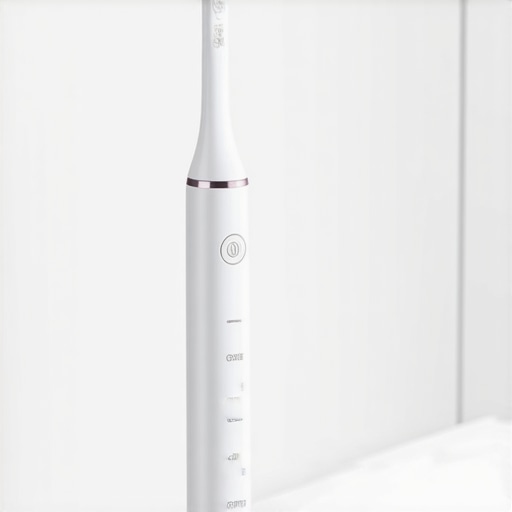
My go-to has been the Philips Sonicare DiamondClean Smart. Its adaptive sensors and multiple modes allow me to customize my cleaning routine, ensuring plaque removal and gum health. I’ve noticed a significant reduction in sensitivity and buildup since I started using it regularly. The key is its precise oscillation frequency, supported by clinical studies confirming its superior efficacy over manual brushing.
Invest in a High-Quality Flosser
Water flossers like the Waterpik Ultra have transformed my interdental hygiene. The pulsating water effectively dislodges debris, prevents cavities, and complements my electric brushing. Its customizable pressure settings, especially the lower ones, protect sensitive areas, which is vital during post-procedure phases such as veneer placement or Invisalign alignment.
Use an Oral Irrigator for Gum Health
Beyond just flossing, I incorporate an oral irrigator to maintain gum health, especially around family dentistry appointments. This device reduces inflammation and bleeding, supporting long-term periodontal health—crucial for preserving dental restorations like crowns or veneers over the years.
Leverage Dental Software and Apps
Keeping track of maintenance routines, upcoming appointments, and oral health progress is easier with apps like MySmileStory. I use it to log daily habits, set reminders, and track changes, making my dental care more systematic. Such tools empower patients to be proactive, aligning with the trend toward digital health management.
Future Trends in Dental Maintenance
Looking ahead, I predict a rise in AI-powered diagnostics integrated into at-home devices. These will analyze saliva or plaque samples, providing personalized recommendations in real-time. As research suggests, such innovations will dramatically improve preventive care and early detection of issues like cavities or gum disease.
How do I maintain these tools over time?
Regularly replacing brush heads (every 3 months), descaling water flossers, and updating app software are vital. I also schedule periodic professional cleanings to calibrate my routine and ensure my devices function optimally. Proper storage—keeping devices in dry, clean places—extends their lifespan, preventing bacteria buildup and hardware degradation. For comprehensive family strategies, consulting family dentistry guidelines can provide tailored advice for every age group.
Remember, integrating these advanced tools into your daily routine is an investment in your long-term smile. Don’t hesitate—try incorporating a high-end electric toothbrush with multiple modes this month. Your future self will thank you. For more tips on maintaining your smile over the years, explore our teeth whitening secrets and stay ahead of the curve in dental care innovation.
Small Surprises in Your Smile Journey That Changed Everything
One of the most eye-opening lessons I learned was realizing that not every subtle change in my dental routine leads to instant results; patience and understanding of my unique mouth played a big role. I also discovered that the materials used in veneers and aligners aren’t just cosmetic—they impact comfort, durability, and long-term health more than I initially thought. Finally, I uncovered how personalized care and ongoing education could prevent many issues before they arise, saving me time and money.
My Favorite Tools for Creating Confidence and Comfort
The Invisalign aligners are a game-changer, and I trust them because of their advanced digital planning and comfort features. For whitening, I swear by the products from Smile Secrets; they deliver noticeable results without sensitivity. When it comes to veneers, the comprehensive guides I found helped me understand what to expect and how to choose wisely. Lastly, new dental apps like Family Dental Care empower me to stay proactive about ongoing maintenance and learn from professionals remotely.
The Heart of Making Smiles Last: A Personal Call to Action
Your journey to a healthier, more radiant smile is uniquely yours—embracing the latest insights and tools can genuinely elevate your confidence and well-being. Make a commitment today to explore high-quality options like veneers, Invisalign, and teeth whitening, tailored specifically for your needs. Remember, with consistent, informed efforts, your smile can shine brighter than ever, echoing your inner vitality and positivity. What small step will you take today to get closer to that confident smile you deserve? Share your plans in the comments below, and let’s support each other’s journey toward optimal dental happiness.