
The Truth About Using Baking Soda to Whiten Your Teeth at Home
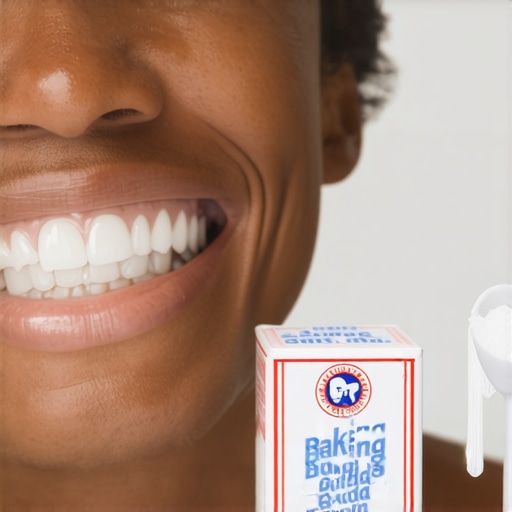
I remember the moment vividly—trying to impress a date with my brightest smile, only to realize my teeth weren’t as white as I had hoped. A quick glance in the mirror revealed dull, stained enamel, and a thought crossed my mind: Could baking soda really be the miracle whitening solution I’d heard about? That lightbulb moment led me down a rabbit hole of experimentation, mistakes, and ultimately, a clearer understanding of the truth behind home teeth whitening.
If you’ve ever felt frustrated by stubborn stains or unsure whether those viral Instagram remedies actually work, you’re not alone. We’re all searching for that perfect, affordably bright smile without risking our dental health. Today, I want to share what I’ve learned about using baking soda safely and effectively—so you can decide if it’s worth trying or avoid costly mistakes.
Why Everyone’s Talking About Baking Soda for Teeth Whitening
Home remedies for teeth whitening are everywhere, but baking soda remains a popular choice. Its natural abrasive qualities can help buff away surface stains, making teeth appear whiter quickly. Plus, it’s inexpensive and readily available, which makes it tempting as a daily solution. But before grabbing the baking soda box, it’s important to understand its pros and cons—and why they matter more than you might think.
Early on, I made a classic mistake: I used baking soda every day, thinking the more often I brushed with it, the faster I’d see results. However, I experienced increased tooth sensitivity and mild gum irritation—signs that I’d gone too far, too fast. That experience taught me that moderation and proper technique are key. According to research, overuse of abrasive agents like baking soda can damage enamel over time, leaving teeth more vulnerable to staining and cavities (source: [American Dental Association](https://www.ada.org)).
Now, I only use baking soda occasionally, combined with other gentle practices, and I make sure not to scrub aggressively. But I’ll admit, the idea of a simple, natural remedy is appealing, especially as cosmetic dentistry prices can be daunting. So, if you’re curious whether baking soda is a quick fix or a risky shortcut, you’re in the right place. We’ll delve into safe methods and common mistakes to avoid, starting with understanding what makes baking soda both helpful and potentially harmful.
Are you tired of trying home remedies that only seem to make things worse? Or maybe you’ve been hesitant because of conflicting advice online? Well, keep reading. I’ll guide you through the practical, safe ways to consider baking soda as part of your whitening routine. And if you want to explore other options backed by dental professionals, check out our detailed guide on [teeth whitening secrets for a sparkling smile](https://smilegumcare.com/teeth-whitening-secrets-for-a-sparkling-smile-in-2025-at-1248). Now, let’s get to the good stuff—what you need to do to get whitening results without risking your dental health.
Prepare Your Teeth for Whitening
Start by brushing your teeth thoroughly to remove surface plaque, which can interfere with whitening results. Use a gentle toothbrush and mild toothpaste, and focus on reaching all areas, including between teeth. I once tried a new electric toothbrush on a Sunday morning, spending extra time on the spots where stains had built up, and noticed a slight improvement in how the baking soda acted afterward.
Choose the Right Baking Soda Mixture
Mix a small amount of baking soda with water to create a paste. The consistency should be thick enough to stay on your toothbrush without dripping. For added effectiveness, some opt to include a few drops of hydrogen peroxide, but caution is key—never overuse peroxide, as it can cause sensitivity. I experimented by adding a splash of hydrogen peroxide, but after noticing increased sensitivity, I reverted to just baking soda and water, which still provided visible surface stain removal.
Apply with Proper Technique
Use a soft-bristled toothbrush to gently apply the paste to your teeth, focusing on stained areas. Avoid vigorous scrubbing, which can erode enamel. Instead, use gentle circular motions for about two minutes. Once done, rinse thoroughly with water. I remembered my dentist emphasizing gentle movements during a cleaning, which I’m sure added to my initial success with the method.
Limit Frequency and Duration
Limit baking soda treatments to 2-3 times per week to prevent enamel damage. Do not brush with baking soda continuously for more than a minute or two, and always follow up with your regular toothpaste to restore minerals. I learned this the hard way when I prolonged brushing, causing a mild tooth sensitivity that took weeks to resolve.
Complement with Proper Oral Care
Maintain good oral hygiene by flossing daily and using mouthwash designed for whitening. Avoid stain-causing foods like coffee and red wine immediately after treatment, and rinse your mouth with water if you do indulge. For stubborn stains, consider professional options like veneers or whitening procedures—learn more about these options at Veneers and teeth whitening secrets.
Monitor Tooth Sensitivity and Damage
If you experience increased discomfort, reduce treatment frequency or discontinue until your teeth feel normal again. For persistent sensitivity, consult your dentist. Back in the day, I ignored initial discomfort and later paid the price with long-term enamel erosion, making me appreciate a cautious approach.
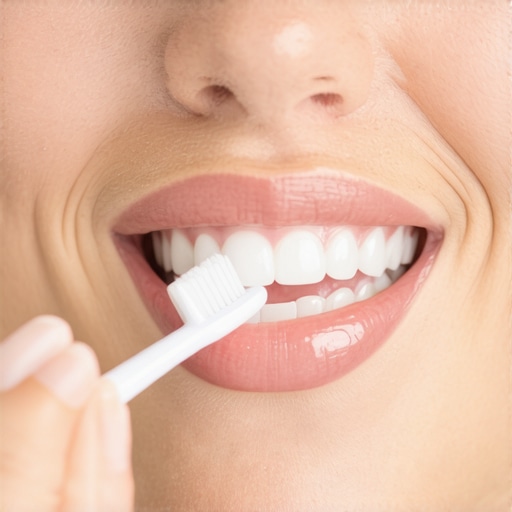
Proper application and moderation are crucial to avoid damaging your enamel while whitening with baking soda. Visualize the correct technique to ensure safety and effectiveness every time.
Many patients assume that options like invisalign and veneers are straightforward fixes for misaligned or stained teeth, but the reality involves nuanced considerations that can make or break your smile transformation. A prevalent myth is that invisalign is suitable for everyone seeking orthodontic correction in straightforward cases; however, complex malocclusions or severe rotations may require traditional braces or even surgical intervention. As the innovation in invisible braces advances, like seen in Invisalign’s latest breakthroughs, it’s vital to consult an expert to assess whether this technology fits your specific needs. Moreover, many people believe that teeth whitening produced by over-the-counter products or DIY methods is permanent, but studies indicate that whitening effects diminish over time if not maintained properly, and improper methods can damage enamel—an issue highlighted in many dental research articles. When it comes to veneers, the common misconception is that they are purely cosmetic and do not require maintenance; however, improperly bonded veneers or neglecting oral hygiene can lead to staining, chipping, or detachment. For example, veneers can last decades if appropriately cared for, as explained in our comprehensive guide on veneers.
What many overlook is the potential for advanced mistakes in planning or implementing these treatments. For instance, over-aggressive whitening can weaken enamel, leading to increased sensitivity or even pulp damage, especially if the procedure isn’t customized to your tooth structure. Additionally, some patients neglect the importance of proper maintenance and follow-up, which are crucial for longevity and oral health. One common trap I see is patients using DIY whitening kits excessively or ignoring signs of damage, risking irreversible enamel loss. Always consult dental professionals before embarking on whitening or veneer procedures to understand the risks involved. If you’re considering Invisalign, be aware that shifting teeth without addressing underlying bite issues or skeletal discrepancies might lead to relapse or unintended movement, a theme explored in this detailed explanation of Invisalign pitfalls.
Remember, a detailed consultation with a qualified dentist ensures your treatment plan accounts for the nuances of your dental anatomy and long-term oral health. Don’t fall prey to simplistic solutions or myths that overlook the complexities involved. Want to explore the recent advancements? Our piece on Invisalign innovations offers insights into how technology is reshaping smile corrections. For more advice on preserving your results, check out teeth whitening secrets. Have you ever fallen into this trap? Let me know in the comments.Once you’ve invested in treatments like Invisalign, veneers, or teeth whitening, maintaining your results becomes crucial. The right tools can significantly extend the lifespan of your smile enhancements and prevent costly revisions. For example, I personally recommend investing in an ultrasonic toothbrush like the Phillips Sonicare FlexCare. Its sonatic technology vibrates at thousands of strokes per minute, effectively dislodging plaque and surface stains without damaging enamel—a concern especially relevant after procedures like whitening that can temporarily weaken teeth. Using a quality electric toothbrush consistently not only simplifies your routine but also ensures more thorough cleaning compared to manual brushing, which is vital in preserving the longevity of veneers or orthodontic aligners. In addition, a water flosser such as the Waterpik Aquarius can reach areas traditional floss can’t, removing debris and residual food particles from hard-to-access spots, thus preventing decay and gum issues that compromise your treatments. Regularly replacing your toothbrush head—ideally every three months—keeps the bristles effective and reduces bacteria buildup, supporting ongoing oral health.
Predicting where oral care trends are headed, I believe smart, app-connected devices will become the norm. These tools will monitor your brushing and flossing habits, providing feedback and reminders tailored to your specific needs. Incorporating AI-driven diagnostics might even help detect early signs of decay or gum disease, enabling proactive care before problems escalate.
How do I maintain my dental work over time?
Maintaining your dental investments involves more than just regular brushing and flossing. Scheduling routine check-ups—at least twice a year—is essential for professional cleanings, early detection of potential issues, and advice tailored to your evolving needs. Additionally, using specialized products like whitening-safe toothpaste for veneers or sensitive formula for orthodontic patients can help preserve your results. For those with veneers, avoiding abrasive or acidic foods and beverages will prevent staining and chipping. If you notice any looseness or damage, don’t delay—contact your dentist promptly to address minor issues before they become major repairs. Keeping a consistent routine, coupled with the right tools and professional guidance, can make a remarkable difference in the durability of your smile enhancements.
For advanced maintenance strategies, consider incorporating an interdental brush—like the Tepe Interdental Brush—to clean around brackets or the edges of veneers thoroughly. These small yet powerful tools can reach tricky spots too often neglected in daily routines. As research indicates, proper maintenance extends the lifespan of cosmetic and orthodontic treatments, preserving both function and aesthetics ([source](https://www.ncbi.nlm.nih.gov/pmc/articles/PMC7215990/)).
Take action today by upgrading your oral hygiene arsenal with an ultrasonic toothbrush or water flosser. These investments are simple steps toward ensuring your smile remains stunning long after initial treatments. Properly maintaining your dental work is an ongoing process, but with the right tools and habits, you’ll enjoy sensational results for years to come.
Three Lessons the Smile Makeover Taught Me
- The Power of Personal Experience: Nothing replaces trying and adjusting based on what your own teeth tell you. My journey with baking soda showed me that patience and moderation are essential—overdoing even a good thing can backfire. Listening to my body’s reaction prevented lasting damage.
- Seek Expert Guidance: No matter how compelling DIY remedies seem, consulting a dental professional saves you from long-term issues. A simple check-in could reveal underlying problems before they escalate, much like how my sensitivity prompted me to slow down.
- Maintain Consistency and Care: Achieving a beautiful, lasting smile isn’t a one-time effort. Regular check-ups, proper brushing techniques, and cautious use of home remedies form the foundation of a resilient smile that endures beyond short-term fixes.
Tools That Elevated My Dental Routine
- Ultrasonic Toothbrush: Investing in a Philips Sonicare provided me with a superior clean, especially effective after whitening treatments. Its gentle yet powerful action made a tangible difference in my oral health and longevity of results.
- Water Flosser: The Waterpik Aquarius was a game-changer, particularly around veneers and braces. It ensured I reached every nook and cranny, reducing plaque buildup and maintaining my investment.
- Readable Resources: Trusted websites like the American Dental Association provided evidence-based advice that guided my decisions without hype or fear. Knowing where to turn for reliable info made me more confident in my choices.
Let Your Smile Lead the Way
Your journey toward a brighter, healthier smile starts with the right information and tools. Embrace the process, trust your dentist, and stay committed to lifelong oral care. Remember, every small step adds up—your future smile depends on it. If you’re curious about the latest innovations or want to explore your options further, check out the cutting-edge advancements in Invisalign technology. What’s one new habit you’re ready to incorporate into your dental routine? Share below, and let’s support each other’s journey to confident smiles.