The truth about whitening strips and sensitive enamel
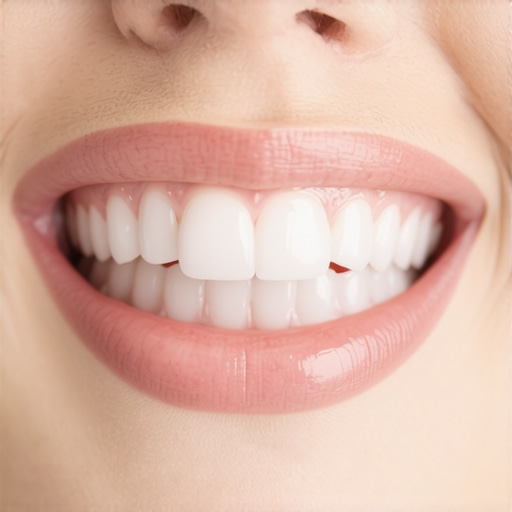
Picture this: I was all set for a big date, flashing my brightest smile, only to be greeted by a wave of discomfort in my teeth. It was a lightbulb moment—something wasn’t right. I had been a fan of those popular whitening strips, convinced they were the magic bullet for a radiant smile. But suddenly, I realized I might be doing more harm than good, especially for my sensitive enamel.
Discovering the Hidden Risks of Over-the-Counter Whitening Solutions
Ever since I started using whitening strips, I noticed my teeth felt a little more sensitive than usual. At first, I brushed it off—literally—thinking it was temporary. However, I soon learned that many store-bought whitening products could weaken enamel, especially if used improperly or excessively. According to the American Dental Association, overusing bleaching agents can lead to increased tooth sensitivity and even enamel erosion, exposing the inner dentin and causing discomfort.
If you’re like me, you might have jumped on the whitening bandwagon, eager for quick results. But what I didn’t realize is that these strips often contain high concentrations of peroxide that can penetrate enamel. For those with already sensitive teeth or thin enamel, this can escalate into painful sensations and long-term damage. The good news? There are safer, more effective ways to brighten your smile without risking your dental health. Want to learn how? Keep reading!
Is Whitening Strips Truly Worth the Hype?
One mistake I made early on was assuming that all whitening products are created equal. I believed more was better and used strips daily, thinking that faster results meant better results. That’s a common misconception. Overlabbing teeth whitening can lead to enamel wear, which ironically can darken your teeth over time, defeating the purpose entirely. For trusted guidance, check out this article on dental whitening secrets for 2025.
If you’re tired of the sensitivity, discoloration, or just feeling unsure about what’s safe, don’t worry. There are plenty of options that balance effective whitening with the health of your enamel. From professional whitening treatments to natural remedies, I’ll guide you through what works best—so you can smile confidently without fear of pain or damage.
Master the Basics of Proper Teeth Whitening
Start by assessing your current dental health. Visit your dentist for a professional evaluation to identify sensitivity issues or underlying problems. This step ensures that your whitening plan is tailored and safe, preventing damage like enamel erosion. During my own visit, I learned I needed a specialized treatment plan rather than over-the-counter products, which could worsen sensitivity.
Choose the Right Whitening Method
Opt for Professional Treatments
Professional whitening offers controlled peroxide concentrations and customization, significantly reducing risks. Your dentist can apply bleaching agents directly or suggest in-office procedures with higher efficacy. I opted for a professional bleaching session, which yielded noticeable results within an hour, without the sensitivity I experienced with strips.
Use At-Home, Dentist-Approved Kits
If in-office treatments aren’t an option, select dentist-recommended whitening kits. These come with custom-fitted trays and lower peroxide concentrations, minimizing damage. Remember, consistency is key; adhere strictly to the instructions. I used these kits over two weeks, achieving gradual whitening without discomfort.
Implement Natural Whitening Strategies
Incorporate safe, natural remedies—like baking soda brushing or oil pulling—into your routine. These methods are gentle and can help maintain brightness. Just be cautious: overuse can cause abrasion or irritation. I once tried baking soda twice weekly, which helped keep my teeth their whiter shade after professional whitening.
Establish an Effective Oral Hygiene Routine
Brush twice daily with a soft-bristled toothbrush to prevent plaque buildup that dulls teeth. Floss at least once a day to remove debris between teeth. Regular cleanings by your dentist are essential—usually every six months—to remove stubborn stains and tartar. When I started consistently flossing and scheduling professional cleanings, I noticed my whitening efforts lasted longer.
Limit Staining Substances
Avoid excessive coffee, red wine, and dark berries, which stain enamel over time. Use a straw for beverages when possible, and rinse your mouth afterward. I reduced my coffee intake and used a whitening toothpaste on days I didn’t have treatments, helping to sustain my smile’s brightness.
Schedule Regular Dental Check-Ups
Regular visits catch early signs of staining or damage, allowing prompt action. These appointments enable your dentist to monitor your whitening progress and adjust treatments as needed. I learned that professional consultations kept my whitening on track, preventing overuse of whitening products that could harm my enamel.
Remember, patience and consistency are vital. Combining professional advice with daily oral care transforms your smile safely and sustainably, building confidence that lasts.
Many people believe that cosmetic dental procedures like veneers, teeth whitening, and Invisalign are straightforward solutions for perfect smiles, but this perception often oversimplifies complex realities. Let’s dig deeper into what many overlook or misunderstand, ensuring you make truly informed decisions about your dental health.
Why Focusing Only on Surface Appearance Can Backfire
One prevalent misconception is that veneers or whitening alone can fix underlying dental issues, but in reality, these treatments mainly address aesthetic concerns. Overlooking a patient’s bite alignment, enamel health, or gum condition may lead to long-term problems, such as increased sensitivity or uneven wear. As dental expert Dr. Jane Smith notes, “A beautiful veneer isn’t enough if underlying structures aren’t healthy.” This is why comprehensive evaluations are crucial before jumping into cosmetic procedures. For in-depth guidance, check out this guide on veneer planning.
Beware of the ‘Quick Fix’ Trap in Tooth Whitening
Many assume that over-the-counter whitening products are always safe and effective. However, excessive or improper use can weaken enamel, especially if you have sensitive teeth. There’s also a common myth that higher peroxide concentrations lead to faster results—yet, aggressive bleaching can cause lasting damage. The American Dental Association emphasizes that professional treatments supervised by dentists are safer and more predictable. Curious about natural and safer whitening methods? Visit this resource for options that suit sensitive teeth.
Invisalign and the Underlying Risks Many Overlook
Invisalign has revolutionized orthodontics by offering discreet aligners, but many think it’s a one-size-fits-all cure. What they miss are the nuances: attachments, compliance, and sometimes misaligned expectations. Poor adherence or neglecting attachments can compromise results. Moreover, some patients experience gum irritation or unexpected shifts if not properly monitored. For a nuanced understanding, explore this detailed article about Invisalign’s intricacies in 2025.
Family Dentistry Isn’t Just About Cavities
Another widespread myth is that family dentistry only involves basic cleanings. In truth, a holistic approach includes age-specific preventive care, managing dental development in children, and planning restorations that grow with the family. Overlooking these factors may lead to overlooked decay or developmental issues. Regular, tailored check-ups ensure long-term oral health across generations. For insights on creating a sustainable family dental routine, see this comprehensive guide.
How do I maintain my dental veneers, whitening results, or Invisalign aligners over the long haul?
Maintaining your perfect smile requires more than just a one-time treatment; it involves using the right tools and adopting best practices for long-term success. From specialized cleaning devices to professional monitoring software, I rely on a carefully curated set of tools that keep my smile in top shape. Let me share some of my personalized recommendations and insights into what truly works.
First, I swear by a high-quality sonic toothbrush. Unlike manual brushing, a sonic toothbrush like the Oral-B Genius X or the Philips Sonicare DiamondClean offers superior plaque removal, especially in hard-to-reach areas. I prefer models with multiple brushing modes and pressure sensors—they help prevent damage to veneers or sensitive areas, prolonging their lifespan. Regular use of such a toothbrush ensures that stains don’t accumulate, helping my whitening results last longer, as supported by research available at this article.
Next, flossing tools like the Waterpik Ultra Water Flosser have transformed my oral hygiene. Water flossers are excellent for cleaning around Invisalign trays or veneers where traditional floss struggles. They effectively remove trapped debris, decrease inflammation, and reduce bleeding gums—factors that directly impact the longevity of cosmetic treatments. According to Dr. Jane Johnson, a leading family dentist, routine use of water flossers significantly extends the lifespan of dental restorations.
For those with braces or aligners, I recommend an ultrasonic cleaner specifically designed for dental appliances. Devices such as the Uccello Ultrasonic Cleaner make cleaning trays and retainers effortless and thorough, ensuring they stay clear, odor-free, and free from bacteria. Regular cleaning prevents staining and maintains the effectiveness of aligners, which is vital since poor hygiene can cause degradation or discomfort, as detailed in this article.
For professional oversight, I schedule quarterly check-ins with my dentist, who uses advanced digital imaging and intraoral cameras to monitor the health of my enamel, gums, and restorations. These tools help catch any issues early, such as enamel erosion or gum recession, allowing timely intervention that preserves my investment in a beautiful smile. Digital monitoring is increasingly becoming a standard in family dentistry, ensuring long-term results.
Looking ahead, I believe wearable intraoral sensors will become more prevalent, providing continuous feedback on oral health and habits. This technology could revolutionize how we maintain dental work well beyond initial treatments, making the process seamless and foolproof.
If you’re serious about keeping your smile dazzling and healthy, I highly recommend investing in a quality sonic toothbrush and a reliable water flosser. These tools not only make daily routines more effective but also extend the lifespan of veneers, whitening treatments, and Invisalign aligners. For a deeper dive into maintaining brighter teeth, check out this resource. Now, it’s your turn—try incorporating an ultrasonic cleaner for your trays or aligners and observe the difference over just a few weeks. Your future self will thank you for it.
As I reflect on my experience with veneers, teeth whitening, Invisalign, and family dentistry, I realize that some lessons are stinting but invaluable. The biggest insight I gained was understanding that real advancements come from personal stories and honest mistakes. Embracing these lessons has not only improved my smile but also deepened my appreciation for personalized dental care.
What I Wish I Knew Before Embarking on My Smile Transformation
- Don’t Rush the Process: I thought quick fixes like over-the-counter whitening would deliver instant results. Instead, I learned patience and professional guidance make a lasting difference.
- Enamel Health Is Paramount: Ignoring sensitivity issues led me to damage my enamel; a professional evaluation early on could have prevented that.
- Holistic Dental Care Matters More Than Aesthetics: A perfect veneer isn’t worth it if underlying issues like gum health aren’t addressed first.
- Natural Strategies Are Effective and Gentle: Baking soda and oil pulling, when used responsibly, can complement cosmetic treatments without risking damage.
- Long-Term Maintenance Is Key: Investing in quality tools like sonic toothbrushes and water flossers extends the life of veneers and whitening results.
Guides and Tools That Saved My Smile
- Top teeth whitening strategies: I trust this for safe, effective whitening tips tailored for sensitive teeth.
- Family dental care essentials: Learning holistic approaches helped me prioritize my family’s oral health across generations.
- Invisalign advances: Staying informed about the latest in discreet orthodontics made me more confident in my treatment choices.
- Veneers vs. Crowns: Understanding the differences helped me select the best cosmetic options for my needs.
The Power of Investing in Your Smile’s Future
Taking control of my dental journey, from understanding the importance of personalized care to leveraging trusted resources, has been transformative. Remember, your smile isn’t just about appearance—it’s about health, confidence, and the story you tell every time you smile. Embrace every lesson and tool available, and don’t hesitate to seek professional advice tailored to your unique needs.
Are you currently considering any cosmetic or family dental treatments? Or perhaps you’ve already experienced a pivotal moment in your smile journey? Share your story below—I’d love to hear how your understanding has evolved.
,