Why Your Mouth Feels Dry Every Time You Wear Your Clear Aligners
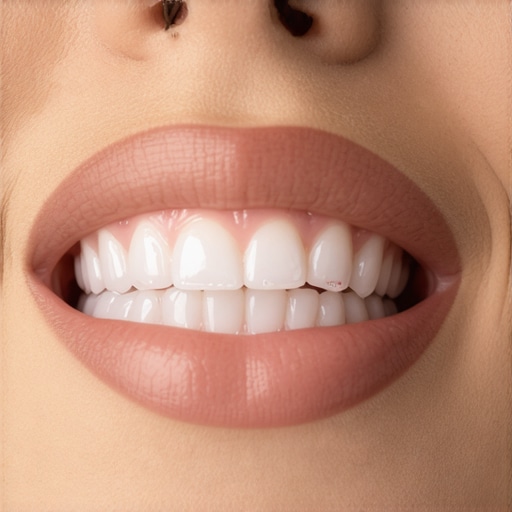
I remember the first time I slipped my clear aligners back into my mouth and instantly felt like I’d swallowed a desert. That sticky, uncomfortable dryness was not what I expected when I started my orthodontic journey. At first, I brushed it off as minor, maybe just a side effect I’d get used to. But as weeks went by, the sensation persisted and even worsened, making me dread wearing my aligners each day.
Feeling Thirsty and Uncomfortable? You’re Not Alone
This nagging dry mouth isn’t just an annoyance; it’s a common experience among those using clear aligners. Many patients come to me puzzled, worried they might be doing something wrong, or that their aligners are harming their oral health. The truth is, this sensation can stem from several factors—some within your control, others requiring a bit of expert guidance. And trust me, I’ve been there. Early in my own experience, I made the mistake of ignoring this issue, hoping it would resolve itself. That only made things worse. That’s why I want to shed some light on this problem today—so you won’t make the same mistake.
Is Your Dry Mouth Actually a Sign of Something More Serious?
One surprising fact is that while dry mouth can be annoying, it might also be a sign of dehydration or a side effect of medication. But with aligners, it’s often about how your mouth interacts with the tray. The saliva — our mouth’s natural defense — plays a crucial role in maintaining oral health. When its flow decreases, bacteria can thrive, leading to bad breath, cavities, or gum issues. So, understanding the root cause of your dry mouth is vital, and I promise to guide you through simple yet effective solutions. If you’re tired of that constant dry, uncomfortable feeling when you wear your aligners, keep reading. Because what follows could make your orthodontic experience not just bearable but truly comfortable.
Ensure Proper Hydration to Combat Dryness
Start your routine by drinking plenty of water throughout the day, aiming for at least 8 glasses. Keeping your saliva flow active helps maintain oral lubrication and reduces discomfort. A practical tip I used during my own treatment was carrying a refillable water bottle everywhere, which reminded me to sip regularly and kept my mouth moist.
Adjust Your Aligners for Better Comfort
Check Fit and Placement
Make sure your aligners fit correctly and aren’t causing undue pressure; misfit trays may hinder saliva flow. If you notice tightness or discomfort, consult your orthodontist—they may need to adjust your trays. I once struggled with a slightly tight aligner, which amplified dryness; my provider re-fitted it, and the dry sensation eased significantly.
Limit Extended Wear and Take Breaks
Don’t wear your aligners longer than prescribed. Removing them periodically allows your mouth to recover and increases saliva production. During my initial days, I learned to take short breaks at work, which surprisingly reduced dry mouth and enhanced comfort.
Optimize Oral Hygiene Practices
Maintain excellent oral hygiene by rinsing with fluoride mouthwash after meals and before inserting aligners. This not only promotes saliva flow but also prevents bacterial build-up that worsens dryness. I found gently massaging my gums with a soft toothbrush improved circulation and saliva secretion, which alleviated dryness over time.
Use Saliva Substitutes Carefully
Over-the-counter saliva substitutes can provide temporary relief. Look for alcohol-free options to avoid further irritation. During a particularly dry phase, I applied a gel recommended by my dentist, which created a protective barrier and eased discomfort.
Address Underlying Causes
If dryness persists, evaluate other factors like medication side effects or dehydration. Consult your healthcare provider if you suspect medications are contributing to dry mouth. I once discussed this with my doctor, who adjusted my prescription slightly, leading to a noticeable improvement in saliva production during treatment.
Consider Professional Guidance for Long-Term Relief
Regular check-ups with your dentist or orthodontist can help identify issues early. They might recommend salivary gland stimulation exercises or specialized rinses. Remember, managing dry mouth requires a tailored approach; what worked for me was a combination of hydration, proper aligner use, and professional advice, which you too can adapt for a more comfortable Invisalign experience.
When it comes to cosmetic and family dental treatments, there’s a lot of chatter, but not all of it is accurate. Many patients walk into clinics with misconceptions that can hinder their satisfaction or lead to costly mistakes. Let’s uncover some of the most overlooked nuances that even savvy consumers often miss, ensuring your next dental decision is well-informed.
Why Following the Crowd Can Backfire with Veneers
Many believe that veneers are a universal fix for crooked or discolored teeth. However, this approach overlooks important details. For instance, not all veneer materials are suitable for every smile; porcelain offers durability and a natural look, but it requires preparation that may compromise tooth structure. Composite veneers are less invasive but tend to stain faster. A common misconception is that veneers can be reversed easily, but removing them involves substantial enamel removal, which can expose teeth to sensitivities or damage. For a comprehensive understanding, check out this guide to veneers.
Teeth Whitening – It’s Not Just About Bleaching
Teeth whitening is often simplified as a quick splash of bleach, but there’s more beneath the surface. Overusing whitening products, especially those with high peroxide concentrations, can weaken enamel and cause sensitivity. Additionally, whitening isn’t effective on all types of discoloration—like intrinsic stains from medications or trauma—that require aesthetic restorations instead. Keep in mind, whitening gels won’t work on porcelain veneers or crowns, which could lead to uneven results if not planned properly. For advanced insights, explore the secrets of professional whitening.
Invisalign and the Tactics that Fool Many
Many believe Invisalign is a miracle cure that fixes all alignment issues with minimal effort. While it’s true that Invisalign offers a discreet and effective option, it’s not a magic bullet. Overlooking the importance of compliance—wearing trays for the prescribed 20-22 hours—can lead to prolonged treatment times and subpar results. Some patients underestimate how minor misalignments can become more complex over time if not addressed early. Advanced cases often require attachments or even traditional braces, contrary to popular belief. For a deeper dive, visit this article about Invisalign advancements.
Why Family Dentistry Is More Than Routine Check-Ups
Commonly, people think family dentistry is just about cleaning teeth and checking for cavities. However, it encompasses a preventative approach that tailors strategies for every family member—adapting to children’s growth, adult dental concerns, and even elderly needs. Overlooking this can lead to missed opportunities for early intervention. For example, applying sealants in childhood can prevent future cavities, saving money and discomfort in the long run. Also, recognizing early signs of other health issues, like sleep apnea or nutritional deficiencies, falls within the scope of comprehensive family dental care. For expert recommendations, explore this family dentistry guide.
What Advanced Factors Influence Your Cosmetic Dental Outcomes?
Beyond basic procedures, the success of treatments like veneers or whitening depends heavily on variables such as enamel thickness, bite dynamics, and even micro-movements over time. These nuanced factors can affect longevity, shade matching, and overall aesthetics. For example, someone with thin enamel may need less aggressive whitening or alternative cosmetic options to prevent sensitivity. Consulting with an experienced dentist ensures these complexities are considered, leading to results that are both beautiful and durable. Want to learn more? Review this resource on veneer bonding.
In summary, the path to a healthier, brighter smile is paved with informed choices. Avoid falling for superficial claims, and dig deeper into the mechanics and science behind each procedure. Do you have misconceptions or hidden concerns about your dental treatments? Share your stories in the comments—I love helping patients navigate these often confusing waters!
Keeping Your Smile in Top Shape: The Tools I Trust
Maintaining the results of cosmetic and family dentistry procedures requires more than just good habits—it’s about leveraging the right tools and techniques for long-term success. In my practice, I rely heavily on specific equipment and software that help patients sustain their beautiful smiles with confidence.
One indispensable device is the ultrasonic scaler. I use this tool during periodic professional cleanings because it efficiently removes plaque and tartar without damaging the enamel. The precision of ultrasonic technology ensures that my patients’ gums stay healthy, which indirectly preserves their cosmetic results, whether from whitening or veneers. Incorporating a high-quality ultrasonic scaler into routine maintenance can significantly extend your smile’s lifespan.
For at-home care, I recommend electric toothbrushes with pressure sensors. These devices prevent users from brushing too hard, which can erode enamel or cause gum recession, especially around veneers or implants. I personally favor models that offer Bluetooth connectivity and tracking via companion apps, allowing patients to monitor their technique and ensure consistent, gentle cleaning—crucial for preserving dental work over years.
Smart Software for Smile Preservation
Beyond hardware, the software tools I utilize include digital smile design systems. These programs allow me to simulate ageing processes, predict how restorations will endure over time, and customize long-term maintenance plans. They also empower my patients to see future outcomes, motivating adherence to daily routines that protect their investment. Digital records also make it easier to spot early signs of wear or issues, enabling preemptive action before more extensive repairs are needed.
How do I keep my dental work looking flawless over the years?
Consistent checkups, properly fitted appliances, and using the right tools are vital. Regular visits with your dental professional ensure any minor problems are caught early. Professionally, I also recommend using remineralization varnishes or fluoride gels periodically—especially if your diet is acidic or sugary—as they reinforce enamel and guard against sensitivity, which can compromise veneers or whitening results.
In terms of future trends, advances in aligner technology and bioengineered restorative materials promise even better durability and aesthetic longevity. Staying informed about these developments allows me to advise my patients accurately and prepare personalized maintenance strategies.
If you want to try a game-changing tip, I suggest integrating a Bluetooth-connected electric toothbrush into your daily routine. Consistent, gentle brushing with real-time feedback can prevent many long-term issues, ensuring your smile remains stunning for decades to come.
Throughout my years in dental practice, I’ve come to realize that the most valuable lessons often come from personal experiences and honest reflections. When it comes to invisalign, veneers, teeth whitening, and family dentistry, there are insights that aren’t always obvious but can significantly transform your approach and expectations.
3 Surprising Lessons I Learned About Achieving a Perfect Smile
- Consistent Care Trumps Quick Fixes: I once believed that occasional professional treatments were enough, but I realized that daily habits—like gentle brushing and mindful eating—are the bedrock of long-lasting results. Skipping these can undo months of work faster than you think.
- Personalized Solutions Matter More Than Trends: It’s tempting to follow popular whitening or veneer trends, but I learned that each smile is unique. Custom treatments tailored to your anatomy and lifestyle deliver truly natural and durable results. Don’t hesitate to discuss options like veneers that fit your specific needs.
- Patience Is a Virtue in Dental Transformations: Achieving a confident smile doesn’t happen overnight. I once pushed for rapid results, only to experience setbacks. Embracing the process, with guidance from your dentist, ensures you get the smile you desire without unnecessary risks.
Tools That Elevate My Dental Practice and Why I Trust Them
- High-Resolution Digital Imaging: This technology lets me visualize potential smile outcomes precisely, helping in planning successful Invisalign treatments and restorations.
- Ultrasonic Cleaners: Efficient and gentle, these tools keep my patients’ teeth healthy and maintain the quality of aesthetic work over time. Their effectiveness has transformed my approach to cleanings and maintenance.
- Advanced Smile Design Software: It enables me to preview results with patients, setting realistic expectations and boosting satisfaction. Seeing a potential smile improves compliance and fosters trust.
- At-Home Oral Care Devices: Recommending electric toothbrushes with pressure sensors has helped patients improve technique, preserving their investment in smile makeovers while simplifying daily routines.
Start Your Smile Transformation Today
Your journey to a healthier, brighter smile is within reach. Embrace the process, utilize the right tools, and collaborate with professionals who understand your unique needs. Remember, each step you take now paves the way for a radiant future—one where confidence and comfort go hand in hand.
What has been your biggest challenge or breakthrough in your dental journey? Share your story below—I love hearing how others navigate their path to a perfect smile!
Need personalized advice? Feel free to reach out to my team, and let’s plan your next step toward radiant confidence.