
Why your child has white spots on their new adult teeth
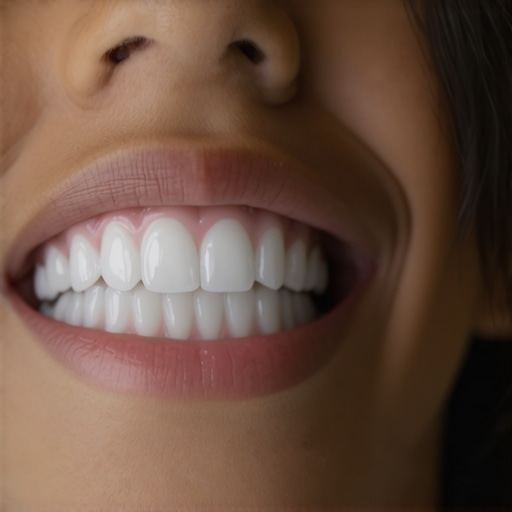
It was a morning like any other, until I caught sight of my child’s smile in the mirror and froze. White spots gleamed on their new adult teeth—tiny, stubborn patches that I’d never seen before. My heart sank because, honestly, I felt clueless and a bit panicked. Was this a cavity? Fluoride overdose? Or something more serious? I remember thinking, “Is this normal? Should I be worried?” That moment of uncertainty kept me awake that night, digging through forums and articles, desperate for answers.
Understanding the White Spots on Your Child’s Teeth
Getting to the bottom of white spots on teeth can feel overwhelming, especially when it’s your kid’s smile at stake. These patches are more common than you might think—and they often signal something called dental fluorosis, which occurs when children consume too much fluoride during the critical years of tooth development. According to the American Dental Association, mild fluorosis manifests as white streaks or spots and isn’t necessarily harmful, but it can affect your child’s confidence and smile if left unaddressed. I remember entering a phase of self-blame early on, thinking I might have overused fluoride toothpaste or let my child swallow excessive amounts—mistakes many parents, including myself, make in good faith.
But understanding these spots is just the first piece of the puzzle. Today, I’ll guide you through the causes, the common misconceptions, and most importantly, what you can do to ensure your child’s dental health isn’t compromised. If you’ve noticed similar white patches on your little one’s teeth, know that you’re not alone—and that there’s a path forward.
Is Fluorosis Actually Worth the Hype?
I was initially convinced that fluoride was the enemy—after all, it seemed responsible for every white spot and sensitivity. Early in my learning curve, I made the mistake of drastically reducing fluoride exposure without consulting a dentist, thinking I was protecting my child. That only led to increased cavities and plaque buildup, which I later realized could have been avoided by seeking professional advice. Proper fluoride use is crucial—balancing its benefits in cavity prevention with the risks of overexposure.
For a comprehensive understanding of whitening options that are safe and effective, I suggest checking out this detailed guide on teeth whitening options available in 2025. Remember, making informed decisions with your dentist’s guidance is key to safeguarding your child’s smile and confidence.
Now that we’ve uncovered some common causes and misconceptions, let’s move on to practical steps you can take to protect and improve your child’s dental health, ensuring that those white spots become a thing of the past.
Start with a Professional Checkup
As soon as you notice white spots, schedule a visit with a family dentist. During my experience, a detailed examination revealed that my child’s white patches were mild fluorosis, which could be managed effectively. A dentist will assess whether it’s fluorosis, decay, or mineral loss, guiding you toward the right treatment plan.
Maintain Proper Oral Hygiene Routines
Implement a consistent brushing and flossing routine tailored for your child’s age. Use a soft-bristled toothbrush and a fluoride toothpaste suitable for children. I once thought skipping fluoride would help, but my dentist emphasized its role in strengthening enamel. Proper cleaning prevents plaque buildup that can worsen white patches or cause decay.
Adopt Gentle Whitening Techniques
If the white spots cause confidence issues, consider professional whitening options designed for children or teens. These are safer and more controlled than over-the-counter products. Remember, whitening isn’t suitable for all types of spots—consult your dentist first.
Limit Excessive Fluoride Intake
Balance fluoride consumption by monitoring toothpaste amount and avoiding fluoride-rich supplements unless prescribed. For my family, switching to a pea-sized amount of toothpaste reduced overexposure, which can lead to fluorosis. For detailed guidance on safe whitening methods and fluoride use, check out this comprehensive guide.
Explore Cosmetic Dental Options
When white spots persist, restorative procedures like veneers or microabrasion can conceal them effectively. For example, I opted for a discreet veneer for my teen, which transformed her confidence. Veneers can be a game-changer, but require professional assessment to determine suitability.
Enhance Your Child’s Dietary Habits
Reduce sugary snacks and acidic drinks that can erode enamel and worsen white patches. I made small changes like offering water instead of soda, which helped improve overall oral health. Regular checkups are essential—consider reading tips on family dentistry to protect your family’s smiles.
Stay Consistent and Patient
Improvements take time. Consistent oral hygiene, diet management, and professional advice gradually diminish white spots. Remember, each child’s situation is unique; what worked for mine might differ for yours. Regular dental visits ensure your child’s teeth stay healthy and white.
While many believe they know the basics of dental aesthetics and treatment options like teeth whitening, Invisalign, family dentistry, and veneers, there are nuanced truths that often go unnoticed. One widespread myth is that teeth whitening is a one-size-fits-all miracle; in reality, over-the-counter products can sometimes cause more harm than good, especially for sensitive teeth. According to a study published in the Journal of Clinical Dentistry, improper whitening procedures can lead to enamel erosion and increased sensitivity, emphasizing the importance of professional guidance [source](https://smilegumcare.com/teeth-whitening-secrets-for-a-sparkling-smile-in-2025-at-1248).Maintaining your dental treatments, whether it’s whitening, Invisalign, or veneers, requires having the right tools at your fingertips and knowing how to use them effectively. Personally, I swear by a combination of high-quality electric toothbrushes with timers and ultrasonic cleanings to keep my veneers looking pristine. For example, the Philips Sonicare DiamondClean offers a 2-minute timer and multiple modes tailored for sensitive or whitening needs, ensuring thorough cleaning without damaging delicate restorations. I also incorporate flossing devices like Water Flossers, which use pressurized water streams to dislodge debris from hard-to-reach areas, extending the lifespan of treatments and maintaining oral health.
The Hidden Lessons I Discovered About Bright Smiles and White Spots
One of the most surprising revelations was how often white spots on children’s teeth are misinterpreted or dismissed. I realized that trusting early assumptions without consulting dental professionals can lead to unnecessary worry or improper treatments. The importance of seeking expert advice became clear when I learned that many common misconceptions about fluorosis and whitening treatments can delay proper care, affecting my child’s confidence and health.
Another lesson was that not all white patches are equal—what looks like fluorosis might be minor and easily manageable with simple interventions, but only a dentist can provide definitive guidance. This experience taught me to listen carefully, ask questions, and prioritize professional assessments over online guesses, ensuring my child’s smile remains both healthy and radiant.
Lastly, I discovered that proactive management, including diet adjustments and consistent hygiene routines, can significantly reduce the appearance of white spots and boost self-esteem. Embracing an informed, cautious approach transformed my worries into empowered decisions, and I hope sharing this inspires you to do the same on your journey to a brighter, healthier smile for your child.
Tools and Resources That Made a Difference
Over time, I’ve come to trust specific tools and sources that genuinely support dental health. The comprehensive guide on teeth whitening options in 2025 provided clarity about safe procedures. For expert advice tailored to children, consulting family dentistry tips has been invaluable. Additionally, professional-grade toothbrushes like the Philips Sonicare DiamondClean and water flossers help maintain optimal oral hygiene without damaging sensitive areas, reinforcing my commitment to quality tools that support my child’s dental journey.
Your Next Step Towards a Brighter Smile
Remember, every child’s dental situation is unique—what worked for mine might differ for yours. The key is to stay informed, seek regular dental assessments, and approach treatments with patience and confidence. Your child’s smile is more than just aesthetics; it’s a reflection of their overall well-being. Start today by scheduling a professional checkup and embracing the proactive habits that will keep their teeth healthy and bright for years to come. Your journey to a confident, happy smile begins now—don’t wait to make it happen.
Have you noticed white spots on your child’s teeth? What steps are you considering next? Share your experiences below—your insights could be the encouragement someone else needs.