
How to stop your bottom teeth from shifting after your retainer breaks
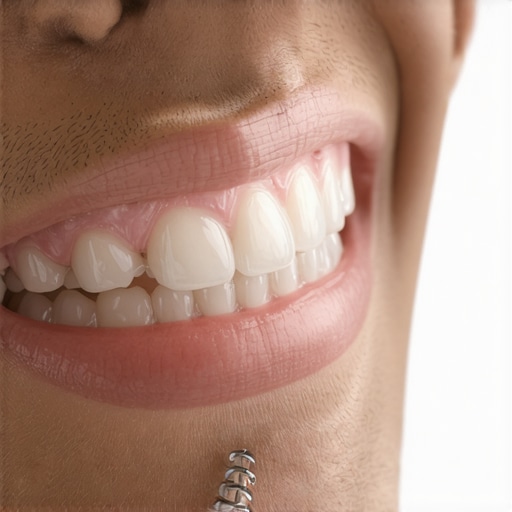
I remember the exact moment it happened. I was brushing my teeth, feeling pretty good about my smile after finally finishing my Invisalign treatment. Then, I noticed one of my bottom teeth starting to feel a little off—like it didn’t quite sit where it used to. Turns out, my retainer had snapped unexpectedly, leaving my teeth vulnerable to shifting. That sudden jolt of panic was a lightbulb moment for me—realizing how easily things can change when you least expect it.
Why Knowing How to Prevent Your Teeth from Shifting Matters
Persistent teeth movement isn’t just about losing that perfect smile; it can lead to bite issues, discomfort, and even long-term dental health problems. When a retainer breaks, it’s tempting to ignore it or delay fixing it, but in reality, time is of the essence. Teeth are incredibly dynamic; without the proper support, they tend to drift to their original positions, undoing months—or even years—of orthodontic work. I admit, early on, I mistakenly thought I could just wait until my next appointment, but that only made things worse. The key is acting quickly and knowing the right steps to prevent any setbacks.
Is Fixing Your Retainer or Preventing Teeth Shifts Really That Important?
I’ve been there—thinking, “It’s just a tiny break, it’ll hold long enough,” only to see my teeth gradually lose their alignment. Trust me, that mistake cost me more time and effort in the end. The truth is, ignoring a broken retainer can undo your orthodontic progress faster than you imagine. For those wondering if this is worth the concern, rest assured: preserving your smile’s health is absolutely crucial. If you want to learn effective ways to stay ahead of shifting teeth—without the hassle—you’re in the right place. Curious about some of the common pitfalls? Check out this resource on dental care for more insights.
Now, let’s dive into practical strategies that will help you keep your bottom teeth steady, even if your retainer has seen better days.
Act Fast with Temporary Fixes
When your retainer snaps, don’t wait around. Immediately, clean the broken pieces with warm water to remove debris. Then, use orthodontic wax or a small piece of dental floss to secure the remaining part temporarily. For example, I had a similar situation where my retainer broke during a trip. I quickly wrapped some orthodontic wax around the broken edge and wore it until I could see my dentist. This simple step minimized shifting risks and bought me time.
Schedule an Emergency Dental Visit
Contact your dentist promptly via their contact page. Explain the situation clearly—mention where and when it happened. The goal is to get a professional assessment swiftly. During my experience, the dentist fitted me with a new retainer within days, preventing my teeth from drifting back into their old positions. Timeliness is critical to safeguard your orthodontic progress.
Get a Custom Replacement ASAP
Most orthodontists can provide a replacement retainer in a few days. In the meantime, consider using a DIY solution like a moldable mouthguard (available at drugstores). These can act as a temporary retainer, especially effective if your original was a clear aligner or similar model. My friend once used a boil-and-bite mouthguard after her retainer broke and found it helped keep her teeth aligned until a new one was made. This step is crucial to maintain alignment.
Stick to Your Orthodontist’s Advice
Follow instructions closely, whether it’s wearing a temporary device or your new retainer. Limit eating hard or sticky foods that could damage your new appliance. Remember, even a minor mishap can lead to significant shifting if you’re not careful. I’ve seen cases where neglecting this advice caused additional delays and costs, so stay disciplined and proactive.
Use Dental Monitoring Tools for Prevention
If your orthodontist offers remote monitoring, opt-in to track your progress. This can catch early signs of shifting before they become problematic. For instance, I uploaded regular photos during my treatment, which helped my dentist spot minor misalignments and address them promptly. Investing in these tools can save you both time and money, and keep your smile on track.
Complement with Family Dental Care
Regular check-ups, especially in family dentistry settings, ensure your overall dental health doesn’t suffer. Dentists can spot early signs of shifting or appliance damage. They can also advise on additional preventive measures like night guards if your teeth tend to shift while sleeping. Visit family dentistry for comprehensive care that supports your orthodontic goals.
Why Most People Misunderstand Invisalign’s Flexibility
Many believe Invisalign is suitable for all orthodontic cases, but in reality, severe malocclusions often require traditional braces or complex treatments. Invisalign works best for mild to moderate adjustments, yet some assume it’s a universal solution—this oversimplification can lead to choosing ineffective options. A common myth is that Invisalign can fix significant bite issues quickly, but complex cases demand careful evaluation by an experienced orthodontist. According to a study published in the American Journal of Orthodontics & Dentofacial Orthopedics, misjudging Invisalign’s capabilities can result in prolonged treatment times or compromised results. Always consult a specialist to determine the most appropriate approach for your unique needs.
Teeth Whitening Tricks That Might Backfire
It’s tempting to believe that over-the-counter whitening products are just as effective as professional treatments, but this isn’t always true. Many consumers underestimate the risk of enamel erosion or increased sensitivity when using low-quality or inappropriate whitening agents. A common mistake is frequent bleaching without dental supervision, which can cause irreversible damage. Dental expert Dr. Melanie Wilkinson warns that aggressive whitening can weaken enamel, leading to higher cavity risk. She emphasizes that professional whitening tailored to your enamel type is safer and more predictable, referencing a comprehensive review in the Dental Clinics of North America. So, be cautious and seek professional advice before embarking on whitening routines.
Veneers — More Than Just a Smile Makeover
Some patients think veneers are a quick fix for aesthetic flaws, but overlooking their nuances can lead to irreversible damage. Veneers require removal of some enamel, making the procedure permanent. A critical mistake is choosing veneers solely for cosmetic reasons without understanding the implications—such as increased sensitivity or the need for replacements over time. Moreover, not all veneers are created equal; porcelain veneers offer durability but are more expensive, while composite ones are more affordable but less long-lasting. As explained in the article Veneers vs Crowns, aligning expectations with reality is essential to prevent future dissatisfaction.
What Advanced Dental Techniques Can Elevate Your Family’s Care?
Many assume that family dentistry is just routine cleaning and cavity checks, but modern practices incorporate advanced technologies like digital impressions, laser treatments, and tele-dentistry. These innovations improve accuracy, reduce discomfort, and streamline appointments, enhancing the overall experience. For example, remote monitoring tools allow your dentist to track your child’s dental progress between visits, catching issues early before they escalate. This proactive approach isn’t just for adults; it’s transforming pediatric care by making it less daunting for children. As highlighted in this guide on modern family dentistry, embracing these technological advances ensures healthier smiles for generations to come. Don’t miss the chance to leverage cutting-edge methods—your family deserves the best.
Have you ever fallen into this trap? Let me know in the comments and share your experiences. Remember, understanding these nuances empowers you to make informed decisions and avoid costly pitfalls in your dental journey.
Tools That Keep Your Smile on Track Over Time
Maintaining your dental enhancements, whether it’s Invisalign, veneers, or whitening treatments, requires the right tools designed for durability and ease of use. I personally recommend investing in an ultrasonic dental scaler like the SonicBeauty 6000. This device effectively removes plaque and tartar without damaging delicate surfaces, which is crucial for preserving veneers and orthodontic aligners. Regular use prevents buildup that can compromise your restorations and overall oral health. Additionally, I use a soft-bristled electric toothbrush such as the Philips Sonicare DiamondClean, which delivers gentle yet thorough cleaning, reducing abrasion around veneers and gum tissues. This combination of advanced appliances ensures your treatments last longer and stay looking their best.
Why Professional Monitoring is a Game-Changer
In the era of digital health, remote monitoring tools are revolutionizing dental maintenance. My personal routine includes weekly scans using a 3D intraoral scanner like the iTero Element 5D, which allows my orthodontist to track shifts or early signs of wear. By uploading these scans via secure cloud platforms, I receive expert advice without frequent office visits. This proactive approach catches small issues before they escalate, making maintenance more efficient and preventing costly corrections later. Reflecting on future trends, I believe AI-driven diagnostic apps will become standard, analyzing images automatically and flagging potential concerns in real-time. Embracing these technologies now grants long-term savings and peace of mind.
How do I maintain my dental enhancements over the years?
Consistent maintenance starts with a disciplined routine incorporating specific tools. Use your ultrasonic scaler weekly, ideally after meals, to prevent plaque accumulation. Schedule periodic professional check-ups—aim for every six months—with your dentist or specialist to assess the integrity of veneers, whitening agents, or aligners. Additionally, investing in a high-quality interdental brush, like the Tepe Supreme, ensures thorough cleaning in hard-to-reach areas, which is vital for long-term success. According to research published in the Journal of Clinical Dentistry, regular maintenance habits can double the lifespan of veneers and whitening treatments. For best results, complement these practices with a balanced diet low in staining foods and drinks. Consider trying the advanced cleaning tips outlined here to maximize durability and keep your smile dazzling for years to come. Explore more about long-term dental care strategies by visiting the Veneers vs. Crowns guide.
Prepare for Future Scaling and Adjustments
As your smile evolves, so should your maintenance approach. Take advantage of cutting-edge tools like custom fluoride varnishes applied professionally during routine visits, which strengthen your enamel against staining and erosion. Also, stay informed about emerging materials—new veneer porcelains and whitening compounds—that offer longer-lasting, more natural results. I predict that as technology advances, personalized treatment plans based on genetic markers may become available, allowing us to approach dental aesthetics with unprecedented precision. Staying proactive and embracing innovations today will facilitate smoother adjustments and scaling efforts in the future. Don’t hesitate to reach out to your dental care provider to discuss integrating these tools into your ongoing plan. For tailored advice, contact us here.
Unspoken Truths About Invisalign That No One Tells You
One of the biggest surprises I encountered was realizing that Invisalign isn’t a magic wand—it requires discipline and proactive care. I learned the hard way that overlooking minor issues like tiny chips or misalignments in trays can lead to longer treatment times. This taught me to always inspect my aligners closely and stay engaged with my orthodontist. If only I had known earlier that consistent, gentle maintenance could save me countless visits and ensure a smoother journey.
Tools and Tips That Turned My Dental Routine Into a Fortress
Investing in a high-quality electric toothbrush made a huge difference in my whitening results and gum health. I swear by the Sonicare DiamondClean because it reaches places manual brushes miss, especially around veneers. Pairing it with a professional-specific mouthwash recommended by my dentist helped maintain brightness and prevent sensitivity. Trust me, these small tools combined with regular dental check-ups turned my smile maintenance into a confident routine.
What I Wish I Knew About Veneers and Family Dentistry Nuances
Choosing veneers? Don’t rush the process. I learned that understanding the material options—porcelain versus composite—can dramatically affect durability and appearance. Also, integrating regular visits to my family dentist was invaluable; they caught early signs of enamel erosion that could have jeopardized my veneers. Building a team of trusted professionals made my smile more resilient and gave me peace of mind I didn’t realize I needed.
Insider Wisdom: The Lessons Hidden in My Dental Journey
- Don’t ignore small cracks or chips in your aligners; they can slow down your progress or cause discomfort. It’s better to address these early with your dentist.
- Consistent, gentle cleaning with the right tools can prolong the life of whitened teeth and veneers, saving money and stress in the long run.
- Overusing DIY whitening products without professional guidance can backfire, leading to sensitivity or uneven results. Always seek expert advice first.
- Integrating the latest family dental tech, like remote monitoring apps, not only caught minor issues early but also made dental care more accessible and less intimidating for children.
Resources That Keep My Smile Bright and My Mind Rested
- Expert Tips on Veneers: A comprehensive guide that helped me choose the right veneer style and material for my face shape and lifestyle.
- Invisalign Secrets: This resource demystified the treatment process and provided hacks for maintaining aligner clarity and comfort.
- Family Dentistry Insights: I rely on this for tips on integrating cutting-edge tech into routine visits, making ongoing care more engaging for my kids.
Be Bold: Your Smiles Deserve More Than Ordinary
Your journey to a perfect smile is uniquely yours, filled with lessons, surprises, and small victories. The key is staying curious, seeking personalized advice, and embracing innovation. Don’t let fear or uncertainty hold you back—your future self will thank you for making the proactive choices today. Whether it’s perfecting your Invisalign routine or exploring advanced veneer options, remember that confidence in your dental care can transform your life. Dive into these resources, ask questions, and embrace the smile you truly deserve.
What was your biggest lesson learned during your dental transformation? Share your story below—I’d love to hear how you’re taking control of your smile!
,