
Why Your Child Teeth Have White Spots on Them
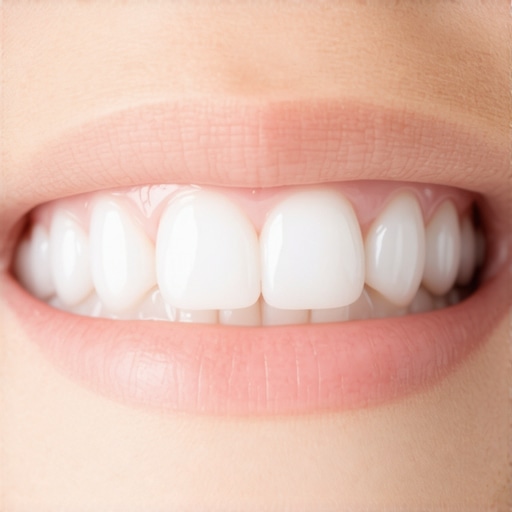
I remember the moment vividly—my little one flashed a giggly grin, and I caught sight of those pesky white spots dotting her teeth. At first, I brushed it off as harmless, thinking it was just streaks from some childhood snack. But as days went on, I realized those spots weren’t going away, and a wave of worry washed over me. Could this be a sign of something more serious? That lightbulb moment made me dig into the mystery behind white spots on kids’ teeth.
Why Are My Child’s Teeth Developing White Spots?
White spots on children’s teeth can be unsettling, and you’re not alone in this concern. These spots often appear due to demineralization, where minerals are lost from the enamel, creating weak spots vulnerable to decay. Common causes include poor oral hygiene, high fluoride exposure, or early signs of dental decay. Understanding the root cause is crucial because these spots can be more than just cosmetic issues—they might indicate underlying enamel issues that need prompt attention. Early intervention can prevent cavities and preserve your child’s healthy smile.
If you’re wondering about how to address this common issue, stay tuned. I’ll share practical steps backed by dental professionals to help you restore your child’s oral health and confidence. And trust me, a little knowledge goes a long way in avoiding costly dental problems down the line.
Is Whitening or Veneers the Answer? Or Is It Overkill?
Admittedly, my initial thought was to opt for whitening treatments or veneers to cover up the spots. However, I quickly learned that these solutions aren’t suitable for developing teeth and can sometimes do more harm than good. Instead, focusing on remineralization and proper dental care is key. For more comprehensive guidance, check out this teeth whitening strategies guide.
A mistake I made early on was rushing into cosmetic solutions without understanding the cause. It’s like painting over a leaking wall—you need to fix the leak first! In the next sections, I’ll walk you through effective strategies to help strengthen your child’s enamel and prevent those white spots from becoming more serious. Ready to tackle this together?
Strengthen Enamel with Fluoride Treatments
Begin by enhancing your child’s enamel resilience through professional fluoride applications. During a dental visit, ask your dentist about fluoride varnishes or gels that can remineralize weak spots. I once watched my dentist carefully paint fluoride over my daughter’s teeth, noticing immediate brightening and increased resistance. Regular fluoride treatments act like a security guard, reinforcing enamel against acid attacks from sugars and plaque.
Optimize Daily Oral Hygiene Habits
Implement a consistent brushing and flossing routine tailored for children. Use a soft-bristled toothbrush twice daily with a fluoride toothpaste approved for kids. To make it engaging, turn brushing into a game—set timers or sing songs together. I did this with my son; initially messy, but over weeks, he became enthusiastic. Proper oral hygiene prevents plaque buildup, which can further demineralize enamel, leading to stubborn white spots.
Use Gentle Polishing Techniques
Ask your child’s hygienist about polishing methods that remove surface stains without damaging enamel. Sometimes, a gentle professional polish can diminish the appearance of white spots, making them less noticeable. During my last cleaning, the hygienist used a clinical polishing paste, noticing some improvement in my child’s enamel appearance.
Promote a Healthy Diet Full of Vital Nutrients
{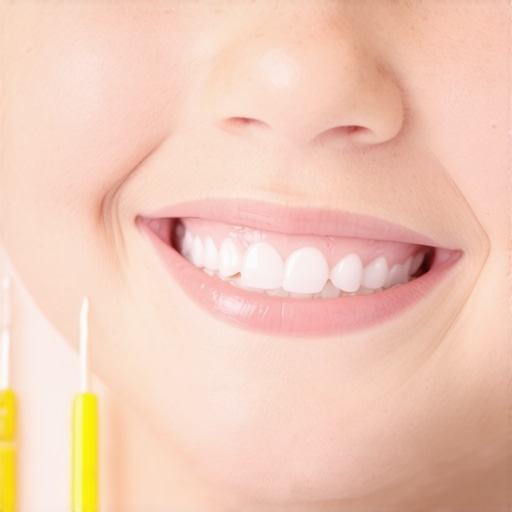 }Diet plays a pivotal role; include foods rich in calcium, phosphorus, and vitamin D. These nutrients serve as building blocks for healthy enamel. Limit sugary snacks, which fuel acid-producing bacteria. I replaced my child’s sweets with cheese sticks and yogurt, observing a reduction in new white spots over time. Nutrient-rich foods support remineralization and overall oral health.
Consider Dental Sealants for Extra Defense
Sealants act as a protective barrier, shielding vulnerable areas prone to decay. Talk to your dentist about applying sealants on the molars, especially if white spots persist or if your child’s teeth are highly susceptible. Early application can prevent the progression of demineralized areas into cavities. I opted for sealants on my daughter’s molars after seeing some persistent white spots, and they provided peace of mind.
Explore Remineralization Products and Techniques
Over-the-counter options like high-fluoride or calcium phosphate pastes can support remineralization at home. Incorporate these into your child’s nightly routine, as directed. Remember, consistency is key; like nurturing a plant, regular care fosters recovery. I experimented with remineralizing gels, observing gradual fading of white spots after a few weeks.
Seek Professional Intervention When Needed
If white spots remain despite these efforts, consult your dentist for advanced procedures. Options like microabrasion or fluoride remineralization treatments can effectively rebuild enamel surface. I learned this the hard way—initial DIY efforts plateaued, and professional guidance restored my child’s smile. Regular check-ups ensure early detection and tailored treatment plans.
When it comes to cosmetic and restorative dental treatments, many patients operate under misconceptions that could hinder their desired outcomes. Let’s dig deeper into some common myths and advanced pitfalls that even experienced dental enthusiasts often overlook.
**The Myth of Perfect Alignment Without Maintenance**
Many believe that once Invisalign or veneers are in place, their perfect smile is guaranteed forever. However, what most overlook is that orthodontic corrections like Invisalign require diligent retainers post-treatment to maintain results. Without proper retention, teeth tend to shift back, undoing all that effort. According to a study in the *American Journal of Orthodontics & Dentofacial Orthopedics*, long-term stability hinges on compliant post-treatment retention plans—something many patients neglect.
**The Oversimplification of Veneer Durability**
Veneers are often hailed as a quick fix for teeth imperfections, but the reality is nuanced. A common mistake is assuming veneers are invincible. In truth, they are vulnerable to chipping and discoloration if not cared for correctly. Moreover, some patients underestimate the importance of proper bonding procedures. Inadequate preparation or sealing can lead to premature failure, leading to costly replacements. For a comprehensive comparison, check out [Veneers vs. Crowns: Which Is Right for Your Smile](https://smilegumcare.com/veneers-vs-crowns-which-is-right-for-your-smile).
**Teeth Whitening Might Be More Than Cosmetic**
Many view teeth whitening purely as a cosmetic procedure, not realizing its sensitivity and enamel implications. Overuse or inappropriate whitening agents can weaken enamel, especially in teeth with existing microcracks or decay. Advanced users understand that certain whitening methods may exacerbate sensitivity or cause uneven results if underlying issues are ignored. A study published in the *Journal of Dentistry* emphasizes the importance of professional assessment before whitening, particularly for those with restorations or susceptibilities.
**What About the Hidden Risks in Family Dentistry?**
There’s a misconception that family dentists only handle children’s dental issues, but they play a critical role in adult preventive care as well. An often-unrecognized nuance is the importance of tailored screening for early signs of systemic health problems, like diabetes or osteoporosis, which manifest orally. Additionally, neglecting a family dentist’s advice on lifelong habits can lead to complex problems down the line. Read more about how [building healthy smiles for every generation](https://smilegumcare.com/family-dentistry-building-healthy-smiles-for-every-generation) can safeguard your family’s oral health.
Let’s make one thing clear: superficial fixes often hide deeper issues. For instance, opting for quick cosmetic improvements without understanding the underlying causes can lead to more complex complications. Always consult with trained professionals who consider both the aesthetic and functional aspects of dental care.
**How to Spot and Avoid These Traps**
– Never dismiss the importance of post-treatment maintenance.
– Be cautious with over-the-counter whitening products; professional guidance matters.
– Recognize that veneers and other restorations require proper sealing and care.
– Regular check-ups with your family dentist can catch issues early, preventing costly corrections.
Have you ever fallen into this trap? Let me know in the comments. Remember, informed decisions lead to healthier, longer-lasting smiles.Maintaining a beautiful and healthy smile requires more than just occasional visits to the dentist; the right tools and methods can significantly extend the life of your dental work and keep your teeth in optimal condition. Over the years, I’ve honed a selection of equipment and techniques that have truly made a difference in my personal oral health routine. Here’s a detailed look at what I use and why.
First, investing in a high-quality electric toothbrush has been transformative. I personally prefer models with oscillating-rotating heads, like the Oral-B Genius X, because they provide consistent plaque removal and gentle gum stimulation. The built-in timers help me brush for the recommended two minutes, ensuring thorough cleaning each time. Regular manual brushes simply can’t match the efficacy of these devices, especially when used correctly.
Next, I incorporate interdental cleaning into my routine with a water flosser, such as the Waterpik Aquarius. This tool effectively removes plaque and debris from between teeth and along the gumline, areas where traditional floss may fall short. I find it especially helpful in maintaining my Invisalign aligners, as it keeps around the trays clean and reduces staining or buildup. For those with braces or implants, a water flosser becomes an indispensable part of daily hygiene.
In addition to mechanical tools, I rely on professional-grade remineralization products like calcium phosphate pastes. Products containing stannous fluoride or CPP-ACP (casein phosphopeptide-amorphous calcium phosphate) bolster enamel resilience. I use these nightly to support remineralization, especially after consuming acidic foods or drinks. Regular use creates a protective barrier that guards against white spots or early decay.
Technology-wise, I recommend scheduling periodic virtual consultations via tele-dentistry platforms. Many offices offer digital follow-up, which helps catch potential issues early without needing in-office visits. As the trend toward digital health expands, having access to a dental professional through a quick video call is becoming an essential maintenance tool.
Prediction for the future?
Advancements in smart dental devices and AI-powered oral health monitoring are on the horizon. Imagine toothbrushes that analyze plaque levels or detect early signs of decay and alert you via an app. Staying ahead of dental problems will become more convenient and proactive.
**How do I maintain my smile over time?** One key strategy is consistent use of fluoride-based remineralization treatments combined with regular professional check-ups. Many are unaware that these at-home products, when used properly, can significantly slow down the progression of early decay and prevent the need for extensive restorative work.
Finally, don’t overlook the importance of a healthy diet, rich in calcium and vitamin D, which I support with dietary supplements and nutrient-dense foods. This holistic approach, paired with the right tools, creates a long-term shield for your teeth.
If you’re ready to elevate your dental care routine, I highly recommend trying a water flosser and incorporating remineralization pastes into your nightly regimen. These small changes can lead to healthier, longer-lasting results, and I encourage you to explore [the best teeth whitening options in 2025](https://smilegumcare.com/the-ultimate-guide-to-teeth-whitening-options-in-2025) to complement your maintenance efforts. Remember, consistent daily care is the best investment in your smile’s future.
3 Lessons That Changed My Approach to Cosmetic Dental Care
One of the most impactful lessons I learned was that quick fixes can sometimes mask issues rather than solve them. For instance, opting immediately for veneers without understanding the root cause of staining or misalignment can lead to unnecessary replacements down the line. I realized that investing time in proper diagnostics and conservative treatments often yields more natural, long-lasting results.
Another insight was the importance of ongoing maintenance and patient compliance. I used to think that after a successful treatment, my work was done. But I discovered that consistent follow-up, regular dental visits, and adhering to at-home care routines are key to preserving my smile’s beauty and health. Neglecting this can undo months of precise work, emphasizing that dental transformations are truly a partnership between you and your dentist.
I also learned that understanding the nuances of different treatments—like how Invisalign aligns teeth subtly versus the more dramatic effect of veneers—helps set realistic expectations. Educating myself about each option’s benefits and limitations empowered me to make informed choices that truly suit my lifestyle and goals. This knowledge prevented me from pursuing treatments that looked good initially but didn’t serve my long-term well-being.
Your Path Forward: Tools and Resources That Made a Difference
Real progress came from trusted sources that explained cosmetic dentistry transparently. I rely heavily on expert insights on Invisalign to understand if invisible braces are right for me. For those considering veneers, the comprehensive guide Veneers Made Simple was instrumental in setting realistic expectations. Additionally, staying updated with the latest teeth whitening strategies through yearly guides helped me choose safe, effective options.
Beyond articles, I found value in consulting with professionals who prioritize patient education and personalized care. Their expertise underscored that every smile is unique and deserves a tailored approach—something online resources alone can’t fully provide.
Let Your Smile Lead Your Confidence
Embracing the journey to a better smile is both empowering and ongoing. Whether you’re exploring Invisalign to discreetly straighten teeth, considering veneers for a major makeover, or seeking teeth whitening that respects your enamel, remember that knowledge fuels confidence. Start with the right questions, use reputable resources, and partner with professionals who understand your vision. Your future self will thank you for making informed decisions today.
What aspect of cosmetic dental care do you find most challenging—deciding on treatments, understanding options, or maintaining results? Share your experiences below and let’s discuss how to navigate this exciting journey together.