
Why Your Teeth Ache When You Have a Sinus Infection
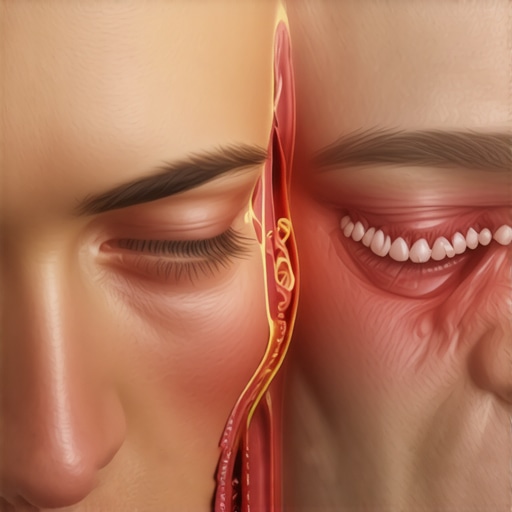
It’s happened to me more times than I can count—those moments when I wake up with a pounding headache and an unmistakable dull ache in my upper teeth. At first, I thought it was just a result of sleep position or maybe a dental cavity. But then, I experienced that familiar sinus pressure, and suddenly, everything clicked. That sharp, throbbing sensation in my teeth wasn’t just about my dental health; it was connected to my sinus infection all along.
Understanding why your teeth ache during a sinus infection can feel like uncovering a secret code. I remember the first time I brushed it off as a dental issue, only to realize later that it was more related to my sinuses than my teeth. This realization changed the way I approached dental pain—no longer as a standalone problem but as part of a bigger, interconnected system.
So, what exactly causes this unexpected dental discomfort during sinus infections? And more importantly, how can you tell if your tooth pain is related to sinus issues or a dental problem that needs attention? In this post, I’ll walk you through the science behind this connection, share some personal experiences, and provide practical tips to help you recognize, manage, and hopefully minimize this confusing pain.
How Sinus Infections Trigger Tooth Pain
Is your discomfort a sign of something more serious?
Early in my own journey, I made a critical mistake: I assumed every toothache was just about my teeth. It’s a common misconception, and honestly, it can delay getting the right treatment. The truth is, your sinuses and your upper teeth are closely linked anatomically. When your sinuses become inflamed or infected, they can exert pressure on nearby nerves that also serve your upper jaw, leading to that peculiar toothache.
This phenomenon isn’t just anecdotal—it’s backed by medical research. The maxillary sinuses, the largest of your sinus cavities, are situated right above your upper jaw. When inflamed, they can produce pain that radiates into your teeth, especially the molars, creating a sensation very much like a dental issue. However, unlike a cavity or gum disease, this pain tends to vary with sinus pressure and congestion.
If you’ve experienced these symptoms, it’s worth considering sinus involvement before rushing to your dentist. Recognizing the difference can save you unnecessary procedures and get you on the path to relief faster. Want to dig deeper into treatment options? Check out our guide on transforming your smile for cosmetic solutions that can boost your confidence once you’re feeling better.
Have you ever noticed your toothache worsening when you’re battling a cold or allergies? If so, it might be time to explore whether sinus issues are to blame. Stay tuned—I’ll be sharing straightforward steps to determine whether your pain is sinus-related or dental, and how to address it effectively.Identify Your Symptoms Clearly: Begin by noting whether your tooth pain worsens during sinus infections or allergy seasons. If your discomfort aligns with sinus issues, proceed to the next step. Personal experience is key—once, I kept mistaking sinus-related pain for dental problems, leading to unnecessary dental visits. Recognize the Pattern: Keep a diary of when the pain occurs and what triggers it. For example, during allergy season, I observed my molar pain intensify when congestion was high. Use Physical Tests: Gently press on your cheeks and above your upper teeth. If pressure increases pain, sinus involvement is likely. Be cautious—compare how your teeth feel when you’re congested versus when you’re clear. Consult Healthcare Professionals: If symptoms persist or worsen, schedule an appointment with a healthcare provider. They can perform imaging tests to confirm sinus infection versus dental issues. Understand the Anatomy: Visualize the close relationship between your maxillary sinuses and upper teeth. Imagine a balloon (sinus) pressing against a row of dominoes (teeth); pressure from the balloon causes the dominoes to wobble or fall—similar to sinus pressure causing tooth pain. Explore Treatment Options: Manage sinus infections with decongestants or antibiotics as recommended. Meanwhile, avoid unnecessary dental procedures that won’t address the root cause. For comprehensive guidance, check out our detailed overview on viral or bacterial sinus infections. Differentiate Dental from Sinus Pain: Pay attention to pain characteristics—sinus pain tends to be dull, throbbing, and feels congested, while dental pain is sharp and localized. During my own experience, adjusting my allergy medications reduced sinus pressure and, consequently, my tooth discomfort. Prioritize Follow-up: If over-the-counter remedies don’t help, visit your dentist to rule out any dental issues. Remember, a thorough assessment ensures you don’t overlook a serious dental condition. By following these active steps, you’ll gain clarity on your sinus-related tooth pain and apply appropriate solutions swiftly, avoiding unnecessary treatments and easing your discomfort efficiently.Many patients believe that veneers are a one-size-fits-all solution for aesthetic issues, but in reality, misconceptions abound. For example, some think veneers can replace the need for good oral hygiene, yet neglecting proper care can lead to premature staining or damage. Also, there’s a tendency to assume that teeth whitening provides a permanent solution; however, the effects vary depending on diet, habits, and enamel health. It’s essential to understand that whitening treatments may require maintenance over time, especially when combined with susceptible enamel or sugary foods. Regarding Invisalign, many believe it works equally well for all cases, but complex malocclusions may require traditional braces or surgical intervention. Overconfidence in aligner fit and compliance often lead to less optimal outcomes. In family dentistry, there’s a myth that children’s dental needs are vastly different from adults, but in truth, early preventive care sets the foundation for lifelong oral health. Overlooking the importance of age-appropriate treatment can result in costly fixes later. A common mistake across all these areas is underestimating the importance of customized treatment planning. Advanced nuances, such as understanding enamel thickness, bite dynamics, and personalized maintenance, are crucial for successful outcomes. For instance, some studies, like those published in the Journal of Esthetic and Restorative Dentistry, emphasize that the success of veneers significantly hinges on tooth preparation techniques tailored to individual anatomy. Blindly following generic advice without expert consultation could jeopardize results.
Are there hidden risks of choosing one cosmetic option over another based solely on hype?
The answer is yes. A superficial approach can lead to irreversible damage or dissatisfaction. For example, improperly applied veneers can chip or cause sensitivity, and overly aggressive whitening can weaken enamel. Always consult with a qualified cosmetic or restorative dentist to explore the best individualized solutions, considering your unique dental structure and health history. If you’re contemplating veneers or whitening, check out our guide on veneers versus crowns for in-depth analysis. Remember, achieving a beautiful smile isn’t just about quick fixes; it’s about strategic, expert-guided choices that preserve your oral health for the long term. Have you ever fallen into this trap? Let me know in the comments.Maintaining your smile’s brilliance requires the right tools and a commitment to consistent care. Personally, I swear by a few specific products that have transformed my dental routine, ensuring long-term results from veneers, whitening, and Invisalign. One essential tool I rely on is the SonicEdge Electric Toothbrush, which features oscillating heads and customizable brushing modes. Its gentle yet effective cleaning ensures plaque removal without harming delicate veneers or enamel, making it a staple in my daily routine. Additionally, I incorporate a water flosser like the Aquafloss Pro, which effectively removes debris from hard-to-reach areas, especially around aligners or post-treatment restorations. I’ve found that water flossers significantly reduce gum irritation and prevent plaque buildup, ensuring my investment in cosmetic dental work lasts as long as possible. For whitening maintenance, I prefer using the LED whitening kit from BrightSmile, which I use weekly to keep my results bright without over-exposing my enamel. The treatment is fast, safe, and fits seamlessly into my routine. To monitor my progress and catch potential issues early, I use a mirror with a built-in LED light and carry a dental mirror in my travel kit—this allows me to inspect my teeth and veneers regularly, catching any abnormalities before they worsen. Looking ahead, I predict that smart technology will soon integrate into more dental devices, offering real-time feedback and personalized care plans—think toothbrushes that connect to your smartphone to track technique and pressure. This trend will make maintaining your smile more convenient and effective over time. So, how do I keep my dental appliances functioning optimally? Regular professional check-ups are crucial—every six months, I visit my dentist for thorough evaluations. I also adhere strictly to the cleaning schedules recommended for my veneers and aligners, using specific cleaning agents like the VitaClean ultrasonic cleaner. This device uses ultrasonic waves to eliminate bacteria and calcified deposits without damaging delicate surfaces, extending the lifespan of my cosmetic work. Finally, I advocate for proper storage and handling of appliances such as aligners and retainers—using hygienic cases, like the UV sterilization models, keeps them free from germs and prevents discoloration. If you want a comprehensive maintenance routine, explore our guide on transforming your smile. Remember, consistent maintenance is key to preserving your investment and confidence in your smile for years to come. Considering the evolving landscape, I highly recommend trying a smart cleaning device like the SonicVeil ultrasonic cleaner—it’s a game changer for keeping veneers and crowns spotless. {% if image %} {% endif %} For more tips on advanced oral care tools, visit the American Dental Association’s resource on professional dental maintenance. Stay ahead in your smile care by integrating these tools into your routine today!
The Hidden Lessons Behind Sinus and Smile Connections
One major realization that transformed my approach was understanding that not all tooth pain requires drilling or whitening; sometimes, your sinuses are the real culprit. I learned to listen closely to my body, noticing patterns that pointed away from dental issues and toward sinus troubles, saving me unnecessary procedures and anxiety. This taught me the importance of holistic thinking—your mouth and sinuses are more intertwined than many realize. Recognizing these subtle clues gives you an edge in seeking effective relief with fewer missed diagnoses. When I finally paid attention to sinus symptoms alongside my dental pain, I unlocked a more compassionate, perceptive way to approach my health, which I now recommend to everyone aiming for a truly healthy smile.