
Why your child’s gums look purple where a tooth is coming in
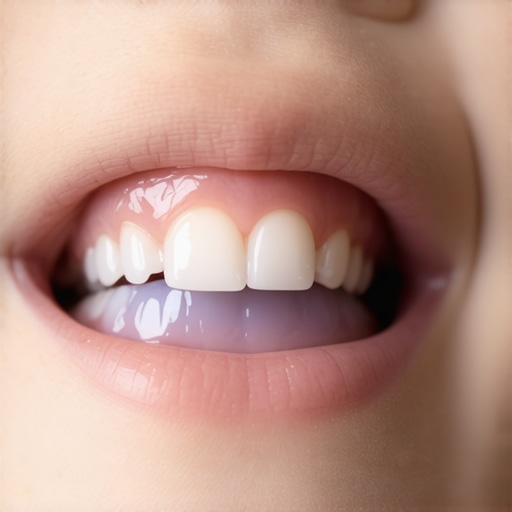
I will never forget the sudden panic I felt when my youngest was about ten months old. I leaned in to check on a newly erupting tooth, expecting a tiny speck of pearly white, but instead, I saw a dark, swollen, bluish-purple bubble right on their gumline. My mind immediately raced to the worst-case scenarios. I wondered if I had done something wrong during our nightly brushing routine or if they had injured themselves chewing on a hard plastic toy. It turns out, this is a incredibly common parenting milestone that many of us face completely unprepared.
The Day I Panicked Over a Purple Gummy Smile
When you are trying to establish great oral habits early on, following general family dentistry tips is usually straightforward. But nobody warns you about the strange colors and textures that can appear in a child’s mouth overnight. That purple spot is actually called an eruption hematoma, or an eruption cyst. It happens when a small amount of blood leaks under the tissue as the sharp new tooth cuts its way to the surface. It looks painful and alarming, but in most cases, it is simply a sign that nature is doing its work. I made the mistake of trying to gently rub and massage the dark spot with a cold spoon, which only irritated my child further. I learned the hard way that leaving it alone is almost always the best medicine.
Is this purple bump actually something to worry about?
It is completely natural to feel skeptical when someone tells you a purple bubble in your child’s mouth is “normal.” You might worry that the tooth is coming in crooked, or perhaps that it is a sign of an infection. However, clinical studies show that eruption hematomas are benign and usually resolve on their own without any dental intervention the moment the tooth breaks through the surface. According to pediatric dental guidelines, these fluid-filled sacks do not require treatment unless they become infected or prevent the tooth from emerging for an extended period. Have you ever peered into your little one’s mouth and felt your heart drop at the sight of a dark purple bruise? Share your experience in the comments below! If you ever feel truly uneasy, it is always a good idea to seek professional reassurance from a trusted provider. You can find convenient ways to get in touch with a specialist on our contact page to put your mind at ease. Understanding these early teething quirks is just the first step in a lifetime of healthy smiles, much like knowing why your child’s permanent teeth look yellow when they first arrive next to baby teeth.
How to Safely Manage Teething Bruises and Swollen Gums
When you spot a dark purple bubble on your child’s gumline, the urge to do something physical to fix it is incredibly strong. However, the best clinical approach is hands-off observation. Think of an eruption hematoma like a tiny, self-contained water balloon under the skin. If you squeeze or poke it, you risk introducing bacteria into a highly sensitive area, which can turn a harmless teething phase into a painful infection. During my own panic with my youngest, I tried massaging the area with a firm silicone brush, which only made them scream in discomfort and caused a tiny speck of fresh blood to pool. The secret is supporting the natural breakthrough of the tooth without causing friction.
First, shift your focus from treating the physical bump to soothing the systemic discomfort of teething. Providing cold, firm objects for your baby to chew on is the safest way to naturally encourage the tooth to cut through that fluid-filled sac. When my child was struggling, I wet a clean washcloth, twisted it into a tight rope, and placed it in the freezer for fifteen minutes. The icy, textured fabric offered the perfect resistance. As they gnawed on the cloth, the gentle pressure naturally helped thin the tissue over the erupting tooth, completely bypassing the need for any invasive intervention.
Keep the mouth clean without irritating the swollen area
Maintaining oral hygiene is vital, but you must adapt your technique. Avoid rubbing a manual toothbrush directly over the purple blister. Instead, use a soft, damp piece of gauze or a clean finger slip to gently wipe the surrounding gums. If you are already managing older children’s dental care, you know how quickly habits can slip. Keeping the oral cavity clean prevents oral bacteria from settling around the vulnerable, stretching tissue. For parents dealing with older kids who are losing teeth rather than growing them, understanding the reason your child’s gums are swollen around a losing tooth can help you apply these same gentle cleaning principles across different age groups.
When to step back and call the pediatric dentist
While patience is your best tool, you must know how to spot the signs of a true dental complication. An eruption cyst should remain a deep red, blue, or purple hue and feel relatively soft. If you notice the bubble turning a cloudy yellow, emitting a foul odor, or if your child suddenly develops a fever, these are clear indicators of an infection. Additionally, if the purple swelling persists for more than two weeks without any sign of the tooth white tip breaking through, it is time to seek professional advice. Navigating these early milestones is a major part of ensuring family dental care what parents need to know in 2025, as early positive experiences at the clinic set the stage for a lifetime of healthy dental visits.
Establish safe chewing habits early on
As that new tooth finally punctures the hematoma, the purple spot will vanish almost instantly, often leaving behind a tiny, harmless smear of blood on their teething toy. Once the tooth is out, your job shifts to protecting that brand-new enamel. Infants love to chew on anything they can grab to soothe their remaining gums, including their own cleaning tools. To prevent structural damage to both the new tooth and their delicate gums, you should learn how to stop your toddler from chewing on their toothbrush. Transitioning them to designated, safe teething rings ensures that their newly erupted teeth stay intact and clean from the very beginning.
While navigating early pediatric milestones like teething cysts can feel overwhelming, entering the world of adult cosmetic enhancements brings a completely different set of misconceptions. When we think about upgrading our smiles, the general assumption is that treatments like teeth whitening, veneers, or clear aligners are straightforward, one-size-fits-all procedures. In my years of exploring advanced dental care, I have realized that the most common advice is often built on myths that can actually compromise your long-term oral health.
The Dangerous Myth of the Aggressive Whitening Treatment
Everyone seems to believe that stronger is always better when it comes to lifting deep stains. In my early days of trying to brighten my own smile, I fell into the trap of using maximum-strength over-the-counter strips day after day, expecting blindingly white results. Instead, I ended up with excruciating, shooting pains in my jaw. The contrarian truth is that aggressive bleaching can cause microscopic damage to your enamel, especially if you naturally have thinner outer layers. A clinical study published in the Journal of Dentistry highlights that excessive hydrogen peroxide concentrations can alter the mechanical properties of dentin, leading to chronic hypersensitivity. Knowing the best way to whiten your teeth if you have naturally thin enamel is crucial to preventing permanent structural damage. If you push the limits, you will inevitably have to learn how to manage the zingers after a professional whitening session to survive the aftermath.
Why do my new restorations look so different in diverse lighting?
Another sophisticated issue that catches patients completely off guard is metamerism—the way dental materials change color under different light sources. Many people invest in porcelain restorations expecting them to look flawless in every situation, only to find a strange phenomenon occurring when they step into a nightclub or take a photo with a bright smartphone flash. If your dentist does not carefully select the translucency and internal characterization of the porcelain, your teeth can end up looking completely dead or grey under specific conditions. This is exactly why your veneers look opaque and fake in flash photography or why they might take on a shadowy hue in dim restaurant lighting. Real, biological teeth reflect and refract light in complex ways that cheap, bulky materials simply cannot replicate.
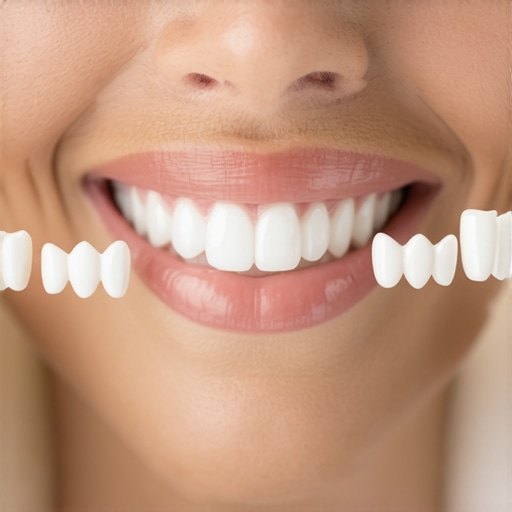
Beyond color matching, the absolute biggest trap in cosmetic dentistry is treating restorative procedures like a shortcut to orthodontic alignment. Some clinics promote “instant orthodontics” by grinding down perfectly healthy, slightly crooked teeth to place a row of straight crowns or veneers. This aggressive prep work permanently compromises the structural integrity of your teeth and can lead to early nerve death. If you have minor misalignment, investing time in modern orthodontics is infinitely safer than shaving down your enamel. Modern systems have revolutionized this process, which you can read about in this guide on Invisalign innovation invisible braces changing smiles in 2025. Have you ever fallen into this cosmetic trap or rushed into a treatment you later regretted? Let me know in the comments below! If you want to discuss a tailored, conservative approach to your smile, feel free to schedule a detailed consultation via our contact us page.
Once you make the leap past the initial cosmetic work—whether you chose to correct your bite or brighten your smile—the real work begins. Many patients assume that once the dentist cements the porcelain or the aligner treatment finishes, they can coast on autopilot. In reality, the longevity of these treatments relies heavily on how you manage them day-to-day. I learned that keeping your investment pristine requires specific tools and a structured maintenance routine rather than just relying on standard drugstore products.
How do I maintain my dental restorations and aligners over time?
Maintaining clear aligners or delicate porcelain surfaces is vastly different from brushing natural teeth. For example, using abrasive materials can permanently ruin your smooth surfaces. I strictly advise patients against using harsh DIY methods; understanding the truth about using charcoal toothpaste on porcelain surfaces is a perfect example of how popular trends can actually micro-scratch your veneers, leaving them susceptible to staining. For my own daily routine, I rely on ultrasonic cleaning baths. Instead of vigorously scrubbing my retainer or aligner trays with a manual brush—which creates micro-grooves that trap bacteria—I drop them into a 42kHz ultrasonic cleaner with a gentle, non-abrasive cleaning tablet. This keeps them crystal clear and completely eliminates the buildup that makes them look cloudy or smell unpleasant.
If you are wearing clear aligners, your biggest daily battle is keeping them clean while preventing discoloration. If you enjoy spices, you already know the terror of yellowing plastic. Learning how to stop your clear aligners from turning yellow after eating turmeric is a game-changer for food lovers. I highly recommend investing in a dedicated storage case and a medical-grade aligner remover tool. Removing tight trays with your fingernails can bend the plastic or chip your nails, whereas a simple plastic hook tool pops them out effortlessly. Additionally, to keep your aligners fresh and hygienic, you must learn the only way to stop your clear aligners from smelling like old saliva, which involves proper sanitization rather than just rinsing them under warm tap water.
Where modern cosmetic maintenance is heading
In my discussions with leading prosthodontists, it is clear that dental maintenance is shifting toward personalized, high-tech monitoring. Dr. Jan Hajtó, a renowned expert in porcelain aesthetics, emphasizes that the longevity of dental restorations depends on managing functional forces like night grinding. In the future, we will likely see smart nightguards equipped with pressure sensors that track bruxism in real-time, syncing data directly to your dental clinic. If you already grind your teeth, you need to take protective steps now. Knowing how to keep your veneers from chipping if you grind your teeth—such as wearing a custom-milled occlusal guard—is the single best way to protect your physical and financial investment. To get started on a long-term preservation plan tailored exactly to your smile, I highly recommend visiting our contact us page to book a preventative evaluation.
What Experts Won’t Tell You About Cosmetic and Pediatric Dental Care
In my years of managing both kids’ dental emergencies and navigating complex adult cosmetic procedures, I have realized that the real secrets to success lie in the unwritten rules. First, pediatric milestones like eruption hematomas look terrifying but require absolutely zero physical interference—nature has a flawless design if we just let it work. Second, when it comes to adult enhancements, aggressive treatments are almost always a mistake. If you push too hard with high-concentration bleaches, you will end up looking for the best way to whiten your teeth if you have naturally thin enamel to repair the damage. Finally, dental restorations are not set-it-and-forget-it solutions; they are ongoing partnerships between you, your home hygiene tools, and your dentist.
My Essential Dental Maintenance Toolkit
To keep your teeth and orthodontic appliances in pristine condition, I highly recommend investing in these specific tools that have saved my own family’s smiles:
- A 42kHz Ultrasonic Cleaner: This is the absolute gold standard for cleaning clear aligners and nightguards. It removes micro-debris without scratching the surface, meaning you will never have to search for the only way to stop your clear aligners from smelling like old saliva again.
- Silicone Orthodontic Chewing Tools: Crucial for helping seat new aligners properly and relieving pressure safely.
- Non-Abrasive Gel Toothpastes: Essential for porcelain surfaces. If you want to protect your investment, you should read about the truth about using charcoal toothpaste on porcelain surfaces to avoid micro-scratches.
- Custom-Milled Occlusal Guards: If you grind your teeth, this is non-negotiable to prevent your beautiful new veneers from chipping.
Your Journey to Confidence Starts Today
Whether you are helping your toddler through their very first teething milestone, researching Invisalign innovation invisible braces changing smiles in 2025, or maintaining a fresh set of porcelain veneers, taking a proactive and gentle approach to family dentistry is the key. You do not have to navigate these dental milestones alone. By adopting smart, protective habits and relying on expert guidance, you can enjoy a pain-free, beautifully aligned, and sparkling smile at every stage of life.
Have you ever had a sudden panic over a strange spot in your child’s mouth, or have you struggled with maintaining your own clear aligners? Let me know in the comments below! If you have any questions or want to plan your next preventive visit, please reach out through our contact us page.