
How to Stop Food From Getting Stuck in Your Old Wisdom Tooth Holes
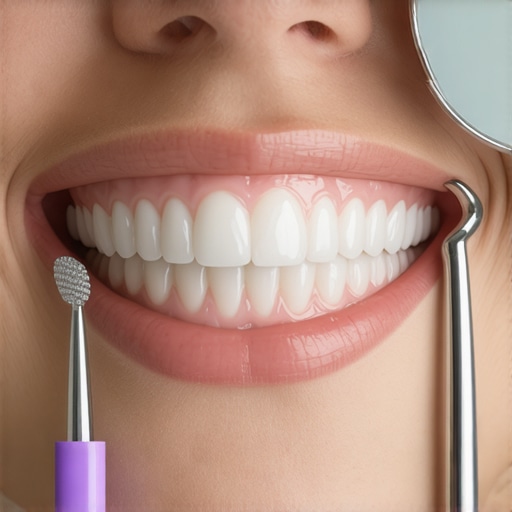
There was this frustrating moment during dinner—I bit into a crunchy apple, and suddenly, I felt it: that stubborn, annoying piece of food lodged deep in my wisdom tooth hole. Ugh! It was like my mouth had become a tiny food trap, and no matter how much I brushed or flossed, the thing just refused to budge. My first thought? “There has to be an easier way.” And honestly, that lightbulb moment changed everything. If you’ve ever experienced the same, you’re not alone. Those little holes from wisdom teeth can be sneaky, making eating a chore rather than a pleasure.
Why Food Gets Stuck in Wisdom Tooth Holes and Why It Matters
It’s more common than you think. When your wisdom teeth emerge, they often leave behind tiny gaps or holes—called wisdom tooth sockets—that can trap bits of food. Distracting, isn’t it? But beyond the annoyance, unremoved food can lead to irritation, bad breath, or even infections. Early on, I made the mistake of overzealously trying to scoop out debris with sharp tools, which only irritated my gums worse. That taught me a crucial lesson: you need a gentle, effective approach. Today, I want to share my trusty technique that’s helped me and many others keep these pesky food fragments at bay. Believe me, once you learn it, your mouth will thank you.
Is Flossing Enough or Is There a Hidden Trick?
I used to think that regular flossing was the answer—until I realized that sometimes, food stubbornly stuck even after a good floss. Early in my dental journey, I neglected to realize that the shape and depth of wisdom tooth holes often require a more targeted, delicate method. Incorporating a special tool and technique changed everything for me. Curious? Stick around, because I’ll reveal exactly what I do to keep my mouth comfortable and free of food debris. This simple tweak made all the difference, and I believe it can help you too. For more advanced tips, check out Invisalign innovations that show how modern dental solutions are making such issues easier to manage.
So, are you tired of battling with food in your wisdom teeth? Good news—I’m about to let you in on the best method I’ve discovered. Ready to make your days and nights more comfortable? Let’s dive into the practical steps that will transform your oral care routine.
Use a Water Flosser for Gentle Dislodging
Picture this: one night, I faced that stubborn piece of apple again, tightly lodged in my wisdom tooth socket. Instead of poking or forcing with sharp tools, I grabbed my water flosser—think of it as a tiny pressure washer designed for your mouth. I aimed it carefully at the affected area, pulsating gently to loosen the food. Within seconds, that pesky fragment floated out effortlessly. This method works because the high-pressure water can access hard-to-reach corners without irritating your gums. It’s safe, effective, and surprisingly satisfying.
Opt for Floss with a Curved or Tapered Tip
Regular floss sometimes slips right past food stuck deep in the hole. I learned that a floss with a tapered, curved tip navigates better around tricky areas. I replaced my standard floss with interdental brushes and tapered floss picks—tools that slide into the socket more comfortably. As I carefully guided the floss between my teeth and into the socket, I could feel the resistance give way. This technique works because the tapered tip conforms to the shape of the socket, gently dislodging debris without risking damage to your gums.
Employ Oral Irrigators with Precise Settings
Another game-changer is using an oral irrigator set on low pressure. I set mine to a gentle mode, similar to a soft rain, and aimed directly into the hole. It flushed out remaining food particles with a stream of water, rinsing away debris that flossing alone might miss. The key is gentle pressure—think of watering a delicate plant rather than a fire hose. Consistent use keeps the socket clean, reducing irritation and preventing bad breath.
Combine Techniques for Maximum Efficiency
On a particularly stubborn night, I combined the water flosser, tapered floss, and irrigator. I started with the water jet, then gently slid the tapered floss into the socket, followed by rinsing with the irrigator. This sequence ensured every nook was cleared with minimal discomfort. When I finally saw the socket shining clean, I felt a wave of relief. This multipronged approach mimics professional cleaning methods, but tailored for home care, and it’s safe if performed gently.
Maintain Regular Oral Hygiene to Prevent Food Buildup
Prevention is crucial. I made it a habit to brush twice daily with a soft-bristled toothbrush and to floss carefully, paying special attention to the wisdom tooth areas. Using an antiseptic mouthwash weekly also helps reduce bacteria and debris. Regular check-ins with your dentist can spot potential issues early. Remember, keeping the area clean makes dislodging food easier and less painful, avoiding unnecessary irritation or infection.
Incorporating these techniques into your routine transforms a tedious task into a manageable, even satisfying process. If you’re interested in exploring more advanced dental solutions like Invisalign innovations or teeth whitening, taking care of your oral hygiene forms the foundation for a healthy, confident smile.
When it comes to family dentistry, veneers, Invisalign, or teeth whitening, many assume that they are straightforward solutions offering immediate results. However, seasoned dental professionals know that these treatments come with nuances that are often misunderstood or neglected by the general public. Let’s dig deeper into some common myths and mistakes, and shed light on what you should truly consider before opting for cosmetic procedures.
Why believing that one-size-fits-all solutions work is a mistake
One prevalent misconception is that veneers or whitening are universally appropriate and will deliver the same results for everyone. This isn’t accurate. For example, Veneers and crowns serve different purposes based on the structural integrity and aesthetic goals of your teeth. A veneer might be perfect for a minor smile enhancement, but if your tooth has significant decay or previous damage, a crown might be the more durable solution. Falling for the glamorized images online without personalized consideration can lead to disappointment or unnecessary costs.
TheKeeping Your Dental Tools in Top Shape
Investing in quality dental tools isn’t enough; regular maintenance ensures their longevity and effectiveness. I personally swear by using a sonic toothbrush with a timer and pressure sensor, such as the Oral-B Genius X. Its ultrasonic waves and built-in AI tracking help me maintain proper brushing habits, especially important when managing veneers or whitening treatments. Additionally, interdental brushes with tapered tips, like the TePe Supreme, enable detailed cleaning of hard-to-reach areas around braces or aligners, preventing plaque buildup and decay. Regularly replacing brush heads and tools saves you from reinfection and keeps your routine effective.
Digital Solutions for Better Outcomes
Modern dental care benefits immensely from specialized software. I utilize programs like Dentrix Ascend to track my oral health history, set reminders for check-ups, and monitor progress over time. Such tools help me stay proactive—especially crucial for long-term results in teeth whitening or Invisalign treatments. Additionally, 3D imaging devices provide detailed insights, allowing dentists to craft personalized veneers or detect early signs of issues. Staying ahead with digital records not only enhances treatment precision but also reduces the risk of complications down the line.
Long-Term Results Require Consistent Care
Consistency is key. I recommend setting up a routine that includes scheduled professional cleanings, typically every six months, and daily maintenance with the best tools. For instance, a water flosser like the Waterpik Ultra can be integrated into your nightly routine, effectively dislodging debris especially around crowns or implants. When properly maintained, these tools ensure your smile remains bright and healthy for years. Remember, the future of dental care seems headed toward even smarter, AI-integrated devices – like toothbrushes that analyze plaque levels in real-time. Embracing these innovations now will prepare you for a future where maintenance becomes effortless and highly personalized.
How do I keep my dental innovations working over time?
To maximize the lifespan of your dental tools and treatments, prioritizing proper cleaning and storage is essential. Always follow manufacturer guidelines; for example, avoid using abrasive cleaners on electric toothbrush heads to prevent damage. Scheduling regular professional evaluations ensures your equipment and your oral health stay in sync. Additionally, staying informed about emerging technologies—such as advancements in aligner materials or whitening agents—can help you adapt your routine for optimal results. Interested in cutting-edge strategies? Explore top teeth whitening strategies that leverage the latest innovations to keep your smile dazzling long-term.
Remember, maintaining your oral health is an ongoing journey. Incorporate these tools and routines today, and watch your smile thrive well into the future. For personalized advice tailored to your needs, don’t hesitate to reach out to my team. Stay proactive—your smile will thank you.
Throughout my journey with family dentistry, veneers, Invisalign, and teeth whitening, I’ve discovered invaluable lessons that go beyond basic routines. These insights have transformed my approach from routine to genuinely effective, making me feel more confident in my smile and appreciation for the nuances of dental health.
Lessons the Pros Keep Quiet About
- Customization Matters More Than Popularity: I once tried a trendy whitening kit that promised quick results, but it didn’t suit my enamel. Personalizing treatments after consulting professionals led to safer, more lasting outcomes. Remember, what works on social media isn’t always right for you. Explore teeth whitening options tailored to your needs.
- Technology Is Your Ally, Not a Substitute: While taking advantage of digital records and modern aligners like Invisalign offers precision, I learned that consistent daily care is irreplaceable. A good toothbrush, proper flossing, and routine checkups amplify technological benefits.
- Patience Pays Off: Expecting instant results from veneers or whitening can lead to disappointment. Short-term pain often yields long-term beauty—stay persistent and trust the process. For integrated solutions, consider exploring Invisalign secrets.
- Prevention Is Always Better Than Cure: Regular maintenance prevents complex procedures later. Scheduling check-ups, avoiding stain-causing foods, and maintaining oral hygiene protect your investment in your smile.
- Listen to Your Dentist’s Advice: My biggest wake-up call was ignoring early signs of gum irritation, which led to deeper issues. Building a trusting relationship with your dental provider ensures personalized, effective care.
Tools I Trust to Keep My Smile Gleaming
- Electric Toothbrush with Smart Sensors: Devices like the Advanced Sonic Toothbrush help me maintain consistent pressure and coverage, vital for veneers and crowns.
- Interdental Brushes: Tapered and flexible, they reach areas traditional floss can miss, especially around braces or veneers. I personally prefer brands like TePe, which have proven effective.
- Low-Pressure Oral Irrigators: Gentle yet powerful, tools like Waterpik keep my gums healthy and remove debris underneath brackets or bridges, making daily hygiene more thorough.
- Digital Tracking Apps: Using software like Dentrix Ascend, I keep tabs on my dental health history and upcoming appointments, ensuring proactive care and consistent results.
Embrace Your Smile, Here’s How to Start
The future of your oral health begins with taking deliberate steps today. Don’t just rely on quick fixes or the latest trends—invest in understanding your unique needs, utilize reliable tools, and build a strong partnership with your dentist. Every small effort compounded over time shapes a radiant, confident smile that tells your story without words. Ready to take that first step? Your best smile awaits.
What has been your biggest challenge in maintaining or improving your dental health? Share your experiences below—I’d love to hear your story!
,