
Why Your Child’s Permanent Teeth Are Coming In Yellow
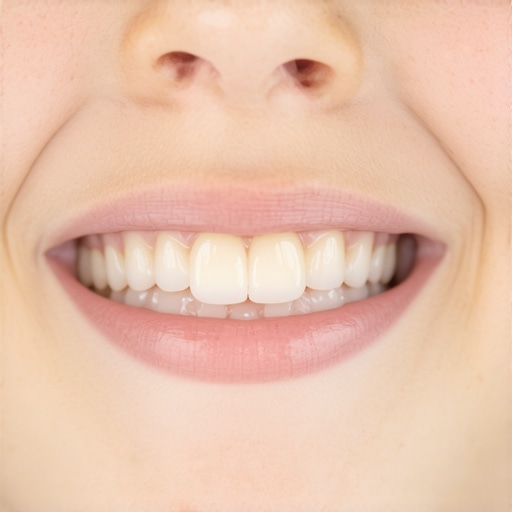
I vividly remember the moment I first noticed my child’s new permanent teeth turning a dull yellow when I expected them to shine bright white. It caught me off guard—my heart sank a little, and I felt a wave of worry. Was this normal? Was I doing something wrong? I spent sleepless nights researching, asking friends, and eventually realizing I wasn’t alone in this experience. That lightbulb moment made me realize how common this concern is among parents, including myself.
Understanding Why Your Child’s Teeth Might Look Yellow
Many parents are surprised to see their child’s new permanent teeth emerge with a yellowish hue. It’s more common than you might think. The thing is, the color of teeth can vary greatly from person to person, especially during the transition from primary to permanent teeth. But often, this yellowish appearance isn’t about poor hygiene or staining alone—it’s rooted in the natural development process and the composition of the teeth itself.
For instance, the enamel—the outermost layer of teeth—is transparent and quite thin in children. This transparency allows the underlying dentin, which is naturally more yellow, to show through. Additionally, the mineral content and porosity of the enamel can influence how light reflects off the teeth, giving them a yellow or dingy look. Interestingly, according to a study published by the American Dental Association, the coloration of teeth is largely determined by genetic factors, meaning some kids are simply predisposed to yellower teeth than others.
Back when I first encountered this, I made a vital mistake—assuming that this yellowing was purely due to staining or neglect. In reality, I learned that the appearance of yellow teeth during development is often completely normal. However, it’s equally important to be aware of external factors like diet, habits, and dental hygiene that can influence the color over time.
Is Your Child’s Tooth Color Actually a Cause for Concern?
If you’re worried your child’s teeth are unusually yellow, don’t jump to conclusions. Sometimes, what we see is just a normal phase of tooth maturation. But other times, discoloration can signal underlying issues like decalcification or early enamel erosion. If you’re noticing spots, rough patches, or if the yellow is accompanied by other symptoms such as sensitivity or pain, it’s smart to consult with your pediatric dentist.
Early missteps I made included dismissing these signs as harmless or assuming my child was brushing well enough. Trust me, that was a mistake. Regular dental check-ups can help identify whether the discoloration is benign or requires intervention. For more tips on maintaining your child’s oral health, you can visit our family dentistry tips page.
Now that I’ve shared my early mistake and the reasons why teeth might appear yellow, let’s explore practical ways to help your child’s teeth look their best and stay healthy. Whether it’s through simple at-home care or professional treatments, I’ll guide you step-by-step to ensure your child’s smile stays bright and healthy, all while understanding that some yellowing is just part of growing up.
Brighten Your Child’s Smile with Targeted Teeth Whitening Techniques
Start with professional whitening options like in-office treatments or at-home kits recommended by your pediatric dentist. I once tried a popular whitening gel at home, carefully following instructions, to see my child’s teeth brighten gradually. Results were noticeable after a week but remember, always consult your dentist before using whitening products on children to ensure safety.
Choose the Right Whitening Products
Opt for kid-safe whitening toothpastes or gels. Ingredients like hydrated silica or carbamide peroxide in low concentrations can help. For a more dramatic effect, consider professional bleaching, but never attempt strong whitening treatments without dental guidance. Visiting professional whitening options will ensure safety and efficacy.
Explore Veneers for Improving Teeth Appearance
Veneers can dramatically transform a child’s smile with minimally invasive procedures. I vividly recall consulting with my dentist about veneers; we picked thin porcelain shells that cover discoloration and uneven teeth. I recommend looking into veneers explained in detail to understand their benefits and limitations. Remember, veneers are a more permanent solution, so ensure your child is ready for this step.
Proper Preparation and Expectations
Before getting veneers, your dentist will assess your child’s teeth, possibly recommending some minor enamel reshaping. The procedure usually involves taking molds and fitting temporary shells first. It’s crucial to manage expectations; veneers improve aesthetics but require good oral hygiene maintenance.
Utilize Invisalign for Discreet Alignment Corrections
If your child’s teeth are crooked or misaligned, Invisalign offers a nearly invisible alternative to traditional braces. I used Invisalign myself and found it convenient, with clear trays fitting snugly over my teeth. For children, regular wear and proper cleaning are vital. Check out Invisalign innovation for more insights into how this technology works.
Steps to Success with Invisalign
Start with a comprehensive dental scan to map out your child’s treatment plan. Then, receive custom aligners that must be worn at least 20-22 hours daily. Changing trays every one to two weeks gradually moves teeth into desired positions. I learned to keep the trays clean by brushing them with a soft toothbrush daily, preventing bacteria buildup.
Incorporate Family Dentistry Routines for Ongoing Care
Establish daily routines that include brushing, flossing, and regular dental check-ups. I made a mistake early on by neglecting flossing, which led to plaque buildup. Routine visits help catch issues like early cavities or gum problems. For detailed guidance, visit family dentistry tips that emphasize preventive care.
Make Oral Hygiene Fun and Consistent
Motivate your child with colorful brushes, flavored floss, or rewards for consistent brushing. I used a timer next to the sink, making brushing a game to ensure they brushed for two full minutes. Creating a positive experience encourages lifelong habits, reducing the yellowing caused by plaque and staining.
Keep Up with Professional Consultations and Treatments
Regular dental visits every six months are essential. During these visits, ask your dentist about potential treatments like sealants or fluoride applications to strengthen enamel and prevent discoloration. Remember, early intervention often prevents more invasive procedures later. For comprehensive family dental strategies, explore family dental care guidance.
Many people believe that teeth whitening is a one-size-fits-all solution, but the truth is far more nuanced. The myth that whitening gels work equally on everyone fails to account for variations in enamel porosity and underlying dentin, which can affect results significantly. For example, a study published in the Journal of Dentistry highlights how individual enamel properties influence whitening efficacy, making personalized assessments essential. Relying solely on over-the-counter whiteners can lead to uneven coloration and, in some cases, increased sensitivity, especially if used improperly. Always consult a professional before taking this route.
Are Veneers a One-Stop Smile Fix or a Hidden Trap?
Many assume veneers are a quick, permanent fix for aesthetic flaws. However, they require enamel removal and are not always reversible, meaning future dental issues might be masked rather than addressed. Some patients overlook the importance of choosing the right type of veneer—porcelain vs. composite—each with its own longevity and maintenance considerations. Visiting https://smilegumcare.com/veneers-made-simple-transform-your-tooth-aesthetics-in-2025-at-1822 can provide clarity on these options. A common mistake is rushing into veneer placement without thorough consultation, which can lead to dissatisfaction down the line.
Why Invisalign Might Not Be as Invisibly Perfect as You Think
While Invisalign trays are marketed as discreet, they are not entirely invisible—especially in detailed or complex cases. The aligners are made of transparent plastic, but they can still cast a faint outline, particularly on certain skin tones or with prolonged wear. Furthermore, patient compliance is critical; forgetting to wear aligners as prescribed can delay treatment and compromise results. A study in the American Journal of Orthodontics emphasizes how consistent wear—around 22 hours daily—is crucial for success. Misjudging this can lead to extended treatment duration and unmet expectations.
The Hidden Dangers of Family Dental Care Oversights
Many underestimate the importance of tailored preventive strategies within family dentistry. Routine check-ups are vital, but individualized care plans considering each family member’s unique needs and risks are equally important. Neglecting early signs, like subtle gum recession or enamel erosion, can escalate into costly procedures later. A proactive approach involves regular monitoring and customized advice, which is well explained in https://smilegumcare.com/ensuring-family-dental-care-what-parents-need-to-know-in-2025. A costly mistake I’ve seen is assuming that a standard oral hygiene routine suffices for everyone; in fact, some members require specific interventions, such as sealants or fluoride treatments, to maintain optimal oral health. Recognizing these nuances allows for more effective and early intervention, preventing minor issues from becoming major problems. In conclusion, peeling back the layers of common beliefs reveals that genuine understanding and expert guidance are essential in achieving long-term dental health. Have you ever fallen into this trap? Let me know in the comments.
Keeping Your Dental Work in Top Shape
Maintaining the effectiveness of teeth whitening, veneers, Invisalign, and family dentistry treatments requires more than just initial care. I personally rely on specialized tools and consistent routines to ensure long-term success. For example, I swear by a high-quality electric toothbrush like the Oral-B Genius X, which uses oscillating-rotating technology proven to effectively remove plaque and stain buildup. Its built-in timers remind me to brush for the full two minutes, ensuring comprehensive cleaning, especially in hard-to-reach areas. Regular flossing with a water flosser, such as the Waterpik Aquarius, is another game-changer—it’s gentler on gums and more effective at dislodging debris around dental restorations. These tools are an investment in your oral health, and their consistent use has helped me maintain my smile’s brightness and alignment over the years.
Additionally, I schedule routine dental check-ups every six months. During these visits, my dentist assesses the condition of veneers and aligners, reports on any wear, and provides professional cleanings that remove stubborn stains or plaque buildup that at-home tools might miss. I also use a fluoride rinse after brushing, which strengthens enamel and adds a protective barrier against decay that can compromise veneers or restorations. The combination of advanced tools and professional oversight creates a robust defense against common issues like discoloration, staining, or misalignment shifting.
Looking ahead, I believe technological advancements will make maintaining dental work even more accessible. Innovations like AI-powered oral health apps that monitor brushing patterns and deliver personalized advice are becoming more prevalent, and I anticipate these will become standard in dental care routines soon. Such tools can provide real-time feedback, ensuring you’re adhering to best practices for your particular dental needs.
How do I maintain my dental enhancements over time?
The key lies in proactive, consistent care. Adopting high-quality tools, such as a sonic toothbrush and water flosser, combined with professional check-ups, can drastically extend the lifespan of treatments like veneers and aligners. For example, I regularly consult my dentist about the health of my veneers, ensuring they stay intact and stain-free. When you notice early signs of wear or discoloration, addressing them promptly prevents more extensive—and costly—repairs later. Remember, preservation starts with the right tools and habits. For more detailed tips on protecting your investment in dental aesthetics, visit our visual guide on veneers. Start today by integrating a water flosser into your routine—your smile’s longevity depends on it!
What I Wish Had Been Clear Before Starting My Dental Journey
My journey taught me that embracing imperfections and understanding the nuances of dental treatments are crucial. A major lesson was realizing that not all yellowing is a sign of neglect; sometimes, it’s just a natural phase. Another insight was the importance of personalized care plans — what works for one person might not suit another. Lastly, I learned that patience and consistent maintenance are the true keys to lasting results in veneers, whitening, and alignment corrections.
Tools and Resources That Transformed My Approach
I highly recommend the comprehensive guide on veneers for understanding different options. My high-tech electric toothbrush, the Oral-B Genius X, and the Waterpik Aquarius water flosser have been game-changers in maintaining my dental work. For professional insights, the ultimate guide on teeth whitening provided clarity on safe, effective choices. These tools and resources have genuinely elevated my dental care routine.
Your Smile: The Next Chapter Starts Today
Remember, every step you take towards a healthier, brighter smile is a step towards increased confidence and well-being. Whether you’re considering whitening, veneers, Invisalign, or strengthening your family’s dental habits, the journey is uniquely yours. Embrace the process with patience and an open mind, knowing that expert guidance and diligent care will reward you with lasting results. Your future smile is worth it—start making it brighter today!