
Why your teeth feel loose during the second month of Invisalign
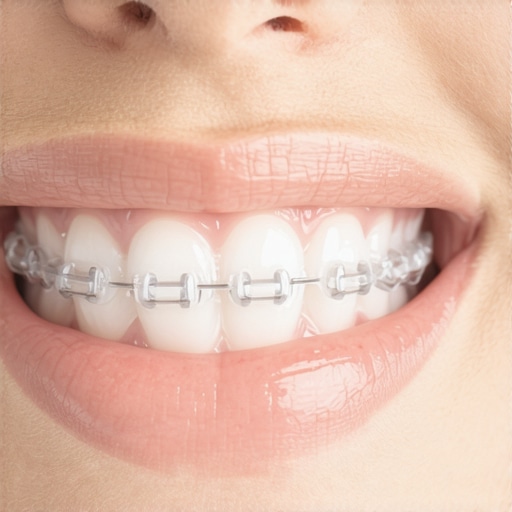
It was a morning just like any other, but I couldn’t ignore the unsettling wiggle in my teeth after a few months into my Invisalign journey. That peculiar feeling of looseness made me pause and wonder, is this normal? I vividly remember the moment I felt that tiny move—an almost bizarre sensation that left me concerned and a bit uneasy. Like many, I thought, “Wait, should my teeth be doing this?” Turns out, you’re not alone in this experience, and there’s a lot to understand about what’s happening during your orthodontic treatment.
Understanding the Looseness: More Than Just a Feeling
When I first felt my teeth wiggle during Invisalign treatment, I admit I panicked a little. The good news is, this looseness is often completely normal and part of the process. Invisalign doesn’t just move teeth randomly; it gently applies pressure to guide them into their new, desired position. During this phase, your teeth may become slightly loose, which is a sign that the aligners are doing their job effectively.
Research shows that mild teeth mobility is typical during orthodontic treatment and usually resolves once the teeth settle into their new places. Experts at the American Association of Orthodontists confirm that small degrees of mobility are a positive indicator of active movement and tissue remodeling. But, just because it’s normal doesn’t mean it shouldn’t be monitored—because there are some mistakes people, including myself initially, tend to make.
If you’re feeling concerned about the looseness, I promise we’ll get to the bottom of it, explaining what to expect, what’s normal, and when to seek your dentist’s advice. Before we dive into that, I want to ask: Have you experienced a similar sensation with your Invisalign trays? If so, you’re in the right place for guidance.
Is This a Sign of a Problem or Just Part of the Fun?
Early in my treatment, I made a common mistake—I ignored the importance of properly monitoring these sensations, thinking they were signs I should stop or that something was wrong. That’s a mistake many overlook, and it’s essential to understand the difference between normal movement and potential issues.
In the next sections, I’ll share practical tips and insights based on my personal experience, so you can confidently navigate this stage of your Invisalign treatment without unnecessary worry. Whether it’s your first time or you’re already on your second month, knowing what to expect can make all the difference in your journey to a brighter smile.
Stay tuned—we’ll explore real-life steps to ensure your comfort and progress while keeping your smile goals on track.
Track Your Progress Regularly to Catch Loose Teeth Early
Every few days, gently check your teeth by applying light pressure with clean fingers or a mirror. During my first month, I noticed a tiny wiggle and documented it in a journal. This helped me realize that slight looseness is normal and a sign that your aligners are working. Consistent tracking allows you to spot abnormal movements early and avoid unnecessary worries or dental visits.
Maintain Proper Aligner Care to Prevent Unwanted Shifts
Clean Your Aligners Daily
Use a soft toothbrush and a mild, unscented soap to clean your aligners—never hot water, which can warp the plastic. Once, I left mine soaking in mouthwash, and their texture became altered, extending my treatment time. Regular cleaning ensures effective force application and prevents buildup that can cause discomfort or irregular movement.
Securely Fit Your Aligners
Always wear your aligners for the recommended 20-22 hours daily. In my first week, I debated skipping a few hours, which resulted in a minor delay in tooth movement. Use a timer to monitor wear time, and make sure each aligner snaps into place properly—if it feels loose, press gently until it clicks. This ensures consistent pressure and predictable movement.
Follow Your Dentist’s Instructions for Maximum Efficiency
Stick to the Schedule
Change aligners only when advised, usually every one to two weeks. I once tried to accelerate my schedule, swapping twice as fast—this caused uneven movement and discomfort. Adhering strictly to the timetable keeps the process smooth and avoids setbacks.
Use Chewies to Enhance Fit
Chewing on soft, cylindrical cushions helps seat aligners snugly against your teeth, improving force transfer. During my treatment, using Chewies for five minutes after inserting each aligner significantly reduced gaps and enhanced movement predictability. Incorporate this step into your routine for better results.
Monitor and Address Unusual Movements Immediately
If you notice excessive looseness, persistent pain, or irregular shifts, consult your orthodontist promptly. In my case, a sudden discomfort prompted a quick call—my provider reassured me that mild symptoms are often normal, but persistent issues need professional assessment. Don’t wait and hope—timely intervention prevents misalignment or damage.
Maintain Good Oral Hygiene to Support Movement and Overall Dental Health
Brush twice daily, floss carefully around brackets or attachments, and use mouthwash recommended by your dentist. In one instance, neglecting flossing led to minor gum irritation, which slowed my progress. Healthy gums and teeth respond better to pressure, facilitating smoother teeth movement.
Be Patient and Consistent for Successful Results
Remember, movement takes time—sometimes teeth become loose or shift unpredictably, but this is part of the process. My patience during the initial loosening phase paid off with a straighter, healthier smile. Stay committed to your routine, and avoid trying to tweak treatment timelines on your own.
By following these practical, step-by-step actions, you can take control of your Invisalign journey. For more insights on complementary treatments like veneers, which can enhance your overall smile aesthetics, check out Veneers Made Simple. If you’re curious about latest innovations, explore Invisalign Secrets to discover how discreetly you can achieve your smile goals.
Many patients step into cosmetic dentistry with common beliefs that, quite frankly, can hinder their satisfaction and long-term results. As a seasoned dental professional, I have seen the misconceptions surrounding teeth whitening, family dentistry, Invisalign, and veneers lead many astray. Let’s unpack some of the nuanced truths and pitfalls that often go unnoticed.
The Myths That Could Wreck Your Smile Goals
One widespread myth is that teeth whitening results are permanent. In reality, they typically last between six months to two years, depending on lifestyle habits like coffee consumption, smoking, and oral hygiene—yet many neglect this, assuming it’s a one-time fix. Advanced whitening strategies emphasize the importance of maintenance routines to prevent premature recoloring.
Another misconception involves family dentistry being just about children’s dental health. However, comprehensive family dental practices focus on preventative care for all ages, including adult risk management and aging-related concerns. Overlooking this integrated approach can cause missed opportunities for early intervention and cost savings in the future. Building healthy smiles for every generation is key to comprehensive care.
What Advanced Techniques in Invisalign Are Often Missed?
Many assume Invisalign is just about straightening teeth invisibly, but the finer nuances involve sophisticated digital planning and attachments that optimize movement. The mistake often made is neglecting to wear aligners for the prescribed 20-22 hours, undermining the treatment’s effectiveness. Cutting corners here delays your results and can lead to irregular shifts. For more on achieving optimal invisalign results, check Invisalign secrets.
Furthermore, some patients underestimate the importance of regular check-ups to monitor root health and tissue response, especially in complex cases. Advanced mechanics involve understanding the biology behind tooth movement—something many overlook. Many in the field also focus on adjuncts like mini-implants, which can dramatically accelerate treatment for difficult movements, but they are often avoided due to myths or fears.
Veneers and the Fine Print You Should Know
When considering veneers, a common mistake is choosing a popular quick-fix over a comprehensive treatment plan. Veneers can be a powerful aesthetic solution, but without assessing enamel thickness or bite dynamics, they might lead to increased sensitivity or damage long-term. The key is understanding that veneers are both a cosmetic and structural enhancement, not just a superficial overlay. For an in-depth look, explore expert tips on veneers.
Another often-ignored aspect is the difference between veneers and crowns. While superficially similar, they serve distinct purposes; misapplication can result in unnecessary tooth reduction or inadequate durability. Refer to this comparison guide to understand the nuances better.
Conclusion: Don’t Fall Into These Traps
The veneers, whitening, Invisalign, and family dentistry realms are more nuanced than they seem. Recognizing the advanced techniques, appropriate maintenance, and strategic planning is essential for achieving your desired results. Do your research, ask your clinician about overlooked details, and ensure every step is personalized. Have you ever fallen into this trap? Let me know in the comments.
Keep Your Smile Bright and Healthy Over Time with the Right Tools
Maintaining the excellent results of your teeth whitening, Invisalign, or veneers requires more than just good habits; it demands the right tools and a strategic approach. From advanced cleaning devices to software that tracks your progress, leveraging cutting-edge technology can make all the difference in ensuring your smile remains vibrant for years to come.
One tool I personally rely on is the AirFloss by Philips Sonicare. Unlike traditional flossing, this device uses micro-droplets of air and water to remove plaque effectively between teeth. Its ease of use encourages me to stay consistent, especially during busy mornings when traditional flossing feels cumbersome. Regular use of such power flossers reduces plaque buildup, which is essential for preventing discoloration and decay that can compromise your aesthetic enhancements like veneers.
Alongside physical tools, Invisalign tracking apps have become invaluable. These apps allow me to monitor my wear schedule, receive reminders for aligner changes, and log any concerns or discomfort. Staying engaged with digital support ensures I stick to my treatment plan without unnecessary setbacks. I believe that integrating technology into your routine is a game-changer for long-term success.
When it comes to whitening, professional-grade LED whitening kits, such as the Boost LED Light System, have proven effective. I use it weekly to maintain my brighter shade, and consistent application keeps stains at bay—even when enjoying coffee now and then. As with all tools, consistency is key; supplementing this with good oral hygiene maximizes results and prolongs your investment.
How do I maintain my dental improvements over time?
Beyond daily tools, routine checkups are vital. Scheduling regular visits with your dentist ensures that any issues—such as early signs of gum recession or micro-cracks in veneers—are identified and addressed promptly. During these visits, professional cleanings remove tartar and plaque that everyday tools might miss, preserving your smile’s health and appearance. For personalized advice or to discuss new treatments that suit your evolving needs, don’t hesitate to reach out to your dental provider.
Looking ahead, innovations like smile-enhancing veneers and smart dental devices are rapidly evolving. Machine learning algorithms are beginning to help predict maintenance needs based on your habits, ensuring proactive care rather than reactive fixes. Investing in the right tools today sets the stage for a radiant smile tomorrow.
To maximize your results, I recommend integrating these specific tools into your routine—start with an advanced power flosser and consider using professional LED whitening periodically. Remember, consistency paired with quality tools is your best strategy for long-term dental success. Want a personalized maintenance plan? Check with your dentist about the latest innovations tailored for your needs.
Be proactive, stay consistent, and your smile will continue to dazzle. For more tailored tips on preserving your veneers or Invisalign outcomes, explore this helpful comparison guide.
Lessons That Changed My Approach to Smile Makeovers
- Patience is your best friend—teeth movement is a process that requires consistent effort and time, not quick fixes. Rushing can lead to setbacks or uneven results.
- Myth-busting saves frustration—believing that veneers are purely superficial ignored the importance of proper enamel assessment and long-term planning, which are critical for lasting beauty and health.
- Technology enhances success—using tools like Invisalign tracking apps and power flossers made a noticeable difference in maintaining progress and preventing complications.
- Monitoring subtle changes is key—small shifts in teeth or slight looseness during treatment might seem alarming at first, but understanding normal movement helped me stay calm and focused.
Tools and Resources That Elevated My Dental Journey
- Invisalign Secrets—a comprehensive guide that demystified the mechanics and best practices, empowering me to follow my treatment plan diligently.
- Veneers Made Simple—a trusted resource that clarified the intricacies of tooth aesthetics versus structural needs, ensuring I made informed decisions about cosmetic options.
- Top teeth whitening strategies—helped me maintain a bright smile and understand the importance of ongoing care for longevity.
- Family dentistry insights—a reminder that proactive, regular visits at every age are vital for healthy, beautiful teeth over time.
Your Smile’s Future Starts Today
Embracing the journey toward a radiant, healthier smile is both exciting and rewarding. With the right mindset, tools, and knowledge, you can confidently turn your dental aspirations into reality. Remember, every step you take now, no matter how small, builds toward that confident, dazzling smile you deserve.
What specific aspect of your smile are you most eager to improve? Share your goals below—I’d love to hear your story and help guide you through your unique journey to a brighter smile!