
Why Your Aligner Case Always Gets Slimy and How to Fix It
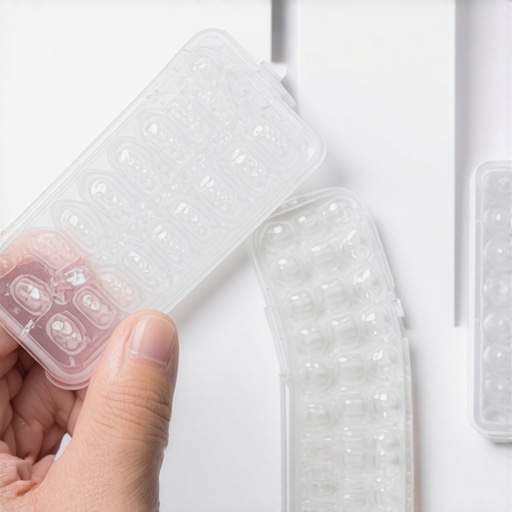
Ever opened your Invisalign or aligner case and been greeted by a slimy, unappealing mess? I used to dread that moment, wondering what I was doing wrong. One morning, I found my case coated in a strange film, and it hit me—this isn’t just gross; it’s a signal that I need to rethink my cleaning routine. That lightbulb moment made me realize how common this problem is and, more importantly, how easy it can be to fix.
Say Goodbye to Sticky Cases and Hello to Fresh Aligner Hygiene
Many of us are guilty of neglecting the simple habit of properly cleaning our cases. But trust me, leaving your aligners or veneers in a dirty case isn’t just unsanitary; it can also lead to bad breath, staining, and even oral infections. The key is understanding why this slimy buildup happens and adopting practical steps to prevent it.
Is the Slime Just Normal Wear and Tear or Something More Sinister?
In my early days of orthodontic treatment, I often thought that the slime was just an unavoidable part of wearing aligners. Turns out, I was making a common mistake—failing to clean my case regularly. These cases can quickly become breeding grounds for bacteria if ignored. Did you know that bacteria can multiply rapidly in moist environments like your aligner case? According to dental health research, poor hygiene can lead to plaque buildup even in unseen places, increasing the risk of cavities and gum disease. That’s why it’s crucial to keep your case clean and dry.
Early on, I also made the mistake of using harsh cleaning agents that damaged the case material or caused discoloration. Learning from that mistake, I now use gentle, natural cleaning methods that keep my case fresh without risking damage.
What about you? Have you ever noticed your aligner case turning slimy and wondered whether it was normal? If so, you’re not alone, and the good news is—you’re about to learn exactly how to fix this issue step by step. But first, let’s address the skepticism many have about the importance of case hygiene and whether it’s really worth all the fuss.
Establish a Daily Cleaning Routine
Start by rinsing your aligner case with warm water immediately after removing your aligners. Use a soft toothbrush and gentle, unscented soap to scrub the interior and exterior surfaces. During my own process, I dedicated five minutes each evening to this task, which prevented the slimy buildup I used to dread. Consistency is key—making it a nightly habit prevents bacteria from thriving and keeps your case odor-free.
Use Natural Cleaning Solutions
Opt for natural disinfectants like diluted vinegar or baking soda solution instead of harsh chemical cleaners. For instance, I fill a small bowl with equal parts white vinegar and water, then let the case soak for 10 minutes. Rinse thoroughly afterward to remove any residue. This method effectively eliminates microbial growth without damaging case materials, helping you avoid discoloration and material degradation. Regular use of these solutions keeps your case smelling fresh and visibly clean.
Dry Thoroughly to Prevent Moisture Build-Up
Moisture fosters bacteria growth, so drying your case thoroughly is essential. I pat my case dry with a clean towel and then leave it open in a well-ventilated area for a few minutes. When I neglected this step, I noticed a slimy film returned within days. Ensuring your case is completely dry before closing it minimizes the risk of mold and bacteria, making each use healthier for your gums and aligners.
Replace Your Case Regularly
Every six months, consider replacing your aligner case to prevent unseen microbial buildup and material wear. I marked my calendar to remind me, and switching cases was surprisingly inexpensive. A worn or cracked case can harbor bacteria and cause staining or bad odors, impacting your confidence and overall oral hygiene. Consistent replacement ensures your hygiene routine stays effective and your case remains a hygienic protectant for your aligners.
Monitor for Signs of Bacterial Growth
Look out for discoloration, foul smell, or slimy residue—clear signs your case needs cleaning or replacement. During my routine checks, a quick visual inspection caught early signs of grime, prompting an immediate cleaning. Being proactive prevents bacteria from multiplying and reduces the risk of infections or staining your veneers or teeth. Incorporate this into your daily habit to maintain optimal oral health.
Understand the Role of Proper Hygiene in Dental Aesthetics
Good case hygiene complements your efforts in whitening or veneers, ensuring your smile stays radiant. For tips on impressive transformations that last, visit veneers explained simply. Maintaining a clean, dry case supports your entire dental regimen, from family dentistry to advanced smile makeovers. Remember, investing time in these small habits translates into a healthier, more confident smile over time.
Many people believe they understand cosmetic dentistry, but beneath common knowledge lie nuances that can make a significant difference in outcomes. For example, there’s a widespread myth that veneers are permanent and unchangeable, yet in reality, some veneer materials may chip or stain over time if not maintained properly. Relying solely on aesthetics without understanding the underlying causes of wear can lead to costly replacements.
Are we overlooking the long-term risks of popular procedures like veneers?
Another common mistake involves misjudging the effectiveness of teeth whitening treatments. Many think over-the-counter kits are equal to professional bleaching, but research highlights that DIY solutions often cause sensitivity and uneven results, as explained in a study published in the Journal of Esthetic and Restorative Dentistry. To truly achieve that radiant smile, consult with professionals and explore lab-processed options instead of shortcuts. When considering Invisalign, many assume it’s just about straightening teeth invisibly. However, the advanced nuances, such as the importance of proper bone density assessment (see this article), play crucial roles in treatment success. Skipping such assessments can result in delayed results or unintended complications. Also, some people underestimate the importance of family dentistry. A common misconception is that pediatric and adult dental care are entirely separate. In fact, integrating family dental practices fosters early detection of problems and reduces future costs. Regular check-ups prevent minor issues from escalating into complex treatments later. Remember, understanding the subtleties, like choosing the right whitening agent or knowing how different veneers respond to daily habits, enhances your long-term oral health. Always question popular beliefs and seek expert advice to avoid costly mistakes. Want to dive deeper into the secrets of successful cosmetic treatments? Visit this detailed guide on veneers or check our teeth whitening tips. Lastly, don’t forget that half the battle is awareness—knowing the nuances prevents you from falling into common traps. Have you ever fallen into this trap? Let me know in the comments.Maintaining your dental investments like veneers, Invisalign, or teeth whitening isn’t just about daily routines; it requires the right tools to ensure durability and lasting results. In my experience, selecting equipment and methods designed specifically for long-term care can make all the difference. One essential tool I swear by is a **smart toothbrush** with pressure sensors, such as the Oral-B Genius series. This technology not only cleans effectively but also alerts me when I’m applying too much force, protecting sensitive veneers and gums. Pairing this with a soft-bristled, ADA-approved toothbrush head ensures gentle yet thorough cleaning every morning and night.
How do I maintain my dental tools to keep them working effectively over time?
Every few months, I replace my toothbrush heads and sanitize my electric toothbrush base using 70% isopropyl alcohol, preventing bacterial buildup. For teeth whitening touch-ups, I rely on lab-processed whitening trays, which provide uniform coverage and reduce sensitivity, aligning with expert recommendations detailed in invisalign innovation in 2025. These trays, combined with a gentle, non-abrasive whitening gel, extend the longevity of my whitening results and protect my enamel.
Embracing technology for sustainable oral health
Looking ahead, I believe advancements like AI-driven toothbrushes and personalized oral care apps will become standard, allowing us to customize our routines based on real-time data. Tools will become more integrated, providing remote monitoring and tailored advice. Staying updated with the latest innovations, such as those discussed in dental tech reviews, empowers us to act proactively against issues like gum recession or veneer wear. A great example is using an ultrasonic cleaner to sterilize your retainer or aligner case weekly, drastically reducing bacterial accumulation and maintaining hygienic perfection. My tip: try incorporating a **compact UV sterilizer** into your routine—they’re now widely available and highly effective at disinfecting dental appliances without harsh chemicals.
Choose the right products to protect your investment
Ensuring your tools are matched to your needs prolongs their usability and safeguards your investment in cosmetic and restorative dentistry. Regular maintenance—like replacing worn-out brush heads, sterilizing accessories, and upgrading to newer, smarter products—prevents long-term problems down the line. For in-depth guidance, check out our comprehensive guide on veneers to see how proper tool use and regular upkeep can sustain your smile’s brilliance. Feel inspired? Start with integrating a pressure-sensing toothbrush today, and see immediate benefits in your daily oral health routine—your future self will thank you.
Embarking on a journey to perfect your smile involves more than just cosmetic procedures; it’s about maintaining the brilliance and integrity of your investment. Over years of personal experience and research, I’ve uncovered insights that many overlook—lessons that can dramatically extend the life of your veneers, Invisalign, and whitening treatments. These hidden truths are often what separates a smile that lasts from one that requires costly follow-ups.
What I Wish I Knew Before Committing to Cosmetic Dentistry
- Consistent Maintenance Matters More Than I Thought: Regularly cleaning your veneers and aligners with the right tools prevents buildup that can cause discoloration or material degradation. Using a calibrated electric toothbrush paired with gentle, non-abrasive toothpaste is a game-changer.
- Material Choice Influences Longevity: Not all veneers or aligners are created equal. Investing in lab-processed veneers with proven durability has saved me from future repairs and touch-ups, emphasizing the importance of choosing quality over cost.
- Diet Has an Unexpected Impact: Limiting staining foods and beverages, especially coffee and red wine, protected my whitening results far longer than I expected. Complementing treatment with a diet mindful of staining agents prolongs its effects.
- Temperature and pH Stability Is Crucial: I learned that avoiding extreme temperatures and acidic foods prevents micro-cracks and staining. Simple habits like rinsing with water after acidic meals can make a big difference.
- Regular Follow-Ups Are Investments, Not Expenses: Scheduling periodic check-ins with your dentist ensures early detection of wear or issues, extending the lifespan of your cosmetic work significantly.
Tools and Resources That Turn Knowledge into Results
- Lab-Processed Veneers: Brands and clinics that prioritize durability—investing here has been worth every penny.
- Smart Oral Care Devices: I trust pressure-sensitive, ADA-approved toothbrushes for gentle, effective cleaning—see this article for more about modern tools.
- Professional Whitening Kits: Lab-processed whitening trays with proven safety and efficacy consistently outperform OTC options. Check out my whitening tips.
- Educational Guides and Forums: Staying informed through reputable sources helps me make proactive decisions about my smile. Expert advice consistently guides optimal care.
Lifting the Veil on Next-Level Smiles
Creating a beautiful, lasting smile isn’t just about the procedure; it’s about cultivating habits rooted in knowledge and care. The real secret lies in consistency, informed choices, and leveraging the best tools available. With these insights, you’ll protect your investment and enjoy your radiant smile for years to come. Remember, your journey is unique—embrace it with confidence and proactive care. Curious about specific routines or tools? Drop your experience or questions below, and let’s keep the conversation going!