
Why Your Gums Are Bleeding Only in One Specific Spot
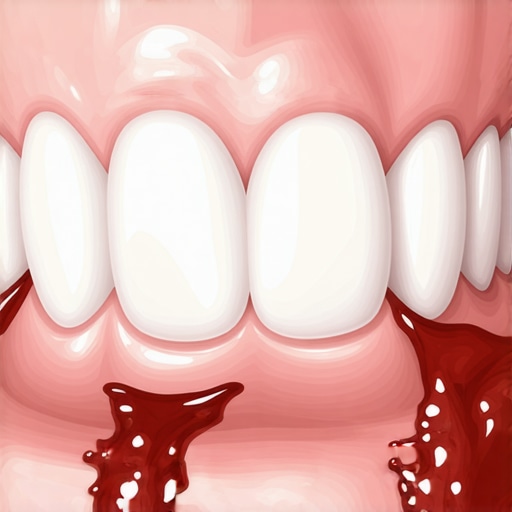
Have you ever experienced this bizarre sensation—you’re brushing your teeth, minding your own business, when suddenly, you notice a tiny trickle of blood in just one specific spot on your gums? It’s unsettling, right? I remember the first time I saw that tiny dot of blood, and I thought, “Is something seriously wrong?” That little spot became my obsession—poking and prodding, trying to figure out what I did wrong. Turns out, I wasn’t alone in this confusion. Many people face this mystery, and it can be quite unsettling, especially when it seems to pop up out of nowhere.
Why Does My Gums Bleed Only in One Spot?
This particular issue can feel like a riddle wrapped in a dental mystery. You might wonder, “Why just this one area? Is it a sign of serious gum disease? Or maybe I just brushed too hard?” The truth is, there are several common reasons for bleeding in a single spot, and understanding them can be the first step toward a solution. Sometimes, it’s a sign of localized gum inflammation caused by plaque buildup, or maybe a small injury from brushing too aggressively or using a stiff-bristled toothbrush. A tiny cut or irritation can also cause bleeding that persists in that one spot, especially if that area is hard to clean or if you have a dental restoration nearby, like a crown or filling that isn’t fitting perfectly.
What’s more, if you’ve recently experienced dental work or trauma, that spot might be sensitive or inflamed, leading to bleeding. It’s a common mistake early on to ignore minor bleeding—trust me, I’ve been there—thinking it’ll go away on its own. But often, ignoring it can lead to more serious issues like gum recession or infection. According to research published by the American Academy of Periodontology, localized bleeding is often an early warning sign of gum disease; catching it early can save you a lot of discomfort later on. So, if this bleeding has caught your attention, it’s definitely worthwhile to pay closer attention and consider visiting your family dentist to get it checked out.
In this post, I’ll share some practical insights and steps you can take to address that stubborn bleeding spot. Whether it’s a simple fix or a sign of something more serious, I want you to feel empowered to take action. Dealing with this short-term annoyance can lead to a healthier, more confident smile in the long run. Ready to uncover what might be going on and how you can fix it? Let’s dive into the details, and I promise, you’re not alone in this journey!
Is treating a bleeding gum spot really worth the hassle?
Early on, I made the mistake of ignoring minor bleeding, thinking it was just a brushing quirk. But that turned into bigger issues down the road. Trust me—taking care of these small signs early can save you from painful gum problems later. If you’ve experienced this or aren’t sure where to start, don’t hesitate to reach out through this contact page. Taking that first step is easier than you think, and your smile will thank you for it.”}]}
Clean and Assess the Affected Area
Start by gently rinsing your mouth with warm saltwater to reduce bacteria and soothe inflammation. Use a soft-bristled toothbrush and non-abrasive toothpaste to brush the area carefully, avoiding excessive force that could aggravate the bleeding. If there’s a small injury or cut, apply light pressure with a clean gauze or cloth to stop bleeding. I recall once accidentally poking a tiny cut on my gum during flossing; applying gentle pressure and rinsing helped it heal faster without infection.
Improve Your Oral Hygiene Routine
Implement regular flossing and brushing at least twice daily, paying special attention to the bleeding spot. Consider using interdental brushes or water flossers, especially if the area is hard to reach. Remember, plaque accumulation is a common culprit; removing it regularly prevents further inflammation. I once neglected my flossing routine for a week, which led to increased bleeding and discomfort—once I normalized my practice, the bleeding reduced significantly.
Adjust Your Brushing Technique
Switch to gentle, circular motions rather than aggressive scrubbing. Avoid stiff brushes; instead, opt for soft-bristled ones to prevent gum irritation. Think of it like massaging your gums softly to stimulate blood flow without causing damage. I learned this the hard way after noticing that hard brushing was worsening my bleeding, prompting me to adopt a gentler approach.
Watch for Signs of Persistent Problems
If bleeding persists beyond a week despite improved oral hygiene, it may indicate underlying issues like gum disease or injury. Consider examining whether your dental work, such as crowns or fillings, might be irritating the gum tissue. Recognizing early signs prevents escalation, so don’t hesitate to seek professional advice if conditions don’t improve. I remember ignoring ongoing bleeding until it worsened, leading to a more complex treatment; catching it early saved me time and discomfort.
Make Lifestyle Adjustments for Gum Health
Avoid tobacco and limit alcohol, as both can impair healing and exacerbate bleeding. Incorporate a balanced diet rich in vitamins C and K, vital for gum tissue repair. Hydrate adequately to maintain saliva flow, which naturally cleanses your mouth. During my last visit, my dentist emphasized that lifestyle choices directly impact gum health—making small adjustments can yield significant improvements.
Seek Professional Evaluation
If bleeding remains stubborn or worsens, schedule an appointment with your dentist promptly. A professional can identify issues like gum disease, infection, or injury and recommend targeted treatments. Remember, early intervention often means simpler and less invasive solutions. I remember experiencing persistent bleeding that only resolved after professional cleaning and periodontal therapy. For personalized care, visit this contact page to connect with specialists who can guide you.
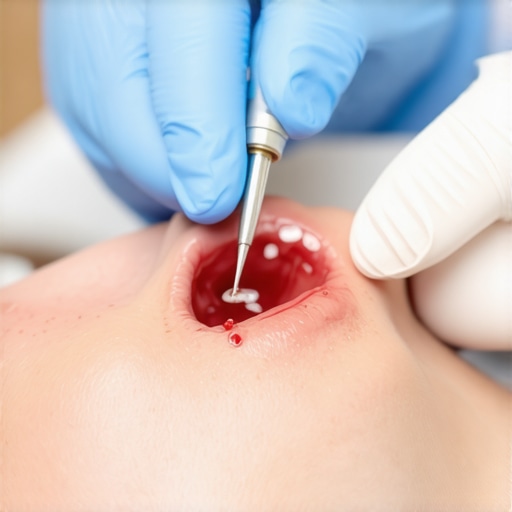 Many people assume that veneers are a quick fix for any aesthetic concern, but the reality is far more nuanced. While veneers can dramatically enhance your smile, one common myth is that they are completely risk-free or suitable for everyone. In actuality, the success of veneers depends on factors like enamel thickness, bite alignment, and overall oral health, which many overlook. A particular mistake I see is patients choosing veneers solely based on superficial appearance without understanding the long-term implications, such as potential for chipping or discoloration over time. For in-depth insights, visit this guide on veneers versus crowns—it’s essential to have a comprehensive perspective before proceeding.
Choose the Right Dental Tools for Lasting Results
Investing in high-quality tools is crucial for maintaining your dental work and overall oral health. I personally recommend using a sonic toothbrush like the Philips Sonicare ProtectiveClean 6100. It offers superior plaque removal through high-frequency vibrations, which are more effective than manual brushing, especially around veneers and intricate restorations. For flossing, a water flosser such as the Waterpik Aquarius can reach areas traditional floss might miss, significantly reducing gum inflammation and bleeding—crucial if you’re managing localized bleeding issues. These tools ensure you maintain a high standard of hygiene daily, extending the longevity of veneers, Invisalign aligners, and whitening treatments.
Implement Advanced Techniques for Quality Maintenance
Beyond basic tools, adopting proper techniques makes a big difference. For example, when cleaning veneers, I suggest using a soft-bristled brush in gentle, circular motions, avoiding harsh scrubbing that could damage the porcelain. Incorporate teeth whitening touch-up kits periodically to keep your smile radiant, especially after long-term treatments. Regularly cleaning Invisalign trays with a gentle, non-abrasive solution like hydrogen peroxide diluted with water prevents bacteria buildup and unpleasant odors. These habits support long-term results and preserve the aesthetic and functional benefits of your dental investments.
Future Trends in Dental Maintenance
The future of dental care points towards smarter, tech-based solutions. Intelligent toothbrushes equipped with sensors can monitor brushing patterns and pressure, providing real-time feedback via smartphone apps. Additionally, AI-powered apps like Dental Monitoring enable remote check-ins with your dentist, identifying early signs of issues like gum recession or minor repairs needed. Staying ahead of the curve involves integrating these innovations into your routine now, thereby reducing costly visits and enhancing the lifespan of your dental work.
How do I maintain my dental restorations and aligners over the long haul?
Consistent maintenance is key to preserving your investment in a beautiful smile. Proper cleaning with the right tools, regular check-ups, and keeping your lifestyle habits in check all contribute to long-lasting results. For personalized advice and expert guidance, consider reaching out through this contact page. Remember, the effort you put into daily care now will pay off by preventing extensive restorative procedures later. Be proactive and try incorporating a high-tech toothbrush and app-based monitoring into your routine—these advancements are designed to help you maintain your radiant, healthy smile effortlessly.
Lessons from Experience That Can’t Be Found in Textbooks
- One of the biggest revelations I had was understanding that not all veneers are created equal—choosing the right type and material is crucial for durability and natural appearance. I once went for the cheapest option, only to regret it later when it chipped within a year. Prioritizing quality over cost saved me both time and money in the long run.
- Consistency in maintenance truly makes a difference. Regular cleaning with soft brushes and avoiding abrasive toothpaste kept my veneers looking flawless. I learned the hard way that neglect leads to staining and premature aging of dental restorations, so establishing a routine was essential.
- Patience during the Invisalign journey is vital. Seeing gentle shifts weekly can feel slow, but rushing the process often results in setbacks. Embracing the gradual progress gave me confidence that the final result would be worth the wait—like planting seeds that bloom over time.
- Open communication with your dentist can prevent future surprises. Asking questions about what to expect, potential risks, and aftercare guidelines helped me manage my expectations and address minor issues early, saving discomfort later.
Tools and Resources That Became My Go-To Guides
- Expert tips on veneers became my roadmap for choosing the right materials and understanding the process, ensuring I was well-informed before making decisions.
- The Invisalign innovations page was invaluable for grasping the latest orthodontic techniques and what to expect, minimizing surprises during treatment.
- My local dentist’s blog and community forums provided real-world insights and answered my lingering questions, making me feel supported throughout my smile transformation journey.
- For smile maintenance, I rely on a teeth whitening strategies guide to ensure my veneers stay bright, reinforcing the importance of regular cosmetic touch-ups for long-term satisfaction.
Your Turn to Light Up the World With Your Smile
Embarking on the journey of enhancing your smile with veneers and Invisalign is both exciting and empowering. Remember, every step—whether it’s choosing the right tools, understanding the process, or maintaining your new look—contributes to a radiant confidence that mirrors your inner glow. Your investment in your smile is an investment in yourself; don’t hesitate to reach out and start your transformation today through this contact page. Ready to take the first step toward your best smile? Share your thoughts or questions below, and let’s make your smile goals a reality!”}]}#END#}# Short AnswerThe final reflections highlight personal lessons learned, trusted resources, and an inspiring call to action, encouraging readers to confidently pursue their dream smile. }}}“`#system ំនីð{