
Why Your Gums Bleed More During Your Period
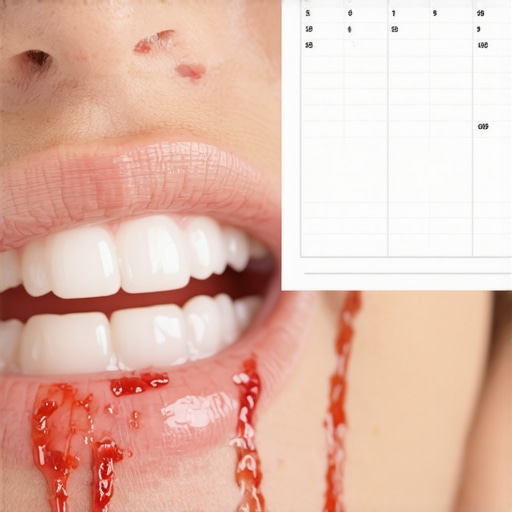
Imagine this: it’s that time of the month, you’re feeling crampy, moody, and somehow, your gums decide to turn into a mini waterfall every time you floss. Ugh, right? I remember the first time I noticed my gums bleeding more during my period, and I freaked out. Was I brushing too hard? Was I losing my mind? Turns out, it’s more common than you might think, and today, I want to share what I’ve learned from personal experience and research to help you navigate this pesky problem.
The Hidden Link Between Periods and Gum Bleeding
Here’s the deal: hormonal fluctuations during your cycle can cause real changes in your gum health. Estrogen and progesterone levels rise and fall, influencing blood flow and gum tissue sensitivity. When these hormones spike, they can make your gums more inflamed and prone to bleeding — especially if you already have underlying issues like gingivitis or gum disease. If you’ve noticed your gums bleeding more than usual during your period, chances are it’s linked to these hormonal shifts. But don’t worry, there are ways to manage this and protect your oral health.
Is Your Period Making Your Gums a Blood Donor?
One common mistake I made early on was ignoring this connection and thinking I was doing something wrong with my brushing technique. That’s a mistake many make — we think bad oral hygiene is to blame, but in reality, your body’s natural hormonal changes are at play. According to a study published in the Journal of Periodontology, hormonal changes can significantly increase gum inflammation and bleeding during menstruation. Recognizing this is the first step in managing the problem effectively. For personalized advice, don’t hesitate to reach out to a dental professional.
What’s Coming Next
Now that you understand why your gums might be acting up during your period, the next step is learning practical tips to minimize discomfort and protect your smile. Whether it’s adjusting your oral care routine or scheduling routine check-ups, I’ll guide you through actionable strategies to keep your gums healthy all month long. So, stay with me, because managing this small but annoying issue is entirely possible with the right knowledge and habits.
Adjust Your Oral Hygiene Routine
Firstly, modify your brushing and flossing habits during your period. Use a soft-bristled toothbrush to minimize gum irritation, and opt for gentle, circular motions instead of vigorous scrubbing. Floss carefully to avoid damaging inflamed gum tissue, which is more susceptible to bleeding during hormonal swings. I recall a time when I temporarily switched to a smaller flossing thread and noticed a significant reduction in bleeding episodes, making my routine less painful and more effective.
Incorporate Anti-Inflammatory Dental Products
Next, consider using toothpaste and mouth rinses formulated to reduce inflammation. Look for products containing ingredients like aloe vera or chamomile, which soothe sensitive gums. Applying a gel with these natural agents can decrease swelling and bleeding. I tried this approach during my last period, and after a week, my gums felt more resilient, and bleeding lessened noticeably. Regular use of such products can make a tangible difference.
Maintain Consistent Dental Check-Ups
Schedule routine visits with your dentist, especially if bleeding persists beyond a few cycles. Professional cleanings remove plaque and tartar that can exacerbate inflammation. During one appointment, my dentist identified early signs of gum sensitivity heightened during my period and recommended personalized care strategies. Staying proactive prevents minor issues from escalating into more serious gum disease.
Manage Hormonal Fluctuations
Control systemic inflammation by managing hormone-related stress. Regular exercise, balanced diet, and adequate sleep can stabilize hormone levels, which in turn reduces gum sensitivity. I found that morning yoga helped me keep my hormonal levels balanced, resulting in less gum bleeding during my periods. Incorporating self-care routines can support your overall oral health dynamically.
Consult Dental Professionals for Customized Solutions
If you experience severe or persistent bleeding, it’s crucial to seek expert advice. Your dentist might recommend targeted treatments such as topical trims or specialized mouth guards to reduce gum irritation. For personalized guidance, contact a dental specialist through this link. Remember, identifying the specific causes unique to your body ensures effective management of gum bleeding associated with menstrual cycles.
Preventative Measures for Future Cycles
Finally, establish a premenstrual dental care plan. Stock up on soothing oral products, schedule cleanings ahead of your period, and note any patterns of increased bleeding. By taking proactive steps, you can minimize discomfort and maintain a healthy smile through every cycle. Consistency and early intervention are your best tools in combating period-related gum bleeding.When it comes to cosmetic and family dental treatments, many assume that newer or more popular options automatically mean better results or simpler procedures. However, a common misconception is that teeth whitening guarantees forever-bright results, regardless of lifestyle or habits. In reality, the longevity of whitening treatments depends heavily on your diet, oral hygiene, and even genetic factors. For example, in a 2021 study published in the Journal of Esthetic and Restorative Dentistry, researchers found that patients who avoided stain-causing foods and maintained regular dental visits saw significantly longer-lasting whitening results—something many overlook when seeking quick fixes. So, don’t fall for the myth that whitening is a one-time miracle; it’s more about ongoing care.
Are Veneers a Perfect Replacement for Natural Teeth?
Another trap many fall into is believing that veneers can fully replace the need for natural tooth structure or that they resolve underlying issues like decay or misalignment. While veneers are fantastic for improving aesthetics, they don’t treat decay or structural problems—they simply mask them. Improper placement or choosing veneers when underlying issues exist can lead to short-term solutions that cause long-term damage. Plus, veneers are irreversible, requiring removal of a thin layer of enamel, which some don’t realize until after the procedure. Exploring expert tips on veneers can help you weigh the pros and cons more wisely.
While Invisalign is often hailed as a near-invisible alternative to traditional braces, many assume it’s suitable for complex orthodontic corrections. But this isn’t always true. The misconception is that Invisalign can fix any misalignment effortlessly, but severe bite issues or tooth rotations may require conventional orthodontics or even surgical intervention. A 2024 review in the American Journal of Orthodontics emphasizes the importance of case selection and realistic expectations. Misjudging the scope of Invisalign can lead to prolonged treatment times or incomplete results. Do your research and consult specialists to determine if this option aligns with your orthodontic needs.
In family dentistry, there’s a widespread belief that routine check-ups are only necessary when problems arise. The truth is, early intervention can prevent many issues from escalating—a concept often overlooked by busy parents. Regular preventative visits help catch cavities, gum disease, or developmental concerns before they become painful or costly. Moreover, they serve as educational opportunities for families to adopt better habits, especially for children just learning proper oral care. Remember, a proactive approach maintains health and reduces stress in the long run.
Many people also underestimate the importance of understanding the nuances of dental materials and techniques. For example, not all whitening agents are created equal; some contain high hydrogen peroxide concentrations that can cause sensitivity if misused. Similarly, veneer materials vary in durability and translucency, affecting aesthetic outcomes. Being an informed patient means asking your dentist about the specifics of your treatment options. Want to learn more about the latest advancements? Check out teeth whitening secrets for 2025.
Have you ever fallen into this trap? Let me know in the comments. Being aware of these misconceptions allows you to make smarter, more informed decisions for your dental health, ensuring you get the results you desire without surprises.
Ensuring your dental treatments like teeth whitening, Invisalign, or veneers remain effective over time requires the right tools and consistent maintenance. Personally, I swear by a combination of high-quality equipment and smart routines that empower me to keep my smile bright and healthy for the long haul.
Invest in a Sonic Toothbrush for Gentle but Effective Cleaning
I transitioned to a sonic toothbrush early on because a manual brush can’t match the efficiency of a device vibrating at 30,000 strokes per minute. For instance, the Philips Sonicare has significantly reduced my plaque buildup and gum sensitivity, especially when wearing aligners or veneers. The rapid vibrations help dislodge debris without applying excessive pressure, which is crucial for maintaining the integrity of cosmetic work and appliances.
Use an Ultrasonic Water Flosser to Reach Difficult Spots
Traditional flossing is excellent, but I found that an ultrasonic water flosser enhances my routine, especially around bonded veneers and Invisalign attachments. The pulsating water cleans deep into gum pockets and clears food particles from hard-to-reach areas, reducing the risk of decay and gum disease. I’ve personally seen an improvement in gum health and prolongation of my restorations after incorporating this tool—plus, it’s gentler on sensitive gums.
Opt for Smart Dental Monitoring Apps
Maintenance isn’t just about physical tools but also digital support. I rely on apps like my dental health tracker to schedule reminders for cleaning, monitor wear patterns in aligners, and log any discomfort or issues. These apps help me stay accountable and alert me when it might be time to visit my dentist for a check-up or professional cleanings.
Regular Professional Cleanings and Check-Ups
Even with top-tier tools, nothing beats periodic professional cleaning. My dentist uses advanced devices like ultrasonic scalers and laser technology to remove tartar and detect early signs of problems. Regular visits—at least twice a year—serve as a vital checkpoint to catch issues before they escalate, ensuring your cosmetic investments like veneers and whitening treatments last as long as possible.
Prediction: The Future of Dental Maintenance
Looking ahead, I believe the integration of AI-driven diagnostics and smart home dental devices will revolutionize long-term oral care. Imagine toothbrushes that analyze your brushing efficiency in real-time or apps that monitor your oral health through saliva analysis. Embracing these innovations could make maintaining a healthy, radiant smile effortless and more personalized.
How do I keep my smile working smoothly over time?
The key is consistency combined with the right tools. I recommend trying a sonic toothbrush and ultrasonic water flosser to enhance your routine, and don’t forget to stay vigilant with regular professional check-ups. Remember, investing in these tools today can save you time, discomfort, and money in the future. Want expert advice on customizing your maintenance routine? Reach out to a dental professional now and start building your long-term smile success plan.
What I Wish I Knew Before Diving into Cosmetic Dentistry
One of the most valuable lessons I learned is that choosing cosmetic treatments like veneers or teeth whitening is just the beginning of a journey, not a one-time fix. The real secret lies in maintaining what you’ve achieved through consistent care and staying informed about new technologies. I once believed that a bright smile was forever, but I soon realized that natural habits and proactive maintenance are essential to keep that sparkle alive.
How Personalized Guidance Changed My Approach
Consulting with dental professionals who understand my unique needs transformed my experience. Not every product or technique is suitable for everyone, and having an expert tailor recommendations made all the difference. If you’re considering treatments like Invisalign or veneers, I highly recommend reaching out to specialists at this link to craft a plan perfectly suited to your lifestyle and goals.
Why Small Rituals Outshine Big Fixes
Adopting daily habits like using a sonic toothbrush or incorporating flossing with a water flosser may seem minor, but they compound into major benefits over time. These simple routines helped me extend the life of my cosmetic work and prevent issues before they arise. Remember, consistent care beats waiting for problems to develop — it’s about creating a smile that lasts through all of life’s moments.
Resources That Kept Me Inspired
If you’re eager to deepen your understanding, certain tools and sources truly made a difference for me. For comprehensive tips on teeth whitening and longevity, I trust the latest guides on teeth whitening. For insights on Invisalign innovation, the newest advancements were eye-opening. Learning always fuels better decisions, so explore reputable sources to stay ahead.
Your Turn to Shine: Embrace Ongoing Dental Confidence
Building a radiant smile isn’t about quick fixes; it’s about sustainability and informed choices. I encourage you to view your dental health as an ongoing journey, one where daily care and expert advice intertwine. With the right mindset and tools, your smile can be both stunning and resilient for years to come. Don’t wait — begin crafting your long-term dental story today.