
Why your gums bleed when you use a water flosser

I still remember the exact Tuesday morning I decided to elevate my oral hygiene game. Eager to replicate that squeaky-clean feeling you only get after a professional dental cleaning, I unboxed my brand-new water flosser, filled the reservoir with warm water, and cranked the dial straight up to ten. I leaned over the sink, pressed the power button, and immediately gasped. It looked like a horror movie in my bathroom sink. My gums were not just dripping; they were actively bleeding. I panicked, thinking I had permanently damaged my delicate gum tissue or undone years of careful brushing. It was a messy, painful realization that more power does not equal better cleaning.
The Shock of the Crimson Sink
If you have recently switched to a water flosser only to be greeted by a mouthful of blood, you are definitely not alone. It is incredibly discouraging when a tool designed to improve your health feels like it is doing the exact opposite. Today, we are going to unpack exactly why this watery dental tool is causing a bloody mess, how to adjust your technique to protect your mouth, and when those bleeding gums are actually signaling an underlying issue that needs a dentist’s eye. Let’s get your daily routine back to being pain-free and productive.
Is a Water Flosser Actually Supposed to Hurt This Much?
Many people buy these devices hoping to avoid the scrape and tug of traditional floss, only to find the water pressure feels like a tiny pressure washer blasting their sensitive mouth. The short answer is no, it should not hurt, and it definitely should not look like a crime scene. When I first started, I made the classic mistake of using the highest pressure setting right out of the gate, treating my gums like a dirty concrete driveway.
According to clinical data compiled by the American Dental Association, while water jet devices are highly effective at removing plaque, improper usage and excessive pressure can easily traumatize inflamed gingival tissues. If your gums are already slightly inflamed, blasting them with high-pressure water is like rubbing sandpaper on a sunburn.
Have you experienced this sudden splash of red during your morning routine? It is easy to feel defeated and shove the machine into the back of your bathroom cabinet, but before you give up on your quest for a perfect smile, we need to look at what your gums are actually trying to tell you. Often, this bleeding is closely linked to why your gums might also react when you use other dental tools, such as why your gums bleed only when you use an electric toothbrush. Let’s dive into the real culprits behind the bleeding so you can adjust your approach and finally floss in comfort.
Master the Angle and Drop the Pressure
To stop the daily blood bath, you must change how you physically handle the device. Think of your water flosser not as a blaster to force food out, but as a gentle sweeper designed to clear away microscopic biofilm. When I first tried to correct my technique, I kept pointing the tip directly down into the pocket of my gums. That directed force literally injected high-pressure water under the tissue, causing immediate pain and swelling. Once I adjusted my approach, the bleeding stopped within four days. Here is the step-by-step method to safely and effectively use your water flosser without irritating your gums.
Start on the Lowest Setting Possible
Do not let your ego control the dial. Turn your machine down to level one or two. Your gum tissue needs time to adapt to the physical sensation of pressurized water. If you feel absolutely nothing, resist the urge to crank it up immediately. Leave it on the lowest setting for at least a full week. Your gums will gradually become less inflamed and more resilient, allowing you to slowly increase the pressure over several weeks if you choose.
Hold the Tip at a Ninety Degree Angle
Never point the flosser tip straight down or up into your gum pockets. Instead, hold the tip at a sharp 90-degree angle to your tooth surface, just above the gumline. You want the water jet to wash across the tooth and the edge of the gum, not get trapped underneath the tissue. 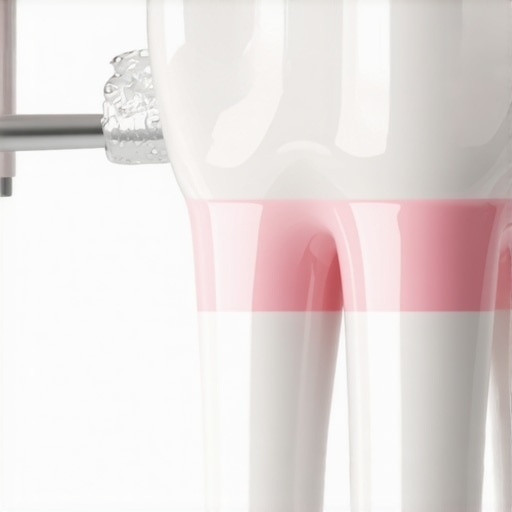 Slowly trace the natural curve of each tooth, pausing briefly in the spaces between them. This creates a gentle washing effect that sweeps plaque away rather than jamming it deeper.
Close Your Lips and Lean Low
To prevent decorating your bathroom mirror with splashes, lean your head completely over the sink and close your lips loosely around the plastic flosser tip. Let the water pool in your mouth and drain naturally out into the sink. This simple physical adjustment keeps your bathroom clean and allows you to focus purely on maintaining that crucial 90-degree angle.
Address the Root Cause of Sensitive Gums
If you have perfected your technique and dialed down the pressure, but still see red in the sink, your gums are trying to highlight an underlying health issue. Chronic bleeding is a classic sign of active gingivitis or plaque accumulation that needs professional attention. If you are also managing other cosmetic or structural dental work, keeping your gums healthy is even more critical. For instance, inflamed gums can ruin your progress if you are trying to find the best way to whiten your teeth, as whitening agents will severely irritate raw, bleeding tissue. Similarly, clean and firm gum health is the foundation needed before you can successfully transform your smile with veneers. Taking care of your basic gum health first ensures that any future cosmetic treatments will look great and feel comfortable.
The Counterintuitive Reality of Cosmetic Dentistry and Gum Health
Most dental patients believe that cosmetic procedures like veneers or professional whitening are purely surface-level upgrades. They assume that if they pay for premium treatments, their smiles are instantly protected from decay or gum issues. In my experience, this is a dangerous misconception. The truth is quite the opposite: cosmetic dental work actually demands far more meticulous, expert-level oral hygiene than natural teeth. If you do not have your basic gum health in order, investing in high-end cosmetic procedures is like building a luxury mansion on a foundation of quicksand.
Why Do Veneers Sometimes Look Gray or Unnatural After a Few Months?
A common complaint from patients who rush into cosmetic procedures without stabilizing their gum health is that their expensive upgrades begin to lose their luster. Specifically, people often ask why their restoration seems to change color. This frequently traces back to the tissue itself. If you struggle with chronic gum bleeding and recession, the underlying tooth root and the margins of your restorations become exposed to oral fluids and micro-leakage. This is the reason your veneers look gray in certain lighting, as the darkness of the exposed root or the staining at the interface reflects through the translucent porcelain.
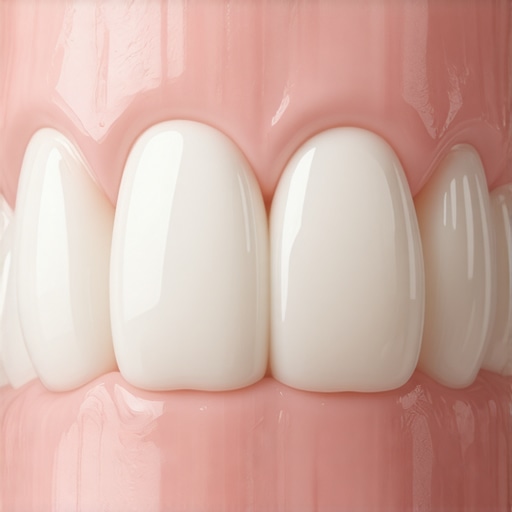
The “Oops” factor here is neglecting the gumline interface. Many people assume porcelain cannot stain, so they slack on their flossing technique around their new restorations. According to a study published by the International Journal of Periodontics and Restorative Dentistry, subgingival plaque accumulation around restorative margins is one of the leading causes of localized gingivitis and premature restoration failure. When you allow plaque to build up at the margin of a veneer or crown, the gum tissue inflames, swells, and bleeds, which eventually causes the gum to pull away and expose the dark tooth structure underneath.
The Invisible Trap of Whitening Sensitive Teeth
Another area where eager patients make critical mistakes is whitening. It is tempting to buy the strongest over-the-counter gel and apply it repeatedly, but if you have naturally thin enamel or active gum irritation, you are setting yourself up for intense pain. It is vital to understand the best way to whiten your teeth if you have naturally thin enamel before you begin any bleaching regimen. Blasting compromised teeth with peroxide will not only cause excruciating nerve sensitivity but can also permanently damage already inflamed gum tissue, leading to further bleeding and long-term recession.
Before taking on any smile transformation, you must prioritize basic periodontal care and master your daily routine. Have you ever fallen into this trap of prioritizing cosmetic looks over basic gum health? Let me know in the comments below.
When you commit to cosmetic enhancements or orthodontic transformations, the journey does not stop when you walk out of the clinic. Many patients treat their final appointment as a finish line, but in reality, it is the starting block. Maintaining these upgrades requires specialized tools and a strict adherence to a daily ritual if you want your results to last for decades instead of years.
How Do I Keep My Dental Work Pristine Over Time?
The secret to preserving high-end dental work lies in the micro-details of your cleaning equipment. For example, if you are currently using clear aligners, you cannot simply brush them with standard toothpaste. Toothpaste contains abrasive agents like silica, which micro-scratch the plastic, creating tiny grooves where bacteria multiply. I personally use a dedicated ultrasonic cleaning bath filled with warm water and a specialized sodium bicarbonate tablet every single morning. This hands-free, high-frequency vibration removes microscopic biofilm without compromising the structural integrity of the plastic, preventing that foggy, neglected appearance.
According to dental material researchers at the Invisalign Innovation Center, using proper chemical cleansers rather than abrasive mechanical brushing is the single most critical factor in maintaining the optical clarity of thermoplastic appliances. This is also why understanding the only way to stop your clear aligners from smelling like old saliva is so vital; regular cleanings prevent the buildup of anaerobic bacteria that damage both your appliance and your underlying enamel.
When it comes to porcelain restorations, the rules of engagement are equally specific. Standard string floss can sometimes catch on the margins of a veneer if you snap it upward aggressively. I recommend using a PTFE (polytetrafluoroethylene) monofilament tape. Unlike standard nylon floss, which can shred and leave fibers trapped under the restorative margins, PTFE tape glides smoothly over porcelain surfaces without causing friction. Combining this tape with a low-pressure water flosser at a 90-degree angle ensures that you keep the interface between your gums and your restorations absolutely immaculate, avoiding the dark margins that ruin a smile.
Predicting the Future of Personal Oral Care
Looking ahead, the dental industry is moving rapidly toward personalized, bio-active maintenance. In the next few years, I predict we will see smart water flossers integrated with real-time plaque detection sensors that light up when a specific area of the mouth is clean. We will also see a massive shift toward targeted microbiome therapies, where instead of killing all oral bacteria with harsh alcohol mouthwashes, we will use targeted probiotic rinses to support the good bacteria that actively prevent staining and gum inflammation.
For families managing oral health across generations, staying updated on these shifts is essential. It helps you navigate complex choices, ensuring you know how to build healthy smiles for every generation in your household. If you are ready to take immediate control of your oral health today, I challenge you to try this one advanced tip tonight: swap your standard nylon floss for a roll of PTFE dental tape, and pay close attention to how smoothly it glides around your back teeth and restorations without snapping. Your gums will thank you.
What Experts Won’t Tell You About Water Flossing with Sensitive Gums
When I first started talking to dental hygienists about my bloody sink episodes, I realized there is a massive gap between what the product manual says and how our bodies actually respond. The biggest secret in periodontics is that healthy gum tissue does not bleed from water pressure, but compromised tissue will bleed at the slightest whisper of force. If you are constantly seeing red, it is not a sign to stop flossing entirely; rather, it is a diagnostic alarm. It means you have active, localized inflammation that has likely been brewing for months under the surface, completely unnoticed until the pressurized water disrupted the stagnant biofilm.
Another hard truth is that water flossers are not a complete replacement for physical contact cleaning. While they are phenomenal at flushing out large debris and lowering overall bacterial load, they lack the physical scraping action needed to shear off stubborn plaque. If you solely rely on water, that plaque eventually hardens into tartar, which causes your gums to remain perpetually inflamed and highly prone to bleeding. The magic happens when you use a low-pressure water jet to irrigate the pockets after you have disrupted the plaque mechanically with a soft toothbrush or PTFE tape.
My Essential Toolkit for Comfortable Daily Gum Care
To transition from painful bleeding to a comfortable, healthy routine, you need the right tools. Over the years, I have refined my oral care arsenal to include highly specific items that protect sensitive tissue while maximizing hygiene:
- PTFE Monofilament Dental Tape: Unlike standard nylon floss that shreds and cuts into irritated gums, PTFE tape glides effortlessly. If you want to know more about keeping your gums intact during this process, read about why your gums are receding despite brushing twice a day to ensure you are not using too much physical force.
- Diluted Alcohol-Free Essential Oil Mouthwash: Adding a capful of an antiseptic, alcohol-free mouthwash directly into your water flosser reservoir can help target anaerobic bacteria deep in the pockets. The lack of alcohol prevents your mucosal lining from drying out and becoming further irritated.
- The Clinical Guidelines from the American Academy of Periodontology: I highly value their published research on subgingival irrigation, which confirms that consistent, low-pressure irrigation is far more beneficial for long-term tissue attachment than short bursts of high pressure.
Your Path to a Pain-Free Smile Starts Tonight
It is incredibly easy to feel discouraged when your efforts to improve your health result in pain and bleeding. But remember: this is a temporary phase of adaptation. By lowering the pressure, correcting your angle to a clean 90 degrees, and focusing on gentle consistency, you will give your gums the environment they need to heal. If you are also managing advanced cosmetic upgrades, this gentle foundation is what keeps your smile looking bright and natural. For those who want to take their oral hygiene a step further, mastering the right techniques is also the secret to learning teeth whitening secrets for a sparkling smile in 2025 without triggering excruciating sensitivity. Take it slow, trust the process, and let your mouth adapt at its own pace.
Have you ever struggled with bleeding gums when switching to a water flosser, or did adjusting the pressure finally solve the problem for you? Let me know in the comments below!