
Why your teeth hurt when you breathe cold air

I will never forget that crisp November morning. I stepped out of my front door, took a deep, refreshing breath of autumn air, and was immediately hit with a blinding, electric shock that shot straight through my front teeth. I actually doubled over, holding my mouth, wondering if a tooth had just cracked in half. It hadn’t. It was just the air. For years, I avoided outdoor winter workouts and even talking too much in the cold because of that miserable, sudden zing. If you are tired of shielding your mouth with your scarf every time you step outside, you are in the right place. Today, we are going to unpack exactly why this happens and how you can reclaim your winter mornings without that painful jolt.
In my early twenties, I thought the only solution was to avoid cold drinks and freezing weather forever. I even made the mistake of brushing my teeth aggressively with harsh whitening pastes, thinking I just needed to ‘clean’ the sensitivity away, which actually stripped my enamel and made the pain ten times worse. To find real relief, we first have to understand the underlying mechanics of our teeth.
The Secret Highway Inside Your Enamel
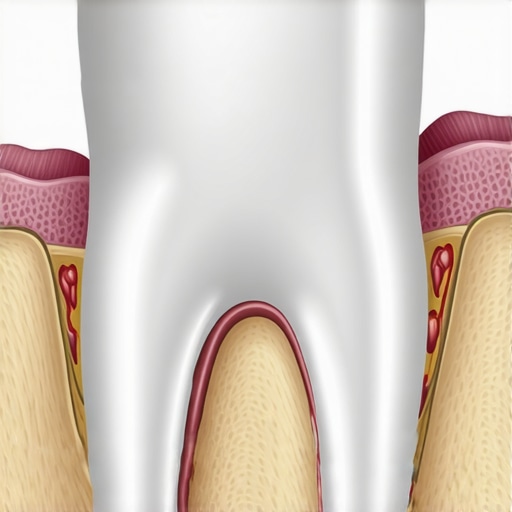
When your teeth react violently to a cold breeze, your body is actually sending a direct distress signal. Beneath that hard, protective outer layer of enamel lies a softer, highly sensitive layer called dentin. Dentin is packed with thousands of microscopic pathways called dentinal tubules that lead directly to the tooth’s nerve center. When your enamel wears thin or your gums pull back, these tiny pathways are exposed. The cold air rushes in, travels down these microscopic highways, and instantly triggers the nerve. According to research from the American Dental Association, sudden temperature changes cause fluid inside these tubules to expand and contract rapidly, which is what triggers that sharp ‘zinger’ of pain. This is often the exact same mechanism behind the real reason your teeth are sensitive to cold beverages or ice cream.
Is This Just Something I Have to Live With?
I used to think my teeth were just naturally ‘delicate’ and that there was nothing I could do about it. But the truth is, tooth sensitivity to cold air is almost always a symptom of an addressable dental issue, not a permanent life sentence. Whether it is caused by enamel erosion from acidic foods, microscopic cracks, or even receding gums from aggressive brushing, there are concrete ways to rebuild your defense system. Have you ever had to stop mid-sentence during a cold day because of a sudden tooth shock? Let me know in the comments below, because you are definitely not alone. Once I stopped making common dental care mistakes and started actively protecting my enamel, my outdoor winter walks became enjoyable again.
How to Block the Cold and Rebuild Your Enamel Defense
To stop that painful winter shock, you have to treat your teeth like a home during winter: you need to seal the drafts and insulate the pipes. We do this by physically blocking the open pathways in our dentin and changing how we interact with the freezing air. When I first started tackling my own winter sensitivity, I tried to rush the process. I bought a high-strength whitening kit thinking cleaner teeth would somehow be stronger. It was a disaster; my teeth felt like they were vibrating in pain even when I drank room-temperature water. I learned the hard way that you must focus on soothing and sealing before you ever try cosmetic upgrades. If you are currently dealing with the aftermath of a whitening session, you might want to look into how to manage the zingers after a professional whitening session to get your baseline comfort back first.
Switch to a Potassium Nitrate Paste immediately
The first physical step is changing your toothpaste. Look specifically for a paste containing potassium nitrate or stannous fluoride. Potassium nitrate acts like a temporary local anesthetic for your dental nerves, calming the transmission of pain signals from the cold air. Stannous fluoride, on the other hand, acts like microscopic concrete, physically plugging up those open dentinal tubules. Do not rinse your mouth with water immediately after brushing; instead, spit out the excess foam and let the remaining paste sit on your teeth to maximize absorption. I started doing this before my morning runs, and within two weeks, the sharp bite of the autumn wind began to dull into a manageable sensation.
Ditch the Aggressive Scrubbing Habits
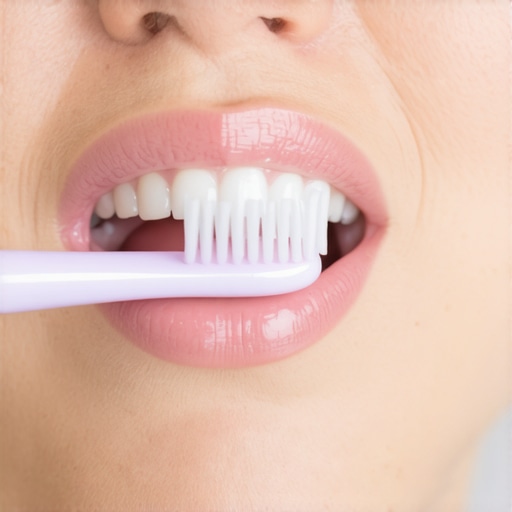
Many of us unconsciously scrub our teeth harder when they feel sensitive, thinking we are cleaning away the problem. This aggressive sawing motion, especially with medium or hard-bristled brushes, acts like sandpaper on your gums and enamel. It actively causes your gums to recede, exposing the vulnerable root surfaces that do not have enamel protection. If you notice your gum line creeping upward, you are likely suffering from why your gums are receding despite brushing twice a day. Switch to an extra-soft bristled toothbrush, hold it with just your fingertips to reduce pressure, and let the bristles gently sweep away plaque in circular motions.
Breathe Through Your Nose and Use a Physical Barrier
This is the simplest, most immediate defense mechanism you can use tomorrow morning. When you inhale cold air through your mouth, it directly hits your front teeth at high velocity. Breathing exclusively through your nose warms the air before it reaches your airway and keeps your teeth protected behind your lips. If you must speak or breathe through your mouth while exercising outside, wrap a scarf or a thermal neck gaiter over your mouth. The fabric traps the moisture and warmth from your exhaled breath, creating a warm microclimate that shields your teeth from the sudden temperature drop. When I started wearing a high-quality running mask over my mouth during November jogs, it completely eliminated the cold air shocks, allowing my enamel-building toothpaste time to do its job under the surface.
Why Your Go-To Teeth Whitening Routine is Sabotaging Your Enamel
Everyone tells you to brighten your smile to feel more confident, but in my experience, aggressively trying to bleach away stains while dealing with cold-weather sensitivity is a recipe for absolute disaster. The most common mistake people make is using high-concentration peroxide strips when their enamel is already compromised. When you apply these strong chemicals, you are not just lifting stains; you are temporarily dehydrating the tooth and opening up those dentinal tubules even wider. This is why many experience agonizing shooting pains immediately after treatment. If you have already fallen into this trap, you need to step back and learn how to manage the zingers after a professional whitening session before doing any more damage.
The contrarian truth that cosmetic dentists rarely highlight is that if you have naturally thin enamel, standard whitening products will always trigger pain. Instead of chasing a blinding Hollywood white with harsh chemicals, you should focus on mineralizing your teeth first. Using a nano-hydroxyapatite paste helps rebuild the micro-surface of your teeth, sealing the pathways before you even think about cosmetic adjustments. For those who still want a brighter smile without the torture, exploring the best way to whiten your teeth if you have naturally thin enamel is the only safe path forward.
Why Does One Specific Tooth Hurt More Than the Rest in the Cold?
If you experience a sharp, localized jolt in just one tooth rather than a generalized ache across your mouth, you are likely dealing with something more complex than simple enamel wear. This localized hypersensitivity is often a warning sign of a micro-fracture, a failing restoration, or localized gum recession. When a single tooth loses its protective gum barrier, the exposed root surface—which completely lacks enamel—is subjected to thermal shock. According to a clinical study published by the National Institutes of Health, localized dental hypersensitivity is frequently coupled with microscopic occlusal trauma, meaning an uneven bite is placing too much physical stress on that specific tooth, flexing it at the gumline and popping off microscopic pieces of enamel.
Another common trap is assuming that a painful tooth just needs a stronger cleaning. Brushing harder on a sensitive area only accelerates the recession, exposing more dentin and worsening the problem. If you are noticing your gums pulling away in specific spots, you should investigate why your gums are receding despite brushing twice a day to stop the destructive cycle before the root becomes permanently damaged. Have you ever fallen into this trap of scrubbing a painful tooth only to make it flash with worse pain? Let me know in the comments below! Real recovery starts when we stop scrubbing and start protecting.
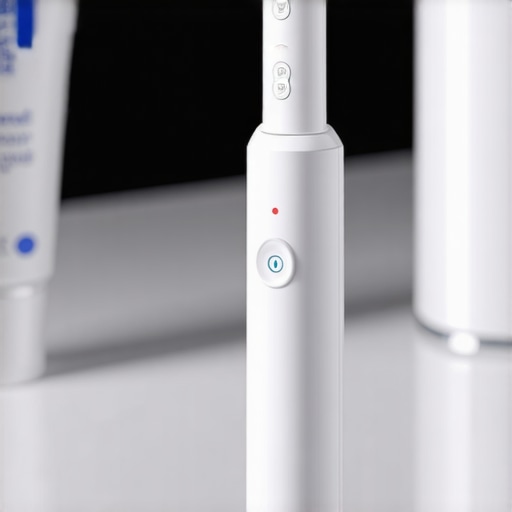
When you are fighting persistent temperature sensitivity, resolving the initial discomfort is only half the battle. To keep your teeth from flaring up every winter, you have to transition from active repair to a strict long-term maintenance protocol. In my personal routine, I relied on specific tools to turn the tide. I threw out my old, hard-bristled brushes and invested in an electric toothbrush with a built-in pressure sensor. This sensor is crucial; it physically pulses or lights up when you press too hard, ensuring you never accidentally scrub away your protective enamel or push your gums back. If you are struggling to keep your gums healthy, check out why your gums are receding despite brushing twice a day to stop the physical wear before it exposes your roots.
How Do I Maintain My Enamel Shield Over Time?
Maintaining your protective barrier requires a systematic approach to what you put in your mouth, especially if you also pursue cosmetic treatments. If you have chosen advanced cosmetic options to fix worn teeth, you must treat those restorations with care. For instance, knowing how to keep your veneers from chipping if you grind your teeth is vital since teeth grinding destroys both natural enamel and porcelain surfaces. I personally use a custom-fit nocturnal bite guard every night to isolate my upper and lower teeth, preventing the micro-fractures that allow cold air to bypass the enamel. Additionally, if you use modern aligners, you must maintain their cleanliness to prevent acid-producing plaque from sitting against your teeth. Utilizing specialized cleaning tablets instead of harsh soaps ensures you do not end up wondering why your clear aligners have started to look cloudy, which is a common sign of micro-abrasions that trap staining bacteria.
Looking to the future of dental care, we are moving toward biomimetic mineralization. According to a study published by the Journal of Dental Research, future preventive dentistry will heavily feature targeted peptide therapies that actively rebuild the crystal structure of enamel in real-time, rather than just soothing the nerves. For families, this means the future of dental health is highly customized. Managing your home dental routine is a lifelong journey for all ages, which is why choosing the right care team matters. Understanding the subtle difference between a corporate clinic and local culpeper family dentistry can help you find a partner who focuses on long-term conservative preservation rather than quick, aggressive cosmetic fixes.
My strongest recommendation for you today is to implement the pressure-sensing toothbrush technique immediately. Let the brush do the work for two weeks without pushing down, and watch how your teeth and gums respond.
When you are fighting persistent temperature sensitivity, resolving the initial discomfort is only half the battle. To keep your teeth from flaring up every winter, you have to transition from active repair to a strict long-term maintenance protocol. In my personal routine, I relied on specific tools to turn the tide. I threw out my old, hard-bristled brushes and invested in an electric toothbrush with a built-in pressure sensor. This sensor is crucial; it physically pulses or lights up when you press too hard, ensuring you never accidentally scrub away your protective enamel or push your gums back. If you are struggling to keep your gums healthy, check out why your gums are receding despite brushing twice a day to stop the physical wear before it exposes your roots.
How Do I Maintain My Enamel Shield Over Time?
Maintaining your protective barrier requires a systematic approach to what you put in your mouth, especially if you also pursue cosmetic treatments. If you have chosen advanced cosmetic options to fix worn teeth, you must treat those restorations with care. For instance, knowing how to keep your veneers from chipping if you grind your teeth is vital since teeth grinding destroys both natural enamel and porcelain surfaces. I personally use a custom-fit nocturnal bite guard every night to isolate my upper and lower teeth, preventing the micro-fractures that allow cold air to bypass the enamel. Additionally, if you use modern aligners, you must maintain their cleanliness to prevent acid-producing plaque from sitting against your teeth. Utilizing specialized cleaning tablets instead of harsh soaps ensures you do not end up wondering why your clear aligners have started to look cloudy, which is a common sign of micro-abrasions that trap staining bacteria.
Looking to the future of dental care, we are moving toward biomimetic mineralization. According to a study published by the Journal of Dental Research, future preventive dentistry will heavily feature targeted peptide therapies that actively rebuild the crystal structure of enamel in real-time, rather than just soothing the nerves. For families, this means the future of dental health is highly customized. Managing your home dental routine is a lifelong journey for all ages, which is why choosing the right care team matters. Understanding the subtle difference between a corporate clinic and local culpeper family dentistry can help you find a partner who focuses on long-term conservative preservation rather than quick, aggressive cosmetic fixes.
My strongest recommendation for you today is to implement the pressure-sensing toothbrush technique immediately. Let the brush do the work for two weeks without pushing down, and watch how your teeth and gums respond.
The Hardest Lessons I Learned on My Path to Pain-Free Winter Mornings
Getting over cold sensitivity was a journey of trial and error. Here are the three most critical realizations that finally helped me stop the painful daily shocks:
- Enamel is a shield, not a stain to be scrubbed: Over-brushing with whitening toothpastes actually removes the microscopic minerals keeping your nerves safe.
- Acid and cold are a toxic duo: Drinking morning lemon water or orange juice right before stepping into the cold wind is an open invitation for a dental shockwave.
- Your breathing patterns matter: Training myself to inhale through my nose during freezing morning jogs did more for my immediate comfort than any expensive mouthwash ever could.
How I Built My Protective Oral Care Toolkit
If you want to duplicate my success and step outside into the autumn air without fear, these are the exact strategies and resources I recommend focusing on:
- Nano-Hydroxyapatite Toothpastes: I prefer these over standard options because they actively redeposit lost calcium and phosphate directly into the micro-cracks of your enamel.
- My Custom Night Guard: Preventing nocturnal clenching was the single biggest factor in stopping my localized tooth pain from escalating during temperature drops.
- Conservative Dental Guidance: Finding a trusted family practice that prioritizes preserving your natural structure makes all the difference. For great, long-term advice on maintaining healthy smiles across generations, I highly recommend reading through family dentistry building healthy smiles for every generation.
Reclaim Your Cold Weather Freedom Today
You do not have to live your life dreading the change of the seasons or hiding behind a heavy scarf just to walk from your house to your car. By understanding the microscopic pathways of your teeth, switching to enamel-building minerals, and adjusting how you breathe, you can completely neutralize that painful winter shock. Take your time, focus on gentle care, and rebuild your defense system. It is entirely possible to enjoy a brisk, freezing morning walk with a wide, comfortable smile once again.
What is your experience with cold air?
Have you ever struggled with sudden sharp pain in your front teeth when stepping out into the cold? Let me know in the comments below!