
How to Get Rid of White Spots Left Behind by Braces
I remember the exact moment I noticed those stubborn white spots on my teeth after removing my braces. It was like a splash of cold water—disheartening and unexpected. I had invested so much in straightening my smile, only to be greeted by patches that seemed to undo all the effort. If you’ve been there, you know the feeling of frustration and that persistent question: “How on earth do I get rid of these pesky white spots?” It’s more common than you think, and honestly, it can feel a little discouraging when your radiant smile doesn’t look as perfect as you’d hoped. But here’s the good news—you’re not alone, and there *are* effective ways to tackle this issue.
Why Those White Spots Happen After Braces
What Causes White Spots and Why They Stick Around
White spots, known medically as demineralization areas, usually appear because of plaque buildup in hard-to-reach spots around braces. During orthodontic treatment, braces create tiny nooks and crannies where plaque and bacteria love to hide. If not cleaned meticulously, these bacteria produce acids that demineralize the enamel, leaving behind those telltale white patches. Interestingly, according to a study published in the Journal of Dentistry, nearly 50% of braces wearers develop some level of white spot lesions caused by inadequate oral hygiene during treatment.
Early in my journey, I made the mistake of neglecting those tiny spaces—thinking that a quick brush would do the trick. That oversight turned into stubborn spots that seemed to stubbornly cling on long after I thought my braces were gone. Trust me, I learned the hard way that what you do during orthodontic treatment sets the stage for how your smile heals afterward.
So, if you’re frustrated because those white spots just won’t fade, don’t worry. In this post, I’ll walk you through proven strategies to brighten your smile and reclaim that confident look you deserve. Whether you’re still in braces or already out, understanding the root cause helps you make smarter choices moving forward. Ready to dive into practical solutions? Let’s take a closer look.
Start with Proper Oral Hygiene Practices
Master Brushing and Flossing Techniques
During my own experience, I found that using an electric toothbrush significantly improved plaque removal around brackets. Focus on gentle, circular motions to dislodge plaque without damaging enamel. Flossing with floss threaders helps reach between teeth and around brackets where debris accumulates. Remember, consistent daily brushing and flossing are your first line of defense against stubborn white spots, especially after removing braces. For more detailed tips on maintaining oral health, visit family dentistry tips.
Utilize Professional Teeth Cleaning and Fluoride Treatments
Schedule Regular Dental Check-Ups
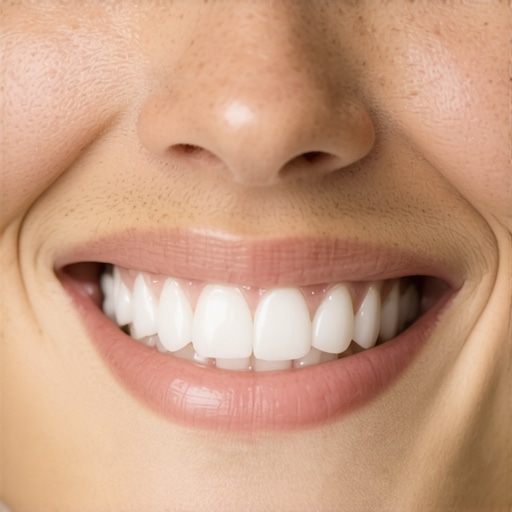
Visiting your dentist for professional cleanings can help remove surface plaque and remineralize enamel with fluoride gels. I personally booked a cleaning after my braces came off; the hygienist applied a fluoride varnish that visibly enhanced my enamel’s resilience. This process can reduce the appearance of white spots and protect against further demineralization. Regular appointments are crucial—aim for every six months. Learn more about selecting the right whitening options at teeth whitening strategies.
Adopt Advanced Cosmetic Procedures
Consider Dental Veneers or Bonding
For persistent white spots that won’t fade with hygiene alone, cosmetic procedures like veneers or bonding offer immediate aesthetic improvements. During my consultation, the dentist suggested composite bonding to mask the spots; I was amazed at how natural it looked. Veneers provide a more durable solution but involve a slight enamel removal. Decide based on your needs and consult a qualified cosmetic dentist. To understand which approach suits you best, see veneers versus crowns.
Refine Your Diet and Lifestyle
Limit Acidic and Sugary Foods
Avoid foods and drinks that can erode enamel further, such as citrus fruits and sodas. During my journey, reducing consumption of coffee and acidic snacks visibly improved my enamel’s health, preventing white spots from worsening. Drinking plenty of water and eating a balanced diet rich in calcium and phosphate helps remineralize enamel naturally. For more insights on maintaining a bright smile, check teeth whitening secrets.
Integrate Ongoing Maintenance into Daily Routine
Use Remineralization Products
Incorporate products like fluoride mouth rinses or remineralizing toothpaste into your everyday habits. I started using a fluoride rinse twice daily, which noticeably reduced the visibility of white spots over several weeks. Consistency ensures gradual improvement. Additionally, some dentists recommend mouthwashes containing casein phosphopeptide-amorphous calcium phosphate (CPP-ACP) to enhance remineralization. Learn more about this at family dentistry for all ages.
When it comes to cosmetic and preventive dentistry, many common beliefs are actually myths, leading patients astray. For instance, a widespread misconception is that veneers are only suitable for perfect teeth, but in reality, they can be tailored to address various imperfections, including minor misalignments or discolorations. However, relying solely on veneers without understanding their limitations can result in unnecessary costs or aesthetic dissatisfaction. According to a study in the Journal of Esthetic & Restorative Dentistry, misconceptions about veneer durability and suitability are prevalent, emphasizing the importance of consultation with a qualified dentist.
Another often misunderstood aspect concerns family dentistry. Many assume that it only involves routine cleanings and basic checkups, but it actually encompasses comprehensive preventive care, patient education, and even complex procedures tailored for all age groups. Neglecting the nuanced scope of family dentistry can lead to delays in preventive treatment, increasing the risk of cavities and gum disease. To build lifelong healthy habits, visiting a family dentist who understands your unique needs is crucial. Explore more about creating a healthy, lasting smile at family dentistry tips.
When evaluating Invisalign, many patients believe it’s only effective for minor orthodontic issues. In truth, Invisalign’s versatile technology can correct a wide range of dental misalignments, often rivaling traditional braces. Yet, some dentists caution against assuming Invisalign suits every case. Factors like severe crowding or complex bite problems might require alternative treatments. An advanced understanding of Invisalign’s capabilities can help you decide when it’s the optimal choice. For insights into how Invisalign is transforming lives, check Invisalign’s latest advancements.
Teeth whitening is frequently oversimplified as a quick fix, but not all whitening treatments are created equal. Many believe that over-the-counter products suffice, yet professional whitening, supervised by dentists, offers safer and more consistent results. Additionally, some assume whitening damages enamel, but studies, such as one published in the Journal of Clinical Dentistry, confirm that with proper supervision, whitening is both safe and effective. Knowing the nuances helps avoid costly mistakes or damage to your teeth. For expert tips, visit teeth whitening secrets.
### How can understanding the limitations of these treatments improve your dental journey?
By moving beyond myths and acknowledging the complexities, you can make informed decisions tailored to your needs. Whether it’s selecting the right veneer for your profile, choosing between Invisalign or traditional braces, or opting for professional whitening instead of over-the-counter solutions, knowledge is power. Don’t fall into the trap of believing all advice is one-size-fits-all; each case is unique and deserves personalized assessment. Remember, consulting with qualified professionals ensures safe and effective outcomes. Have you ever fallen into this trap? Let me know in the comments.Maintaining your dental improvements requires the right approach and tools to ensure long-term success. One of my go-to methods is using a water flosser, like the Waterpik Ultra, which I personally favor for its ability to clean around braces, veneers, and Invisalign attachments effectively. Its pulsating stream dislodges plaque and food particles from hard-to-reach areas, significantly reducing the risk of white spot formation or decay. For ongoing care, I recommend incorporating a remineralizing toothpaste that contains CPP-ACP—such as MI Paste—as it helps to reinforce enamel, especially after whitening treatments. Regularly scheduled professional cleanings, ideally every six months, are crucial to monitor your progress and catch potential issues early, preserving the aesthetic outcome.
Tailored tools like interdental brushes also play a vital role. I use the Interdental Cleaner by TePe, which is perfect for cleaning around implants or between veneers where floss might not reach effectively. Investing in these specific tools is worth it, as they make maintaining dental health more manageable and less tedious.
Looking ahead, the trend is moving towards smart dental devices—like app-connected toothbrushes such as Quip, which monitor brushing habits via Bluetooth. These gadgets encourage consistent and thorough cleaning routines by providing real-time feedback, ensuring you don’t miss those critical areas. Incorporating technology into daily maintenance can transform your oral care from a chore into a driven routine.
**How do I maintain my veneers or Invisalign over time?** Regular cleaning with appropriate tools, combined with professional checkups, ensures your investment remains pristine. Oral hygiene isn’t static; it evolves with your needs, so staying updated on new devices or products is essential.
For personalized advice or to explore which tools best fit your unique needs, consider consulting your dental professional. You can reach out for expert guidance or schedule a comprehensive check-up through our [contact page](https://smilegumcare.com/contact-us). Remember: a consistent, well-equipped routine not only preserves your smile but also prevents minor issues from becoming costly repairs later on. Embrace these advanced tips and enjoy your confident, healthy smile for years to come.
The Surprising Lesson I Wish I Knew About Restoring My Smile
- It’s easy to overlook small details during orthodontic treatment, but those tiny plaque traps can cause lasting damage. The lesson? Never underestimate the power of thorough cleaning every day.
- Cosmetic procedures like bonding or veneers can mask stubborn white spots, but only after personal research and professional consultation. Rushing into treatments without understanding the long-term results can lead to regrets.
- Maintaining a healthy diet rich in calcium and avoiding acidic foods is crucial—your enamel is your first line of defense. Small lifestyle tweaks truly add up over time.
Tools and Resources That Changed My Dental Game
- MI Paste by GC: This remineralizing paste helped strengthen my enamel and reduce white spot visibility. I trust it because it’s recommended by many dental professionals for at-home care.
- Waterpik Ultra Water Flosser: Reaching those hard spots around braces and veneers became effortless, making my daily routine more effective and less tedious.
- Invisalign-Secrets Achieving a Perfect Smile: Staying informed about the latest Invisalign advancements kept me motivated and confident in my orthodontic journey. Their website offers invaluable tips to ensure a successful treatment.
Your Smile’s Next Chapter Starts Now
Every improvement you make today pushes you closer to the confident, radiant smile you’ll enjoy tomorrow. Remember, understanding your options—be it family dentistry, Invisalign, or teeth whitening—empowers you to make choices aligned with your unique needs. Take that first step, and don’t hesitate to reach out for expert guidance—your future smile will thank you.
What’s been your biggest hurdle in achieving a flawless smile after braces? Share your story below—let’s inspire each other to keep going!