
Why Your Invisalign Attachments Keep Falling Off Your Back Teeth
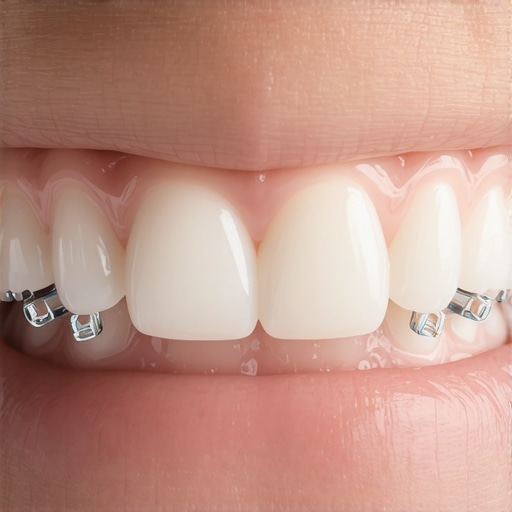
Ever had that sinking feeling when you glance in the mirror and notice an Invisalign attachment has popped off again, especially on those tricky back molars? It’s frustrating, isn’t it? I remember the first time I experienced it—thinking I was doing everything right, but suddenly, my aligner felt loose, and my smile looked different. That lightbulb moment made me realize how common and perplexing this issue truly is among Invisalign users.
Understanding Why Attachments Fall Off Your Back Teeth
Invisalign attachments are tiny tooth-colored bumps that help orthodontists steer your teeth with precision. But because back teeth endure a lot—chewing, grinding, and sometimes even harsh brushing—they’re more prone to losing these attachments. The root cause often lies in not just the daily wear but in the way these attachments are bonded and how they interact with your bite and habits. Early on in my treatment, I made the mistake of assuming that all attachments would stay put forever; instead, the reality is that they require careful attention, just like any other part of your dental health. From using a hard-bristled toothbrush to biting into hard foods, every little mistake can cause an attachment to loosen or fall.
If you’re tired of dealing with the hassle and wondering whether this is something you just have to accept, you’re not alone. Trust me, there’s a way to reduce these mishaps and keep your aligners fitting snugly. The secret is understanding the why behind these detachments and learning simple, effective strategies to prevent them. Want to know the key tips to keep your attachments intact? Keep reading, because I’ll share everything I learned from my own experience and professional advice.
Is It Worth Fixing When Attachments Fall Off?
This is a common concern. Many people worry that if an attachment falls off, they’ve wasted time and money. I made that mistake early in my journey—thinking one missing attachment was harmless. But ignoring the problem can lead to extended treatment times and uneven results. According to dental professionals, ensuring attachments stay in place is crucial for achieving that perfect, straight smile. If you’ve faced this problem, don’t hesitate to reach out to your orthodontist promptly and explore options to re-bond or replace the attachment.
So, what’s the real reason these attachments keep falling off? The answer lies in a combination of factors—from bonding technique to everyday habits. But don’t worry—once you understand the underlying causes, you can take steps to minimiz your chances of losing attachments and get closer to that flawless smile. Now, let’s dive into practical tips and tricks to keep your Invisalign attachments firmly in place and make your treatment smoother and more effective.
,
Secure Your Attachments with Proper Oral Hygiene
Start by maintaining meticulous oral hygiene. Use a soft-bristled toothbrush and gentle brushing techniques to avoid dislodging attachments. I once struggled with stubborn attachments until I switched to a brush designed for orthodontic cleaning, which made a noticeable difference. Additionally, floss carefully around your attachments using floss threaders to prevent buildup that can weaken the bonding. Regular cleaning ensures the bond stays strong, minimizing the risk of detachment.
Be Mindful of Your Eating Habits
Hard, sticky, or chewy foods can exert excessive force on your back teeth, causing attachments to loosen. I learned this the hard way after biting into a crunchy apple and noticing my attachment was loose afterward. To prevent this, cut such foods into smaller pieces and avoid biting into tough foods with your molars directly. Softer foods reduce pressure on your attachments and help maintain their integrity throughout your treatment.
Use an Appropriate Bite Technique
Properly aligning your bite can significantly reduce attachment stress. When biting, try to distribute pressure evenly across both arches, avoiding heavy chewing on one side. During my treatment, I consciously altered my chewing pattern, which I practiced in front of a mirror. It felt strange initially but paid off by protecting my attachments. Invisalign’s proprietary techniques or consulting your orthodontist for personalized bite adjustments can further help prevent detachment.
Schedule Regular Check-Ups and Address Issues Promptly
Routine visits are vital. During appointments, your orthodontist can assess attachment bonds and re-bond any that are loose before they fall off completely. When I noticed my attachment was wiggly, I contacted my dentist immediately, which prevented further problems. Don’t wait until your next visit—if you detect any loosening, reach out through [contact us](https://smilegumcare.com/contact-us) to schedule a quick check.
Protect Your Mouth During Daily Activities
Avoid habits like biting your nails, chewing on pens, or using your teeth as tools. Such habits can damage attachments or the bond. I caught myself biting a pen cap once, which led to a loose attachment. Conscious awareness and replacing these habits can preserve your attachments’ integrity.
Consider Custom Night Guards If Necessary
Nighttime grinding can exert undue stress on your molars and attachments. If you or your partner notice grinding sounds, discuss with your orthodontist about fitting a custom night guard. Protecting your teeth during sleep reduces attachment looseness and preserves your overall treatment progress. Learn more about options [here](https://smilegumcare.com/invisalign-secrets-achieving-a-perfect-smile-discreetly) to optimize your Invisalign experience.
Stay Informed and Communicate
Educate yourself about the common causes of attachment loss. Regularly check your teeth for any signs of loosening or debris accumulation. Staying proactive and maintaining open communication with your orthodontist can save you time and prevent setbacks. Remember, proper care today leads to a straighter, healthier smile tomorrow.
Many patients approach cosmetic and restorative dental procedures with misconceptions that can hinder their outcomes. While superficial treatments like teeth whitening and veneers are popular, understanding the nuances is key to making informed decisions. A common myth is that teeth whitening offers permanent results; in reality, most whitening effects gradually fade due to lifestyle factors like diet and oral hygiene. Likewise, some believe veneers are a permanent fix, but without proper maintenance or if misaligned expectations exist, replacements may be needed sooner than anticipated. Regarding Invisalign, there’s a misconception that it’s only for minor corrections—advanced cases can also benefit from this discreet option, provided proper care is taken.
One hidden nuance extensively overlooked is the importance of individualized treatment planning. For instance, while family dentistry often focuses on routine check-ups, integrating aesthetic assessments can prevent future issues and optimize overall oral health. Overlooking potential contraindications, such as existing restorations or bone conditions, is a trap many fall into, leading to compromised results or unnecessary procedures. Moreover, many underestimate the complexity behind simple cosmetic procedures; they aren’t just about appearances but also about maintaining functional harmony within your bite and jaw health.
**Why do so many patients misjudge the longevity of cosmetic dental work?** Because they focus solely on the immediate visual outcome, ignoring maintenance requirements and underlying dental health. For example, dental veneers, although durable, can chip or stain if not properly cared for, and applying excessive force through habits like nail-biting or bruxism can accelerate wear. Recent studies, such as one featured in the Journal of Esthetic and Restorative Dentistry, show that a comprehensive approach combining cosmetic and functional considerations leads to higher satisfaction and longevity of treatments.
Another advanced mistake is neglecting the evolving technology in dentistry. Digital Smile Design, for instance, allows for precise visualization before treatment begins, ensuring expectations align with realistic outcomes. Ignoring these innovations can leave patients disappointed or lead to corrective procedures that could have been avoided with better planning. Whether considering Invisalign or veneers, consulting with a provider well-versed in the latest techniques can significantly improve results.
Finally, be wary of the ‘quick fix’ mentality prevalent today. Effective dental transformation requires time, patience, and professional expertise. Rushing into treatments without understanding the full scope can cause adverse effects or the need for revisions. If you’re contemplating cosmetic or restorative procedures, always ask your dentist about the long-term implications and maintenance strategies.
Have you ever fallen into this trap? Let me know in the comments. For tailored advice or to start your journey toward a healthier, more radiant smile, reach out through our contact page.
How do I maintain my treatment results over time?
Achieving your desired smile is just the beginning; maintaining it requires the right tools and techniques. Personally, I rely on a combination of advanced equipment and software that ensures my dental health stays in top shape long-term. One essential tool I swear by is the ultrasonic electric toothbrush, such as the Philips Sonicare DiamondClean. Its sonic technology provides superior plaque removal and is gentle on sensitive attachments, making it ideal for those with Invisalign or veneers. I’ve noticed a significant difference in how my teeth stay cleaner and healthier since integrating this device into my daily routine.
Equally important is using high-quality dental floss like the Waterpik Water Flosser with orthodontic tips. This device effectively cleans around braces, veneers, and implants, reaching areas that traditional floss might miss. I’ve found that investing in a water flosser not only improves my gum health but also prevents the buildup of plaque that can jeopardize long-term results.
For monitoring and tracking my progress, I utilize professional-grade dental apps such as Toothpic, which allows me to take high-resolution photos of my teeth regularly and share them with my dentist for remote assessments. This proactive approach helps catch any issues early, before they become costly or compromise my results.
Looking ahead, I predict that wearable dental sensors will become mainstream. These devices could constantly monitor pH levels, temperature, and bacteria in your mouth, providing real-time feedback and personalized advice. Major dental manufacturers are already exploring this technology, signaling a future where maintenance becomes more integrated and effortless.
Why regular maintenance tools make a real difference
Using the right equipment isn’t just about cleanliness; it’s about prolonging the lifespan of your smile. Equipment like ultrasonic toothbrushes and water flossers help prevent staining, decay, and gum disease—all of which can undo months of aesthetic work. For instance, if you’re consideringveneers, maintaining their pristine appearance is crucial, and the proper tools play a vital role.
Regularly updating your oral hygiene arsenal and staying informed about new innovations can drastically improve your long-term results. For example, a recent study emphasizes the importance of personalized dental maintenance plans—highlighting that technology will increasingly support tailored care routines. I encourage you to experiment with one of my recommended tools, like the water flosser, and see immediate benefits in your daily routine.
Keep in mind that maintenance is an ongoing process. Scheduling periodic professional cleanings and checkups ensures your smile remains radiant for years to come. For expert guidance on choosing the best tools for your specific needs, don’t hesitate to contact us. Embrace these advanced tools today and take your smile’s longevity to the next level!
What I Wish I Knew Before Losing Attachments During Treatment
- One lesson I learned the hard way was that not all bonding techniques are created equal; choosing an experienced orthodontist can make a significant difference in attachment durability.
- Even minor habits like biting your nails or chewing on pens can unexpectedly weaken or dislodge attachments, so conscious awareness is key.
- Knowing that proper oral hygiene, cautious eating, and correct bite techniques can extend the life of your attachments transformed my treatment experience.
- Understanding that attachments are designed to help, but they require ongoing care and vigilance, helped me stay proactive throughout my Invisalign journey.
- When in doubt, consulting your orthodontist promptly can prevent small issues from turning into major setbacks, ensuring a smoother path to your beautiful smile.
My Toolkit for a Healthy, Confident Smile
Personally, I rely on tools like the Philips Sonicare DiamondClean electric toothbrush for gentle yet effective cleaning, which is crucial when wearing Invisalign or veneers. I also use Waterpik Water Flossers to reach tricky areas around attachments and prevent plaque buildup. For tracking my progress, high-resolution dental apps like Toothpic have become invaluable, allowing me to catch potential problems early. These tools have consistently helped me maintain my treatment results and keep my mouth healthy. If you’re interested in optimizing your dental care routine, I recommend exploring these options—trust me, they’re worth the investment and can make a real difference in your journey toward a radiant smile.
Believe in Your Smile — Anything Is Possible
Embarking on a smile transformation with Invisalign and veneers is an investment in your confidence and happiness. Remember, the path may have challenges like lost attachments or sensitivity, but each step is progress toward your ideal smile. Don’t let small setbacks define your journey; instead, view them as opportunities to learn and refine your care routine. You have the power to take control of your dental health today—start by staying informed, using the right tools, and communicating openly with your dental team. Your future smile is waiting—embrace the process and celebrate every victory along the way. Are you ready to take the next step toward your best smile? Let me know below whether you’re considering Invisalign, veneers, or another smile-enhancing option, and share your thoughts or questions.