
Why your veneers look different under office fluorescent lights
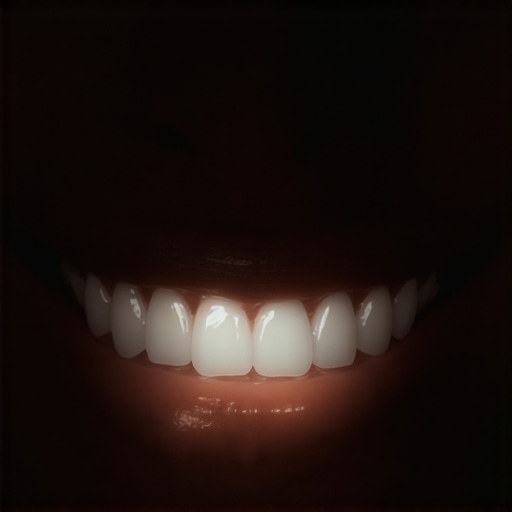
I remember the moment vividly. I was sitting in my dentist’s chair, admiring my smile after getting veneers. But then, as I shifted under the harsh glow of the fluorescent lighting in the office, I noticed something unsettling—my veneers looked dull, oddly translucent, and nowhere near as perfect as they did in the bright, natural sunlight. It was a real wake-up call. Why did my teeth look so different in this unflattering light? And more importantly, what can I do about it? If you’ve ever felt the same way, you’re not alone. Many people are surprised to discover that the lighting in dental offices can distort how their veneers, crowns, or whitened teeth appear, leading to unnecessary worry or even doubts about their choices.
Why Your Veneers Look Different Under Office Fluorescent Lights
Bright Lights Can Play Tricks on Your Smile
Office lighting, especially fluorescent bulbs, tend to emit a cooler, bluish hue that can affect how your teeth appear to the eye. This type of lighting often emphasizes translucency and can make darker shades look more prominent. It’s like trying to judge a painting’s true colors under neon lights versus daylight—it’s just not the same. I learned early on that the lighting can exaggerate imperfections or give a false impression of the color match. That’s why your veneers might seem different in the office than they do when you’re out in the daylight or in the cozy glow of your home.
Moreover, many dentists and cosmetic professionals understand this phenomenon. In fact, it’s a common reason why some patients are surprised when their new smile looks different outside the clinic. The key is understanding how lighting impacts perception and knowing what to expect. To get a clear idea of how your veneers really look, it’s helpful to view them in natural light or with different lighting conditions—an essential step I overlooked early in my journey. If you’re curious about the latest innovations in smile enhancement, you might want to check out Invisalign’s new advancements.
But this lighting effect isn’t just a minor detail. It can influence how satisfied you are with your cosmetic results and may even impact decisions about touch-ups or further treatments. Recognizing that lighting plays a significant role helps set realistic expectations and guides you toward better post-treatment evaluations.
So, if you have recently invested in veneers or whitening treatments and are puzzled by this discrepancy, don’t worry. There’s a lot you can do to get a more accurate understanding of your smile’s true appearance. And that’s exactly what we’ll explore next—practical tips to see your smile for what it really is, no matter the light. Have you ever noticed how your smile changes in different lighting? It’s a common experience, and understanding it can help you feel more confident in your choices.
The next step is to learn how to assess your smile properly and avoid unnecessary worries based on misleading lighting conditions. Let’s dive into some straightforward ways to ensure your smile looks its best—under any light.
Test Your Smile in Natural Light to See True Colors
Once you’ve had veneers or whitening treatments, avoid judging their appearance solely under clinic or fluorescent lights. Instead, step outside or near a window to observe your smile in natural sunlight. I remember testing my veneers during a walk in the park; the natural light revealed subtle shades and translucency that indoor lighting masked. This step helps you identify if your teeth truly match your expectations or if further adjustments are needed.
Use Multiple Lighting Conditions for Better Perspective
Simulate Daylight and Indoor Settings
Switch between different environments: bright daylight, shade, warm indoor lighting, and even darker rooms. This approach ensures you’re not relying on a single, possibly misleading, perspective. For example, I compared my smile in my bathroom mirror under warm bulbs and outdoors in the shade, noticing color variations. Recognizing these differences prevents unnecessary worries about minor color mismatches.
Invest in a Color Shade Guide for Objectivity
Use a standardized teeth shade guide, like the Vita scale, to compare your teeth in various lighting. Hold the guide side-by-side with your smile to gauge the actual shade accurately, rather than relying solely on memory or visual guesswork. I bought a shade guide from my dentist, which became my reference tool whenever I felt unsure about my results, leading to more confidence in assessing my smile.
Take Photos for Long-Term Comparison
Capture high-resolution photos of your smile in different lighting conditions. Later, compare these images to see if any color shifts or translucency issues emerge. I found this particularly useful when I noticed my veneers appeared slightly dull after a few months. Photos provided clear evidence if I needed to consult my dentist for corrections or touch-ups.
Maintain Consistency in Lighting for Follow-Up Checks
When scheduling follow-up evaluations with your dentist, ask to examine your teeth in the same lighting conditions you used at home. Consistency ensures accurate assessments and prevents overreaction to lighting differences. During my visit, I requested my dentist to check my veneers under both natural and clinic lighting, which helped confirm the true state of my smile.
Consider Professional Lighting for Precise Evaluation
Some dental offices now use specialized lighting designed for color matching, but for at-home assessments, investing in daylight bulbs or light simulators can help. I experimented with a daylight-replica bulb in my bathroom, which brought clarity to my evaluations. This controlled environment minimizes lighting discrepancies and gives you peace of mind about your cosmetic results.
Stay Mindful of Translucency and Transitions
Pay attention to how light passes through or reflects off your veneers. Natural light tends to reveal translucency and surface texture more accurately than artificial lighting. During my tests, I noticed that some veneers looked perfect indoors but appeared translucent and uneven outdoors. Understanding these nuances helps you communicate better with your dental professional about the results you desire.
Many patients believe that cosmetic dental treatments like veneers, Invisalign, and teeth whitening are simple fixes that deliver instant perfection. However, a common misconception is that these options are foolproof or universally suitable. In reality, the nuances of each procedure mean that what works beautifully for one person might not be ideal for another. For instance, many assume that veneers can correct all aesthetic concerns without considering the importance of proper preparation or understanding the limitations in terms of translucency and surface texture. Overestimating the durability of over-the-counter whitening products, or neglecting the importance of ongoing maintenance, often leads to disappointment. Additionally, some patients underestimate the role of comprehensive family dentistry, mistakenly thinking it’s only about routine cleanings rather than the foundation for long-term oral health and early detection of issues.
One critical mistake I observe is assuming that a quick cosmetic fix replaces the need for personalized treatment planning. For example, while Invisalign is celebrated for discreet alignment, many overlook the specific case complexities that could impact treatment duration or result quality. You can learn about the latest innovations in Invisalign, like Invisalign’s upcoming advancements, which highlight how nuanced treatment can be.
Another common myth is that teeth whitening is permanent. The truth is, surface bleaching mainly offers only temporary results, especially if lifestyle habits like smoking or coffee consumption persist. Many don’t realize that maintaining whiteness requires ongoing diligence and sometimes professional touch-ups, as discussed in top teeth whitening strategies. Overlooking these details can lead to regrets or unnecessary re-treatments.
The critical advanced insight many miss involves the biological and structural nuances of dental restorations. For example, improper shaping or selecting an unsuitable material for veneers can result in translucency issues or surface staining down the line. Using surface glossing techniques or correct material selection can significantly impact the lifespan and aesthetic harmony of your restorations.
An overlooked yet vital aspect is the importance of early intervention in family dentistry. Many patients see this as just routine maintenance but fail to recognize how regular check-ups can detect early signs of decay or misalignment, saving money and discomfort later. For a comprehensive guide, see building healthy smiles for every generation.
**Why do so many misconceptions persist?** It often comes down to a lack of personalized consultation and an overreliance on generic information sources. Plus, the allure of quick fixes can make people overlook the importance of tailored treatment plans designed to suit their unique dental anatomy and health goals.
**Here’s a warning to keep in mind:** never underestimate the importance of understanding the limitations and maintenance requirements of your chosen dental treatment. A well-informed patient is more likely to enjoy sustainable results.
Have you ever fallen into this trap? Let me know in the comments.
Keeping Your Smile in Top Shape: Essential Tools and Strategies
Maintaining your dental investments like veneers, Invisalign, or whitening treatments requires the right tools and consistent habits. I personally rely on a few specialized devices and routines that ensure my smile stays radiant over time. First, I use a high-quality electric toothbrush, like the Oral-B Genius series, because its oscillating brush head effectively removes plaque without damaging delicate restorations. Its built-in timers and pressure sensors remind me to brush properly and avoid applying too much force, which can lead to gum recession or surface wear.
For interdental cleaning, I prefer water flossers like the Waterpik Aquarius, as they gently dislodge debris and plaque between teeth, especially around veneers where traditional floss might be tricky to maneuver. These devices also help reduce gum inflammation, contributing to your overall oral health.
Staying on top of whitening results is facilitated by LED whitening kits designed for at-home use, such as those by AuraGlow. I recommend these because they provide professional-grade light activation in a controlled environment, helping to prolong the brightness achieved through professional whitening sessions. Remember, consistency is key—using the kit once or twice a week can help maintain your smile without overexposure to whitening agents, which could compromise restorations.
When it comes to tracking your long-term results, I keep a digital photo diary. Regularly updating photos in natural light helps identify subtle changes early, like surface staining or slight translucency shifts, allowing prompt action. For example, if you notice your veneers are starting to dull, a quick visit to your dental professional for polishing or touch-up can preserve their appearance.
Looking ahead, the future of dental maintenance is promising with smart devices. Emerging systems integrate AI-guided brushing feedback and app-based monitoring to personalize your oral care routine further. It’s thrilling to foresee how these innovations will make keeping your smile working a seamless part of daily life, reducing reliance on guesswork and ensuring longevity.
How do I maintain my dental restorations over time?
To keep your veneers, Invisalign aligners, and whitening treatments performing well, focus on routine care with quality tools. Along with brushing and flossing with devices like electric toothbrushes and water flossers, schedule regular dental checkups. These visits allow your dentist to professionally clean your restorations and assess their condition, ensuring early detection of issues such as staining, surface wear, or minor cracks. For example, my dentist recommends professional polishing every six months, which helps maintain the smooth surface that resists plaque buildup and keeps your smile looking its best. Further, avoid habits like biting on hard foods or using teeth as tools, as these can cause damage or de-bonding of veneers.
In the context of Invisalign, proper wear and annual evaluations are crucial. The design of future aligner technology, as detailed in latest Invisalign advances, suggests that future iterations will include more durable, stain-resistant materials that last longer and require less maintenance. Adopting new tools and techniques as they become available ensures your smile remains flawless with minimal effort.
Lastly, maintaining your whitening results involves routine care—using gentle, non-abrasive toothpaste and avoiding stain-causing foods and drinks. Incorporating these habits and using recommended tools will extend the life of your cosmetic work, saving you time and money down the road. If you’re ready to elevate your routine, I recommend trying out a professional-grade LED whitening kit paired with a good electric toothbrush to get started. For more detailed guidance on implementing these tools, check out top teeth whitening strategies.
The Hidden Lessons From My Smile Journey
- Never assume the lighting in the dentist’s office shows your smile’s real colors; daylight reveals the truth.
- Understand that translucent veneers can appear different under various lighting, shaping your expectations and satisfaction.
- Invest in tools like shade guides and take photos to track your smile’s progress, empowering you to communicate effectively with your dentist.
- Early intervention and consistent home care are your allies in maintaining a radiant, healthy smile over time.
- Personalized treatment plans far outshine generic advice—trust your dental team to guide you every step of the way.
My Favorite Tools for a Lasting Smile
- Electric toothbrushes like Oral-B Genius because they gently yet effectively keep restorations plaque-free.
- Water flossers such as Waterpik Aquarius to reach tricky areas around veneers and prevent gum issues.
- At-home LED whitening kits from brands like AuraGlow to sustain your whitening results with ease.
- Regular professional checkups for early detection of wear or staining, ensuring your investment lasts.
Your Next Chapter Starts Now
Transforming your smile with veneers, Invisalign, or teeth whitening is a journey—one that’s worth starting today. By understanding lighting effects and arming yourself with the right tools, you’re setting the stage for a confident, radiant smile that truly reflects your inner brilliance. Remember, every expert was once a beginner; your commitment to informed decisions will make all the difference. Ready to take the first step towards a smile that shines in every light? Your future self will thank you for it.
Have you ever noticed how your smile looks different under various lights? Share your experiences below, and let’s compare notes on achieving that perfect, natural glow!
,