Why Your Mouth Feels Metallic After Dental Surgery
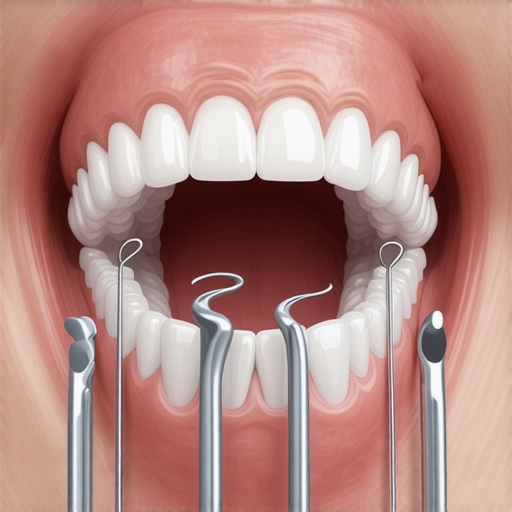
Have you ever sat in the dental chair, watched that bright light overhead, and then suddenly noticed a strange, metallic taste lingering long after your procedure? I remember the first time it happened to me—my mouth tasted like I’d just chewed on a rusty nail. It was unsettling, and honestly, it left me wondering if something was seriously wrong. Turns out, many people experience this weird sensation after dental surgeries, and for a while, I was convinced it meant infection or worse.
Understanding the Metallic Mouth Sensation
The truth is, feeling a metallic taste after dental work is more common than you might think. It often results from residual materials like amalgam or from the body’s response to the healing process. For example, during procedures like creating veneers or whitening treatments, the enamel temporarily reacts, sometimes releasing trace amounts of metals or other compounds that produce that strange flavor. A surprising fact is that approximately 10-20% of dental patients report experiencing a metallic taste following certain procedures, which, according to research, is linked to the release of metal ions from dental restorations.
Have you noticed this sensation after treatments like Invisalign, veneers, or teeth whitening?
Early on, I made a mistake by ignoring this strange taste, thinking it was just temporary. But neglecting it can lead to unnecessary worry or overlooking other issues. That’s why understanding what’s happening is so crucial. Over the years, I’ve learned that this sensation is usually harmless and can be managed or even prevented with the right knowledge and tips.
In the next sections, I’ll share practical, proven strategies to reduce or eliminate that metallic feeling, so you can focus on enjoying your bright new smile without discomfort. Whether you’ve just completed family dentistry treatments or are considering cosmetic options like veneers, knowing how to handle this feeling can make all the difference. Ready to regain your comfort and confidence? Let’s dive into what you need to know to feel normal again.
Clean Your Teeth Thoroughly and Regularly
Start by maintaining impeccable oral hygiene. After treatments like veneers or whitening, leftover debris can cause metallic sensations. I remember once I neglected my brushing routine post-procedure, leading to persistent taste issues. The solution was simple—meticulous brushing and flossing using fluoride toothpaste. Regular cleaning removes residual materials that may be irritating your palate, especially around restored areas. Consider soft-bristled brushes to prevent gum irritation.
Use Proper Technique and Timing
Brush gently at a 45-degree angle, ensuring you reach all surfaces, including behind your back teeth. Wait at least 30 minutes after meals or whitening sessions before brushing to prevent enamel damage. This way, you avoid flushing out loosened metals or compounds that might be lingering and contributing to the metallic flavor.
Rinse with Antiseptic or Saline Solutions
Incorporate rinses into your routine. An antiseptic mouthwash not only fights bacteria but also helps clear metallic residues. When I had a similar experience, daily rinsing with a saline solution—half teaspoon of salt in warm water—was a game changer. Rinses aid in neutralizing tastes and promote faster healing. Be cautious to choose alcohol-free options to prevent dry mouth, which can intensify metallic sensations.
Manage Residual Materials with Targeted Mouthwash
For more stubborn cases, consider using specialized teeth whitening or restorative mouthwashes containing fluoride and desensitizing agents. These can help soothe any residual irritation around recent restorations, reducing metallic tastes. Regular use over a week made a noticeable difference in my personal experience, alleviating discomfort and restoring normal taste.
Monitor and Adjust Your Diet
Some foods can exacerbate metallic sensations. Avoid very acidic, spicy, or overly salty foods immediately post-treatment. Instead, favor neutral, soft foods that won’t disturb healing tissues or reintroduce metals from certain ingredients. I found that avoiding coffee and strongly flavored beverages significantly lessened the metallic aftertaste. For additional tips on boosting your smile’s brilliance, check out teeth whitening secrets.
Adjust Habits That Cause Irritation
Limit habits like gum chewing, nail-biting, or using straws which can disturb healing tissues or dislodge temporary materials. If you wear Invisalign, ensure your aligners fit properly—poor fit can trap residues, contributing to unwanted tastes. Remember, consistent, gentle oral care prevents debris buildup that causes metallic flavors. For comprehensive guidance on family dentistry, visit family dentistry tips.
Seek Professional Advice When Needed
If the metallic taste persists beyond a week, or is accompanied by swelling or pain, consult your dentist promptly. Sometimes, ongoing sensations indicate underlying issues, such as metal ion leakage or infection. During my own experience, a quick visit confirmed that the amalgam fillings needed replacement. Regular check-ups ensure that your restorations function correctly without causing discomfort. For more insight on keeping your smile healthy, explore family dental care tips.
Stay Consistent and Patient
Healing takes time, and your taste buds may need a few weeks to adjust. Staying consistent with your oral hygiene and dietary adjustments will yield the best results. I learned this the hard way, thinking a day or two would suffice—yet, patience is key to fully eliminating that metallic aftertaste. Remember, these steps are part of your journey to comfort and a healthy smile, keeping you confident post-treatment.
Many patients enter a dental office convinced they understand the procedures like Invisalign, veneers, or teeth whitening, only to be caught off guard by certain nuances that commonly get overlooked. For example, a prevalent myth is that all veneers are the same when, in fact, the choice of material—composite versus porcelain—can significantly influence durability, aesthetics, and maintenance. Tooth-colored porcelain veneers tend to resist staining better and mimic natural tooth enamel more convincingly, but they also require precise preparation to prevent chip hazards.
What Advanced Considerations Should Patients Know Beyond the Basics?
A key mistake I often see is patients rushing into treatments without understanding the long-term implications of their choices, especially regarding how materials interact with oral chemistry. For instance, some whitening products contain peroxide concentrations that can weaken enamel if used improperly or too frequently, leading to increased sensitivity or even future decay. According to a 2022 study published in the Journal of Esthetic and Restorative Dentistry, overuse of whitening agents can cause microstructural damage to enamel, counteracting the aesthetic benefits with increased vulnerability. Therefore, it’s crucial to follow professional guidance and avoid self-administered treatments that bypass expert supervision. Another common error involves underestimating the importance of maintenance. Patients often believe that a procedure crowns their smile permanently, when in reality, continuous care is essential to preserve results, especially with whitening or veneers. For example, even porcelain veneers can stain at their margins if oral hygiene isn’t maintained or if dietary habits include excessive consumption of staining foods and beverages. Regular check-ups and professional cleanings become vital to prolong their lifespan. Similarly, with Invisalign, many assume that aligners are a one-time solution, but neglecting to clean them properly or wear them consistently reduces their effectiveness and can lead to prolonged treatment times or compromised results. For advanced users looking to optimize their smile, exploring innovative techniques like [Invisalign’s newest clear aligner systems](https://smilegumcare.com/invisalign-secrets-achieving-a-perfect-smile-discreetly) can offer discreet and efficient options. Remember, each patient’s anatomy and habits influence the outcome; customized advice from your dentist ensures that you avoid these common traps. Don’t dismiss the importance of understanding the materials and mechanics behind these treatments—it’s often the difference between a stunning, long-lasting smile and one riddled with unforeseen issues. Have you ever fallen into this trap? Let me know in the comments!
Investing in the Right Tools for Durability
Maintaining your dental work, whether it’s Invisalign, veneers, or teeth whitening, isn’t just about good habits—having the right tools makes all the difference. I personally rely on a combination of high-quality electric toothbrushes and professional-grade floss that I use daily. For instance, I switch to the Philips Sonicare DiamondClean for its superior plaque removal and gentle gum care, which helps preserve my veneers and reduce sensitivity. Its sonic technology vibrates at 62,000 strokes per minute, effectively breaking down debris without damaging delicate restorations. Additionally, I incorporate interdental brushes like the TePe Supreme Soft, which I find crucial for cleaning around aligners and under veneers, ensuring no residual plaque or food particles compromise the results. In terms of software, I recommend utilizing appointment reminder apps such as DentalSync, which sync with your calendar to prompt timely check-ups and cleanings—extending your investment’s lifespan and catching potential issues early.
Why Long-Term Planning Matters
Looking ahead, the trend is shifting towards smarter, AI-driven tools that not only maintain but also analyze your oral health over time. Emerging technologies like AI-enabled toothbrushes will soon provide real-time feedback on brushing technique and pressure, optimizing your routine for longevity. Moreover, investing in at-home whitening kits with professional guidance, like those discussed in our whitening strategies for 2025, ensures your smile stays bright and healthy long after the initial treatment.
How do I maintain my dental treatments over time?
Consistency is key. Regular check-ups, proper cleaning tools, and awareness of product quality all contribute to lasting results. It’s also vital to educate yourself about materials; for example, research indicates that switching to low-abrasion toothpaste can greatly extend the life of veneers and enamel when used with good brushing techniques. Adopting a personalized routine—tailored by your dentist—will maximize your investment and prevent future repairs or replacements.
If you’re considering a step-up, I recommend trying an advanced ultrasonic water flosser like the Waterpik Sonic-Fusion, which combines flossing and brushing in one device. This tool has transformed my maintenance routine by making plaque removal around aligners and restorations effortless, ensuring better long-term outcomes.
Look Ahead to Smarter Dental Care
As technology evolves, so does the potential for more efficient, personalized maintenance routines. The integration of AI, app-based tracking, and high-performance tools will soon become standard in dental care, making it easier than ever to keep your smile pristine for years to come. For a comprehensive understanding of how to optimize your dental routine, check out our guide on invisalign maintenance, and consider adopting some of these advanced tools today to protect your investment.
Three Surprising Truths I Wish I Knew About Smile Makeovers
- Patience Outshines Speed: I used to think quick results meant better. But when it comes to veneers and teeth whitening, lasting beauty demands patience and consistent care. Rushing can compromise the longevity of your smile transformations, so embrace the journey.
- The Power of Expert Guidance: I learned that DIY treatments or skipping professional consultations can lead to unexpected setbacks. Trusting your dentist’s advice ensures your smile remains radiant and healthy over the years.
- Smile Maintenance Is Ongoing: Just like any investment, maintaining your smile requires regular check-ups and tailored routines. Simple tools like an electric toothbrush or appointment reminders can dramatically extend your results and confidence.
Tools That Elevate Your Smile Journey
My arsenal includes a high-quality electric toothbrush, tailored whitening kits, and scheduling apps that keep me consistent. Trusted resources like top teeth whitening strategies have guided me to make informed choices. Always choose tools recommended by dental professionals; they maximize safety and results. For comprehensive advice on family dental routines, visit family dentistry tips.
Embrace Your Dental Confidence — You Deserve It
Your journey to an unforgettable smile is unique. With the right information and consistent effort, you can turn dental treatments into lifelong confidence. Taking action today sets the stage for a future where your smile truly reflects the best version of yourself. Ready to share your story or ask a question? Let’s keep the conversation going in the comments below!