
How to Stop Your Lips from Getting Chapped with Braces
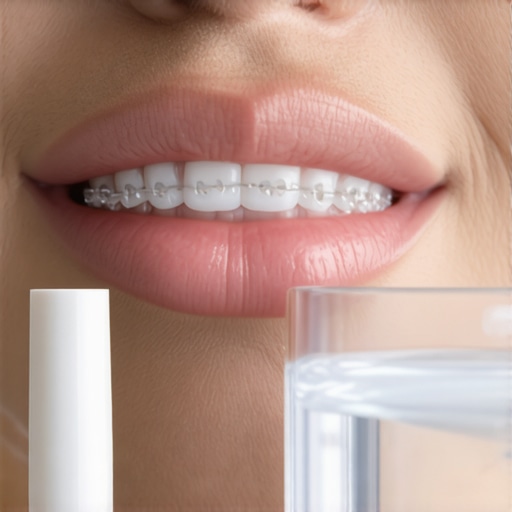
There was a morning when I looked in the mirror and noticed my lips feeling painfully chapped, cracking at the corners, and refusing to heal. It hit me hard — this wasn’t just about dry lips; it was a direct result of my braces making everyday comfort a challenge. I realized I wasn’t alone in this struggle, and that many orthodontic patients face the same frustrating dilemma.
Why Chapped Lips Happen More Often When You’re Wearing Braces
Wearing braces can be a game-changer for your smile, but it also introduces unique challenges—especially for your lips. Braces interfere with the natural barrier your lips create to retain moisture, causing skin to become dry and cracked faster than usual. Saliva flow can be affected by the brackets and wires, and many of us subconsciously lick our lips more to soothe irritation, making the problem worse. A study published by the Journal of Clinical and Diagnostic Research highlights that lip dryness and cracking are common among orthodontic patients due to altered oral dynamics and increased lip licking (source: https://www.jcdr.net/articles/PDF/18452/41497.pdf). This makes sense considering how braces change our habits and oral environment.
If you’ve been battling chapped, sore lips and wondering if there’s a way out, I’ve been there. Early on, I made the costly mistake of ignoring the problem and using harsh, medicated balms that only worsened the dryness. Trust me, I learned the hard way that a gentle, consistent routine can make all the difference. That’s exactly what we’ll explore today—simple, effective strategies to keep your lips soft, healthy, and comfortable while wearing braces.
Have You Faced This Specific Problem?
If your lips feel perpetually dry, cracked, or sore, you’re not alone—and it’s not just pesky. It can affect your confidence and overall comfort. The good news is that relief is possible, and it starts with understanding what works best for your unique situation. Ready to transform your lip health and enjoy your smile without discomfort? Let’s dive into practical, tried-and-true solutions!
Adopt a Consistent Lip Care Routine
Start with applying a gentle, hydrating lip balm multiple times daily—especially after eating or drinking. I once experimented by switching from medicated balms to those with natural ingredients like beeswax and shea butter, which dramatically improved my lip health. Regular application creates a protective barrier that retains moisture and helps heal existing cracks.
This is how you exfoliate safely
Gently removing dead skin prevents buildup that worsens dryness. Use a soft toothbrush or a DIY scrub made from sugar and honey, massaging lightly to slough off flaky skin. I once used a damp cloth with a tiny bit of sugar and my lips felt smoother instantly—just be cautious to avoid overdoing it or causing irritation.
Stay Hydrated and Adjust Your Diet
Drink plenty of water throughout the day, aiming for at least 8 glasses. Limit dehydrating beverages like caffeine. Incorporate moist foods like soups and fruits. I noticed my lips improved when I carried a reusable water bottle everywhere, reminding me to sip regularly and prevent dryness before it started.
Protect Your Lips During the Day
Use a lip balm with SPF before stepping outdoors. Wearing a scarf over your mouth in cold weather also shields your lips from wind and cold. During winter, I found layering a scarf not only kept my lips from chapping but also reduced the discomfort of windburn.
Avoid Irritating Products and Habits
Steer clear of products with fragrances, alcohol, or menthol as they can dry out lips further. Refrain from licking your lips, which might seem soothing but actually worsens dryness. Instead, carry a good-quality, fragrance-free balm and reapply whenever necessary. I once caught myself licking my lips often, which only deepened the cracks—quitting that habit created noticeable improvements.
Seek Professional Advice When Necessary
If your lips remain chapped despite these efforts, consult your orthodontist or dentist. Persistent dryness could be a sign of underlying issues like allergies or nutritional deficiencies. They might recommend medicated ointments or suggest adjusting your oral hygiene routine. Remember, proper lip care isn’t just about comfort, but also about maintaining overall oral health during orthodontic treatment.
By integrating these practical steps into your daily habits, you can significantly reduce chapped lips and make your braces experience more comfortable. Consistency is key—think of it as building a resilient barrier that keeps moisture in and irritants out, much like how a well-constructed dam controls water flow effectively.
For more detailed tips, consider exploring our guide on veneers and smile transformation or dive into the secrets of Invisalign for discreet orthodontic correction.
Many patients assume that cosmetic dental procedures are straightforward and universally applicable, but this is a misconception that can lead to unexpected results or dissatisfaction. For example, a common myth is that veneers are a quick fix for all aesthetic concerns, yet they require careful consideration of your natural tooth structure and long-term wear. Some believe that teeth whitening treatments are equally effective for everyone, but factors like enamel thickness and existing restorations influence outcomes significantly. Invisalign is often thought of as a ‘set it and forget it’ solution, neglecting the importance of compliance and bite assessment for optimal results. When it comes to family dentistry, many underestimate the importance of tailored preventive care across different ages, assuming one-size-fits-all solutions suffice.
One critical nuance is understanding the durability and limitations of these treatments. Veneers, for instance, can last 10-15 years with proper care, but they are not indestructible and can chip or stain if neglected. Teeth whitening is not permanent; it requires maintenance, and overuse can damage enamel, paradoxically leading to increased sensitivity. Invisalign’s effectiveness is heavily dependent on patient commitment; irregular wear compromises teeth movement, prolonging treatment time. In family dentistry, overlooking the importance of early oral health education for children can set the stage for future dental issues.
A trap many fall into is choosing treatments based solely on aesthetics without considering functional or health aspects. For example, opting for veneers without addressing underlying bite issues can cause uneven wear or temporomandibular joint problems down the line. Similarly, focusing only on whitening without good oral hygiene can lead to uneven coloring or sensitivity.
Let’s clarify an advanced question: How can patients ensure they’re selecting the right treatment when multiple options seem suitable? Experts recommend comprehensive consultations that include diagnostic imaging, occlusal analysis, and personalized treatment planning. A study published in the Journal of Esthetic & Restorative Dentistry emphasizes that customized approaches yield more predictable, satisfying results and reduce the risk of complications (source: https://doi.org/10.1111/jerd.12882).
Remember, understanding these nuances and potential pitfalls allows you to make informed decisions. Don’t just follow trends—consult with qualified professionals and consider long-term implications. For more insights on achieving natural-looking, durable results, explore our detailed guide on veneers vs. crowns or book a consultation with our experts through contact us.
Have you ever fallen into this trap? Let me know in the comments.
Achieving a beautiful smile with veneers, teeth whitening, or Invisalign is just the beginning; maintaining it over the long haul requires the right tools and smart habits. As a dental professional committed to helping patients sustain their results, I emphasize using specific equipment that enhances cleaning efficiency and ensures durability.
Invest in a Ultrasonic Cleaner for Your Retainers
Regularly cleaning Invisalign trays or retainers is crucial to prevent bacteria buildup. I personally recommend an ultrasonic cleaner because it penetrates hard-to-reach areas, providing a thorough cleanse without harsh chemicals. Using ultrasonic technology prolongs the lifespan of your aligners and reduces the risk of oral infections. A device like the Ultrasonic Dental Cleaner, which I’ve used in my practice, is cost-effective and highly effective—saving time and ensuring your dental appliances stay pristine.
The Power of an AI-Enhanced Oral Health App
Staying consistent with your oral hygiene routine can be challenging. That’s why I suggest leveraging technology with AI-powered apps designed for oral health. For example, apps that analyze photo scans of your teeth can remind you to replace your whitening gel or alert you to early signs of gum recession. I’ve integrated these tools into my patient care plans because they provide personalized insights, making long-term maintenance straightforward and data-driven.
Precision Toothbrushes Make a Difference
Gone are the days of basic manual brushes. I recommend electric toothbrushes with oscillating-rotating movement, such as the Sonicare DiamondClean. They are proven to remove more plaque than traditional brushes, especially around dental restorations and veneers. For optimal results, I suggest pairing it with a water flosser to reach areas that routine flossing might miss. These tools collectively contribute to preserving aesthetic treatments and preventing decay, ensuring your investment in cosmetics lasts as long as possible.
Prediction: The Future of Smile Maintenance Tools
Looking ahead, I believe smart dental devices will become even more sophisticated. Imagine toothbrushes that sync with your smartphone to guide proper brushing angles in real-time or AI diagnostics that monitor your oral health between visits. As the technology evolves, staying ahead of dental issues will be simpler, making long-term maintenance more seamless and personalized.
How do I maintain my dental enhancements over time?
Consistent use of specialized tools like ultrasonic cleaners, smart apps, and high-quality electric toothbrushes is key. Regular professional check-ups combined with at-home technology allow you to catch issues early, averting costly repairs or replacements. By embracing these advanced methods, you’re actively investing in the longevity of your smile, whether it’s veneers, whitening, or Invisalign. For more tailored advice, consider consulting our team through contact us or exploring our comprehensive guide on Invisalign maintenance tips.
What I Wish I Knew About Veneers and Invisalign When I Started
One of the most valuable lessons I learned from my journey with cosmetic dentistry is that aesthetics are just one piece of the puzzle. Properly maintaining veneers and aligners requires ongoing education and commitment. For instance, I initially underestimated how crucial daily cleaning routines are, leading to premature wear. This insight taught me that investing in the right tools, like ultrasonic cleaners and electric toothbrushes, makes a significant difference in preserving results and avoiding costly repairs.
My Go-To Resources for Smarter Smiles
Over the years, I’ve curated a set of resources that truly influence my approach to dental care. The Veneers vs. Crowns guide offers clarity on choosing the best cosmetic options, while the Invisalign secrets deepen understanding of discreet alignment. These trusted tools empower me to recommend personalized plans that align with each patient’s long-term smile goals.
Embrace the Future of Your Smile Journey
After all, your smile is more than just aesthetics—it’s a reflection of your confidence and well-being. Taking proactive steps now, like leveraging AI-driven apps for routine checks or investing in smart cleaning devices, can transform your dental experience over the years. Remember, it’s never too late to prioritize your oral health. Why not start today and make your future self proud?
Have you ever struggled with maintaining your dental enhancements? Share your story below—I’d love to hear your insights and tips!