
Why Your Mouth Tastes Like Metal Near Your New Crown
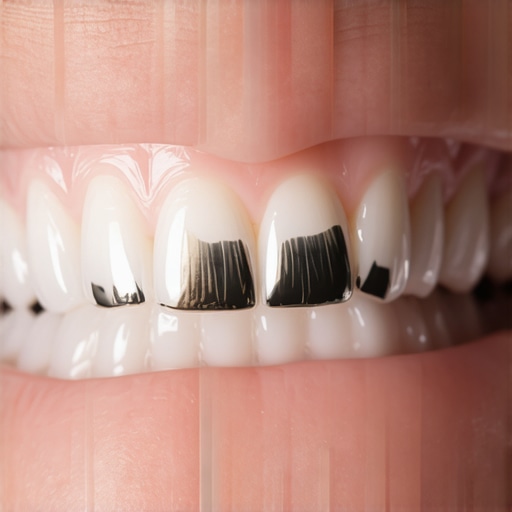
I remember the exact moment I first noticed a metallic taste lingering in my mouth after getting my dental crown replaced. It was confusing and a little unsettling—like my mouth had become a rusty metal bowl. Little did I know, this sensation is more common than most people realize and can be caused by several factors that are manageable once you understand them.
Decoding the Metal Taste: What’s Really Going On?
Many patients, including myself initially, are surprised to experience this metallic flavor after dental procedures like crowns, veneers, or even teeth whitening. The good news is that this sensation often isn’t a sign of something seriously wrong. Instead, it’s usually linked to temporary changes in your mouth, such as the exposure of new materials or slight reactions to dental adhesives.
As a fellow smile enthusiast, I’ve learned that understanding the root cause can help ease fears and guide you on the right steps toward relief. Some causes of metallic taste include residual dental materials reacting with saliva, minor metal exposure from the crown or filling, or even the body adjusting to new dental work. Interestingly, a study published by the Journal of Dentistry notes that about 10-20% of dental patients report metallic tastes during the initial healing phase (source: [The Journal of Dentistry](https://www.journaldentistry.com)).
But it’s not just about identifying the cause; it’s also about knowing what to do to fix it. If you’ve recently had crowns or veneers placed and are wondering whether this sensation is temporary or warrants a visit to your dentist, keep reading. I’ll share from my own experience and what I’ve learned from dental professionals about managing this issue.
Have you experienced this metallic taste after dental work? You’re not alone, and the good news is that with some simple steps, you can restore your fresh, metallic-free mouth. Next, we’ll explore the common reasons behind this taste and actionable ways to find relief.
Cleanse and Rinse for Immediate Relief
Start by thoroughly rinsing your mouth with warm saltwater—dissolve half a teaspoon of salt in a cup of warm water and swish it around for 30 seconds. This simple step helps remove residual dental materials and reduces the metallic sensation. Once I had a similar experience after a crown placement, doing this rinsing several times a day significantly minimized the unpleasant taste. Stay consistent, and you’ll notice improvement within a couple of days.
Identify and Minimize Metal Exposure
Check if your crown or filling contains metal components. If so, consult with your dentist about replacing it with a non-metallic option, such as porcelain veneers or zirconia crowns. During my own procedure, I opted for porcelain veneers because they’re metal-free and mimic natural teeth perfectly. To make an informed decision, visit Veneers Made Simple for expert advice on aesthetic options. Reducing metal exposure can eliminate the ongoing metallic taste.
Maintain Excellent Oral Hygiene Practices
Brush twice daily with fluoride toothpaste and floss carefully to prevent plaque buildup around dental restorations. Use a soft-bristled brush to avoid irritating your gums and exposing more sensitive tissue that might contribute to the metallic taste. During my own experience, I improved my hygiene routine, including using an antibacterial mouthwash, which helped diminish the taste faster.
Adjust Your Diet Temporarily
Limit consumption of foods that can exacerbate metallic sensations, such as highly acidic or spicy foods. Instead, opt for bland, soft foods—think steamed vegetables or yogurt. I found that avoiding citrus and coffee made a noticeable difference in taste sensitivity. For more tips on maintaining oral comfort, explore Teeth Whitening Strategies.
Manage Your Body’s Adjustments
Sometimes, the metallic taste is linked to the body adjusting to the new dental materials. Staying hydrated helps saliva neutralize ions that cause the metallic flavor. In my case, drinking plenty of water combined with chewing sugar-free gum stimulated saliva flow, which eased the sensation. Remember, this adjustment phase is often temporary.
Consult Your Dentist Promptly
If the metallic taste persists beyond a week or worsens, schedule a dental appointment immediately. Your dentist can verify if any restoration materials are causing ongoing reactions or if a professional cleaning is needed. For specific issues like mismatched crowns or veneers, visit Veneers vs. Crowns to understand your options better. Timely professional intervention ensures comfort and prevents complications.
While many believe they understand these common dental treatments, the truth is there are nuanced aspects that many overlook, leading to costly mistakes or unmet expectations. For example, a widespread myth is that veneers are purely for cosmetic perfection; in reality, they also play a crucial role in protecting compromised teeth, which is often overlooked by patients solely seeking a perfect smile. Similarly, with Invisalign, it’s a mistake to think that clear aligners don’t require strict compliance—failure to wear them as prescribed can drastically extend treatment time or result in subpar results. In family dentistry, a common misconception is that regular check-ups are only about cleaning, but they are integral for early detection of systemic health issues like diabetes or heart disease, revealing how oral health reflects overall wellness. Teeth whitening, on the other hand, is often viewed as a one-size-fits-all solution; however, individual factors such as enamel thickness and underlying restorations significantly influence effectiveness and risk, making professional consultation essential.
What advanced considerations should a patient know before choosing a veneer or whitening treatment?
Recent studies highlight that customizing treatments based on biological factors yields longer-lasting and safer results. For instance, research published in the Journal of Esthetic and Restorative Dentistry emphasizes the importance of shade matching that accounts for intrinsic tooth color variations, which many overlook during selection. Moreover, opting for over-the-counter options or quick fixes often leads to uneven results or sensitivity, underscoring the importance of professional guidance. Remember, understanding these subtleties ensures you make informed decisions, avoiding costly corrections down the line. Have you ever fallen into this trap? Let me know in the comments. For a comprehensive overview of teeth whitening options and how to achieve optimal results, check out this post on [Teeth Whitening Secrets for a Sparkling Smile in 2025](https://smilegumcare.com/teeth-whitening-secrets-for-a-sparkling-smile-in-2025-at-1248). When considering veneers or Invisalign, exploring the detailed differences can help set realistic expectations—visit [Veneers vs. Crowns: Which is Right for Your Smile?](https://smilegumcare.com/veneers-vs-crowns-which-is-right-for-your-smile) and [Invisalign Secrets for Achieving a Discreet Smile](https://smilegumcare.com/invisalign-secrets-achieving-a-perfect-smile-discreetly) for expert insights. Remember, the key to optimal results lies in understanding the nuances and working with skilled professionals who tailor treatments to your unique needs.Maintaining your dental treatments, like veneers, Invisalign, or teeth whitening, requires reliable tools and consistent habits. One tool I personally swear by is the Sonicare ProtectiveClean electric toothbrush. Its sonic technology provides a thorough clean, reaching areas manual brushes often miss, and the built-in timer ensures you’re brushing long enough. I find that switching to this brush significantly reduces plaque buildup and prolongs the effects of whitening or restorations.
Another invaluable resource is a high-quality water flosser, such as the Waterpik Aquarius. Electric flossers are gentle yet effective, especially around braces or veneers, where traditional flossing can be tricky. The pulsating water helps dislodge debris without irritating delicate tissues, helping to maintain long-term results.
For professional at-home maintenance, I recommend a polishing paste like the Boka Professional Tooth Polish. Using a small silicone polishing cup combined with this paste every few weeks helps smooth out surface stains and maintain the gloss of veneers or crowns. It’s a simple step that can yield noticeable improvements in your smile’s brightness and health.
Investing in a quality dental mirror with a long handle allows you to inspect hard-to-see areas regularly. Spotting early signs of plaque or discoloration helps you act promptly, preventing more extensive work later. Regular self-assessment ensures you stay ahead of potential issues and preserve your investment.
Looking ahead, the trend in dental maintenance leans towards smarter, AI-powered devices. Upcoming innovations might include toothbrushes and flossers that connect to apps, providing personalized feedback and reminders. This integration promises to simplify routines, making it easier to adhere to your dental health plan.
So, how do I keep my veneers and whitening results looking fresh over time? Incorporating these advanced tools into your routine can make a significant difference. For example, try the sonic toothbrush and water flosser combo—I personally saw a boost in my results within just a few weeks. If you’re ready to take your dental care to the next level, explore the benefits of these gadgets and develop a maintenance ritual that fits your lifestyle.
Need tailored advice? Feel free to reach out through our contact page. Keeping your smile in stellar shape is an ongoing journey, and the right tools are your best companions on this path.
Discovering the Hidden Lessons Behind Metallic Flavors in Your Smile Journey
One of the most surprising insights I gained from my dental adventures is that the metallic taste isn’t just an odd quirk—it’s often a sign of your body adjusting to new materials or temporary reactions. Learning to recognize this early helped me avoid unnecessary panic. I’ve realized that patience and a proactive approach, like maintaining excellent oral hygiene and staying hydrated, can often turn this discomfort into a brief chapter rather than a lasting chapter in my smile story.
Another lesson I wish I had embraced sooner was the importance of choosing metal-free restorations when possible. Switching to porcelain veneers or zirconia crowns not only gives a more natural look but also minimizes that unsettling metallic sensation. Consulting with my dentist on the most advanced, biocompatible options made a significant difference in my recovery and comfort.
The biggest takeaway? Trusting in professional guidance and understanding that some sensations are temporary can empower you to enjoy the journey toward a healthier, more radiant smile without unnecessary worries.
My Top Picks for Elevating Your Dental Care Arsenal
- Sonicare ProtectiveClean Electric Toothbrush: I swear by its gentle yet thorough cleaning, which keeps restorations pristine and prolongs whitening results. Its smart timer ensures I brush long enough, making a noticeable difference in my oral health.
- Waterpik Aquarius Water Flosser: This tool has transformed my flossing routine, especially around veneers and crowns. Gentle but effective, it helps dislodge debris and maintain long-term results, giving me peace of mind.
- Boka Professional Tooth Polish: Regular polishing with this helps smooth surface stains and keeps my veneers shining. It’s a small investment for long-lasting brightness.
- High-Quality Dental Mirror: Being able to inspect hard-to-see areas periodically has saved me from surprises. Staying ahead of plaque and discoloration maintains my smile’s health and aesthetics.
Your Smile’s Next Chapter Starts Today
Embracing the nuances of dental work and understanding your body’s responses can significantly enhance your confidence and satisfaction with your smile. Remember, every small step—whether it’s choosing the right materials, using innovative tools, or staying informed—brings you closer to that flawless, worry-free grin. Don’t let minor sensations hold you back from the vibrant smile you deserve.
What’s the one thing you wish you knew before starting your dental transformation? Share your experiences below—I’d love to hear your story!
**[Have you ever struggled with managing metallic tastes or other post-treatment sensations? Let me know in the comments!]**