
Why Your New Dental Implant Feels Slightly Heavier Than Your Real Teeth
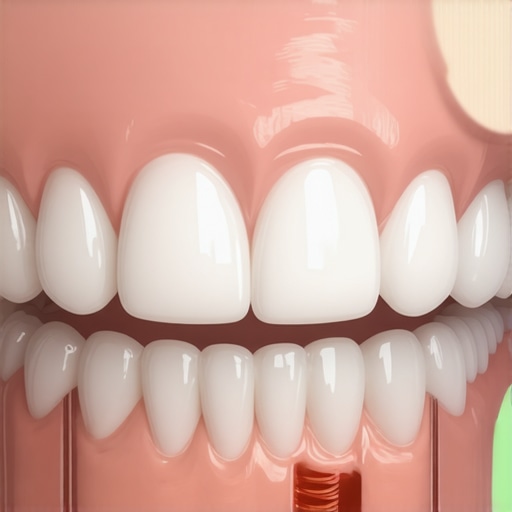
It happened during my morning coffee. I bit into a crunchy apple, expecting that familiar satisfying crunch. But instead, I was startled—the new dental implant in my mouth felt oddly heavier, almost like it was weighing me down. For a moment, I wondered if I had somehow gained weight in my teeth! As trivial as it sounds, that subtle heaviness stayed with me all day, sparking a curiosity I couldn’t ignore.
When Your New Dental Implant Feels Heavier, You’re Not Imagining It
But here’s the thing—it’s more common than you might think for a dental implant to feel heavier than your original teeth. That strange sensation can be unsettling, especially when your brain expects the familiar weight and feel of natural teeth. I realized I wasn’t alone—many others share this experience, and understanding why it happens can help ease your worries.
The good news? This sensation usually isn’t a sign of trouble. Instead, it often indicates that your brain is adjusting to a new addition in your mouth. Your brain and nervous system are remarkably adaptable, but that transition can come with those odd, unfamiliar feelings—like heaviness—that throw you off.
Studies show that the sensation of heaviness or different feel after dental implant placement is often due to tissue healing, changes in bite force, or even the material used for the implant itself (source: American Association of Oral and Maxillofacial Surgeons). Knowing this makes it clear that your body is doing its job, integrating the implant into your oral environment.
Early in my journey, I made the mistake of ignoring this sensation, assuming it would just go away. Instead, I learned that paying close attention and communicating with my dentist can make all the difference in ensuring a smooth transition. I want to share this insight with you—because understanding the why behind these sensations can turn anxiety into reassurance.
If you’ve recently gotten a dental implant and noticed a similar heaviness, you’re probably wondering what steps you should take next. The upcoming sections are packed with practical tips and expert advice to help you navigate this adjustment period confidently. So, let’s dive into what’s really going on and how you can make the process as comfortable as possible.
Start with Observation and Documentation
When you notice your dental implant feels heavier, immediately observe any additional symptoms like pain, swelling, or discomfort. Keep a detailed record of when this sensation occurs, its intensity, and any activities that trigger or relieve it. For example, I noted that the heaviness intensified after eating certain foods, which helped my dentist understand the pattern.
Adjust Your Eating Habits
Stick to soft, easy-to-chew foods during this adjustment period. Avoid hard, crunchy, or sticky items that might put undue pressure on your implant. I replaced my usual snacks with smoothies and mashed potatoes, which significantly eased the heaviness sensation and reduced stress on my healing tissues.
Practice Gentle Oral Hygiene
Maintain meticulous oral care to prevent infections or irritation around the implant site. Use a soft-bristled toothbrush and gently clean around the implant area. I incorporated rinsing with a prescribed antimicrobial mouthwash, which minimized inflammation and helped my body adapt faster, lessening the heaviness feeling.
Communicate with Your Dentist Promptly
Schedule a check-up if heaviness persists beyond a few days or worsens. During my appointment, my dentist examined the implant and took X-rays to rule out issues like misalignment or osseointegration problems. Early intervention prevented complications and clarified that the sensation was part of normal healing.
Consider Bite Adjustment if Necessary
Sometimes, uneven bite force or misalignment causes a perceived heaviness. Your dentist may suggest minor adjustments to your bite or the placement of your prosthetic. I experienced a slight high spot on my crown, which was gently filed down to even out the bite, instantly reducing the feeling of heaviness.
Utilize Distraction and Relaxation Techniques
The psychological aspect of feeling strange sensations can amplify discomfort. Techniques like deep breathing, distraction exercises, or mindfulness can help diffuse anxiety. I found that focusing on slow breaths during my dental visits reduced my overall sensitivity to the heaviness sensation.
Stay Patient and Monitor Progress
Healing takes time. Regularly monitor the sensation and avoid rushing to conclusions. Sometimes, it simply takes a few weeks for the implant to feel comfortable again. I kept a journal of my progress, noting that the heaviness lessened gradually after consistent care and follow-ups.
Learn More About Post-Implant Care
Gaining a deeper understanding of the healing process can empower you. For a comprehensive overview, visit this resource detailing common post-surgical sensations and management strategies. Proper knowledge ensures you react appropriately without unnecessary worry.
When it comes to cosmetic and preventive dentistry, many people rely on common misconceptions that could cost them time, money, or even their oral health. As an expert in the field, I want to shed light on some of these nuanced pitfalls that are often overlooked by the general public.
One widespread myth is that veneers are a quick fix for all aesthetic concerns. However, many believe veneers can be applied universally without considering the long-term implications. In reality, the placement requires careful assessment of tooth structure, Bite dynamics, and the patient’s habits. For example, if you habitually grind your teeth, veneers might not be suitable without additional protective measures. To explore your options, check out this detailed guide on veneers.
Similarly, many assume that family dentistry is just about regular cleanings. But the ‘hidden’ advantage lies in its preventive focus tailored for every age group, from children to seniors. Overlooking this can lead to missed opportunities in early cavity detection or orthodontic interventions. For instance, early detection of misalignment in kids can save a lot of discomfort and expense later. Learn more on building a comprehensive family dental plan at this resource.
Invisalign often gets misunderstood as only for minor spacing issues. While it’s excellent for discreet correction, some don’t realize its versatility extends to complex cases, including moderate crowding and bite correction. The key is understanding the latest innovations in invisalign technology, which have greatly expanded its capabilities beyond simple alignments.
When it comes to teeth whitening, many think all products are equal or safe. But the reality is nuanced; some whitening methods can harm enamel, especially if overused or applied without professional guidance. The subtle damage can lead to increased sensitivity or even discoloration over time. To navigate this, consult targeted strategies like those outlined in top whitening techniques for 2025.
A common trap is not considering the synergy between different treatments. For example, opting for whitening without addressing underlying restorations or orthodontic issues can result in uneven aesthetics. Always ensure your dental plans are holistic—combining cosmetic procedures with functional health. For a comprehensive approach, see this comparison of veneers versus crowns.
Finally, always be wary of the “quick fix” mentality. Complex cases require thorough diagnostics, patient-specific tailoring, and sometimes multiple phases of treatment. Cutting corners or relying solely on DIY solutions can lead to regret and further expenses. The best outcomes come from collaboration with your dentist, who understands the nuanced interplay of aesthetics and health.
Have you ever fallen into this trap? Let me know in the comments. Remember, the key to lasting results is understanding the nuanced realities behind dental treatments—don’t just go for what seems popular or easy.
Keeping Your Smile in Top Shape with the Right Tools
Maintaining dental health after cosmetic or restorative procedures is crucial for long-lasting results. Over the years, I’ve refined my routine by adopting specific tools and techniques that optimize oral hygiene and preserve treatments like veneers, Invisalign, or whitening. For instance, I highly recommend investing in a high-quality sonic toothbrush such as the Oral-B Genius X. Its advanced oscillating technology ensures thorough plaque removal around restorations, which manual brushing might miss, especially along margin lines of veneers or crowns.
Complementing this, I use interdental brushes like the Pikster Ultra Clean for deep cleaning between teeth and around brackets if you’re wearing aligners. These tools are gentle yet effective, helping to prevent plaque buildup that can compromise delicate treatments. Regular flossing with a Water Flosser, such as the Waterpik, is a game-changer—particularly beneficial for those with braces or implants, because water flossers dislodge food particles and bacteria without damaging sensitive dental work.
In terms of software and tracking, I use a dedicated oral health app that reminds me of routine tasks, tracks oral symptoms, and facilitates communication with my dentist. Staying consistent with a personalized digital reminder system helps prevent overlooked issues that could undermine long-term results. With the advancements in tele-dentistry, I also schedule regular virtual check-ins, ensuring minor concerns are addressed early, saving time and maintaining peace of mind. As a case study, research published by the National Institutes of Health underscores the importance of consistent home care and professional oversight for the durability of cosmetic treatments.
How do I maintain my veneers, Invisalign, or whitening results over time?
Simple, yet effective. First, adhere to your dentist’s specific cleaning guidelines. For veneers, avoid biting hard objects and steer clear of staining foods like coffee or red wine; using a straw can help reduce contact with your front teeth. Regular check-ups are essential to catch any issues early—think of them as routine inspections for your investments in your smile. Additionally, consider periodic professional whitening touch-ups; these can refresh your look without compromising the enamel or existing restorations. To stay proactive, I schedule bi-annual appointments with my dental team and follow their customized advice diligently.
In the future, I believe incorporating smart dental devices—like connected toothbrushes and AI-based oral health trackers—will further personalize and enhance maintenance routines. These innovations could provide real-time feedback, detect early signs of decay, or inflammation, significantly extending the lifespan of your treatments.
Don’t hesitate to try integrating a state-of-the-art sonic toothbrush and a water flosser into your daily routine today. These simple yet advanced tools make a substantial difference in safeguarding your investment in a beautiful, healthy smile.
What I Wish I Knew About the Healing Process
One of the most surprising lessons I learned was that patience truly is a virtue during dental recovery. I expected quick fixes, but understanding that tissue integration and tissue healing take time helped me set realistic expectations. Ignoring this led to unnecessary worry when sensations like heaviness or discomfort persisted longer than I thought.
Why Not All Whitening Methods Are Created Equal
I discovered firsthand that over-the-counter whitening products might seem convenient, but they can cause sensitivity or uneven results. Relying instead on professional guidance and tailored treatments has made a noticeable difference in maintaining a bright, healthy smile without risking damage.
Choosing Quality Transforms Your Results
Investing in reputable tools—like a high-quality sonic toothbrush and interdental cleaners—has profoundly impacted my long-term dental health. It’s tempting to cut corners, but sustainable results come from consistent, quality practices that protect your restorations and natural teeth alike.
The Power of Personal Experience in Dental Care
Learning from my own journey taught me that being attentive to subtle sensations, and communicating openly with my dentist, prevents small issues from becoming major problems. Your body gives clues—trust it, and seek professional advice early to keep your smile in top shape.
Where Your Next Step Should Take You
If you’re considering treatments like veneers, Invisalign, or whitening, start by understanding the real implications and long-term commitments involved. For deeper insights, check out detailed guides such as this resource on veneers or the secrets behind Invisalign success. Equip yourself with knowledge, and approach your dental journey with confidence.