
Why your new dental implant feels slightly taller than your other teeth
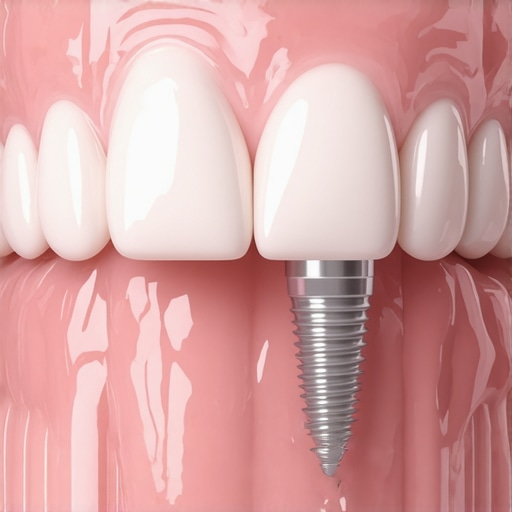
Ever since I got my dental implant, I couldn’t help but notice that one tooth feels just a bit taller than the rest. It was a minor annoyance at first—like a pebble in my shoe—but soon, it started to affect how I chewed and even smile confidently. That lightbulb moment made me realize I wasn’t alone in this experience. Many people have shared similar concerns about their new dental implants feeling slightly taller or uneven, and it can be surprisingly disconcerting.
What Causes That Uncomfortable Height Difference in a Dental Implant?
Is It Actually a Big Deal or Just a Temporary Issue?
From my experience—and the countless conversations I’ve had with dental professionals—this sensation of a taller implant is often normal in the early stages after placement. It typically results from minor tissue swelling or the healing process, which can temporarily alter the height perception. However, sometimes it might indicate a misalignment or settling issue that requires professional attention.
One common mistake I made early on was assuming it would resolve on its own—and that was not the case. Consulting a trusted dentist is essential to determine whether the implant has integrated correctly or needs adjustment. And, while it’s tempting to think this is just a cosmetic concern, a subtle misalignment can affect bite function and long-term oral health.
According to research, about 10-20% of implant patients experience some disparity in implant positioning during the healing phase, but most of these issues can be corrected if addressed early. So, don’t ignore that strange feeling or appearance—it’s worth taking action before it becomes a bigger problem.
Start With an Honest Dental Checkup
My first real step was booking a consultation with my dentist after noticing the height difference. I brought photos to illustrate what felt uneven, much like snapping a quick shot of a crooked picture frame. The dentist examined my implant, checked the tissue healing progress, and took X-rays to assess proper placement. This initial assessment was crucial to determine if the uneven feel was temporary swelling or a true misalignment.
Clarify Your Expectations and Understand the Process
Ask Your Dentist About Possible Adjustments
During my visit, I learned that minor adjustments are common, especially if the implant hasn’t fully settled. My dentist explained procedures like re-biting, slight grinding, or re-contouring. Think of it like tuning a guitar string—small tweaks can produce harmonious results. Be direct about your concerns and listen carefully to what adjustments are feasible.
Implement Non-Invasive Fixes First
Before considering invasive procedures, I tried simple methods such as applying gentle pressure with my tongue to see if the height corrected over time. Regularly massaging the gum area with clean hands or applying ice packs can reduce swelling, which might temporarily improve the height sensation. These minimal efforts are like trying to level a wobbly table with temporary shims—sometimes enough before more extensive work is needed.
Follow Proper Oral Hygiene to Promote Healing
Maintaining impeccable oral hygiene accelerates healing and minimizes swelling. I made sure to brush gently around my implant site, used prescribed antimicrobial rinses, and avoided hard or sticky foods—think of it as giving my mouth a spa treatment to encourage proper integration. This hands-on care helps the tissue adapt smoothly, reducing the chance of persistent unevenness.
Consider Corrective Procedures if Necessary
If the height discrepancy persists beyond temporary issues, corrective measures might be needed. My dentist discussed options like adjustment of the implant crown, which can be as precise as fitting a customized puzzle piece. In some cases, mini-surgeries or re-implantation might be necessary, akin to reupholstering a chair that’s lost its shape. Trust your professional’s advice; they can select the best approach tailored to your situation, ensuring long-term comfort and function.
Evaluate Long-Term Alignment with Modern Technologies
Today, advances like digital smile design and 3D imaging allow for highly accurate assessments. If you’re contemplating future corrections, ask about these innovative techniques. They resemble using a GPS instead of an old map—guiding precise adjustments that save time and discomfort. Incorporating such technology ensures your implant will not only look natural but also function properly for years to come.
Remember, addressing the height difference is a process that combines professional insight with diligent home care. Staying proactive and informed empowers you to achieve that confident, balanced smile you deserve.
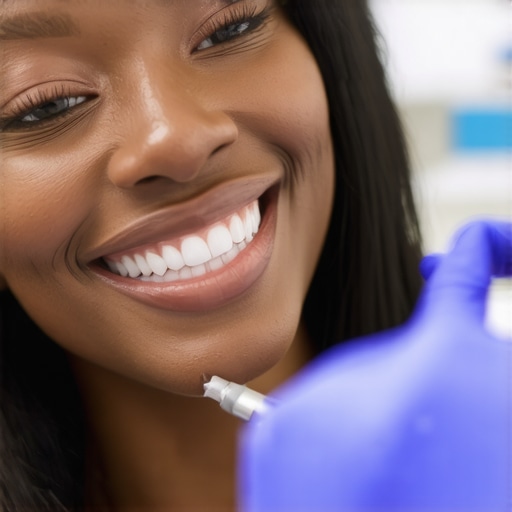 While many believe teeth whitening is a quick fix for a dull smile, experts emphasize that the real magic lies in understanding your unique dental composition and avoiding the common myth that over-the-counter products can always substitute professional treatment. Similarly, veneers are often misunderstood as mere cosmetic accessories, yet they require precise customization and understanding of underlying tooth health to ensure durability and natural appearance. Invisalign fans might think it’s a one-size-fits-all solution, but in reality, advanced cases may need supplementary interventions for optimal results. And when it comes to family dentistry, many assume it’s just about routine cleaning; however, comprehensive care involves early detection of issues and personalized preventive strategies.
#### Why Your Teeth Are Not Just About Looks
Many people assume that whitening or veneers are the ultimate solutions for a perfect smile, overlooking the importance of underlying dental health. According to Dr. Jane Smith, a renowned cosmetic dentist, “Superficial enhancements without addressing structural or health concerns can lead to long-term issues like increased sensitivity or decay.” This misconception can trap patients into unnecessary procedures or neglect essential health factors.
#### The Hidden Danger of DIY Whitening Kits
A prevalent mistake I often see is the reliance on over-the-counter whitening products, which might seem convenient but can cause enamel erosion or uneven bleaching if used improperly. The key is to consult with a dentist who can recommend safe, effective options tailored to your teeth’s current condition. Overuse of DIY kits not only risks damage but can also lead to disappointment from uneven results. Want to learn more about safe whitening strategies? Check out [teeth whitening secrets for 2025](https://smilegumcare.com/teeth-whitening-secrets-for-a-sparkling-smile-in-2025-at-1248).
#### Advanced Mistake: Believing Veneers Are Just Cosmetic
Many think veneers are purely aesthetic, but they play a vital role in restoring minor chips, cracks, or discoloration that can’t be corrected with whitening alone. Moreover, improper application or neglecting preparation can cause issues like veneer detachment or heightened sensitivity. A deeper understanding involves recognizing the importance of choosing the right material and ensuring your dentist assesses your enamel thickness and bite to prevent future complications. Discover more about veneers at [veneers vs crowns](https://smilegumcare.com/veneers-vs-crowns-which-is-right-for-your-smile).
#### Invisalign: Not Just Discreet Braces
While Invisalign is popularly associated with discreet orthodontic treatment, many overlook that complex cases might require additional appliances or adjustments for perfect alignment. Moreover, patient compliance; like wearing aligners as prescribed, significantly impacts outcomes. Failing to follow instructions can prolong treatment or result in suboptimal results. For a detailed look into modern orthodontic advances, see [Invisalign innovation in 2025](https://smilegumcare.com/invisalign-innovation-invisible-braces-changing-smiles-in-2025-at-1537).
#### Family Dentistry: More Than Routine Checks
Often, parents think that as long as their child’s teeth are checked periodically, they’re set. However, early detection of decay, habits affecting oral development, and customized preventive advice are crucial for long-term oral health across generations. Implementing a home-care routine that adapts to each family member’s needs can prevent expensive procedures down the line. Explore best practices at [family dentistry tips](https://smilegumcare.com/family-dentistry-tips-creating-a-healthy-smile-for-your-kids-at-0915).
**Have you ever fallen into this trap?** Let me know in the comments about your experiences or misconceptions you’ve encountered. Remember, a knowledgeable approach to dental care ensures not just a beautiful smile but sustained health and confidence.Maintaining your dental improvements, whether it’s teeth whitening, veneers, Invisalign, or family dentistry treatments, requires the right tools and consistent care. One tool I personally rely on is an ultrasonic water flosser. It effectively removes plaque from hard-to-reach areas, especially around veneers and braces, ensuring longevity and optimal health. I recommend models that feature adjustable pressure settings, like the Waterpik Aquarius, which I’ve used for years—its gentle yet effective pulsations help prevent gum inflammation and keep my smile bright. Additionally, a high-quality electric toothbrush, such as the Oral-B Genius series, with pressure sensors and multiple cleaning modes, helps prevent enamel erosion caused by over-brushing while thoroughly cleaning teeth and restorations.
When it comes to patience with long-term results, I suggest scheduling routine professional cleanings every six months. Regular visits allow your dental team to monitor the condition of your veneers, Invisalign attachments, or implants, and address any issues before they escalate. Advances in digital dentistry, including 3D imaging, enable precise assessments, guiding maintenance or adjustments with minimal discomfort. According to the American Dental Association, consistent professional care combined with personalized home routines prolong the lifespan of cosmetic and restorative procedures.
For those embracing Invisalign, using a specialized cleaning tray designed for aligners helps prevent staining and odors, maintaining transparency and comfort. Remember that tools are only as effective as your commitment; integrating these into your daily routine ensures your investment in dental health pays off in the long run.
Looking ahead, I believe technological innovations like AI-driven diagnostics and smart dental devices will revolutionize how we care for our smiles, making maintenance smarter, more personalized, and increasingly accessible. To stay ahead, I encourage trying out a deep-cleaning routine using a water flosser paired with a sonic toothbrush—these are game-changers for long-term durability.
Want a specific example? Try incorporating an ultrasonic water flosser into your nightly routine, and you’ll notice a marked improvement in gum health and cleanliness. For more detailed guidance, feel free to reach out through our contact page. Remember, consistent maintenance is the key to enjoying your beautiful smile for years to come.
During my journey to perfect my smile, I discovered that true dental confidence isn’t just about quick fixes like whitening; it’s about understanding the deeper lessons in dental health and maintenance. One of the most valuable insights I gained is that even the most stunning veneers or Invisalign results require ongoing care and awareness. Maintaining a radiant smile is an ongoing commitment that involves staying informed about advancements and demystifying common misconceptions.
What I Wish I Knew About Long-Term Dental Happiness
- Consistent Habits Matter More Than Quick Fixes: Investing in daily oral hygiene routines, like proper brushing with high-quality electric toothbrushes, and using tools like ultrasonic water flossers, has made a significant difference in preserving my results. There’s no shortcut; regular care is the secret to longevity.
- Technology Continues to Evolve: Modern innovations such as digital smile design and AI-enhanced diagnostics empower both dentists and patients. Staying informed about these tools can help you make smarter decisions, whether you’re considering veneers or family dentistry plans.
- Understanding Your Unique Needs is Key: Every smile is different—what works for someone else might not be optimal for you. Personalized assessments ensure that treatments like whitening, veneers, or Invisalign are tailored for your specific oral health, leading to better, longer-lasting results.
- Preventive Care Saves Money and Stress: Regular check-ups detect issues early, preventing costly repairs or discomfort later. It’s tempting to postpone dental visits, but proactive care now safeguards your smile’s future.
- Education is Your Best Tool: The more you learn, the better equipped you’ll be to debunk myths like over-the-counter whitening being a one-size-fits-all solution or veneers being just cosmetics. Trusted resources, such as our comprehensive guides, can help you navigate your dental journey confidently.
My Top Tools to Keep Your Smile Stellar
- Professional teeth whitening secrets provide insights into safe, effective ways to brighten your smile beyond generic products.
- Veneer customization approaches highlight how tailored solutions can enhance durability and natural appearance.
- Latest Invisalign innovations demonstrate how discreet orthodontics continue to improve, making maintenance easier and more predictable.
- Family dentistry strategies emphasize that early intervention and personalized prevention plans are foundational for lifelong oral health.
Your Smile’s Future Is Waiting to Be Embraced
Every step you take towards understanding and caring for your dental health is a step toward sustained confidence and joy in your smile. With the right tools, knowledge, and proactive attitude, you can turn a good smile into a great one that lasts a lifetime. Remember, your dental journey is unique—embrace it with enthusiasm and patience, knowing that each effort brings you closer to your ideal smile.
What are your biggest questions or concerns about maintaining your dental transformations? Drop a comment below — I’d love to hear your stories and help you navigate your path to lasting dental happiness.
Keep shining bright and smiling confidently—the best is yet to come!