
How to manage the pressure when switching to a new aligner set
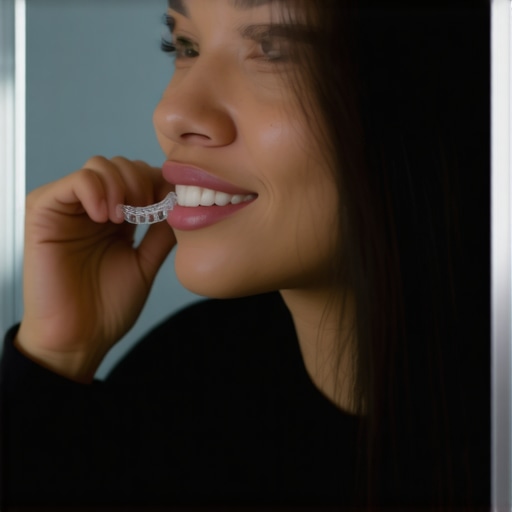
I vividly remember the first time I switched to a fresh set of aligners. There was this strange sensation — tightness that felt almost like my teeth were protesting. I had this sudden wave of anxiety, wondering if I was doing everything wrong, or if this discomfort was a sign of failure. Turns out, that feeling is more common than you might think, and understanding it can make all the difference in how smoothly you transition.
Many patients, including myself, face this initial discomfort and pressure when transitioning to a new set. It’s like your teeth are waking up and adjusting to the new aligner, which is actually a good sign that the treatment is progressing. But honestly, that doesn’t make it any easier to manage emotionally or physically.
One thing I wish I knew early on was that this pressure usually peaks in the first few days and then subsides. Recognizing that it’s a temporary phase can help keep your spirits up. What I also discovered is that how we handle this transition can impact the overall effectiveness of our orthodontic journey.
If you’re currently struggling with this feeling, you’re not alone. I’ll walk you through practical tips and tricks to manage the pressure, keeping your treatment on track without unnecessary stress. By the end of this, you’ll know exactly how to handle that tightness and discomfort, turning it into a sign of progress.
But first, let’s address a common skepticism: Isn’t all this pressure just a sign of bad fit or something wrong?
Skeptics might wonder: Is this discomfort normal or a sign of a problem?
Early in my journey, I made the mistake of panicking at the slightest bit of tightness. I thought maybe I had received the wrong size, or my aligners weren’t working correctly. The truth is, some degree of pressure is entirely normal. According to orthodontic experts, the sensation of tightness indicates your teeth are moving properly (source: [Invisalign Secrets](https://smilegumcare.com/invisalign-innovation-invisible-braces-changing-smiles-in-2025-at-1537)).
Understanding this has been a game-changer. It’s vital to differentiate between normal tension and genuine issues like poor fit or discomfort that persists beyond a few days. Early mistakes, like ignoring the advice to wear the aligners as instructed or not following your orthodontist’s guidelines, can make the pressure worse or prolong the discomfort.
Now that I’ve shared my experience, let’s dive into actionable tips to ease this pressure and make your aligner switch seamless. Whether you’re new to Invisalign or just transitioning to a new set, these strategies will help you stay confident and comfortable.
When you receive a new aligner, first acknowledge that discomfort is normal. Take a moment to remind yourself that this tightness indicates your teeth are moving as intended. Prepare your mind to handle the pressure without panic. I remember during my first switch, I kept telling myself, “This is temporary,” which eased my anxiety and helped me endure the initial tightness.
For the first couple of days, consider using an over-the-counter pain reliever like ibuprofen, as it helps reduce inflammation and pressure. Be sure to follow dosage instructions and consult your orthodontist if you’re unsure. When I switched to my second set, I took ibuprofen as advised, and it significantly reduced the discomfort, making the transition smoother.
Placing a cold pack on your jaw or cheek can numb nerve endings and decrease swelling. Wrap ice in a cloth and hold it against your face for 15-minute intervals. I found that applying a cold compress after dinner helped me sleep better and minimized soreness.
Eating soft, easy-to-chew foods like smoothies, yogurt, or mashed potatoes reduces jaw strain. Avoid crunchy or sticky foods that can cause additional pressure or dislodge aligners. During my third aligner change, I opted for soups and steered clear of nuts, which kept the pressure manageable and prevented mishaps.
Wearing your aligners for the full 22 hours daily ensures proper movement, reducing the likelihood of prolonged discomfort. I learned that skipping hours or not wearing aligners as instructed only delayed progress and increased pressure tolerance issues.
Gently brush your teeth and aligners after meals to prevent food debris from exacerbating soreness. Use a soft-bristled brush and avoid aggressive brushing which can irritate gums. When I meticulously cleaned my teeth and aligners post-meal, I experienced less gum irritation and a more comfortable transition.
If pain persists beyond a few days, intensifies, or you notice gaps or poor fit, contact your orthodontist immediately. Persistent discomfort might signal an issue needing correction. I once had a minor misfit that required a quick adjustment – knowing when to ask a professional made all the difference in my comfort and progress.
Applying these concrete steps turns the challenging phase of switching aligners into a manageable process. Remember, the key is proactive management—embrace the discomfort as part of your journey to a perfect smile. For more detailed guidance on maintaining oral health during your orthodontic treatment, visit this resource.
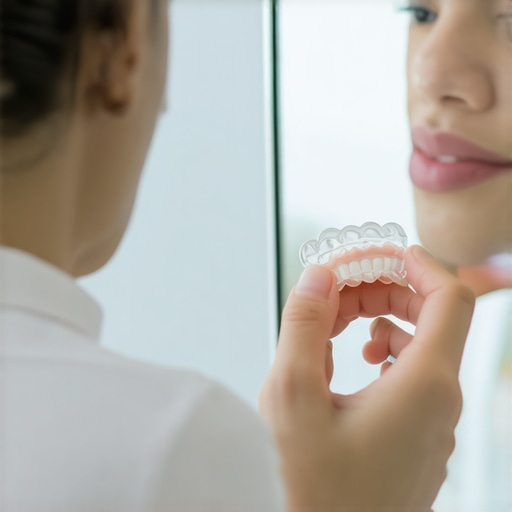 Many people assume they understand the basics of cosmetic and family dental treatments, but there are often misconceptions that can lead to suboptimal results or unexpected surprises. Let’s dig deeper into some of these myths and uncover the hidden nuances that even savvy patients might overlook.
**Myth Busting: Invisalign Is Just About Straightening Teeth**
Contrary to popular belief, Invisalign is not a one-size-fits-all solution. Advanced cases, especially those with complex bite issues, require careful planning and sometimes supplementary procedures. Experts emphasize the importance of comprehensive treatment planning using digital imaging and 3D modeling (source: [Invisalign Secrets](https://smilegumcare.com/invisalign-innovation-invisible-braces-changing-smiles-in-2025-at-1537)) to ensure optimal results. Oversimplifying Invisalign as merely aesthetic can lead to patient disappointment.
**The Oops Factor With Teeth Whitening**
Many think that whitening is a quick fix with no risks, but overusing whitening products or choosing inappropriate methods can damage enamel or cause sensitivity. A common trap involves using overly harsh bleaching agents without professional supervision. Instead, it’s safer and more effective to follow proven strategies, such as professional treatments or carefully selected over-the-counter options. For insider tips, visit [top teeth whitening strategies](https://smilegumcare.com/brighten-your-life-top-teeth-whitening-strategies-today).
**Family Dentistry: More Than Just Routine Cleanup**
A mistake I often see is viewing family dentistry as only a basic service. In truth, comprehensive family dental care involves preventive measures, pediatric assessments, and personalized guidance that can prevent future problems. Building a relationship with your dentist ensures early detection of issues like misalignments or early decay. Learn more about creating a healthy smile for every generation at [family dentistry](https://smilegumcare.com/family-dentistry-building-healthy-smiles-for-every-generation).
**Veneers vs. Crowns: The Choice Many Get Wrong**
A common misconception is that veneers and crowns are interchangeable, but they serve different purposes. Veneers are primarily for aesthetic improvements on the front surface of teeth, while crowns restore strength and function, often covering the entire tooth. Misusing these options can lead to unnecessary tooth reduction or unsatisfactory results. Check out [veneers vs. crowns](https://smilegumcare.com/veneers-vs-crowns-which-is-right-for-your-smile) to understand which option is right for your needs.
**Advanced Nuance: Long-Term Maintenance Matters**
Teeth whitening, veneers, and even Invisalign require diligent maintenance to sustain their benefits. For instance, improper preservation of veneers can lead to staining or edge chipping. Regular check-ups and proper oral hygiene are critical—don’t fall into the trap of neglecting these details after the procedure. A study published in the Journal of Esthetic and Restorative Dentistry highlights the importance of ongoing care for durable results.
Have you ever fallen into this trap? Let me know in the comments. Remember, understanding these nuances helps you make informed decisions and get the most out of your dental treatments.Maintaining an impressive smile requires more than just regular brushing; it demands a curated selection of reliable tools and techniques. Personally, I swear by the use of an ultrasonic toothbrush like the Philips Sonicare ProtectiveClean 6100. Its sonic technology effectively removes plaque and stains, ensuring my teeth stay bright and healthy over the long term. Additionally, I incorporate water flossers such as the Waterpik Aquarius Professional, which effortlessly reaches those tricky spots—particularly around veneers or dental implants—reducing gum inflammation and preventing decay. For whitening touch-ups, I prefer professional-grade whitening pens from reputable brands, which allow me to maintain my results without visiting the dentist every few months. Combine these with a good quality whitening toothpaste, like the ones available in the market today, and you’ve created a robust regimen that works. Looking ahead, I foresee advancements in laser whitening technology integrated with home-use devices, making whitening easier and faster. How do I maintain my pearly whites over time? Consistency is key. Scheduling regular dental check-ups ensures early detection of any issues, preserving your investment in your smile. Remember, even the best tools require proper technique; for example, using the ultrasonic toothbrush with gentle, circular motions prevents gum irritation while maximizing cleaning efficacy. Unlock the secrets of professional whitening by exploring innovative strategies at this resource. Don’t hesitate—try incorporating an ultrasonic toothbrush into your daily routine and experience the difference firsthand. Your smile will thank you!
Lessons I Didn’t Expect to Learn About Invisalign and Bright Smiles
One of the biggest surprises in my orthodontic journey was realizing that patience truly is a virtue. The small discomforts and tightness during aligner transitions became lessons in resilience, reminding me that progress often comes with a temporary price. I also discovered that staying consistent with routines—like gentle brushing and avoiding hard foods—not only enhanced results but also deepened my appreciation for maintaining oral health beyond aesthetics.
Another insight was the importance of listening to my body. Developing a keen awareness of when discomfort signaled normal movement versus when it needed a professional’s eye prevented unnecessary worries. These lightbulb moments underscored the value of proactive engagement, turning a sometimes stressful process into an empowering experience.
My Favorite Resources That Keep Me Smiling Bright
For all things teeth whitening and aligner care, I highly recommend this comprehensive guide. It offers practical tips that I use daily, ensuring my smile stays radiant. Additionally, the Invisalign secrets page opened my eyes to subtle tricks for maximizing aligner effectiveness. For overall dental health, engaging with reputable family dentistry practices like this resource reinforces the importance of holistic care that benefits every family member.
Your Next Bold Step to a Confident Smile
The journey to a brighter, healthier smile is uniquely yours, filled with little discoveries and confidence-building wins. Remember, the key is to stay informed, embrace routine, and seek professional guidance when needed. Your perfect smile is not just a distant goal but a series of actionable steps waiting to be taken—so why wait? Dive into resources, ask questions, and celebrate your progress every step of the way. Your future smile deserves this investment. What step are you most excited to take next in your dental journey? Let me know below!