
The truth about oil pulling for whiter teeth and healthy gums
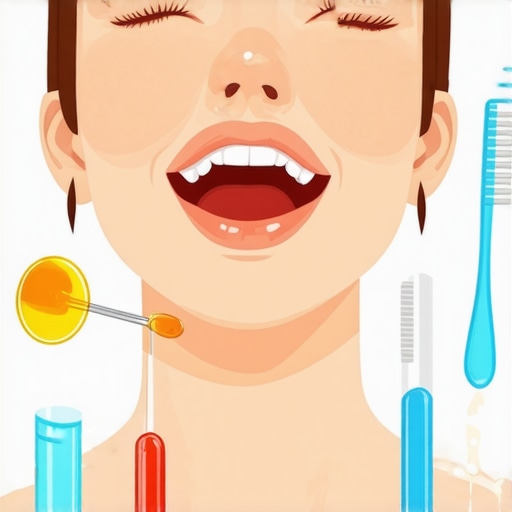
I remember the first time I tried oil pulling. Expecting a quick whitening miracle, I sat with a spoonful of coconut oil swirling in my mouth, only to realize minutes later that I hadn’t quite grasped what I was doing. Instead of sparkling teeth, I just felt a bit confused—and slightly guilty for wasting valuable time. That moment made me question whether this ancient practice was just another health fad or something genuinely beneficial.
Over time, I discovered that oil pulling is more nuanced than many of the social media claims suggest. It’s easy to fall into the trap of thinking a simple remedy can replace regular dental visits and proper oral hygiene routines. But the truth is, understanding what oil pulling can do—and what it can’t—is essential for making informed decisions about your dental health.
Today, I want to share my journey and shed light on the real science behind oil pulling. We’ll explore whether it’s worth incorporating into your daily routine for whiter teeth and healthier gums. Spoiler alert: it’s not a miracle cure, but it can be a helpful addition when used correctly.
Why Oil Pulling Is Trending Now—and Why It Might Be Misleading
The resurgence of oil pulling as a natural alternative to teeth whitening and gum health is fueled by strong anecdotal stories and the desire for simple, chemical-free solutions. Many people swear by it, claiming brighter smiles and fresher breath. However, scientific backing remains limited. According to a review published in the Journal of Indian Society of Periodontology, oil pulling may reduce harmful bacteria but doesn’t directly whiten teeth or eliminate the need for conventional dental care.
Early on, I made the mistake of believing that oil pulling alone could replace my regular flossing and brushing. That was a costly misconception. It’s crucial to understand that no single method can substitute verified, evidence-based practices—especially when it comes to your oral health.
If you’ve been contemplating whether to give oil pulling a try, ask yourself: Is this a replacement or a supplement to my daily oral hygiene routine? My personal experience taught me that it’s best to approach such practices with a healthy dose of skepticism but openness to their potential benefits when combined with proven methods.
Curious about how to integrate oil pulling wisely, and what other strategies can help you achieve a brighter, healthier smile? Keep reading. We’ll delve into practical steps you can take today to enhance your dental wellness and see real results.
Start with a Solid Oral Hygiene Routine
The foundation of whiter teeth involves consistent brushing and flossing. Use a fluoride toothpaste and brush for at least two minutes twice daily. I vividly recall waking up one morning after a week of diligent brushing—my teeth looked noticeably cleaner, and my gums felt healthier. This simple step creates a clean canvas for further whitening efforts.
Incorporate Professional Cleaning
Scheduling a dental cleaning every six months is crucial. During my last appointment, the hygienist removed layers of plaque that no brushing could eliminate. This not only prevents staining but also prepares your teeth for whitening procedures. Skip this, and your whitening efforts might be undermined by unseen buildup.
Choose Your Whitening Method Wisely
Over-the-Counter Options
Tooth whitening strips and gels are accessible, but they vary in effectiveness. I tried a popular whitening strip at home—initial results were promising, but uneven application left me frustrated. For more predictable outcomes, consider professionally supervised whitening options or inquire about custom trays, which fit your teeth perfectly.
Professional Whitening Procedures
In-office whitening treatments use higher-grade agents and can produce immediate results. When I opted for a professional session, my dentist applied a protective gel and used a specialized light. The result was a visibly brighter smile after just one visit, with minimal sensitivity. This approach is particularly effective for stubborn stains and severe discoloration.
Enhance Results with Lifestyle Adjustments
Reducing stain-causing foods and drinks like coffee, tea, and red wine significantly prolongs whitening effects. I made a pact to limit my coffee intake, replacing it with herbal tea. Additionally, quitting smoking helped maintain my bright smile and healthier gums. These small lifestyle tweaks make a big difference over time.
Maintain Your Bright Smile
Use a straw when drinking staining beverages to minimize contact with your teeth. Rinse your mouth with water afterward to wash away residual stain agents. For ongoing maintenance, consider whitening toothpaste or touch-up treatments recommended by your dentist. Remember, consistency is key—skipping routine care can quickly undo your hard work.
Consider Cosmetic Measures for Faster Results
If you’re seeking immediate transformation, veneers or crowns might be options. I explored veneers after years of staining, and the process involved bonding porcelain shells to my teeth for a natural, luminous look. While more invasive and costly, these are permanent solutions for a dazzling smile. To understand which approach suits you best, consult with a qualified cosmetic dentist.
Implementing these steps gradually and consistently ensures sustainable whitening outcomes. For personalized guidance or to explore various options, reach out to a professional at Smile Gum Care or browse current strategies at our teeth whitening guide. Remember, a brighter smile starts with informed actions rooted in good dental practices.
Many misconceptions persist around teeth whitening, veneers, family dentistry, and Invisalign, often leading patients astray. One common myth is that brighter teeth always mean healthier teeth, but in reality, true dental health encompasses more than just appearance. Overlooking factors like enamel integrity or underlying decay can result in irreversible damage when opting for aggressive whitening or veneer placement without proper assessment.
A nuanced mistake many make involves the assumption that veneers are a quick fix for chipped or stained teeth. While veneers can dramatically improve aesthetics, they are invasive and irreversible procedures that require meticulous planning. For instance, applying veneers without considering the thickness of your natural enamel can lead to increased sensitivity or a dissatisfied smile. Experts suggest thorough consultations and understanding the differences between veneers and crowns—details explored comprehensively in our guide to veneers versus crowns.
Many believe that Invisalign is just about discreet aligners, but advanced cases often demand more careful planning—sometimes requiring auxiliary appliances or refinements over time. The misconception that Invisalign can fix any misalignment swiftly might lead to unmet expectations. Research indicates that treatment complexity and patient compliance are critical to success, emphasizing the importance of choosing experienced providers. For deeper insights, check out Invisalign secrets for achieving a perfect smile.
Another overlooked nuance is the importance of comprehensive family dental care. Some patients focus solely on individual cosmetic concerns, neglecting the interrelated health of their entire family. This narrow focus can overlook early signs of oral diseases that might be harder to treat when detected late. Preventive strategies tailored for all ages can foster lifelong oral health, as discussed in our article on building healthy smiles across generations.
Beware of common pitfalls like opting for low-cost, unproven whitening products without understanding their impact on enamel quality. While it may seem harmless, improper use can lead to increased sensitivity or damage, a trap that many fall into. Always seek professional advice and understand your specific needs before attempting at-home remedies. For trustworthy options, explore our top teeth whitening strategies.
The key takeaway is that superficial solutions or assumptions can often obscure the complex reality of dental health. Engaging with qualified dental professionals, asking the right questions, and considering the long-term consequences will serve you better than chasing quick fixes. Have you ever fallen into this trap? Let me know in the comments, and feel free to reach out via our contact page for personalized guidance.Achieving a radiant smile isn’t a one-and-done effort; it requires consistent maintenance and the right tools. Personally, I rely on a combination of professional-grade equipment and proven routines to keep my teeth gleaming well beyond initial whitening treatments. One of my top recommendations is an electric toothbrush with pressure sensors. Unlike manual brushes, these devices ensure thorough cleaning while preventing gum damage caused by excessive force, which is especially important for those with veneers or sensitive teeth. I use the Philips Sonicare DiamondClean, which boasts multiple brushing modes and a timer to encourage optimal duration—helping me avoid shortcuts that compromise results.
Another invaluable tool is a water flosser, such as the Waterpik Aquarius, which significantly enhances plaque removal around braces, veneers, or implants. It’s particularly effective for reaching areas traditional floss might miss, reducing the risk of staining and gum disease. I integrate my water flosser into my nightly routine because it feels gentle yet effective, and I’ve noticed reduced gum bleeding over time.
When it comes to whitening touch-ups, I trust professional-grade whitening pens for small, quick refreshers. They are easy to carry and apply—perfect for maintaining a white smile after a professional treatment. However, do keep in mind that overuse can lead to enamel sensitivity, so always follow your dentist’s advice. For comprehensive results, scheduled visits for in-office whitening or veneer polishing are irreplaceable; these treatments not only enhance aesthetics but also check for any underlying issues that could compromise your long-term dental health.
Looking ahead, the trend is moving toward smart dental devices that sync with smartphone apps, providing real-time feedback on your brushing and flossing patterns. Devices like the Colgate Connect Smart Electronic Toothbrush are pioneering this space, offering insights into your brushing habits and helping you improve over time. Embracing these technologies is a smart step toward sustained oral health and a brighter smile.
How do I maintain my smile over time?
Implementing daily use of a quality electric toothbrush combined with water flossing and periodic professional checkups is the best strategy. Regularly visiting your dentist ensures early detection of issues and keeps your whitening treatments effective. Remember, consistency is crucial, and investing in reliable tools makes all the difference. If you’re ready to upgrade your routine, consider trying a smart toothbrush with built-in feedback; it might just revolutionize your smile maintenance. For personalized recommendations on tools tailored to your needs, don’t hesitate to reach out to us. Staying proactive now sets the stage for a long-lasting, dazzling smile that stands the test of time.
Trust Yourself, but Verify Everything
One of the hardest lessons I learned was to listen to my instincts while critically evaluating sources. I was swayed by countless testimonials praising oil pulling, only to realize that individual experiences can vastly differ. It made me realize the importance of consulting experienced dental professionals instead of relying solely on online trends or anecdotal advice.
Small Changes Lead to Big Results
Initially, I underestimated the power of minor lifestyle adjustments—like switching to a straw or limiting staining foods. These tweaks, though simple, dramatically prolonged my whitening outcomes and improved my overall oral health. Consistency in such habits truly compounded over time, emphasizing that lasting results often come from everyday actions.
Embrace Professional Guidance Over Quick Fixes
Trying every new whitening product or DIY remedy without professional input can backfire. I learned that investing in a professional check-up and treatments not only yielded better results but also safeguarded my dental health. Seeking expert advice helps tailor solutions that fit your unique needs and avoid costly mistakes.
Don’t Sacrifice Long-Term Well-Being for Short-Term Shine
Brightening your smile is valuable, but never at the expense of enamel health or gum safety. I discovered that aggressive whitening or veneers should be carefully considered and discussed thoroughly with a specialist. Protecting your natural teeth while enhancing their appearance is key to a sustainable, confident smile.
Start Small, Think Big
My final insight is that transformation begins with manageable steps. Whether it’s improving daily hygiene, scheduling regular dental visits, or exploring professional whitening options, each action built upon the last. Progress might be gradual, but with patience and persistence, a radiant, healthy smile is well within reach. For further guidance, explore our comprehensive teeth whitening strategies to kickstart your journey.