
Why Your Teeth Feel Fuzzy Halfway Through the Day
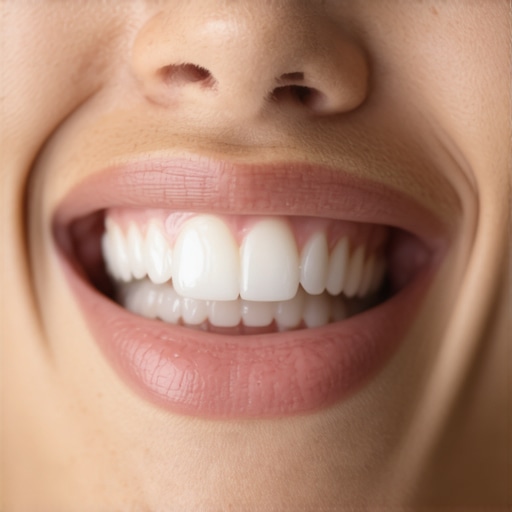
Ever had that frustrating moment when, suddenly, your teeth start feeling fuzzy or coated halfway through your busy day? It’s almost like a ghostly film is settling on your smile, making you wonder if you’re imagining things or if your dental health has taken a turn for the worse. I remember the first time I experienced this; I was in the middle of an important meeting when I noticed my teeth felt oddly coated, and I felt self-conscious about my smile. That tiny sensation turned out to be a common, yet often misunderstood, dental quirk.
The Fuzzy Feeling: A Hidden Signal from Your Mouth
What I’ve learned over the years is that this sensation isn’t just a harmless annoyance—it’s your body’s way of signaling that something might be up. Typically, it relates to plaque buildup, dry mouth, or even early signs of enamel erosion. When your saliva production decreases or becomes less effective, it can’t wash away debris and bacteria as well, leading to that fuzzy or coated feeling. This happens more often than you might think, especially during stressful times or when you’re consuming certain foods and drinks.
Is the Fuzziness Just a Hygiene Issue?
This question haunted me early on. I used to think brushing more often would solve the problem, only to realize I was missing the real issue. Sometimes, the fuzzy feeling is a warning sign that your oral environment needs more than just a quick brush—perhaps a thorough clean or addressing underlying factors like dry mouth or enamel wear. Ignoring it can lead to tartar buildup, cavities, or gum problems down the line. Curious? Dive into my recommended strategies [here](https://smilegumcare.com/brighten-your-life-top-teeth-whitening-strategies-today).
In this post, I’ll walk you through exactly what causes that fuzzy feeling and, more importantly, how to get rid of it for good. Whether you’re battling dry mouth from medications or noticing enamel sensitivity, there’s hope and practical steps you can take today. If this sounds familiar, keep reading—I’ve been there, and I want to help you restore that fresh, clean feeling in your smile.
Brush Effectively to Remove Buildup
Start by ensuring you’re brushing properly. Use a soft-bristled toothbrush and gentle circular motions for at least two minutes, reaching all surfaces of your teeth. I recall a morning when I accidentally brushed too hard, causing soreness, but switching to gentle strokes significantly improved my comfort and cleanliness.
Incorporate Flossing into Your Routine
Floss daily, especially before bedtime, to dislodge debris stuck between teeth. I once neglected flossing for a few days, which led to a pronounced fuzzy sensation that only resolved after a thorough flossing session. Remember, flossing complements brushing by cleaning areas your toothbrush can’t reach.
Use an Antibacterial Mouthwash
Rinse with an antibacterial mouthwash to reduce bacteria that contribute to plaque. This step is particularly effective if dry mouth is causing the fuzzy feeling. I tried it myself during a stressful week, and noticing a fresher mouth sensation motivated me to maintain the habit.
Manage Dry Mouth Angles
Stay Hydrated Throughout the Day
Drink plenty of water to keep saliva production optimal. Dehydration worsens dry mouth and can make plaque more visible. I made a habit of carrying a water bottle, which noticeably decreased that sticky, fuzzy sensation by midday.
Avoid Mouth-Drying Substances
Limit caffeine, alcohol, and salty snacks that can dry out your mouth. During a weekend retreat, I cut back on these, leading to a significant reduction in the fuzzy feeling and an overall cleaner mouth.
Consider Professional Cleaning If Needed
If the fuzzy sensation persists despite good home care, schedule a visit for a professional cleaning. Dentists can remove tartar buildup that self-cleaning can’t address. I once overlooked this step and realized that a professional cleaning made a huge difference, restoring my confidence in my smile.
Review Your Diet and Medications
Some foods and medications can decrease saliva flow. If you’re on medication, discuss alternatives or solutions with your dentist. I discovered that switching certain medications, under medical supervision, alleviated my dry mouth issues and the fuzzy feeling after consulting with my healthcare provider.
Explore Advanced Solutions
If the problem persists, inquire about treatments like fluoride varnishes or sealants that strengthen enamel or address dry mouth. Looking into options like veneers or laser treatments might be beneficial for underlying issues. For personalized advice, consider reaching out to your dentist through this contact form.
When it comes to cosmetic and family dentistry, many people harbor misconceptions that can hinder their decision-making and treatment outcomes. As an expert in the field, I’ve observed that some beliefs are simply myths, while others stem from a lack of understanding of the nuances involved in advanced dental procedures.
Why the Popular Belief About Veneers Being ‘One-Size-Fits-All’ Is Wrong
Contrary to the common myth, veneers are not a universal fix for all smile issues. Many assume that veneers will seamlessly transform any smile, but in reality, the suitability and longevity depend on individual factors like enamel thickness and tooth structure. For example, patients with compromised enamel may need crowns instead. Visiting this comparative guide can help you understand which option suits your unique needs better.
The Hidden Nuance in Teeth Whitening: More Than Just a Quick Fix
Many believe whitening treatments produce immediate, uniform results, but the process is more delicate. Deep stains caused by certain foods, medications, or aging require customized approaches, and over-bleaching can damage enamel, leading to sensitivity or uneven coloring. It’s essential to consult with an experienced professional to select the right method, as discussed in this detailed article.
Family Dentistry: More Than Routine Cleanings
Some assume that visiting the dentist only when there’s pain or a problem suffices. However, comprehensive family dentistry involves proactive measures—like early intervention for misalignments or decay—that save time, money, and discomfort in the long run. Building a trusted relationship with your family dentist ensures personalized care tailored to different age groups, as highlighted at this resource.
Invisalign: Fading Myths About Discreetness and Effectiveness
Many think Invisalign is only for minor corrections or that it’s less effective than traditional braces. Yet, recent innovations have expanded its capabilities to treat complex cases, and the aligners are virtually invisible, making it a discreet choice. However, compliance is crucial; wearing the aligners as prescribed produces optimal results. To learn more about advanced Invisalign techniques, visit this comprehensive overview.
In summary, challenging these misconceptions allows you to make informed decisions tailored to your needs. Remember, the nuances of each procedure—like understanding enamel considerations for veneers or the importance of customized whitening—can significantly impact your results. For personalized guidance, don’t hesitate to reach out to experienced professionals. Have you ever fallen into this trap? Let me know in the comments.
How to Keep Your Dental Enhancements Working Seamlessly Over Time
Once you’ve invested in veneers, teeth whitening, or Invisalign, the last thing you want is for your efforts to diminish prematurely. To ensure your smile remains radiant and your dental treatments last, it’s crucial to incorporate effective maintenance routines using the right tools and strategies. As someone passionate about dental care, I recommend specific equipment and techniques that I personally find indispensable for long-term success.
First and foremost, investing in a high-quality electric toothbrush is a game-changer. I personally use the Philips Sonicare DiamondClean, not just because of its reputation, but because its sonic technology provides a superior clean, capable of reaching deep into hard-to-access areas. Its timer feature also encourages thorough brushing for the full two minutes recommended by dental professionals. Regular brushing with an effective tool like this helps prevent plaque buildup, protecting your veneers and whitening results.
Beyond brushing, I emphasize the importance of a reliable water flosser, such as the Waterpik Aquarius. Flossing is often overlooked, yet it’s vital for maintaining gum health and preventing debris from compromising dental work. The pulsating water action effectively dislodges plaque from between teeth and around aligners, ensuring your mouth stays fresh and free from buildup that can cause fuzzy feelings or staining.
Using Advanced Tools for Better Results
For whitening maintenance, I recommend a professional-grade whitening pen, like the AuraGlow, which I keep handy for touch-ups. This pen allows precise application on stained areas, solidifying your results and keeping your smile dazzling between professional treatments. I use it after meals or drinks that might cause staining, and it’s a simple addition that extends the life of my whitening investment.
For Invisalign users, maintaining the aligners is critical. I swear by the Invisalign Cleaning Crystals, which dissolve in water and help eliminate bacteria and residue. Their use keeps aligners clear and odor-free, reinforcing compliance and avoiding issues like discoloration or discomfort. Regularly cleaning aligners prevents plaque buildup, which can impede treatment progress and affect your comfort.
In anticipating future trends, I believe the integration of smart technology into dental tools will become even more prevalent. Imagine toothbrushes that track your brushing habits and adjust their power accordingly or app-connected flossers that provide feedback on areas missed. Staying updated with these innovations can make ongoing oral care more effective and personalized.
Wondering how to sustain your smile’s brilliance long-term?
Excellent question! The key is consistent use of the right tools combined with professional guidance. Regular dental checkups, at least twice a year, ensure issues are caught early, and professional cleanings can remove stubborn tartar that at-home care cannot tackle. If you’re curious about how to optimize your maintenance routine or explore advanced options like veneer longevity strategies, I encourage you to reach out to expert dental professionals.
Remember, the long-term health and beauty of your smile depend on proactive care and the intelligent use of effective tools. Incorporating these practices today can save you time, money, and discomfort tomorrow. Try adopting a water flosser or a whitening pen and observe how your routine transforms—for a radiant smile that truly stands the test of time!
Lessons No One Tells You About Veneers, Whitening, and Invisalign
One of the most eye-opening insights I’ve gained is that each dental enhancement carries nuances that can make or break your results. I once believed that veneers were a universal fix, but I soon found out that individual tooth structure significantly influences longevity. This realization pushed me to seek personalized consultations rather than accepting cookie-cutter solutions. Additionally, I learned that teeth whitening isn’t a one-size-fits-all process; some stains simply require tailored treatments—over-the-counter products can be misleading here, so professional guidance is invaluable. Lastly, I discovered that Invisalign’s effectiveness hinges on discipline. Skipping wear time or neglecting aligner cleaning can delay results and compromise treatment. Embracing these lessons has underscored the importance of working closely with experienced professionals to achieve long-lasting, beautiful outcomes.