
Why your teeth feel gritty after drinking a green smoothie
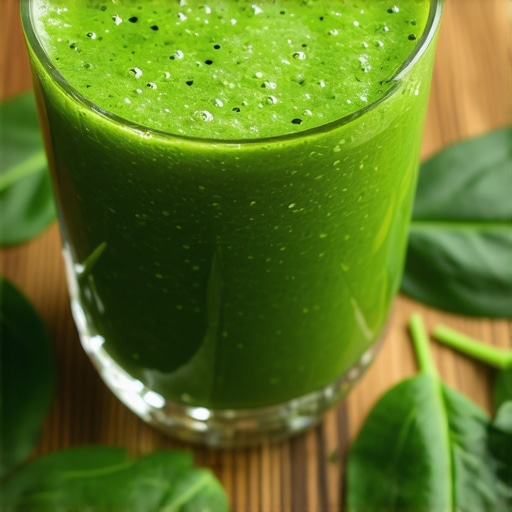
I’ll never forget the Tuesday morning I decided to finally get serious about my health. I tossed a massive handful of spinach into my high-speed blender, added some almond milk, and felt like a total champion… until I took a sip. Five minutes later, I was running my tongue across my teeth and honestly wondering if I’d accidentally blended a piece of the granite countertop. My teeth felt like they were coated in a fine layer of chalky sand. It wasn’t just ‘dirty’—it was a weird, fuzzy grit that wouldn’t go away even after I rinsed. If you’ve ever experienced this ‘smoothie mouth,’ you know exactly the kind of sensory nightmare I’m talking about. Today, I am going to explain why this happens and how to keep your healthy habits without the sandpaper side effects.
Stop Blaming Your Blender for That Chalky Coating
It’s a common mistake to assume the grit is just bits of unblended leaf. Early on, I made the mistake of blending my smoothies for way too long, thinking I just needed to pulverize the spinach more. All I ended up with was a lukewarm, frothy mess that *still* made my teeth feel like sandpaper. The truth is much more scientific and, frankly, a bit more annoying. It’s not the fiber; it’s the chemistry. Specifically, we’re looking at oxalic acid. This naturally occurring compound in leafy greens like spinach and kale loves to bond with the calcium in your saliva. When they meet, they form tiny calcium oxalate crystals that do not dissolve in water. According to research published in the Journal of Agricultural and Food Chemistry, spinach contains significant levels of these oxalates, which can effectively ‘precipitate’ onto your teeth during consumption. This is why you feel that instant texture change. It’s essentially a temporary layer of tiny crystals hitching a ride on your enamel. While it’s not necessarily a dental emergency, it can be incredibly distracting, especially if you’ve recently invested in professional teeth whitening or are trying to keep new veneers looking pristine. [image_placeholder]
Does This Mean Green Smoothies Are Bad for Your Teeth?
You might be tempted to toss the blender out the window and go back to bacon and eggs, but don’t panic just yet. While that fuzzy feeling is similar to why your teeth feel furry a few hours after brushing, it’s not the same as plaque buildup. However, the acidity can soften your enamel temporarily. I used to worry that I was literally dissolving my teeth with every sip of kale juice. Have you ever felt like your ‘healthy’ choices were secretly backfiring on your smile? I certainly did. But the solution isn’t to stop the greens; it is to change the environment of your mouth. Whether you’re part of a busy family looking for long-term dental health or just someone who hates that gritty feeling, we’ve got a solution that works without sacrificing your morning nutrition.
Add a Little Fat to Neutralize the Grit
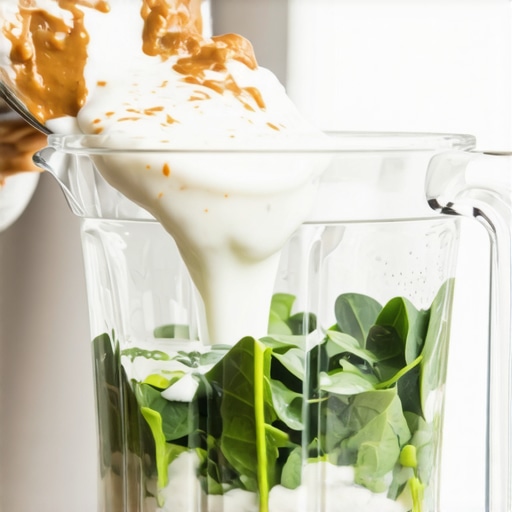
The secret to stopping those crystals from forming in your mouth is to give the oxalic acid something else to bond with before it ever touches your teeth. Think of it like a decoy. When I first started drinking green smoothies, I was strictly greens and water, which is a recipe for a sandpaper mouth. I finally decided to experiment by adding a tablespoon of almond butter and a scoop of Greek yogurt. The result? The grit vanished. By introducing a calcium or fat source directly into the blender, the oxalates bond with those ingredients instead of the calcium in your saliva. If you have noticed the reason your porcelain veneers feel gritty to your tongue is often similar to this chemical reaction, you will know how much of a relief a smooth surface can be. This simple swap changed my morning routine from a chore to a treat.
Use a Straw to Bypass Your Enamel
This sounds simple, but it is a game-changer for anyone worried about their professional teeth whitening results. When you gulp a smoothie, you are coating every surface of your teeth in acid and crystals. Using a reusable silicone or glass straw directs the liquid past your front teeth and onto the tongue or the back of the mouth. I started doing this after a particularly intense week where I felt like my teeth were soft for an hour after every breakfast. It is the same logic used when people ask how to keep your coffee habit without ruining your new veneers—minimize contact time and you minimize the damage.
Why Rinsing Beats Brushing Every Time
Your instinct after feeling that fuzz is to grab a toothbrush and scrub until your teeth feel smooth again. Don’t do it. Because the oxalic acid temporarily softens your enamel, brushing immediately can actually cause micro-abrasions. It is like trying to scrub a floor while the wax is still wet—you are just going to leave permanent marks. Instead, swish with plain water or a fluoride rinse immediately after finishing your drink. This neutralizes the pH levels in your mouth and helps wash away the crystals that have settled on your teeth. If you have ever had to manage the zingers after a professional whitening session, you know how sensitive teeth can get; giving your enamel 30 minutes to re-harden before brushing is vital for long-term health.
Steam Your Greens Before Blending
If you have a particularly sensitive stomach or very porous teeth, try lightly steaming your spinach or kale for 60 seconds before tossing it in the blender. This quick heat process significantly reduces the active oxalate content. I tried this during a health kick month where I was drinking two smoothies a day, and while it adds a minute to your prep time, it completely eliminates the chalky aftertaste. It is a great tip for parents focusing on family dentistry building healthy smiles who want their kids to enjoy greens without the weird sensory mouthfeel that usually leads to them refusing the drink entirely.
Let’s dig deeper into why these ‘healthy’ habits and aesthetic upgrades often clash. Everyone says that professional whitening is the gold standard for a bright smile, but in my experience, the secret isn’t just in the bleach—it’s in the hydration and the surface history of your teeth. I’ve seen so many people spend a fortune on treatments only to wonder why your professional whitening didn’t work as well as last time. The hidden nuance here is enamel porosity. If your teeth are dehydrated, they look whiter temporarily, but as they rehydrate, the ‘glow’ fades. It’s not a failure of the product; it’s a biological reset.
Stop Brushing Your Veneers Like They Are Real Teeth
One of the biggest traps I see involves people who finally get their dream smile and then treat it with a ‘scorched earth’ cleaning policy. You might think you’re being diligent, but you need to stop brushing your veneers like they are real teeth using abrasive charcoals or hard bristles. A study in the Journal of Cosmetic Dentistry highlights that highly abrasive toothpastes can micro-scratch the porcelain surface over time, leading to a loss of that initial luster. Once that glaze is gone, you can’t simply polish it back to life at home. This is especially true for those trying to figure out how to stop your veneers from looking too white and fake; if you scratch the surface, they’ll pick up stains even faster than natural enamel. 
Why Does My Smile Look Gray Instead of Bright White?
This is an advanced question I get all the time. If you’ve been whitening consistently and your teeth start to look translucent or gray, you’ve likely over-whitened, leading to ‘over-etching’ of the enamel. This is the ultimate ‘oops’ factor. You are actually seeing the dark shadows of the inside of your mouth through your thinned-out enamel. It is also a major reason for the mistake of using whitening strips on dental bonding; the strips will brighten the natural tooth but leave the resin bonding looking dark and dingy by comparison. If you’re managing family dentistry building healthy smiles for your kids, remember that their younger enamel is even more susceptible to this kind of permanent damage.
Focus on the Frame to Save Your Smile
We often focus on the teeth, but the ‘frame’ of the smile—the gums—dictates the success of any cosmetic work. If you have been searching for transform your smile with veneers expert tips, you’ll find that the most critical factor isn’t the porcelain; it’s the periodontal foundation. People often ignore slight recession, thinking a veneer will just cover it up. However, placing a restoration on an unstable gum line is a recipe for the ‘black triangle’ effect. If you’re a night grinder, you must also learn how to keep your veneers from chipping if you grind your teeth, because no amount of expensive ceramic can withstand the literal tons of pressure your jaw can exert while you sleep. Have you ever fallen into the trap of over-whitening or choosing a shade that looked a bit too ‘Hollywood’ for the real world? Let me know in the comments.
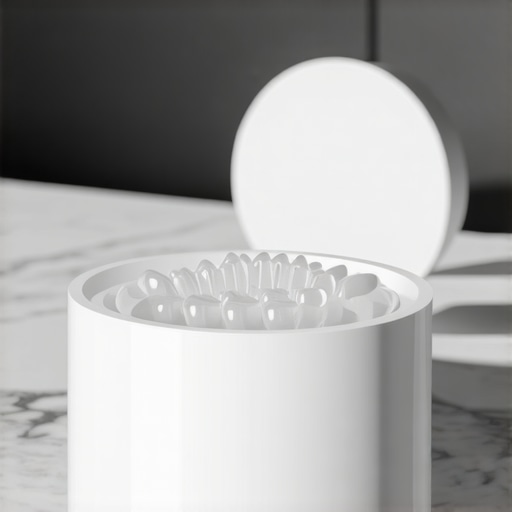
I’ve spent years perfecting my routine after investing in my own smile, and I have learned that the cheap plastic case they give you at the office is only the beginning. If you are currently wearing clear aligners or a night guard, you absolutely must upgrade to a portable ultrasonic cleaner. I personally use a 42kHz frequency cleaner every single morning. The reason is simple: manual brushing with a standard toothbrush creates microscopic scratches on the surface of the plastic where bacteria and minerals love to hide. This is why trays start to look cloudy no matter how much you scrub. According to dental researcher Dr. Gordon Christensen in his Clinicians Report, ultrasonic agitation is significantly more effective at disrupting the biofilm on orthodontic appliances than manual cleaning or effervescent tablets alone. It’s the most reliable way to figure out how to clean the stubborn gunk out of your night guard or aligners without compromising the material’s integrity.
How can I protect my dental investment for decades?
Maintenance isn’t just about cleaning the hardware; it’s about the environment you create in your mouth. For those of us with veneers or crowns, the biggest threat is not the color of your coffee, but the underlying health of your gums. I recommend using a water flosser on a low-pressure setting at least once a day. High pressure can sometimes irritate the junction where the veneer meets the tooth, but a gentle stream removes the debris that a regular brush misses. If you are managing building healthy smiles for every generation in your house, this is a great habit to start with kids early on. It makes the routine less of a chore and more of a tech-heavy ritual they actually enjoy. We often overlook the basics, but the real cost of skipping your six-month cleaning becomes apparent when small issues, like a tiny margin leak on a veneer, turn into a full-blown replacement because it wasn’t caught in time.
Smart Technology is Changing How We Track Progress
Looking ahead, the future of maintaining a perfect smile is moving toward ‘Remote Dental Monitoring.’ We are already seeing Invisalign innovation that allows patients to scan their teeth with a smartphone app, which then uses AI to tell you if it’s time to move to the next tray. I predict that within the next five years, we will have ‘smart veneers’ or crowns with embedded sensors that can detect early signs of decay or excessive grinding pressure before you even feel a symptom. Until then, you have to be your own advocate. If you’ve just started your journey, don’t let the initial hurdles stop you; learning how to get rid of the plastic aftertaste from new Invisalign trays or managing slight sensitivity is just a small price to pay for the long-term results. My advice? Grab an ultrasonic cleaner today and stop scrubbing your expensive dental work with a rough brush. Your future self—and your wallet—will thank you.
Lessons from the Trenches of Cosmetic Dentistry
The hardest lesson I learned after spending thousands on my teeth was that the most expensive toothpaste is often the worst choice for maintenance. I used to think whitening meant scrubbing harder, but the truth about using charcoal toothpaste on porcelain surfaces is that it is far too abrasive for high-end dental work. Another lightbulb moment was realizing that the reason your veneers look gray in certain lighting usually isn’t a flaw in the ceramic—it is often just shadows reflecting through the translucent edges as they age. Finally, remember that your mouth is a dynamic ecosystem; skipping a single rinse after a smoothie is fine once, but making it a habit is how you end up wondering why your professional whitening didn’t work as well as last time. Consistency beats intensity every single day.
My Daily Toolkit for a Grit-Free Life
I have narrowed my counter space down to four essentials that keep my smile pristine. First, a high-quality ultrasonic cleaner is non-negotiable for anyone with a night guard or aligners. Second, I swear by glass straws to protect my front teeth from acid erosion—just make sure you know how to clean a reusable straw to protect your enamel properly to avoid bacteria buildup. Third, a water flosser on a low-pressure setting is your gum tissue’s best friend. Finally, keep a travel-sized pH-neutralizing mouthwash in your bag for those post-smoothie emergencies when you are on the go. These small investments are key to ensuring family dental care what parents need to know in 2025 remains manageable and affordable.
Healthy Habits Without the Sandpaper Side Effects
Don’t let the fear of smoothie mouth stop you from your wellness journey. You now have the chemical blueprint to outsmart those oxalates and keep your enamel smooth. Whether you are maintaining natural teeth or a full set of veneers, the goal is a balance between a healthy body and a sparkling smile. Your teeth are the gatekeepers of your overall health, so treat them with a little extra science and a lot less grit. Your healthy lifestyle and your dental aesthetics can—and should—coexist perfectly. [image_placeholder_final] Have you ever felt that weird chalky sensation after a green smoothie, or did you think you were just imagining things? Let me know in the comments below!